Indian material for magnet making

Indian material for magnet making


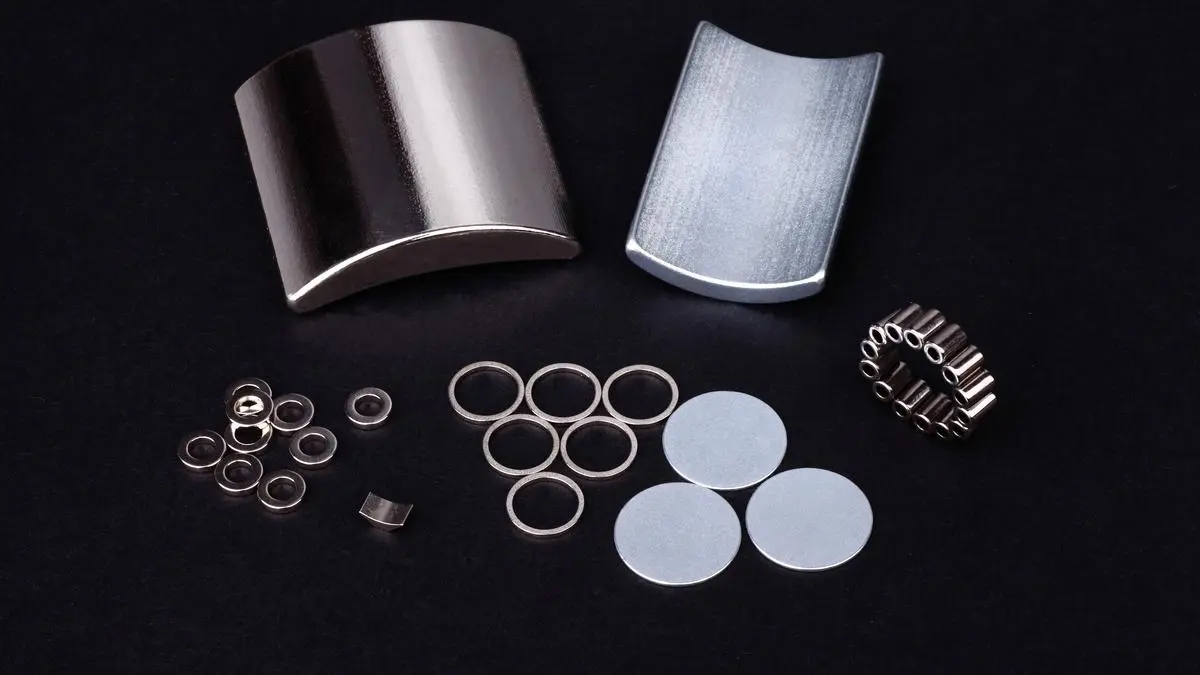
UNCOMMON ATTRACTION. The powerful neodymium-iron-boron magnets are made of expensive rare earths
| Photo Credit:
xiao zhou

Can India achieve magnet independence? The honest answer is, no — at least, not anytime soon. However, it can reduce its dependence on other countries, especially China, for its magnet requirement.

A few steps have been taken in the recent past. In November 2025, the government approved a ₹7,280 crore scheme to promote the manufacture of sintered rare earth permanent magnets in India. The scheme is ambitious — it seeks to create in the country an annual manufacturing capacity for 10,000 tonnes of magnets.

Today, India consumes about 6,000 tonnes, almost all of it met by imports. Consumption is expected to double by 2030.

The public-funded Bhabha Atomic Research Centre (BARC) recently stated that is has developed technology for producing rare earth alloy powders “directly from inexpensive oxides, at much lower temperatures”, thereby slashing costs.

Meanwhile, technology for converting RE alloys into magnets “is available with the Defence Metallurgical Research Laboratory, Hyderabad”, according to a government press release.

Now, there’s a suggestion from Dr Raghavan Gopalan, veritably the “magnet man of India”, who recently retired as Director of the International Advanced Research Centre for Powder Metallurgy and New Materials (ARCI), a government research laboratory based in Hyderabad.
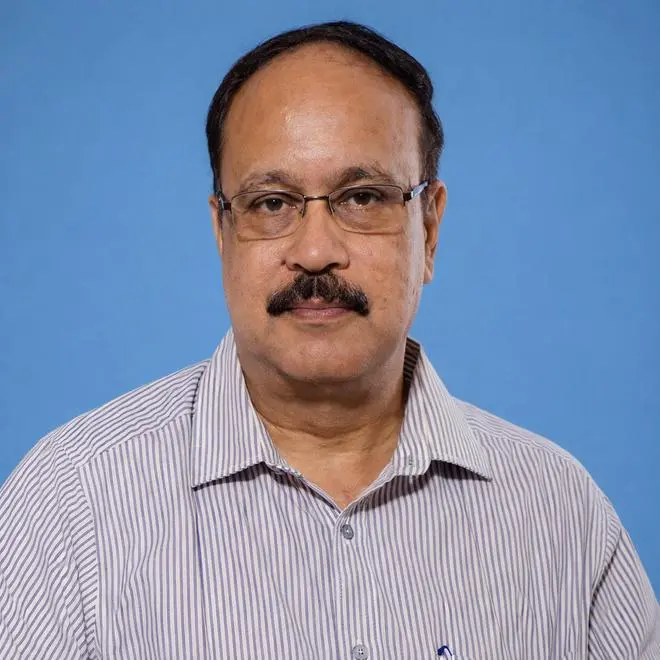
Raghavan Gopalan, former director of ARCI

Raghavan Gopalan, former director of ARCI

Gopalan had earlier told businessline that India could reduce its import dependence for magnets by using one rare earth mineral abundantly available within its shores — cerium. Most high-performance permanent magnets today are made from neodymium-iron-boron (NdFeB), often using a mix of neodymium and praseodymium — all of which are relatively scarce and expensive rare earths.

Cerium-based magnets are essentially a modified version, where a part of the neodymium-praseodymium content is replaced with cerium — the most abundant and cheapest rare earth element. The resulting magnet is significantly cheaper, but somewhat lower in performance. India has about 2.5 million tonnes of cerium in the monazite sands found abundantly in its southern peninsular coast.

Gopalan said cerium magnets “sit between” bonded and sintered magnets. They do not match the strength of the top-end sintered NdFeB magnets used in electric vehicles or wind turbines, but can compete with or outperform lower-end bonded magnets in many applications. This makes them suitable for mass-market uses such as two-wheelers, appliances, pumps and industrial motors.

Alloy optimisation

The challenge is technical. Cerium tends to weaken magnetic properties. Research efforts, including in India, are focused on optimising alloy composition and microstructure to minimise performance loss while retaining the cost advantage.

For India, the attraction is strategic. Cerium makes up a large share of the country’s rare earth resources but has limited high-value uses. Developing cerium-based magnets could allow India to build a domestic magnet industry at scale — reducing import dependence while putting an underutilised resource to work.

Gopalan said cerium magnets could work well in applications that do not see high temperatures, such as small motors in electric vehicles. This “middle-ground” positioning is important because much of India’s magnet demand does not require top-end performance. In electric two-wheelers, for instance, motors typically operate at lower power densities and temperatures than in passenger cars, making them more tolerant to modest reductions in magnetic strength.

Similarly, appliances such as air-conditioners, washing machines and refrigerators, and industrial equipment like pumps, fans and compressors prioritise cost, reliability and scale over peak efficiency.

Cerium-based magnets could offer a viable substitute for both imported NdFeB magnets and lower-performance bonded magnets. Slightly larger magnets or minor motor redesigns can often compensate for lower magnetic strength without affecting end-use performance.

Gopalan is now in Japan as part of the Indo-Japan LOTUS initiative, which supports graduate students and post-doctoral researchers in India to travel to Japan for research projects under Japanese experts. He intends to initiate a ‘rare earth magnet collaboration’ between the two countries.

More Like This

BIOMOLECULE CARGO. Light-driven graphene platform enables efficient intracellular delivery
DarioGaona

Published on May 4, 2026


Source link

Using lasers to punch holes in cell walls

Using lasers to punch holes in cell walls


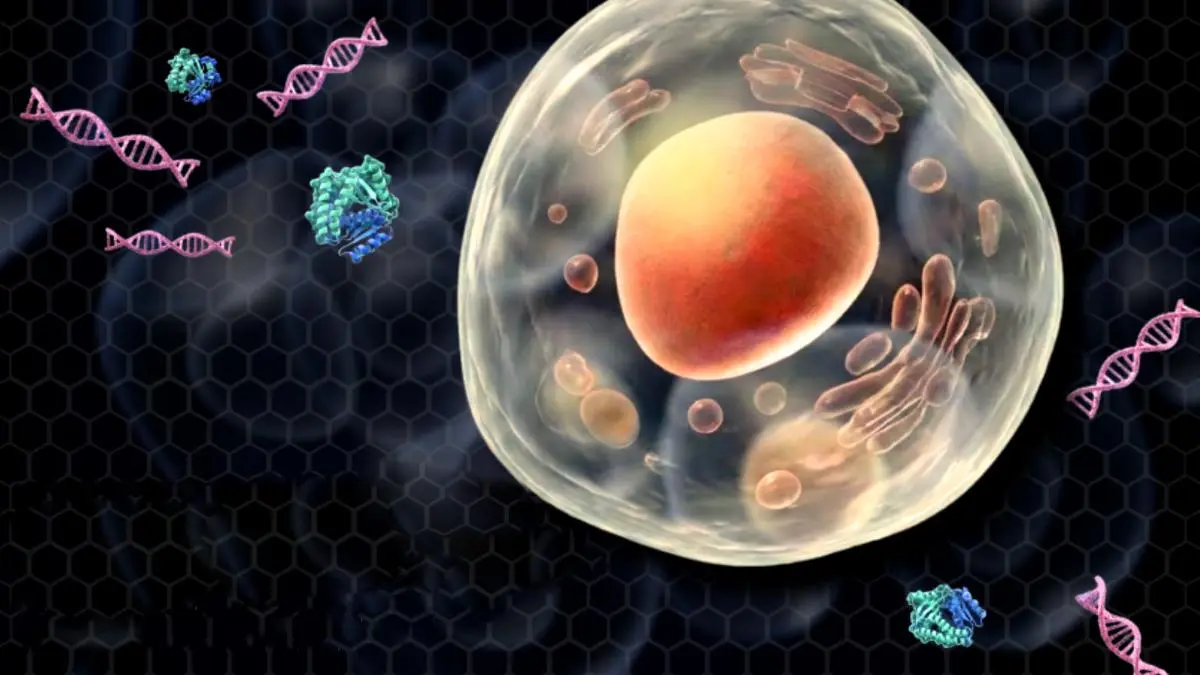
BIOMOLECULE CARGO. Light-driven graphene platform enables efficient intracellular delivery

Scientists have developed a new technique to deliver biomolecules such as DNA, RNA and proteins into living cells more safely and efficiently — using light. This promises to advance cancer treatment, drug testing and gene therapy.

Getting materials into cells is crucial for studying diseases and developing therapies. Current methods use viruses (as trucks to ferry stuff inside), chemicals or physical techniques.

Viral methods can trigger immune reactions, while chemical methods may damage cells.

Physical methods, though less efficient, are generally preferred. Broadly, there are many ways to punch temporary holes in cell walls to enable the desired materials to slink in — mechanical, electrical, using sound waves or using light.

Researchers say ‘mechanoportation’ is low in efficiency, laborious and requires skills. Electrical and sound waves can cause irreversible damage to cells, so while solving one problem they create another.

Therefore, scientists are turning to light to “transfect” cells, a method called photoportation.

Here, lasers are used to create tiny, temporary openings in cell walls through which the desired biomolecules can enter the cell, before the wall slams shut again.

For this to work, you need ‘photosensitisers’ — materials that become hot when light hits them. The heat punches the holes in the cell walls.

Typically, gold or carbon nano particles are the photosensitising materials that come to mind for this process.

But the problem here is that nano materials will enter the cells and cause harm (cytotoxicity).

Now, researchers at IIT-Madras, Christian Medical College in Vellore and Toyohashi University of Technology in Japan have used a material called reduced graphene oxide (rGO), instead of commonly used nanoparticles. This material is cheaper, more stable and biocompatible.

Further, it can absorb a wide range of light — nano particles, on the other hand, absorb only certain parts (wavelengths) of light.

Using a laser-based system, “the team created a micro-patterned device that enables fast and controlled delivery of biomolecules into different types of cells, including human stem cells”, according to an IIT-Madras statement.

The method can treat up to a million cells within seconds, while maintaining high cell survival rates.

The platform successfully delivered a range of materials, including genetic molecules and enzymes, into cells.

The researchers — Srabani Kar, Tuhin Subhra Santra and Donia Dominic from IIT-Madras, Rajdeep Ojha from CMC and Moeto Nagai from Toyohashi University — say the technology could be useful in gene therapy, drug testing and regenerative medicine.

Prof Hwan You Chang, Emeritus Professor at the Institute of Molecular Medicine, National Tsing Hua University in Hsin Chu, Taiwan, noted that the work “addresses a critical bottleneck in cell biology and therapeutics: The need for a delivery method that is simultaneously high-throughput, efficient and compatible with a wide range of cargo types and cell lines”.

He told IIT-Madras that the scientists have devised “an elegant platform” that achieves these objectives while offering the additional advantage of avoiding undesired interference from the photosensitisers.

“I anticipate that commercialisation of this system would greatly benefit the broader cell biology community,” Chang said.

More Like This

DarioGaona
metamorworks

Published on May 4, 2026


Source link

ParvAI: ‘Windows to the soul’ and workplace safety

ParvAI: ‘Windows to the soul’ and workplace safety


LOOK SHARP. To help heavy machinery operators guard against fatigue, ParvAI sensors monitor their eye condition and movements

Eyes are windows to the soul — this ancient poetic thought is moving from the realm of philosophy to precise science, inside the IIT-Madras Research Park.

ParvAI, an AI-driven eye-tracking venture, is helping companies differentiate between a routine operation and a catastrophic accident.

Founded by Prof Raj Srinivasan and Prof Babji Srinivasan, faculty members at IIT-Madras, ParvAI (parvai in Tamil means sight) may be only four years old but the technology’s roots stretch back over a decade to a research challenge thrown by the Department of Atomic Energy.

Today, ParvAI services customers in nuclear safety, logistics and, potentially, soon in paediatric healthcare.

“The idea is that we can understand what people are thinking by looking at their eyes,” explains Prof Raj Srinivasan. Combining the use of precision cameras, algorithms and geometry, ParvAI’s systems infer the precise area on which an operator’s attention is focused.

In the control room of a nuclear power plant, for example, when something goes wrong, it can be a time of extreme stress for the operators. ParvAI’s technology monitors operators to ensure they aren’t suffering from “attention tunnelling”, a psychological condition where a person becomes so focused on one task or alert that they miss a more important alarm elsewhere.

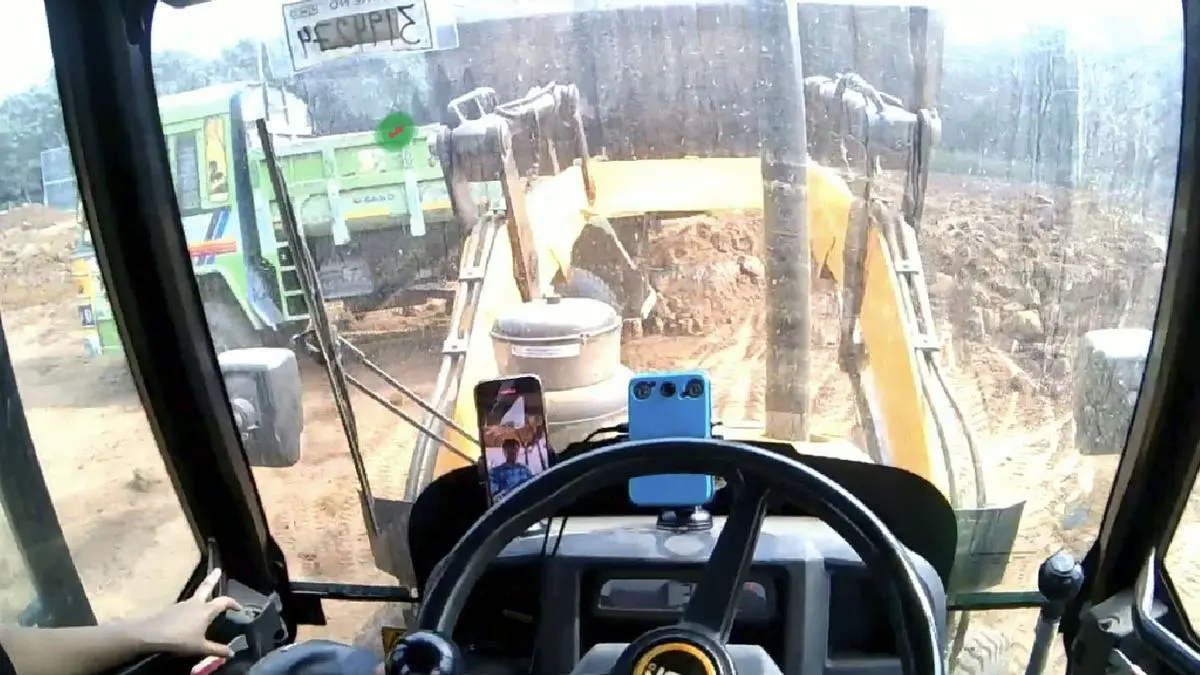
The technology’s uses are many. On the hot and humid coasts of India, crane operators at ports work in airless cabins under the sweltering sun, loading and unloading huge containers. To help the operators guard against fatigue, ParvAI’s sensors monitor the dilation of pupils or look for a change in the blink rate that signals the onset of sleepiness or inability to process an overload of information. This sets off an alarm before a container can slip and fall.

In logistics, the company also helps clients monitor warehouse equipment and fleet drivers. “If an Uber driver is reversing but looking through the front windshield, they aren’t doing things correctly,” says Srinivasan. “Our AI doesn’t just track the eye; it also ensures the person’s behaviour is commensurate with his or her task.”

Mental health screening

ParvAI is working on a product to help evaluate paediatric mental health. Srinivasan says India has too few doctors. To help diagnose developmental disorders in children, ParvAI is developing a tablet-based screening tool for primary health centres (PHCs).

By having a child play a simple game on a tablet, the system tracks its gaze and facial expressions to determine if its cognitive development is on track for its age. This enables a preliminary diagnosis within minutes, helping refer to specialists children who show a deviation from normal behaviour.

The company has received patents for its technology in India and the US, and is awaiting a European patent.

It has also designed a product for the media industry. Similar to the soundbar-like device placed on top of a television, the gadget can help broadcasters gauge the viewer’s level of engagement with an advertisement or show. Current rating systems offer broad estimates, but ParvAI’s tech can highlight whether viewers are actually looking at the screen or if they have turned to their phones or talking to others in the room.

More Like This

Published on May 4, 2026


Source link

When the grid becomes an all-knowing data system

When the grid becomes an all-knowing data system


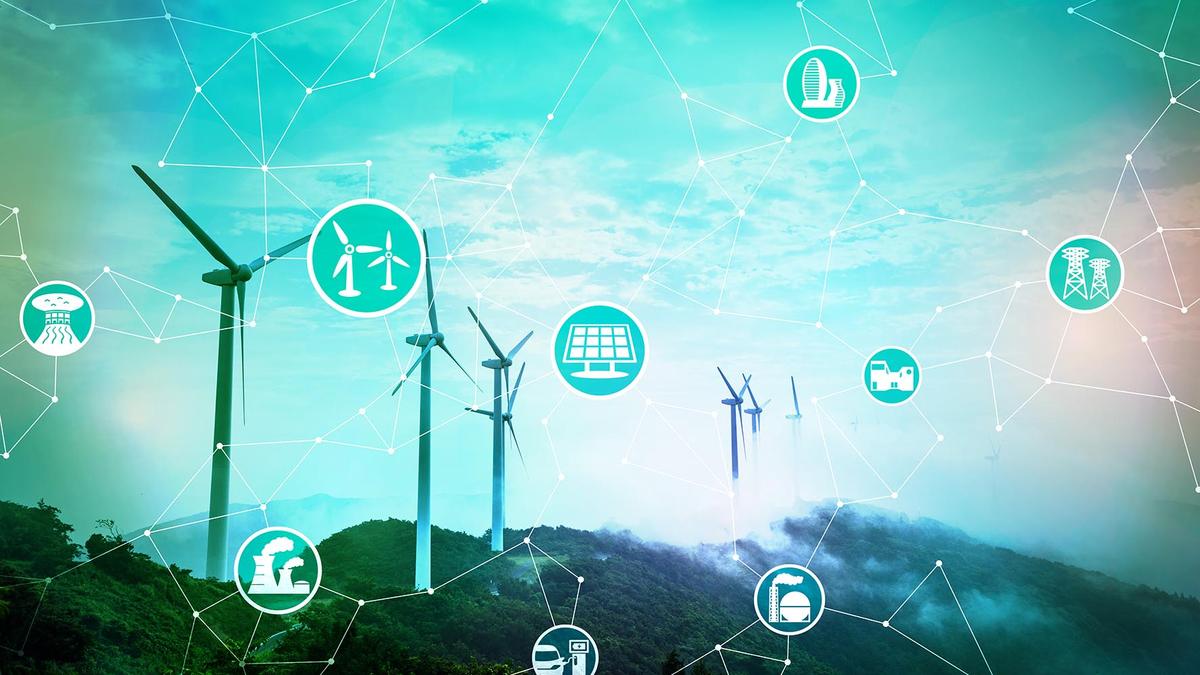
The transition to renewable energy is remaking India’s power grid at a level that generation capacity figures do not capture. Integrating variable solar and wind power at scale requires continuous, real-time data exchange between generation sources, storage systems and grid operators. Battery storage must respond to grid signals within milliseconds.

Demand response, peer-to-peer energy trading and distributed generation require the grid to function as an information system. Each of these capabilities connects what engineers call operational technology to information networks.

The equipment that manages voltage, frequency and power flow, previously isolated from external networks by design, is now networked by operational requirement. Every new connection extends the boundary of what is reachable from outside.

The draft National Electricity Policy (NEP), 2026, addresses this through two provisions that pull against each other. Section 12 mandates that all infrastructure and control systems storing or processing power sector data should be physically located within India, explicitly including battery management systems. Section 13 requires the same sectoral entities to share their operational and market data under regulatory safeguards to enable AI applications, analytics and innovation.

Territorial control over the data layer is the objective of one; circulation of that data is the objective of the other. The India Energy Stack, named in Section 7 as a foundational framework for interoperable energy systems and financial settlements, is the architecture intended to hold both requirements together.

Embedded security

Battery management systems illustrate how the security logic works at the component level. A battery management system continuously monitors cell behaviour: Charge and discharge rates, thermal conditions, capacity degradation and grid response characteristics. For a grid-scale installation, this data constitutes a detailed operational profile of critical infrastructure across a range of conditions, including emergencies. The mandate to keep this data within Indian jurisdiction is a security measure embedded in technical specification: Operational intelligence on grid behaviour under stress cannot be routed to servers outside Indian control.

The supervisory control and data acquisition systems running India’s load despatch centres present a structurally difficult problem. These are continuous operational systems managing live grid infrastructure, sourced from vendors including ABB, Siemens and GE Vernova. NEP 2026 proposes that the Grid Controller of India Limited and State load despatch centres endeavour to transition to indigenously developed systems by 2030. The transition requires replacing live control systems on infrastructure that cannot be taken offline, against a four-year timeline, with a domestic software and hardware supply chain that does not yet exist at the required scale or reliability.

The policy’s governing logic is clear: Open at the data layer, sovereign at the infrastructure layer. The India Energy Stack is expected to be the framework that will operationalise this principle.

More Like This

Published on April 20, 2026


Source link

Half the capex, less carbon: The molten magic inside Tata Steel’s HIsarna bet

Half the capex, less carbon: The molten magic inside Tata Steel’s HIsarna bet


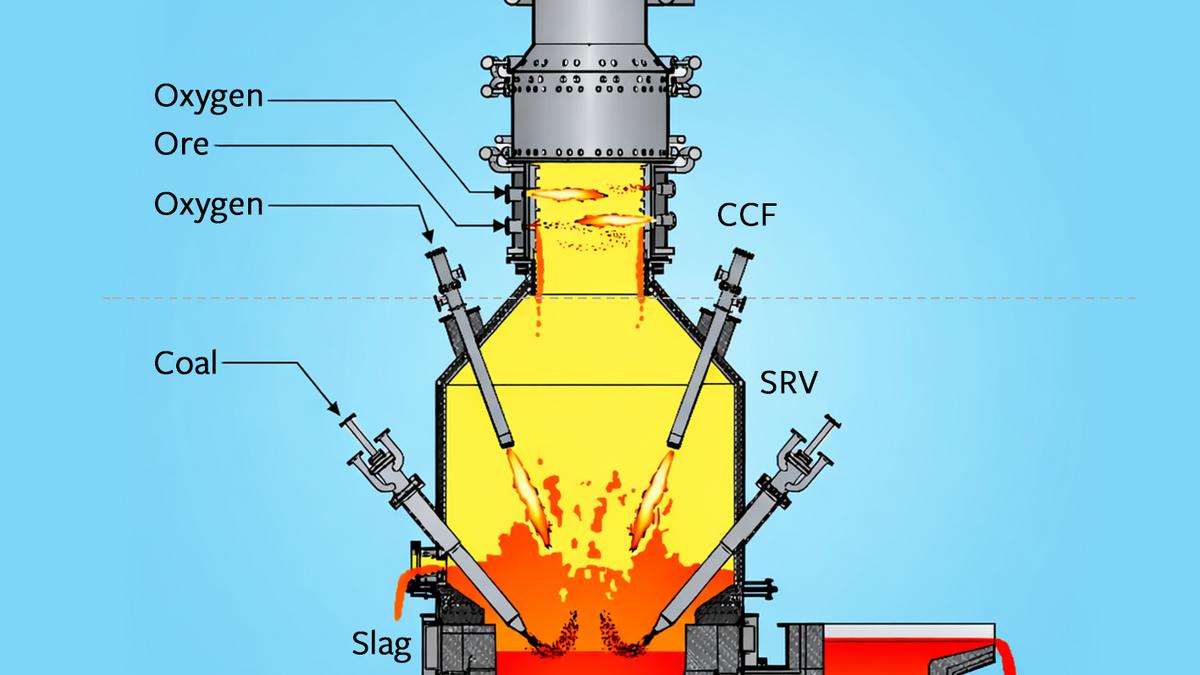
 HIsarna furnace for steel making

It costs about a billion dollars (₹9,000 crore) to set up a steel plant with a capacity of one million tonnes. But Tata Steel is planning one at Jamshedpur for roughly ₹4,000 crore.

This is magic made possible by an entirely new steel-making process — HIsarna. Tata Steel had a big hand in its development and now owns the patent.

HIsarna has the potential to revolutionise steel making — once perfected in a commercial plant, it is expected to elbow out all other conventional methods of steel making, such as blast furnace or electric arc furnace.

Its advantages are striking. First, it eliminates two unavoidable steps in traditional steel-making processes — coke-making and the agglomeration of iron ore (into sinter or pellets). That alone knocks off chunks of capital cost. Second, HIsarna doesn’t care about ore quality — low-grade iron ore, abundantly available in eastern India, works just as well. Third, carbon dioxide emissions are estimated to be about 20 per cent lower than in a conventional plant of comparable size. Moreover, the carbon dioxide stream is relatively pure, making carbon capture easier and cheaper, without any need for separation from other flue gases.

How does HIsarna achieve this? The answer lies in its architecture.

Leaving aside the minutiae, the HIsarna furnace has two chambers, one above the other. Powdered iron ore is injected into the top chamber, where it spirals downward. The spiralling keeps it longer in the chamber, which is essential. The powder injection is also the technology’s biggest challenge: The iron ore particles must neither fly out nor fall straight through.

Non-coking coal is injected into the lower, smelting vessel. Oxygen is introduced at multiple points. The coal reacts with oxygen to produce carbon monoxide (CO), which rises to the top chamber. There it meets oxygen again, burns into carbon dioxide, and releases intense heat. This heat melts the ore, which then drips into the lower chamber.

Iron ore (ferric oxide or Fe₂O₃) must be reduced — its oxygen removed — to yield iron. In HIsarna, this happens in two stages. In the upper chamber, ferric oxide is partly reduced to ferrous oxide (FeO) as it encounters the rising CO and injected oxygen; the heat generated also melts the ore. The molten ferrous oxide then falls into the lower chamber, where it reacts with the carbon in coal. The oxygen bonds with carbon, leaving behind molten iron. The outputs are liquid iron and a relatively pure stream of carbon dioxide.

Light footprint

The process can use low-grade ore, which would otherwise be discarded. The plant footprint is about half that of a comparable blast furnace setup. The slag can go straight into a cement kiln, unlike the blast furnace slag. Taken together, these factors could lower operating costs by around 10 per cent, according to Subodh Pandey, Vice-President (Technology, R&D, NMB and Graphene) at Tata Steel. The HIsarna plant in Jamshedpur is expected to go on stream by 2030.

How did Tata Steel get here? “Perseverance,” says Pandey — and there’s a story behind that.

The idea of a new steel-making route was first pursued in Europe under the Ultra-Low CO₂ Steelmaking (ULCOS) initiative, a consortium of 48 companies. One of them was Koninklijke Hoogovens, which later merged with British Steel to form Corus Group and was acquired by Tata Steel in 2007.

The construction of a pilot plant in the Netherlands began in 2010, followed by years of trials. Rio Tinto, the British-Australian mining major, joined in 2011, bringing its HIsmelt technology (the bottom chamber). Tata Steel acquired the technology from Rio Tinto in 2017.

Initially, there were many setbacks — refractories failed, operations proved unstable — and most partners lost interest. In 2021, Tata Steel, along with US company Nucor, revived the effort with new operating protocols. The results improved. “We have reached higher operating capacity than originally planned: 14 tonnes of ore per hour against 12 tonnes,” Pandey says.

Perseverance paid off for Tata Steel — in results and in patents. For Nucor, which largely produces steel from scrap, HIsarna offers a route to higher-end products that are not easily made via scrap. Nucor holds rights to build a HIsarna plant in the US, subject to a licence fee — and intends to do so.

More Like This

vlado85rs
The Artemis 2 mission will fly a figure-eight pattern that will take the crew around the Earth and then around the moon

Published on April 20, 2026


Source link

YouTube
Instagram
WhatsApp