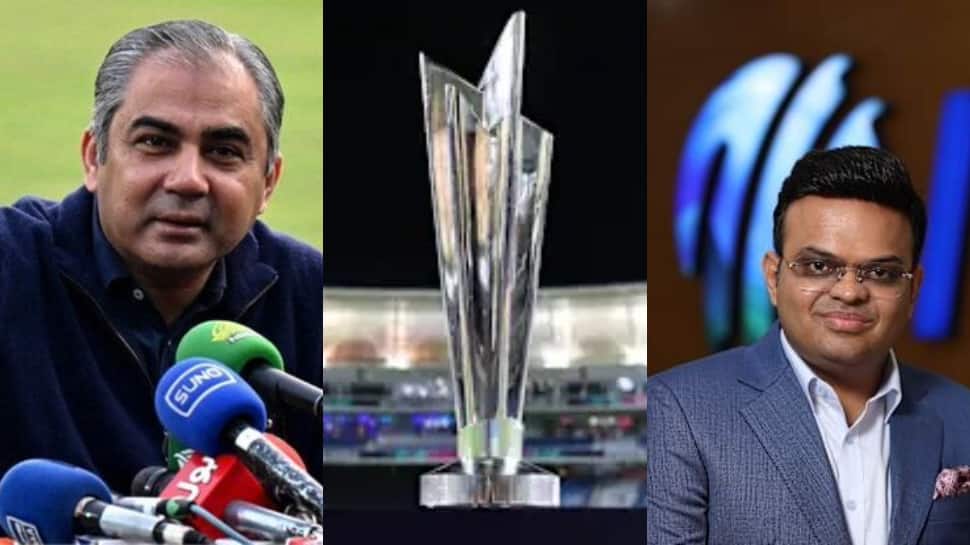
In a bold and unprecedented move, the Government of Pakistan confirmed that the national cricket team will participate in the 2026 ICC T20 World Cup but will boycott their Group A match against arch-rivals India on February 15. While Pakistan remains set to play other fixtures against Netherlands, USA, and Namibia in Sri Lanka, the boycott has sparked major alarm within the International Cricket Council (ICC), which has warned the Pakistan Cricket Board (PCB) of possible severe sanctions.
ICC Threatens Severe Penalties
The ICC’s potential response includes suspension of bilateral series, exclusion from the Asia Cup, and denial of No Objection Certificates (NOCs) for overseas players in the Pakistan Super League (PSL). Sources confirm that any withdrawal by Pakistan would breach ICC participation agreements, opening the door to suspension from ICC and ACC tournaments, including future T20 World Cups and Asia Cup events.
Financial Fallout: Millions at Risk
A PCB boycott would not just be symbolic it carries massive financial and reputational consequences. Analysts estimate that the board could face losses exceeding $38 million, including forfeited broadcaster revenue, sponsorship payouts, and ICC participation fees. The India vs Pakistan fixture alone commands the highest commercial rates of the tournament, and skipping the match would trigger legal claims from broadcasters for pre-sold advertising slots and prime-time coverage.
Additionally, the boycott could directly impact PCB revenues, including performance-linked incentives and participation fees estimated at $500,000 to $1 million. Reduced ICC inflows would also put domestic cricket and grassroots programs under pressure, forcing budget cuts that could stall long-term development and player pathways.
International Isolation and Competitive Impact
Beyond finances, the boycott risks international isolation. Sanctions could prevent Pakistan from hosting or touring other full-member nations, freezing their bilateral calendar and weakening the PSL’s global appeal by denying foreign players NOCs. This would significantly reduce broadcast value, sponsorship interest, and franchise competitiveness in the global T20 market.
ICC sources have also warned that governance credibility would take a hit. PCB’s influence in ICC committees, revenue-sharing discussions, and future tournament hosting opportunities could decline, undermining the board’s long-term authority and planning. Furthermore, players would miss out on prize money, exposure, and career-defining opportunities, particularly for emerging talent who rely on ICC events to secure league contracts abroad.
Political Context and Future Uncertainty
PCB chief Mohsin Naqvi has criticized the ICC for “double standards” after Bangladesh was removed from the tournament, stating that Pakistan’s participation would be decided at the highest government level, pending Prime Minister Shehbaz Sharif’s return from abroad. While Naqvi argued that all ICC members should be treated equally, the potential consequences of a boycott are clear: Pakistan risks not only financial penalties but long-term damage to its international cricketing stature.
A Risky Move with Long-Term Consequences
With the tournament just weeks away, the situation remains fluid. Pakistan’s decision to forfeit the match against India may provide a short-term political statement, but experts warn it could trigger a cascade of sanctions, legal battles, and financial losses, potentially marking a turning point in the country’s global cricket trajectory.







