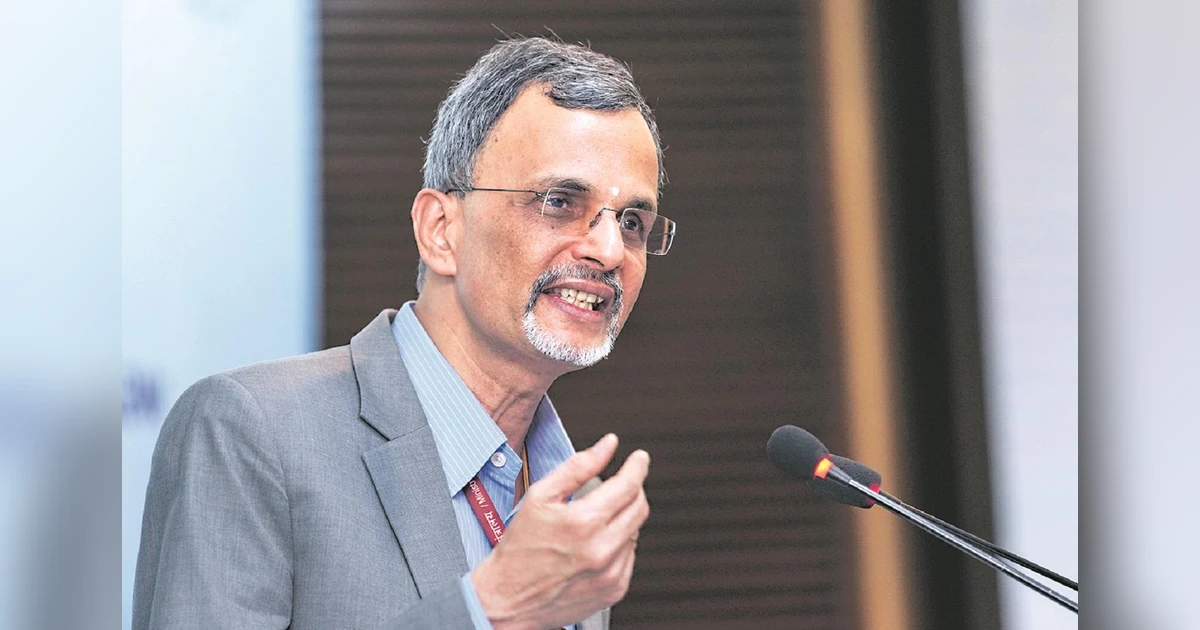
Speaking on the future of employability in the age of AI in a virtual address, the CEA said, “With institutional discipline and relentless execution India can become the first large society to demonstrate that human abundance and machine intelligence can reinforce and not undermine each other.”
Nageswaran added that this, however, would not happen by drift. He said that it has to be a team effort involving the private sector, academics as well as policymakers.
“The window is still open, but it is not indefinite. For India, this is not a debate about the future of work. It is a decision about the future of growth, social stability and cohesion. We must act and act now,” the CEA added.
He said that the first step towards AI adoption would begin with reforms of education, pedagogy and imparting of foundational skills. He said that countries need to move decisively by strengthening the foundation of education, high-quality skills, expanding labour-intensive service sectors and removing regulatory bottlenecks. “That is where the path to co-creating prosperity with AI and employability in the age of AI begins,” Nageswaran said.
The CEA said that while millions of jobs are created annually, a significant skill gap persists. He said that only a small proportion of the workforce has received formal skill training. This gap, he said, was not just statistics but a structural vulnerability.







