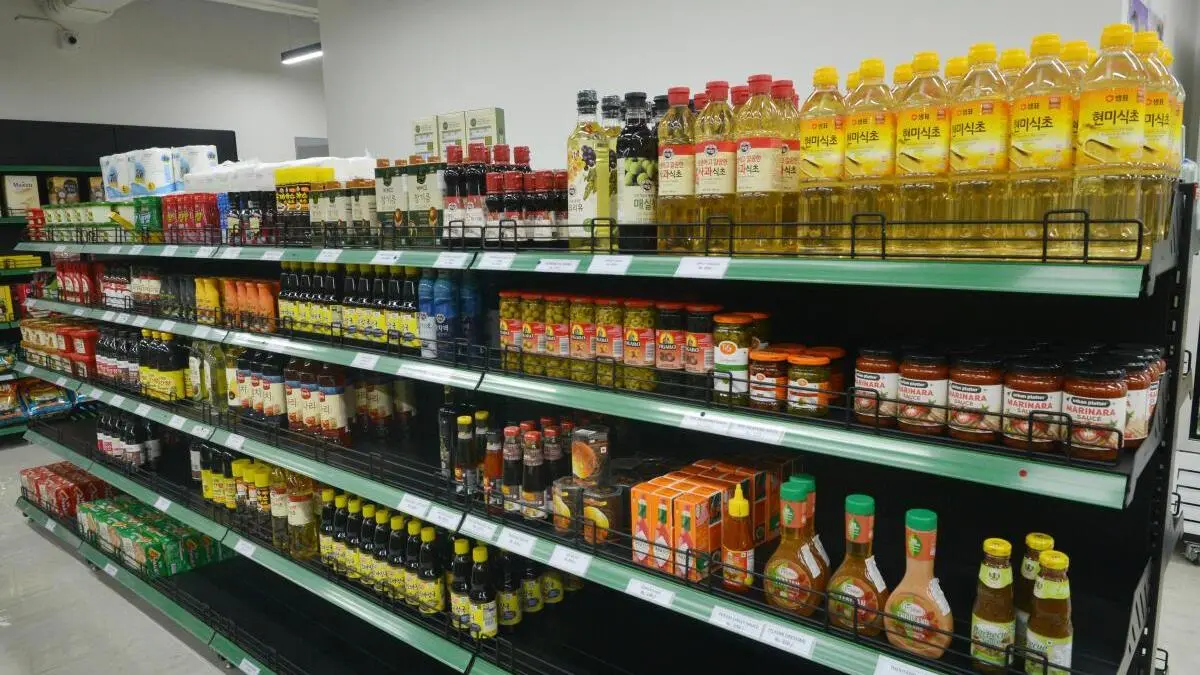
Globally, the impact on oil sector may be mixed, with possible production risks in Asia but relatively favourable conditions in parts of South America.
| Photo Credit:
Rajmohan S
The Solvent Extractors’ Association of India (SEA) has said that vegetable oil and oil seed sector stands at a crucial juncture shaped by global disruptions, weather uncertainties and domestic fundamentals.
In his monthly letter to SEA members on Friday, Sanjeev Asthana, SEA President, said that a balanced approach combining policy support, market intelligence and stakeholder collaboration will be essential to navigate the evolving landscape effectively.
Referring to the prevailing global geopolitical situation, he said India, which is heavily dependent on imports for crude oil and LPG, faces increased procurement costs and logistical uncertainties under such circumstances.
“Elevated crude oil prices directly impact the cost of production and transportation of edible oils, thereby exerting inflationary pressure on the domestic market. Additionally, volatility in freight and insurance premiums further compounds the landed cost of imported edible oils, necessitating strict monitoring, cautious procurement strategies and policy support to maintain price stability,” he said.
Easing trade’s burden
Mentioning that the closure of the Strait of Hormuz and the resulting disruption in shipping routes have prompted timely interventions by government authorities, he said the coordinated efforts across the export-import ecosystem will significantly ease the operational burden on exporters and ensure continuity of trade during this challenging period.
Recent global weather assessments indicate a shift away from earlier La Nina expectations, with emerging signals now pointing towards a strong El Nino, potentially a ‘Super El Nino’ phase, as indicated by the Australian Bureau of Meteorology and supported by the US NOAA.
Globally, the impact may be mixed, with possible production risks in Asia but relatively favourable conditions in parts of South America.
“However, for India, this raises concerns of below-normal monsoon rainfall, which could adversely affect kharif oilseed sowing, particularly soybean and groundnut, leading to lower acreage and tighter domestic supplies,” Asthana said, adding, this internal and external divergence could increase volatility in global edible oil markets. In this backdrop, proactive measures in domestic production and calibrated import planning will be crucial to ensure supply stability and price balance.
Mustard crop normal
He said the Second Advance Estimates for kharif and rabi crops for 2025-26 indicated a robust production outlook. The eight Mustard Crop Health and Area Summary – Rabi 2025-26, prepared by Agriwatch, engaged by SEA, indicates an increase in mustard acreage to 89.36 lakh hectares (lh) compared to 86.29 lh last year, supported by favourable weather conditions. The overall crop conditions remain largely normal across major states, with harvesting underway in several regions, which may lead to higher production during current year compared to last year.
Published on March 20, 2026







