The Indian Premier League’s explosive media rights growth is set to hit a ceiling. A new report by Media Partners Asia (MPA) projects that IPL media rights for the 2028–32 cycle will remain flat at $5.4 billion – the same as the current cycle – marking the end of two decades of rapid value expansion. More significantly, the per-match value is expected to drop by 13%, signalling a structural shift in how the league is monetised. This is not just a numbers story. It has direct implications for team valuations, broadcaster profitability, and the future commercial model of the IPL.
Why IPL Media Rights Growth Is Slowing
The headline number may look stable, but the underlying economics are weakening.
Key reasons behind the slowdown:
More matches, lower value per game: The IPL’s expansion to a 94-match format dilutes per-match value, dropping from $13.2 million to $11.5 million.
Reduced bidding competition: The previous cycle saw a fierce battle between Reliance-backed Viacom18 and Disney. That rivalry no longer exists after the merger that created JioHotstar, consolidating rights under one platform.
Ad revenue growth has slowed: Growth has dropped to 7% CAGR in recent seasons, compared to 18% earlier.
Shrinking advertiser pool: Bans and regulatory pressures have pushed out key spenders like ed-tech, crypto, and real-money gaming companies.
This combination has effectively cooled what was once the hottest sports rights market globally.
Broadcasters Are Losing Money – And It Shows
The report estimates that current rights holders could incur losses between $1.8–2 billion over the ongoing cycle.
This raises a fundamental question: Is the IPL overvalued at current pricing levels?
Despite record-breaking digital viewership — including over 70 million concurrent users during global tournaments — monetisation hasn’t kept pace. The gap between revenue and rights cost remains the biggest concern heading into 2028.
What This Means for IPL Franchises
Franchises have become heavily dependent on central media revenue.
Media rights now contribute 75% of total franchise revenue (up from 48% in 2017)
Average EBITDA margins have grown to 34%
This looks healthy on the surface, but it creates high exposure to rights fluctuations.
If media rights stagnate or decline:
- Franchise valuations could plateau
- Investors may shift focus to liquidity events (stake sales already rising)
- Teams will need to build stronger independent revenue streams
- The Big Shift: Beyond Media Rights
MPA’s analysis points to a clear future trend – diversification is no longer optional.
Franchises will need to grow:
- Sponsorship portfolios
- Global brand presence (leagues, academies)
- Direct-to-fan digital monetisation
Non-media revenue has already grown at a 22% CAGR post-pandemic, but from a smaller base. That growth now needs to accelerate.
Team Rankings Reveal Commercial Strength vs Performance
The report’s franchise scorecard highlights an interesting divide between brand power and on-field success:
- Mumbai Indians rank No.1 (360/400)
- Chennai Super Kings follow (320)
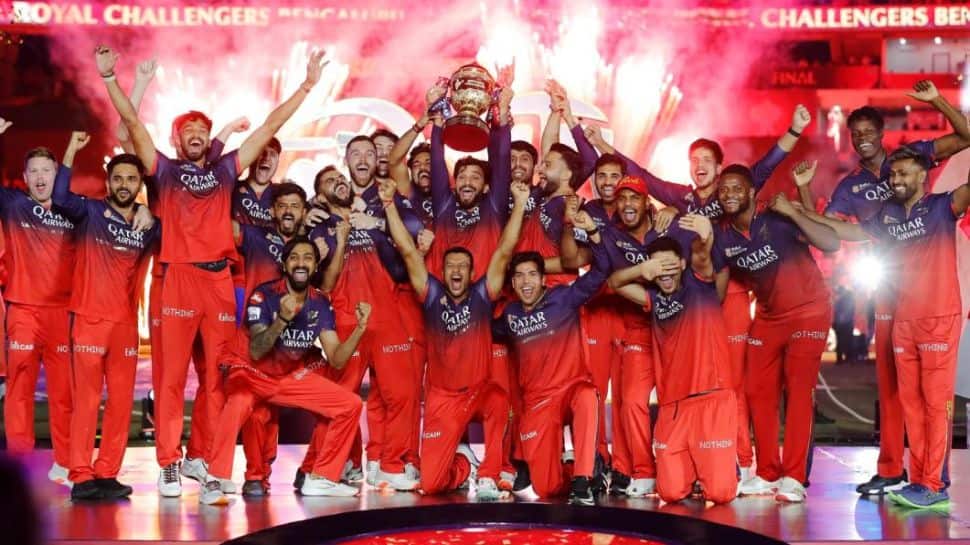
- Royal Challengers Bengaluru rank fourth despite massive fan engagement, largely driven by Virat Kohli’s global appeal
- Punjab Kings and Lucknow Super Giants sit at the bottom
The takeaway is clear: Fan base and titles both matter – but sustainable business models matter more going forward.







