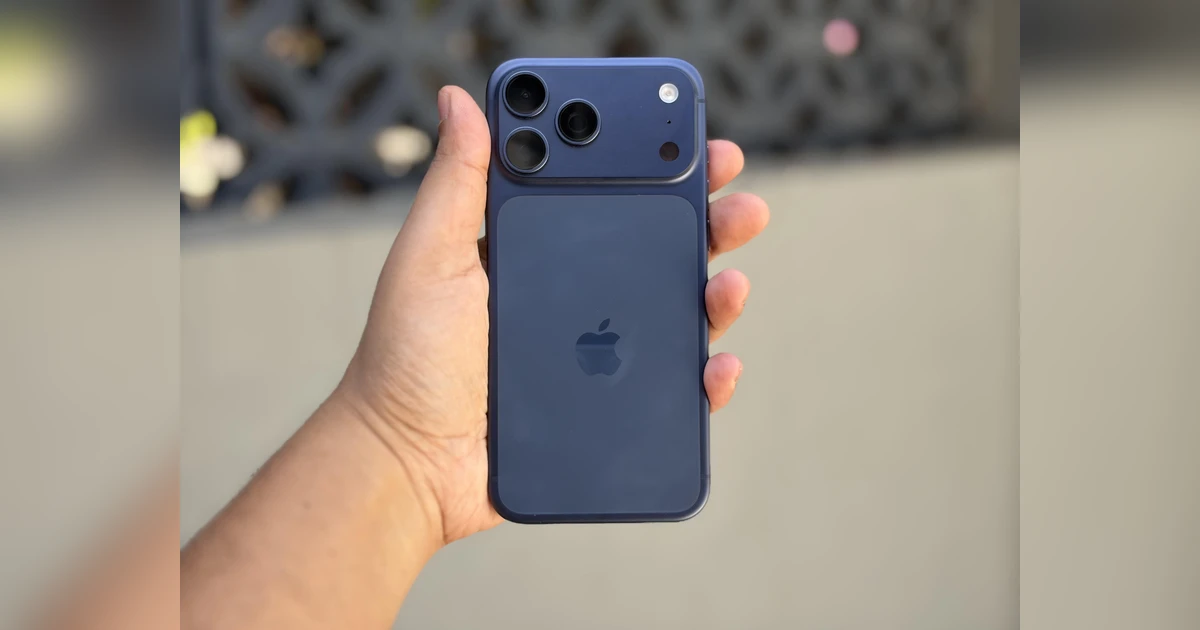
Apple is reportedly planning to reduce the size of the camera island cutout on its upcoming iPhone 18 Pro models. According to a report by GSMArena, the company may begin shifting some Face ID components beneath the display, which could allow for a smaller Dynamic Island cutout compared to current iPhone models.
Apple is said to have been working toward placing all Face ID hardware under the display, leaving only a small circular opening for the front camera. However, that full transition is reportedly being targeted for a future model, possibly the 20th anniversary iPhone expected in 2027. For now, only select components are likely to move under the panel.
As per the report, the upcoming Pro models—expected to launch around September—may retain the existing pill-shaped design that houses the TrueDepth camera system and Face ID sensors, but with a smaller overall footprint. The cutout could measure around 13.49mm, compared to roughly 20.76mm on the iPhone 17 Pro.
The report also suggests that the entire iPhone 18 lineup, including the standard and Air 2 variants, could adopt this updated, smaller Dynamic Island design. However, the base iPhone 18 and the second-generation iPhone Air are expected to launch later, likely in early 2027.
iPhone 18 Pro: What to expect
Apple’s iPhone 18 Pro lineup is expected to bring incremental design changes, with reports suggesting a new “Deep Red” colour option alongside existing finishes. This shift is said to be enabled by Apple’s move to an all-aluminium unibody design, which offers greater flexibility compared to earlier materials. On the front, the company may refine the display by shrinking the Dynamic Island, with some Face ID components reportedly moving under the screen, resulting in a smaller cutout while retaining the existing system.
In terms of hardware, the iPhone 18 Pro models are tipped to feature Apple’s next-generation A20 Pro chip built on a 2nm process, along with a possible in-house C2 modem for improved efficiency. Camera upgrades could include a variable-aperture main sensor, although its availability remains uncertain. Apple is also expected to expand satellite-based connectivity beyond emergency use, aiming to offer limited network access in areas without conventional cellular coverage.







