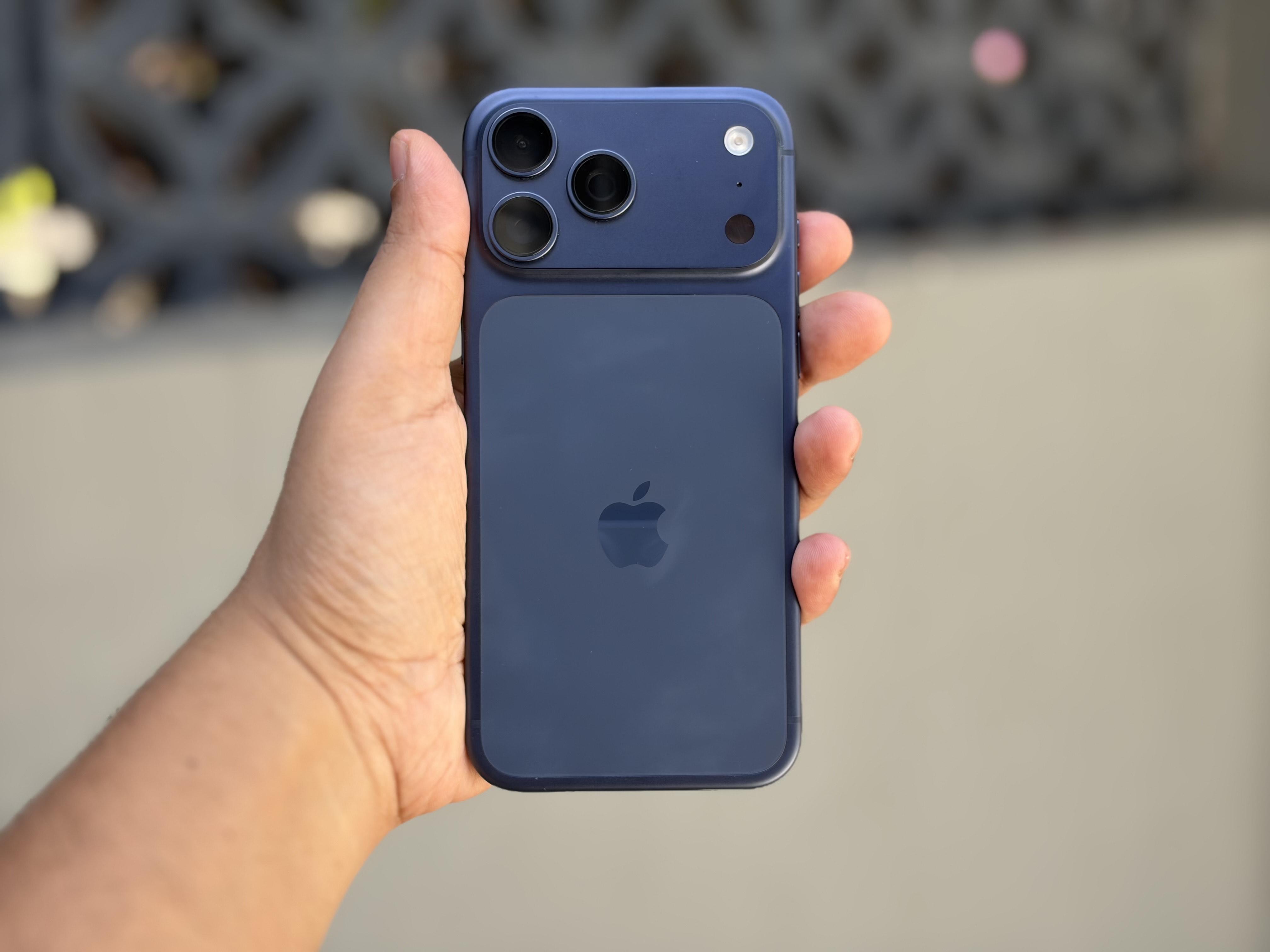
Apple’s iPhone has made an unusual appearance in one of Nasa’s most closely watched missions. The iPhone 17 Pro Max is onboard the Orion spacecraft for the ongoing Artemis II lunar mission, marking one of the first times a mainstream consumer smartphone has been cleared for extended use in space.
How the iPhone made it to space
The presence of an iPhone on a lunar mission is not as straightforward as it might seem. Space hardware typically goes through a long and rigorous certification process before being cleared for flight. As noted in The New York Times report, this process involves multiple stages, including hazard identification, mitigation planning, and validation.
One of the key challenges is that devices behave very differently in microgravity. Materials such as glass can become hazardous if shattered, and even small objects can float freely inside a sealed spacecraft. To address this, devices like smartphones need to be secured using methods such as Velcro or specially designed mounts.
Tobias Niederwieser, an assistant research professor at BioServe Space Technologies, explained that every piece of hardware must be evaluated for safety in a “perfectly sealed capsule” where even minor risks can become significant. The approval process ensures that devices do not pose any threat to the crew or onboard systems.
Why Nasa chose a consumer device
The iPhones onboard Artemis II are not being used as replacements for existing camera systems. According to The New York Times, the devices are being used primarily to capture photos and videos, alongside dedicated equipment already present inside the Orion spacecraft.
The smartphones are also heavily restricted in how they function during the mission. NASA said the iPhones cannot connect to the internet or use Bluetooth, limiting their role strictly to imaging.
NASA administrator Jared Isaacman said the idea behind allowing smartphones was to let astronauts “capture special moments for their families and share inspiring images and video with the world.”
At the same time, traditional imaging equipment remains in use. The crew is also carrying professional cameras, such as the Nikon D5 and GoPro Hero 11, designed for more controlled and specialised photography tasks.
Consumer tech in space: Not entirely new
While this is one of the first instances of an iPhone being fully certified for extended use on a lunar mission, smartphones have appeared in space before. The New York Times report noted that private missions, including SpaceX’s Inspiration4 in 2021, have used iPhones for photography.
Earlier, Nasa’s final Space Shuttle mission in 2011 carried iPhone 4 units as part of an experiment. However, these were limited in scope compared to the current deployment.
What sets Artemis II apart is the level of integration and approval. While Apple said that it was not involved in the certification process, the mission marks the first time an iPhone has been formally cleared for sustained use beyond low Earth orbit.







