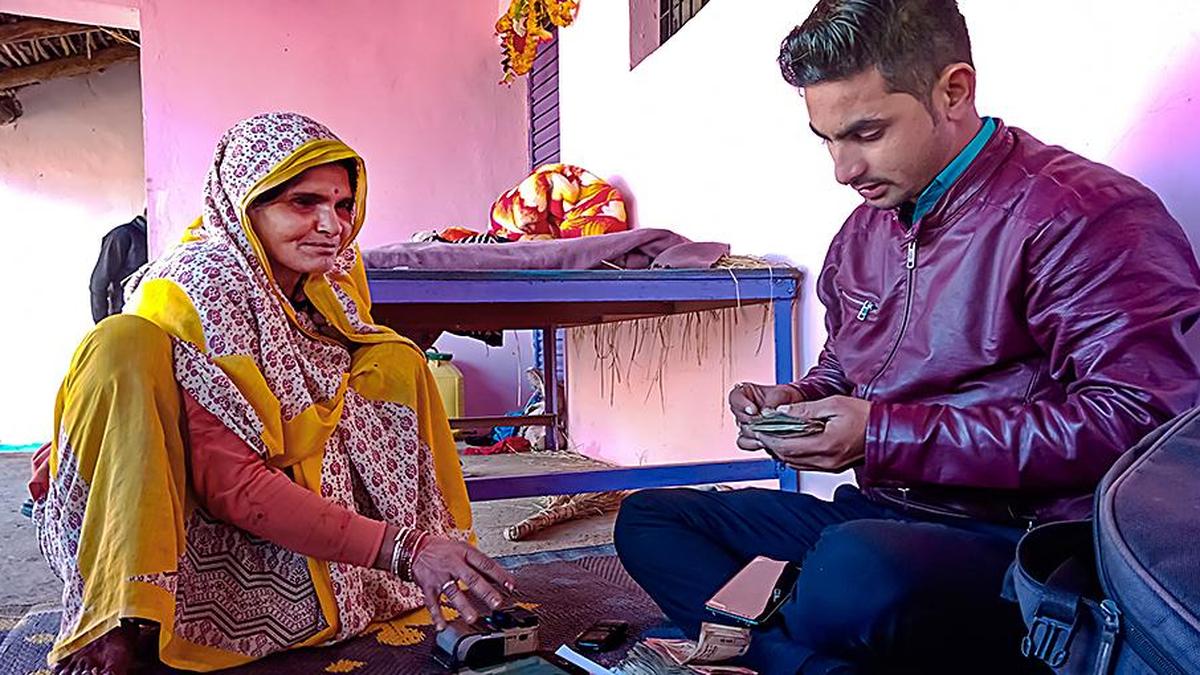
The RBI-recognised Self-Regulatory Organisation (SRO) also unveiled HR Standards to be adopted by the micro-finance sector
| Photo Credit:
Naturecreator
Sa-Dhan on Friday released the third edition of its microfinance sector guardrails, which place emphasis on data-led decision-making, early risk identification, stronger governance frameworks and customer-centric practices.
The RBI-recognised Self-Regulatory Organisation (SRO) for the microfinance and impact finance sector also unveiled HR Standards to be adopted by the micro-finance sector so as to bring more uniformity and efficiency in acquiring and managing the workforce
The new sectoral guidelines — Sankalp 3.0 — has been designed as a structured, outcome-driven framework that balances regulatory expectations with industry ownership, according to a Sa-Dhan statement.
“The guidelines focus on ensuring that growth in the sector is sustainable, responsible, and aligned with long-term customer well-being. It further introduces a more participatory approach to policy adoption through a consultative process involving multiple stakeholders and based on the study outcomes,” the SRO said.
Sa-Dhan observed that the new set of guardrails come in the wake of an improved situation in the micro-finance sector with regards to collection efficiency and better asset quality. However, it decided to continue the existing guardrails — Sankalp 1.0 and Sankalp 2.0 — for some more time; so that a better recovery of the sector is possible.
Sankalp 1.0 (July 2024) and Sankalp 2.0 (April 2025) focused on stabilising portfolios, promoting responsible lending, strengthening credit discipline and improving the use of credit bureau data.
Speaking a Sa-Dhan conclave, Satish Marathe, Member, Central Board of RBI, suggested that the RBI should consider constituting a steering committee for micro-finance so as to have regular interactions between the two and sort out any issues being faced.
Jiji Mammen, Executive Director and CEO of Sa-Dhan, said, “Sankalp 3.0 is a natural progression of the journey we started with the earlier editions. While Sankalp 1.0 and 2.0 helped stabilise the sector and build discipline, the current environment demands a sharper and more forward-looking approach.
“The new guardrails focus on early identification of risks, stronger governance and deeper customer protection. Our aim is to ensure that the sector grows responsibly while continuing to serve its core purpose of financial inclusion. Sankalp 3.0 reflects the collective thinking of the industry and provides a practical roadmap for institutions to navigate current challenges with confidence.”
K Paul Thomas, Chairman of Sa-Dhan and Managing Director & CEO of ESAF Small Finance Bank, noted that the microfinance sector has shown resilience over the years, but it must continue to evolve with changing realities. So, Sankalp 3.0 is an important step in strengthening the sector’s foundation.
“Sankalp 3.0 brings together regulation, data, and industry experience to create a balanced framework for growth. By focusing on governance, transparency, and customer well-being, these guardrails will help build greater trust and long-term sustainability in the sector,” he said.
Published on April 10, 2026







