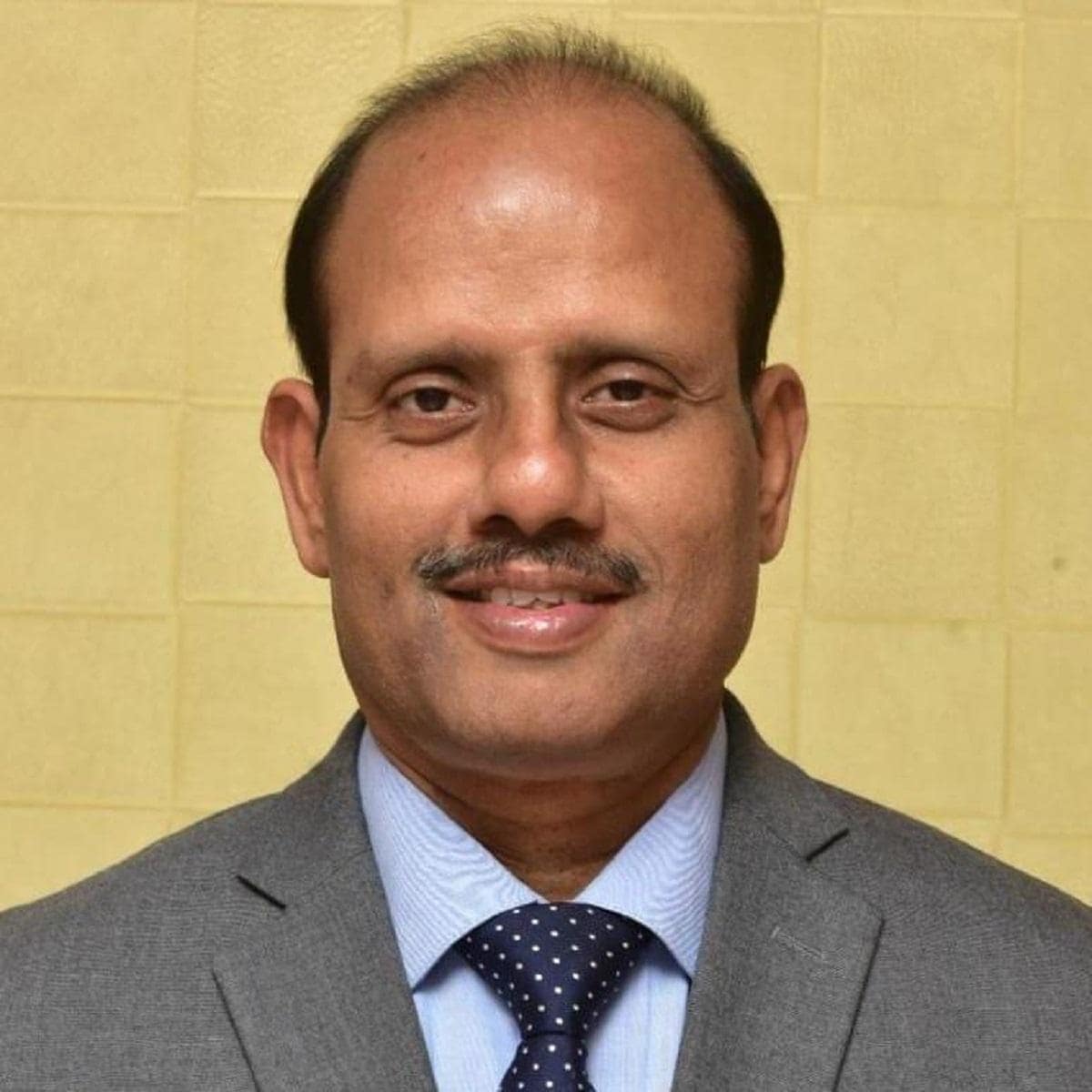
Concerns around bias, opacity, data misuse, model risk and cyber threats must be addressed as artificial intelligence (AI) reshapes finance, said Swaminathan J, Deputy Governor of the Reserve Bank of India (RBI), while cautioning that unchecked adoption could amplify systemic vulnerabilities.
Speaking at the Shri V Narayanan Memorial Lecture at SASTRA University in Thanjavur, Swaminathan outlined five major concerns that could undermine trust and stability if left unaddressed.
“The first is bias and unfair outcomes. AI systems learn from data. But data does not emerge from a vacuum. It carries the imprint of past behaviour, existing inequalities and structural exclusions. If these distortions are embedded in the data, they can be reproduced by the model, sometimes with even greater efficiency and scale,” he said. “In credit assessment, this can create outcomes that are difficult to justify and harder to detect.”
He warned against opacity in automated systems. “Many advanced systems operate like black boxes… But finance cannot become a black box,” he said. “A decision that materially impacts a citizen’s economic life cannot be defended by saying, machine decided.”
On data risks, Swaminathan said that AI systems rely on large volumes of data, and financial data are among the most sensitive forms of personal information. “Institutions must therefore think seriously about consent, storage, sharing, access controls and purpose limitation. Data governance cannot be treated as a side issue. In the age of AI, trust becomes central.”
He also highlighted systemic risks. “The fourth concern is model risk and concentration risk… a flawed model can affect decisions across millions of customers,” he said, adding, “even a local weakness can acquire broader systemic significance.”
Cyber threats, he noted, are rising alongside AI adoption. “AI can strengthen defences, but it can also equip attackers,” he said, warning that bad actors can use it to create “more convincing phishing attempts, create deepfakes… and automate malicious activity.”
While flagging risks, Swaminathan said AI holds significant promise for improving access, efficiency and oversight in finance. It can simplify customer interaction, enable better credit assessment for underserved borrowers, and strengthen fraud detection and supervision. He acknowledged that AI can contribute meaningfully to fraud detection and risk management.
Stressing that human responsibility must remain central, the deputy governor said AI may support decision-making, but accountability must remain with humans and institutions.
“A bank or NBFC cannot outsource responsibility to an algorithm, a vendor or a platform. Technology may help process information at speed and scale, but judgement and responsibility must continue to reside where they belong,” he said.
He also called for embedding “fairness and explainability” into systems, strengthening data governance, building institutional capacity, and ensuring inclusion remains a core design objective.
He underlined that banking remains a business of trust and cautioned that innovation must remain subordinate to “integrity, fairness and accountability”.
“The enduring task is therefore to make finance more intelligent, without making it less human; to make it more digital, without making it less accountable; and to make it more inclusive, without making it less prudent,” he added.







