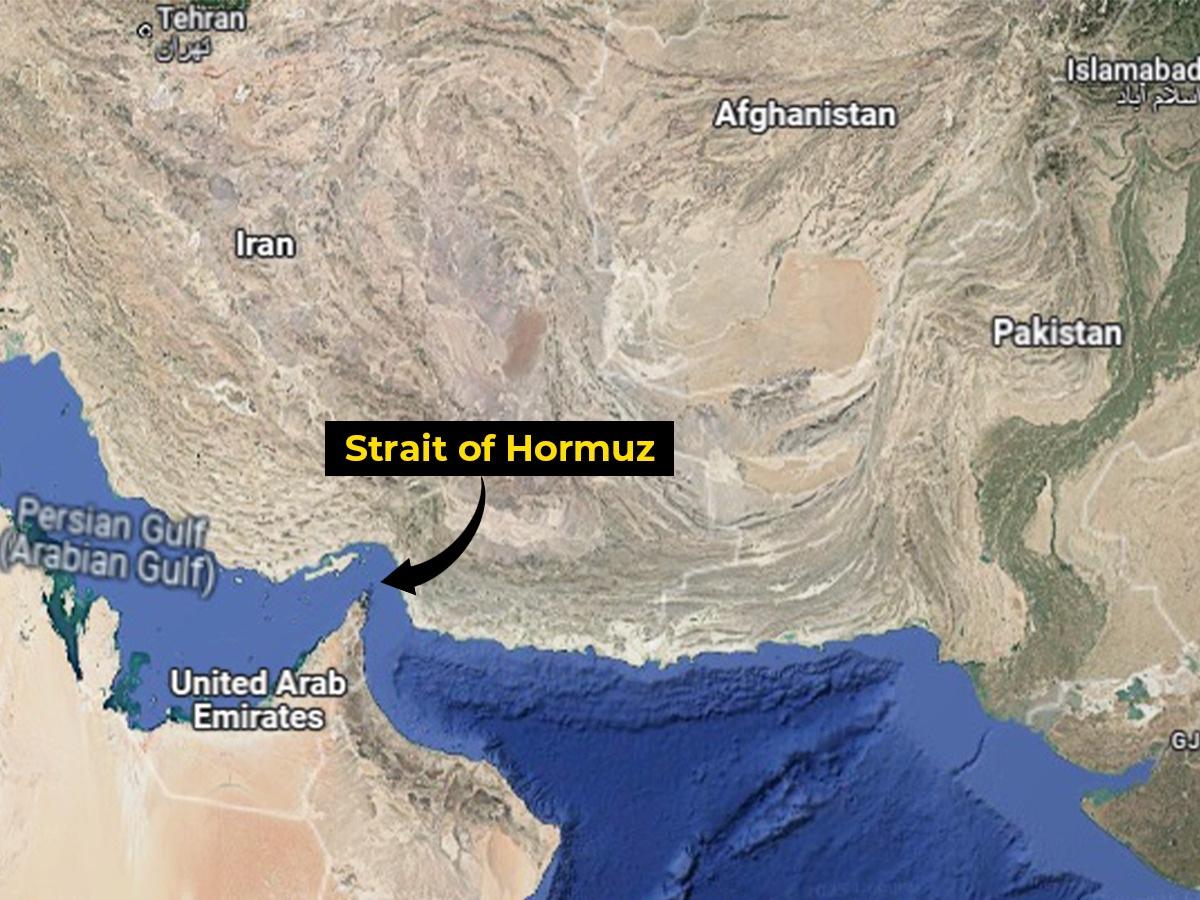
A complete blockade of the Strait of Hormuz (SoH) by the United States could disrupt oil supply materially, with analysts at Nomura pegging the incremental shortfall at around 2.3 million barrels per day (mbpd) in March 2026. Compared to March 2025, the shortfall is seen at 9.3mbpd, a sharp drop of 57 per cent year-on-year (y-o-y).
Saudi Arabia, United Arab Emirates (UAE), Iraq, Iran, Kuwait and Qatar saw oil flows totaling 16.3mbpd in March 2025, as per their estimates.
In the last one week, Brent crude oil prices have surged 6.5 per cent to nearly $98/bbl now. As the latest peace talks between the US and Iran have failed to yield any result, Nomura sees an increased likelihood of higher war risk premium on oil prices. With President Trump now threatening to completely block the SoH for all inbound and outbound ships, Nomura expects the oil supply situation to deteriorate further.
“As the conflict lingers on, the effectiveness of balancing lost supplies via SPR (Strategic Petroleum Reserves) may gradually become ineffective, and that may be reflected in higher oil prices,” Nomura said.
“Assuming that 2mbpd is used by its refineries in the western coast, we might still expect higher export volumes from Saudi Arabia going forward (~5mbpd) compared to what it did in March 2026 (~4.4mbpd). The UAE also did relatively well as compared with other gulf countries, with a minor ~3 per cent y-o-y drop in oil revenues,” Nomura said.
Revenue hit
Iran, according to Banka’s estimates, has been the biggest beneficiary since the war broke out in terms oil revenues that rose 36 per cent y-o-y in March 2026 to $5.7 billion.
A sustained disruption in SoH, analysts warn, would remove a volume of supply that cannot be quickly replaced, forcing an aggressive repricing across commodities, currencies, equities, and fixed income markets.
“Take that flow out of the system and Brent doesn’t move five or ten dollars, it moves structurally higher. A spike toward $120 or beyond becomes realistic very quickly, and that resets inflation expectations globally. Energy equities stand to be immediate beneficiaries. Integrated oil majors, US shale producers, and West Asian exporters would see margin expansion and stronger cash generation. At the same time, energy-import-dependent sectors face a direct hit,” cautions Nigel Green, chief executive officer (CEO) of deVere Group, a global consulting firm that has $14 billion assets under management (AUM).







