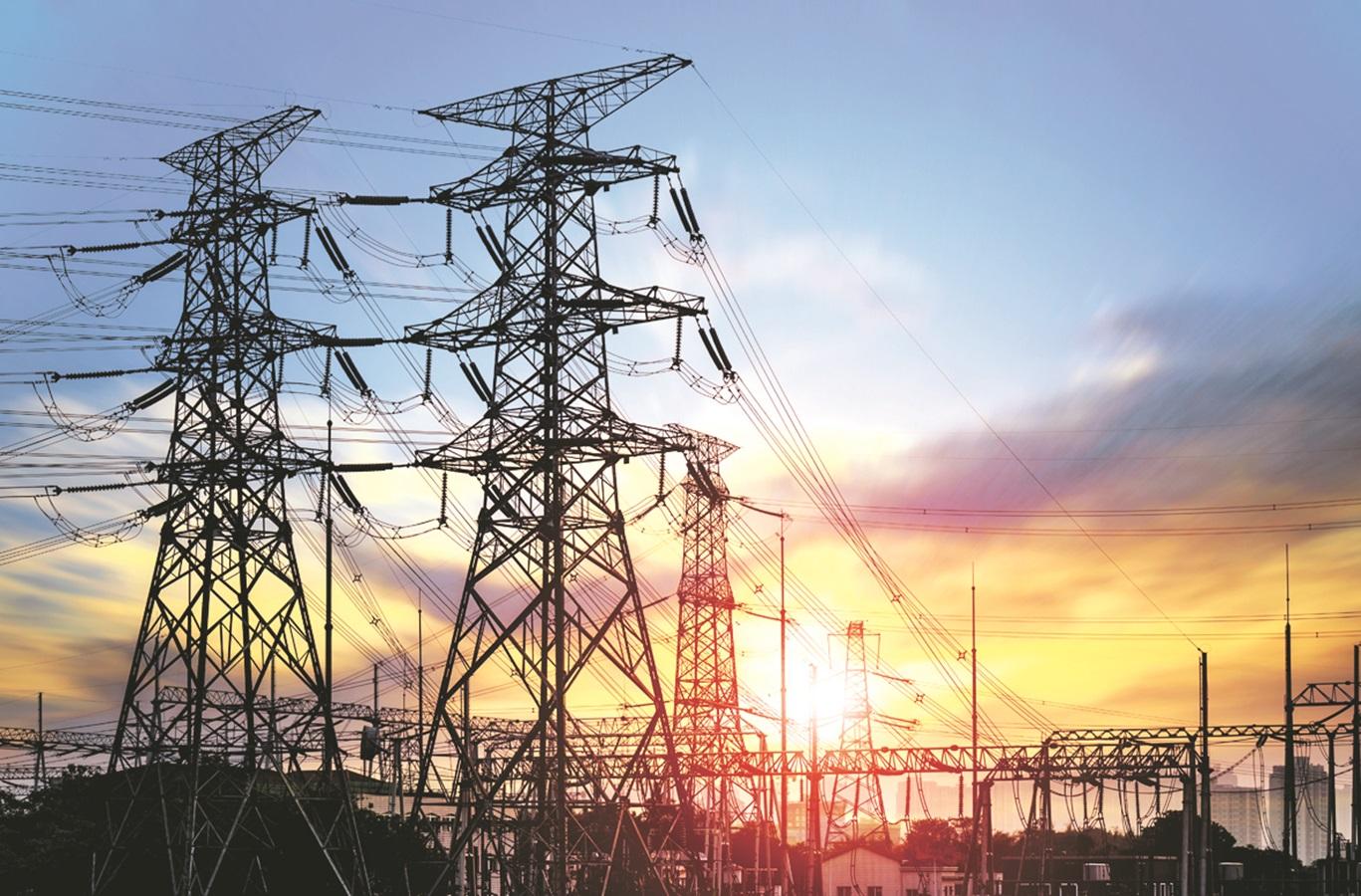
A hotter-than-normal summer is emerging as a primary catalyst for the Indian power sector, with peak electricity demand forecast to reach 275-285 GW. Most of India is expected to face a higher number of heatwave days in May and June, according to the India Meteorological Department (IMD).
While temperatures are expected to remain relatively mild through April, conditions will intensify thereafter. Approximately half of the country is projected to see above-normal maximum temperatures during this period.
Given this backdrop, analysts expect power demand to jump 8–12 per cent year-on-year (Y-o-Y). “Every 1°C rise above 24°C historically adds roughly 2 per cent to demand,” said Nitant Darekar, research analyst, Bonanza.
The market, Darekar believes, has already begun pricing in the demand spike. Major stocks, including Adani Power, JSW Energy, and Tata Power, have outperformed the Nifty 50 by 10–25 percentage points year-to-date in 2026.
On a similar note, Kranti Bathini, equity strategist, WealthMills Securities, said, “Power demand is clearly picking up, and that’s already reflecting in the strength of power stocks despite broader market volatility. While many of these stocks appear fully priced at current levels.”
Outlook and investment strategy
Bathini sees a positive near-term outlook for power stocks, supported by rising demand and ongoing global energy challenges. Investors can consider holding existing positions and look to buy on dips. “Segments such as alternative energy, power equipment, and transmission are expected to perform well going ahead,” he said.
From a long-term perspective, Ankit Soni, associate VP of fundamentals, Mirae Asset ShareKhan, remains positive on the power sector’s outlook, citing structural drivers such as increasing data center capacity, rising penetration of consumer durables, and electric vehicle (EV) expansion.
He also pointed to a likely government policy push toward energy security in the wake of the ongoing West Asia conflict as a key factor supporting the industry’s future growth.
Darekar prefers generation companies and also highlights power transmission as a strong structural story. Tata Power and Torrent Power are his preferred picks for their integrated business models, which enable margin capture across the value chain.
“Thermal generators such as Adani Power, NTPC, JSW Energy, and NLC India will benefit most directly from higher plant load factors (PLFs) and improved offtake under long-term power purchase agreements (PPAs). With India sitting on a record 210 million tonne coal stockpile—providing roughly 88 days of coverage—fuel supply risk is low, giving thermal players clean earnings visibility,” he noted.
Soni sees regulated power utilities such as NTPC, Coal India, Tata Power, and CESC offering around 7-8 per cent earnings growth over the FY25-28 period, driven largely by capacity additions.
Disclaimer: The views and investment tips expressed by the analysts/brokerage are their own and not those of the website or its management. Business Standard advises users to check with certified experts before taking any investment decisions.







