Rare earth elements (REEs) are critical to the manufacture and working of electric vehicles, wind turbines, and defence equipment. However, mining for these minerals harms the environment, not to mention the lack of mature and patented refining processes in India, unlike in China.
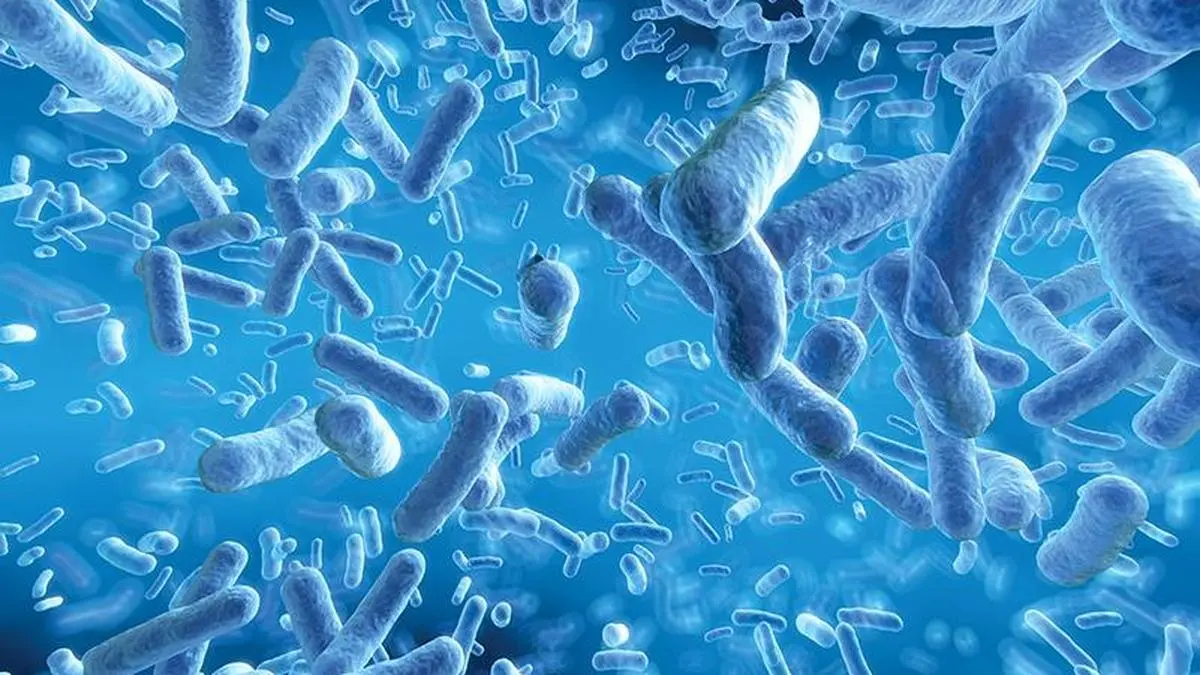
Enter biometallurgy — namely the recovery of metals using microbes. It is a sustainable, low-carbon means of extracting critical rare earth minerals from sources such as electronic waste and industrial byproducts.
The recovery process typically involves several biological steps. In bioleaching, microbes make metals soluble with the aid of molecules such as siderophores and lanthanophores, or dissolve them through the secretion of organic acids.
Biosorption is the process in which living or dead microbial biomass acts as a ‘sponge’ — negatively charged functional groups on cell walls trap positively charged REE ions.
Lanmodulin — a game changer
The discovery of the protein lanmodulin has helped ramp up the ability to selectively weed out REE minerals, since it has 100 million times more affinity for REEs than common metals such as calcium.
Unlikely feedstock
Research has shown that laterite and coal/lignite mines are good sources of REEs. These deposits contain REE in way higher concentrations than land surface.
Research at Cornell University identifies microbes that offer ‘two-for-one’ benefit: harvesting REEs while simultaneously capturing atmospheric carbon dioxide.
Certain bacteria use carbon dioxide to build biomass, secreting the acids required for leaching while permanently fixing the carbon into organic matter. Currently these successes have been achieved under lab conditions and may require more testing and proofs of concept before transferring to the real world.
Research shows that a consortium of microbes is 20 per cent more effective at dissolving magnets than single strains. Growing microbes in a nutrient-rich environment before adding waste prevents metal toxicity, allowing for higher processing densities. The biological process requires 90 per cent less energy than traditional smelting, while making use of cheap ‘fuels’ such as elemental sulphur.
For India, these advancements are essential to help cut dependence on imports for REEs.
The side effects of mining include toxic orange water or acid mine drainage which, together with other unsafe byproducts such as coal ash, can be transformed into a resource refinery for high-purity REE magnets.
Akhilesh Bagaria, co-founder of NavPrakriti, a company that mines discarded batteries for materials, says ‘bio-hydrometallurgy’ is the next frontier in extracting value from waste. “Integrating biological processes like bioleaching with established hydrometallurgical techniques isn’t just about cutting emissions” but also changing how we extract value from waste. The company is exploring collaborations with research institutions to adapt microbial technologies for Indian conditions.
Will his company adopt bio-filters such as lanmodulin in its processes? “For India, where strategic resource recovery is critical, these bio-based filters could redefine standards for purity and efficiency. NavPrakriti sees real potential for adapting them to local industrial processes.”
He adds that the ultimate test for sustainable recycling is “not just in what we recover, but also how responsibly we do it. For us, carbon-negative recovery isn’t just an ambition, it’s also the next logical step”. The way forward involves integrating carbon dioxide capture and exploring bioleaching approaches that can sequester carbon, he says.
More Like This
Published on April 20, 2026







