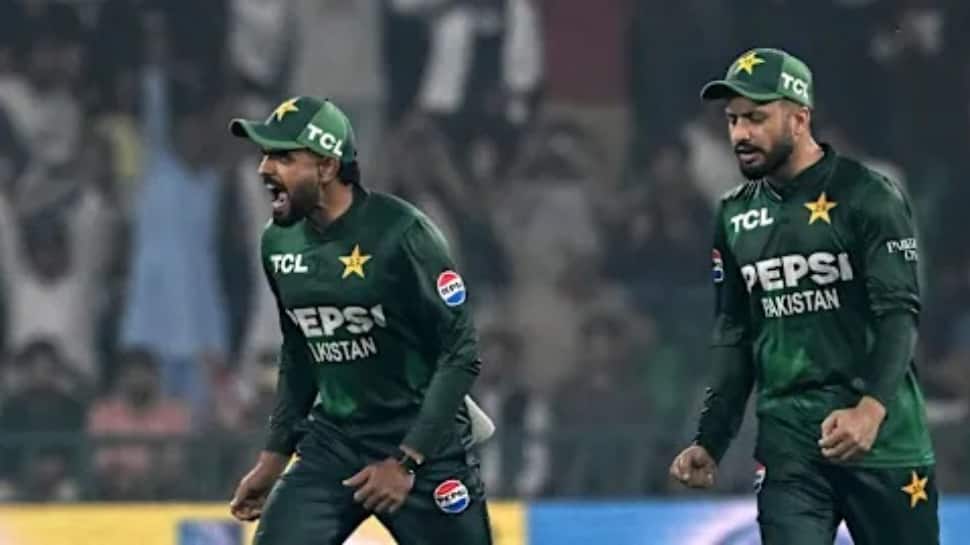
The Pakistan Cricket Board has initiated an official inquiry following reports that all rounder Mohammad Nawaz tested positive for the use of recreational drugs during the ICC Men’s T20 World Cup 2026. This development adds to a deeply difficult period for the 32 year old cricketer, who endured a largely forgettable tournament before this controversy surfaced. The case has sent shockwaves through the Pakistan cricket establishment and has drawn significant attention from the global cricket community given the timing and circumstances of the positive test.
Official Statements and Investigation
The PCB confirmed the situation on April 22, noting that the international cricket community had been formally alerted to the matter. A spokesperson for the board told ESPNCricinfo, “The International Cricket Council has informed the Pakistan Cricket Board about this matter, and PCB has begun the due process. The results of this process will be communicated to the ICC today.”
The swift acknowledgement from the PCB signals an intent to handle the matter transparently, though the full findings of the investigation remain pending. The ICC’s anti doping framework, which operates under the World Anti Doping Agency code, covers recreational substances and the outcome of the due process could result in anything from a formal warning to a significant playing ban depending on the findings and the specific substance involved.
How the Test Was Conducted
The positive test result was identified through standard anti doping protocols conducted during the T20 World Cup, where Pakistan played their group stage and Super 8 fixtures in Sri Lanka. Anti doping testing at ICC events is conducted by WADA accredited laboratories and players are subject to both in competition and out of competition testing throughout major tournaments. The specific substance that triggered the positive result has not been publicly disclosed by either the PCB or the ICC, which is standard procedure during an ongoing investigation to protect the integrity of the process and the rights of the player.
Tournament Performance and Early Exit
Pakistan’s T20 World Cup 2026 campaign was already a story of underperformance before this controversy emerged. The team exited at the Super 8 stage, failing to advance to the knockout rounds. Nawaz personally had a tournament to forget on the field, managing just 15 runs across five innings with the bat while picking up seven wickets with the ball. His bowling contribution was arguably the only positive takeaway from his World Cup participation, though his economy and overall impact were not enough to elevate Pakistan’s campaign.
Professional Consequences and Surrey Deal Collapse
The fallout from the positive test has been swift and financially significant for Nawaz. His anticipated agreement to join Surrey for the T20 Blast in England has been terminated before it was even officially announced. He had previously received a No Objection Certificate from the PCB to participate in the prestigious domestic T20 competition scheduled to run from May 26 to July 18. The official signing announcement that had been expected this week will no longer take place. Surrey has chosen not to offer an official comment on the matter, a silence that speaks volumes about how seriously the English county is treating the situation. The loss of the Surrey contract represents not just a financial blow but a significant reputational setback for a player who was hoping to rebuild his standing in global T20 cricket through a strong county campaign.
Precedents in Cricket Drug Cases
This case is not without precedent in international cricket. Several high profile cricketers have faced anti doping violations in recent years. Kagiso Rabada of South Africa served a 30 day suspension mandated by the South African Institute for Drug Free Sports during the previous IPL season, though the specific nature of his violation was never made public. Sharma was handed a ban. Under the WADA code adopted by the ICC, recreational drugs such as cannabis carry different sanctions to performance enhancing substances, and first time violations involving recreational drugs can sometimes result in reduced bans if the player can demonstrate the substance was not sports related. However the final outcome in Nawaz’s case will depend entirely on the findings of the PCB’s due process and subsequent ICC review.
Current Form in PSL 2026
The timing of this controversy is particularly damaging given that Nawaz is currently in the middle of a domestic campaign with the Multan Sultans in the Pakistan Super League. His statistics for the 2026 PSL season reflect a continued slump in form that predates this scandal. He has accumulated just 36 runs across four batting innings while his bowling figures show six wickets taken at an average of 32.66 and a high economy rate of 10.88 runs per over. These numbers suggest a player who has been struggling with both confidence and form for some time, and the added weight of a drug investigation will do little to help his mental state or on field performance in the matches ahead.
What Happens Next
The PCB has committed to communicating the results of its due process to the ICC on April 22 itself, suggesting the board is moving quickly to resolve the matter. Depending on the findings, the ICC could impose a provisional suspension pending a full hearing, which would rule Nawaz out of all international and domestic cricket until the case is concluded. Alternatively if the investigation finds mitigating circumstances the sanctions could be less severe. The cricket world will be watching closely as this case develops, with significant implications not just for Nawaz personally but for Pakistan cricket’s reputation on the global stage heading into a busy international calendar.







