क्या लैपटॉप गोद में रखकर काम करने से नामर्द हो जाते हैं पुरुष, जानें क्या कहते हैं एक्सपर्ट?

क्या लैपटॉप गोद में रखकर काम करने से नामर्द हो जाते हैं पुरुष, जानें क्या कहते हैं एक्सपर्ट?


Does Laptop On Lap Reduce Sperm Count: क्या लैपटॉप गोद में रखकर काम करने से पुरुष नामर्द हो सकते हैं? यह सवाल अक्सर लोगों के मन में आता है.  एक्सपर्ट के मुताबिक, सीधे तौर पर नामर्द होने जैसी बात कहना सही नहीं है, लेकिन यह आदत पुरुषों की फर्टिलिटी यानी प्रजनन क्षमता पर असर जरूर डाल सकती है. चलिए आपको बताते हैं कि कैसे और क्यों इसका असर होता है. 

क्या होता है असर?

verywellhealth की एक रिपोर्ट के अनुसार, जब कोई व्यक्ति लैपटॉप को जांघों या गोद में रखकर लंबे समय तक काम करता है, तो उससे निकलने वाली गर्मी और इलेक्ट्रोमैग्नेटिक फील्ड शरीर के संवेदनशील हिस्सों को प्रभावित कर सकती है. साइंटिस्ट ने खासतौर पर दो कारणों पर ध्यान दिया है हीट और रेडिएशन जैसी ऊर्जा तरंगें. इनका असर होता है. 

गर्मी का क्या होता है असर?

सबसे पहले बात गर्मी की करें तो टेस्टिकल्स को सही तरीके से काम करने के लिए शरीर के तापमान से थोड़ा ठंडा रहना जरूरी होता है. यही वजह है कि स्क्रोटम उन्हें बाहर की ओर रखकर तापमान संतुलित करता है. लेकिन लैपटॉप की गर्मी इस संतुलन को बिगाड़ देती है. 2005 की एक स्टडी में पाया गया कि लैपटॉप गोद में रखने से स्क्रोटम का तापमान करीब 2.8 डिग्री सेल्सियस तक बढ़ सकता है, जिससे स्पर्म बनने की प्रक्रिया प्रभावित हो सकती है और उनकी गुणवत्ता भी गिर सकती है.

इलेक्ट्रोमैग्नेटिक फील्ड का क्या होता है असर?

दूसरी चिंता इलेक्ट्रोमैग्नेटिक फील्ड को लेकर है. ये अदृश्य ऊर्जा तरंगें लैपटॉप, वाई-फाई और मोबाइल जैसे उपकरणों से निकलती हैं. कुछ रिसर्च में पाया गया है कि वाई-फाई के संपर्क में आने से स्पर्म के डीएनए को नुकसान पहुंच सकता है और उनकी गति धीमी हो सकती है. जबकि किसी भी स्पर्म के लिए अंडे तक पहुंचने के लिए तेज और सही दिशा में मूव करना जरूरी होता है.

इसे भी पढ़ें- Protein Condom Truth: अब मार्केट में आ गया प्रोटीन कंडोम, क्या इससे सच में बढ़ जाती है परफॉर्मेंस?

कैसे पड़ता है फर्क? 

कई स्टडी में यह भी सामने आया है कि लंबे समय तक ऐसे एक्सपोजर से स्पर्म काउंट कम हो सकता है, उनके आकार और बनावट में बदलाव आ सकता है, और जेनेटिक स्तर पर भी असर पड़ सकता है. हालांकि, एक्सपर्ट यह भी कहते हैं कि लैपटॉप के इस्तेमाल और पुरुष बांझपन के बीच सीधा संबंध अभी पूरी तरह साबित नहीं हुआ है और इस पर और रिसर्च की जरूरत है. इसके साथ ही ढीले कपड़े पहनना, बहुत गर्म पानी से नहाने या सॉना से बचना और हेल्दी वेट बनाए रखना भी फर्टिलिटी को सुरक्षित रखने में मदद कर सकता है. छोटे-छोटे ये बदलाव आपकी सेहत पर बड़ा असर डाल सकते हैं.

इसे भी पढ़ें- Benefits Of Drinking Water: चाय-कॉफी से नहीं मिटेगी शरीर की प्यास, डिहाइड्रेशन से बचने के लिए अपनाएं ये आदतें

Disclaimer: यह जानकारी रिसर्च स्टडीज और विशेषज्ञों की राय पर आधारित है. इसे मेडिकल सलाह का विकल्प न मानें. किसी भी नई गतिविधि या व्यायाम को अपनाने से पहले अपने डॉक्टर या संबंधित विशेषज्ञ से सलाह जरूर लें.

Check out below Health Tools-
Calculate Your Body Mass Index ( BMI )

Calculate The Age Through Age Calculator


Source link

Anthropic leaks source code for Claude Code again: Here's what happened

Anthropic leaks source code for Claude Code again: Here's what happened


Anthropic has reportedly confirmed to Axios that the company accidentally exposed the source code of its AI coding tool, Claude Code. This has happened for the second time in a year, with the first incident dating to February. According to a report by Axios, a debugging file was mistakenly included in a routine update and published to the public registry used by developers to access software packages.


What is source code


Source code is the original set of instructions that developers write to tell software or an app how to work. It’s written in programming languages like Python or JavaScript and acts like a blueprint, defining everything from how a button behaves to how data is processed behind the scenes. What users see on their screens is just the final output, while the source code is the logic that makes it all function.


To make it clearer, think of source code as a recipe in a kitchen. The dish you eat is the finished product, but the recipe explains exactly how it’s made step by step. Similarly, source code is what developers use to build and modify software, even though users never directly interact with it.


What happened and what followed


The issue of leaked source code for Claude Code came to light after a security researcher found that the package contained a source map file capable of revealing the full underlying codebase. The report by Axios noted that the code was quickly replicated and dissected across GitHub.


According to a report by Emerge, after this, Anthropic reportedly began issuing DMCA takedown notices against GitHub mirrors of the leaked code. Soon after, a South Korean developer named Sigrid Jin—who was recently featured by the Wall Street Journal for consuming 25 billion Claude Code tokens—responded within hours. He rebuilt the core architecture in Python from scratch using an AI orchestration tool called oh-my-codex, and published a new project called “claw-code” before sunrise.


Emerge added that the project is said to be a Python-based reimplementation of the original codebase rather than a direct copy, which puts it in a grey area. Whether that distinction holds up from a legal standpoint remains open to interpretation.


Why this matters


As per Axios, the leaked source code reportedly included multiple feature flags pointing to capabilities that appear to be already developed but not yet released. The report cited an Anthropic spokesperson as saying that these features include the ability for Claude to review its most recent session to identify improvements and carry those learnings across conversations.


The code also references a “persistent assistant” mode that could allow Claude Code to continue running in the background even when the user is inactive. In addition, it highlights remote access capabilities, enabling users to control Claude from a phone or another browser, a feature that has already been rolled out for Claude Code.


In simple terms, this means the leak not only allowed people to copy Claude Code’s existing features from the source code but also allowed them to copy features that Anthropic was planning to release in the coming weeks. The report further said that the leak won’t shut Anthropic’s business. Still, it gives every competitor a free engineering education on how to build a production-grade AI coding agent and what tools to focus on.


What did Anthropic say


As per Axios, an Anthropic spokesperson told the publication that, “Earlier today, a Claude Code release included some internal source code. No sensitive customer data or credentials were involved or exposed.”


The spokesperson added, “This was a release packaging issue caused by human error, not a security breach. We’re rolling out measures to prevent this from happening again.”


What happened in February


According to a report by NDTV, citing Odaily, an early build of Claude Code was similarly exposed in February 2025, leading Anthropic to pull the package from npm and remove the associated source map.



Source link

BRICS-led Development Bank touts yuan funding for Global South

BRICS-led Development Bank touts yuan funding for Global South


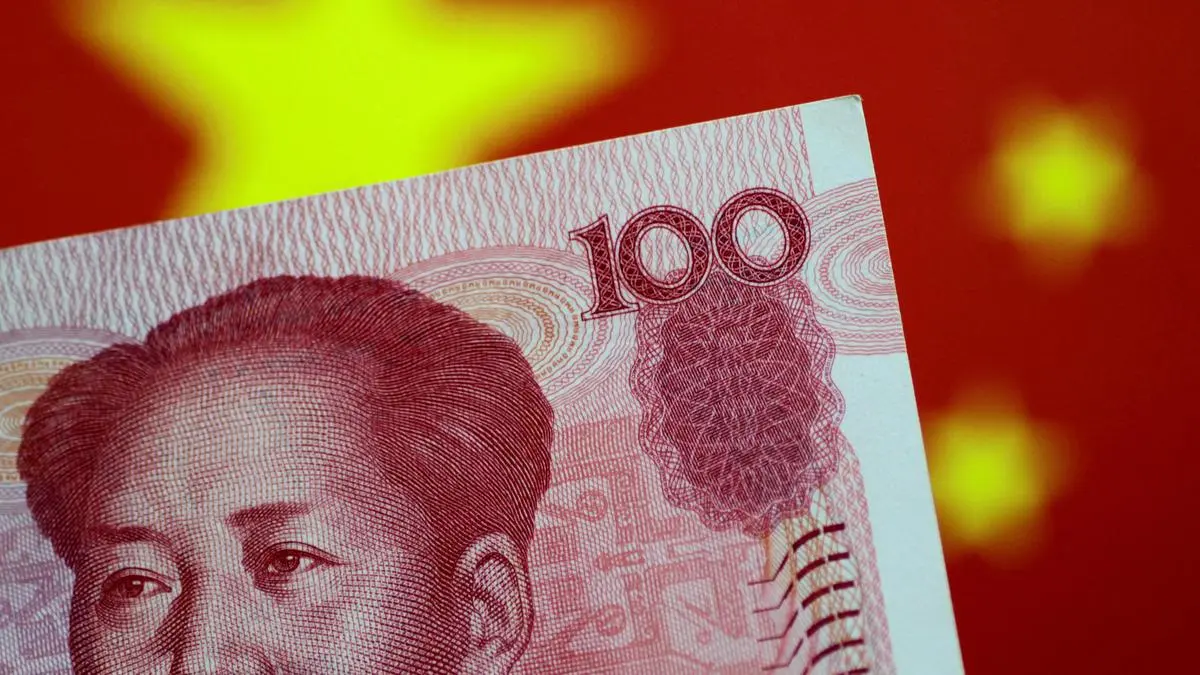
The lender’s view aligns with Beijing’s push to elevate the yuan’s role as a global funding currency, signalling room for continued growth in issuance and liquidity for foreign issuers in China’s onshore bond market.
| Photo Credit:
THOMAS WHITE

China’s onshore bond market, backed by ample liquidity and a stable currency, is emerging as an attractive funding source for developing economies, according to the BRICS-led New Development Bank.

With borrowing costs low, the Chinese bond market “is now one of the most cost-effective funding sources in the world,” Zhongxia Jin, the bank’s director general for treasury and portfolio management, said in Beijing on Tuesday. “We don’t just see the Chinese bond market as a source for cheap cash, we see this market as the future of local currency finance.”

Yuan-denominated funding, Jin added, provides a natural hedge for projects in local currencies, particularly across the Global South, which includes India, Indonesia and the Philippines, as well as Brazil and other parts of Latin America. Such financing is especially suited to initiatives like the green transition.

The lender’s view aligns with Beijing’s push to elevate the yuan’s role as a global funding currency, signalling room for continued growth in issuance and liquidity for foreign issuers in China’s onshore bond market.

“Chinese bond market is no longer just an alternative asset class, it tends to become a key pillar of global financial architecture,” Jin said, citing lower funding costs and relative currency stability.

New Development Bank sold five yuan-denominated notes totalling 25 billion yuan ($3.6 billion) last year, the largest annual issuance since it began tapping the market in 2016, according to data compiled by Bloomberg. In its latest deal late last year, the bank extended panda bond maturities to 10 years for the first time, signaling a push to secure longer-term funding.

New Development Bank was established by BRICS members Brazil, Russia, India, China and South Africa, according to the bank’s website.

More stories like this are available on bloomberg.com

Published on April 1, 2026


Source link

Google rolls out AI Inbox feature to organise emails in Gmail: Report

Google rolls out AI Inbox feature to organise emails in Gmail: Report


Google is reportedly rolling out AI Inbox in Gmail for AI Ultra users in beta. Google first announced the feature in January, and 9To5Google reported that the AI Inbox feature is now rolling out to select users for testing. The AI Inbox feature lets users reduce clutter by organising messages into smart summaries, highlighting urgent tasks, and surfacing key updates. 


At the time of the announcement, Google also said that it will be adding AI Overviews in Gmail search and Proofread for advanced grammar, tone, and style checks.


What is AI Inbox and how it works


According to 9To5Google, AI Inbox appears as a separate section above the regular inbox on the web. Instead of showing emails in the usual time-based order, it organises them into a simple, easy-to-read summary of important updates. This means users can quickly understand what needs attention without opening each email individually. 


At the top, users are shown a greeting along with a timestamp indicating the latest refresh. Just below, Gmail highlights “Suggested to-dos,” featuring actionable items such as bill payments, reminders, or urgent tasks. Each item is linked to the relevant email and comes with a checkmark option, making it easy to track and manage tasks quickly. 


Less urgent updates are grouped under a “Topics to catch up on” section. This includes categories such as events, travel plans, or health-related updates, making it easier to skim through information. 


Google said the feature also identifies priority contacts or “VIPs,” based on user behaviour, such as frequent conversations and saved contacts. This is supposed to help important emails stand out automatically. 


The AI Inbox is powered by Gemini 3 and runs in what Google calls an “engineered privacy” environment, as per 9To5Google. According to the company, user data stays within a secure processing space and is not used to train AI models. Users can also disable AI features anytime through settings. 


Availability


According to the report, the AI Inbox feature was first tested with select users earlier this year and is now entering beta for Google AI Ultra subscribers. The AI Ultra subscription is priced at Rs 24,999 per month.


Source link

Zaggle Prepaid shares rally 16% on robust FY27 revenue guidance, Fanuc deal

Zaggle Prepaid shares rally 16% on robust FY27 revenue guidance, Fanuc deal


Zaggle Prepaid share price: Shares of Zaggle Prepaid Ocean Services, a SaaS and FinTech solutions company, surged around 16 per cent to hit an intraday high of ₹217.51 on the NSE. This comes after the company said it expects standalone revenue growth of 25-30 per cent in FY27, while consolidated revenue growth is projected at around 40 per cent.


“In light of our strong performance and the momentum we are witnessing across our business segments, we currently project our standalone FY27 growth to range between 25-30 per cent and our consolidated FY27 growth to be around 40 per cent,” the company said in an exchange filing.


Around 11:00 AM, Zaggle Prepaid stock was trading at ₹215.60, up 15 per cent against the previous session’s close of ₹187.47. In comparison, the benchmark NSE Nifty50 was quoting at 22,757.15 levels, up 425.75 points or 1.91 per cent.


The stock’s 52-week high was at ₹469.80, and its 52-week low was at ₹186 on the NSE. Its total market capitalisation stood at ₹2,896 crore. 


The company also said that its focus this year remains on optimising working capital cycles to ensure superior cash flow performance, drive revenue growth through a strategic mix of new customer acquisition and existing portfolio cross-selling, and expand its margin profile backed by operating leverage and AI-driven efficiency.


Additionally, Zaggle Prepaid Ocean Services has signed a five-year agreement with Fanuc India, under which it will deploy its Zaggle Save employee expense management and benefits solution for the industrial automation company. However, the financial terms of the contract were not disclosed. 


On March 31, 2026, the company announced the successful completion of its acquisition of a 100 per cent equity stake in Rivpe Technology. RTPL has now become a wholly owned subsidiary of Zaggle with effect from March 30, 2026. Further, Omnicash Fintech, a wholly owned subsidiary of RTPL, has now become a step-down wholly owned subsidiary of the company.


In the October-December quarter of fiscal 2025-26 (Q3FY26), Zaggle reported a revenue of ₹497.6 crore, up 47.9 per cent year-on-year (Y-o-Y) growth, with adjusted Ebitda of ₹51.3 crore, crossing the ₹50 crore mark for the first time in its history. The company’s profit after tax (PAT) came in at ₹36 crore, reflecting Y-o-Y growth of 77.7 per cent.


Source link

YouTube
Instagram
WhatsApp