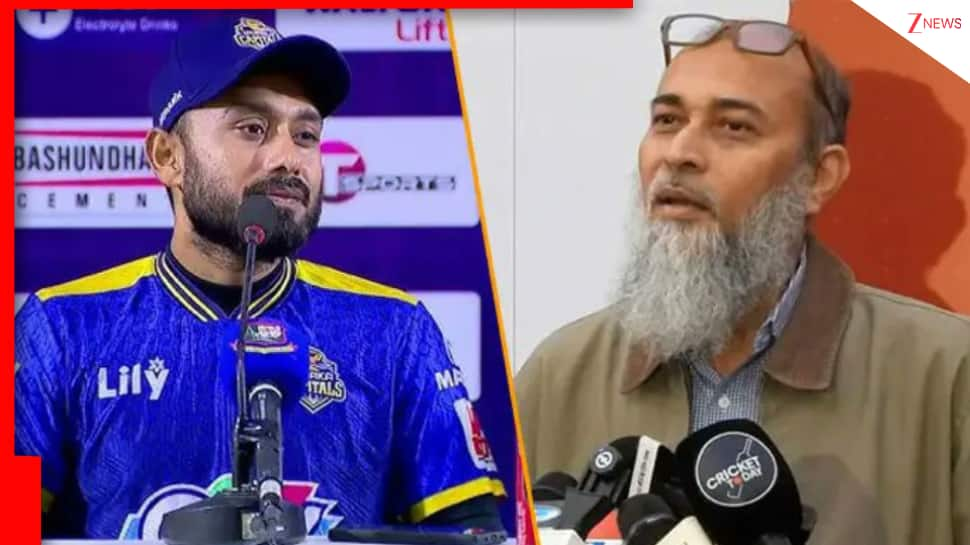
In a dramatic turn of events that has shaken the foundations of the national sport, the Bangladesh Cricket Board has officially sacked director Nazmul Islam. The decision came during an emergency board meeting on Thursday afternoon, as reported by Prothom Alo, following a widespread boycott by professional players during the ongoing Bangladesh Premier League (BPL).
The Spark of the Rebellion
The crisis reached its peak on the morning of January 15 at the Sher-e-Bangla National Cricket Stadium. Players from the Chattogram Royals and Noakhali Express refused to take the field for their scheduled encounter, leading to an indefinite delay of the toss. This protest was a direct response to inflammatory remarks made by Nazmul Islam on Wednesday, where he publicly demanded that players return the “crores of crores of taka” that the board had invested in them.
Solidarity Among the Ranks
The Cricketers Welfare Association of Bangladesh (CWAB) spearheaded the movement, with president Mohammad Mithun stating that the director’s comments had deeply “hurt” the entire cricket fraternity. Leading international stars, including Najmul Hossain Shanto and Mehidy Hasan Miraz, stood in firm solidarity with the boycott.
Initially, the BCB attempted to mitigate the situation by issuing a statement confirming that formal disciplinary proceedings had commenced against Islam. However, the playing group remained adamant, refusing to resume the tournament until a permanent administrative change was made. Faced with a complete shutdown of their flagship T20 league, the board moved to terminate Islam’s directorship.
Broader Context: The T20 World Cup Standoff
This internal administrative collapse coincides with a deepening diplomatic rift involving the BCB, the BCCI, and the ICC. The tension stems from Bangladesh’s refusal to play their 2026 T20 World Cup group stage matches in India. While the ICC rejected an initial request to relocate the fixtures to Sri Lanka, the BCB has persisted by sending a second formal letter.
In this latest correspondence, the board reiterated their stance by citing massive security concerns for both the national squad and the traveling supporters. As the global cricket body deliberates on a response, the sacking of Nazmul Islam serves as a temporary resolution to the internal player strike, even as the international scheduling crisis remains unresolved.







