Trump shares article suggesting option with him to enforce naval blockade on Iran

Trump shares article suggesting option with him to enforce naval blockade on Iran


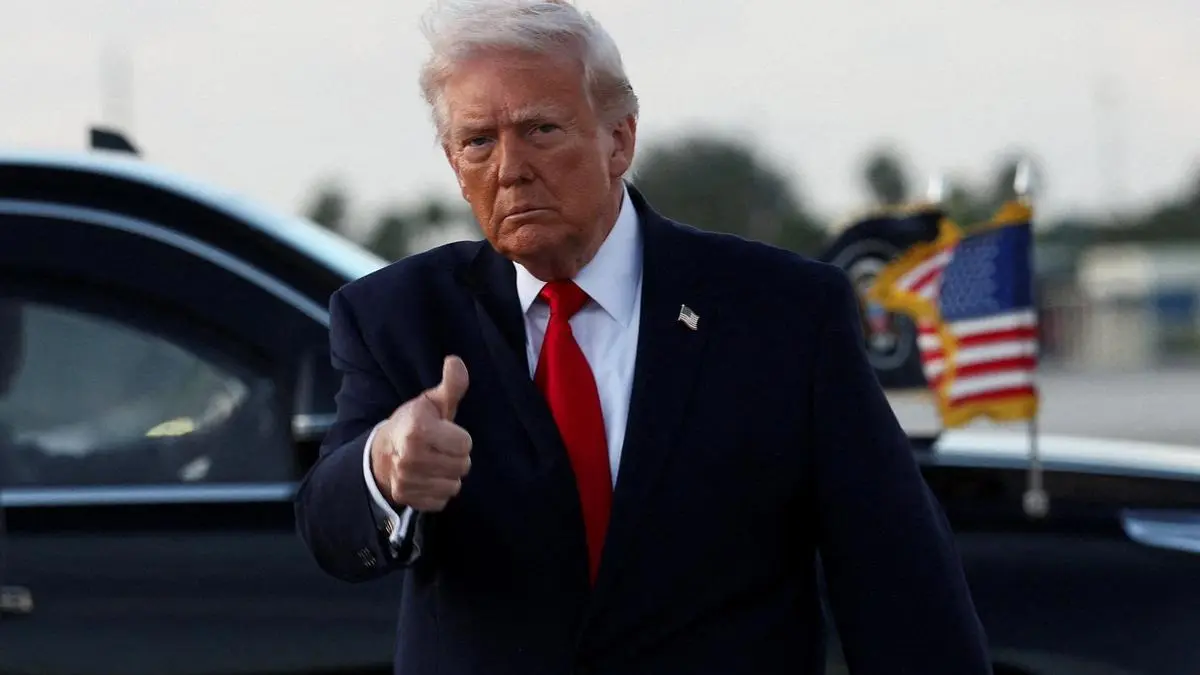
US President Donald Trump
| Photo Credit:
REUTERS

US President Donald Trump has shared an article suggesting that the option of enforcing a naval blockade was available in context of Iran as peace talks ended in a stalemate in Islamabad after differences of opinion arose between the two parties on the Strait of Hormuz and Iran’s nuclear capacities. The US President shared the article in a post on Truth Social on Sunday.

The article posted by outlet Just the News cited experts who said that Trump could “out-blockade” Iran’s hold over the strait of Hormuz and recalled US military ops in Venezuela earlier this year as an example where with a naval blockade impacted the country’s economy.

The piece noted how the USS Gerald Ford carrier, which led the Venezuelan blockade is now in the Persian Gulf and has joined the USS Abraham Lincoln and other major naval assets. “It would be very easy for the US Navy to exert complete control over what does and does not go up and down the Strait now,” the Lexington Institute’s national security expert Rebecca Grant told Just the News.

“I’ve heard about 10 ships have moved in the last 24 hours. One of them was a reflagged Russian tanker, and we know that cargos have gone out to China, to India, and we’ve seen some inbound traffic. If Iran gets intransigent, then absolutely, the US Navy can set up with great overwater surveillance … and watch everything that goes in and out of that Strait and you’ll have to ask the US Navy if you want to move past Kharg Island or past that narrow part by Oman,” she said as per Just the News. Peace remains elusive as JD Vance departed from Islamabad after hitting a gridlock in talks with Iran.

“We’ve had a number of substance agreements with the Iranians- that is the good news. The bad news is that we have not reached an agreement. That is bad news for Iran, much more than it is bad news for the United States of America”, Vance told reporters in Islamabad.

Meanwhile, Iran’s Head of Center for Public Diplomacy and Spokesperson Esmaeil Baqaei, on Sunday, said that Iran’s negotiators are employing all their capabilities, adding that the success of the efforts depends on the acceptance of Iran’s legitimate rights and interests.Baqaei said that Iran’s heavy losses have made its resolve stronger than ever and that it uses all its tools to secure its national interests.

“Nothing can or should deter us from pursuing our great historical mission toward our beloved homeland and noble Iranian civilization. The Islamic Republic of Iran is determined to utilize all tools, including diplomacy, to secure national interests and protect the country’s well-being,” he said.

“In the past 24 hours, discussions were held on various dimensions of the main negotiation topics, including the Strait of Hormuz, the nuclear issue, war reparations, lifting of sanctions, and the complete end to the war against Iran and in the region. The success of this diplomatic process depends on the seriousness and good faith of the opposing side, refraining from excessive demands and unlawful requests, and the acceptance of Iran’s legitimate rights and interests,” he added.

Meanwhile, security situation continues to evolve in West Asia. Al Jazeera Breaking reported on Sunday that Israel intercepted drones launched from Lebanon. Smoke was also seen rising from Beirut suburbs on Sunday as per Reuters.

As the situation develops, Tasnim News Agency said on Sunday citing an informed source that Iran has offered reasonable proposals in the negotiations held in Islamabad, adding that the ball is now in the US court.

Published on April 12, 2026


Source link

AI to reduce uncertainties and expand opportunities – RBI DG

AI to reduce uncertainties and expand opportunities – RBI DG


The emerging role of AI in the financial ecosystem should reduce uncertainties and expand opportunities for all stakeholders to advance inclusion, maximise efficiency and strengthen trust” said J.Swaminathan, Deputy Governor of Reserve Bank of India.

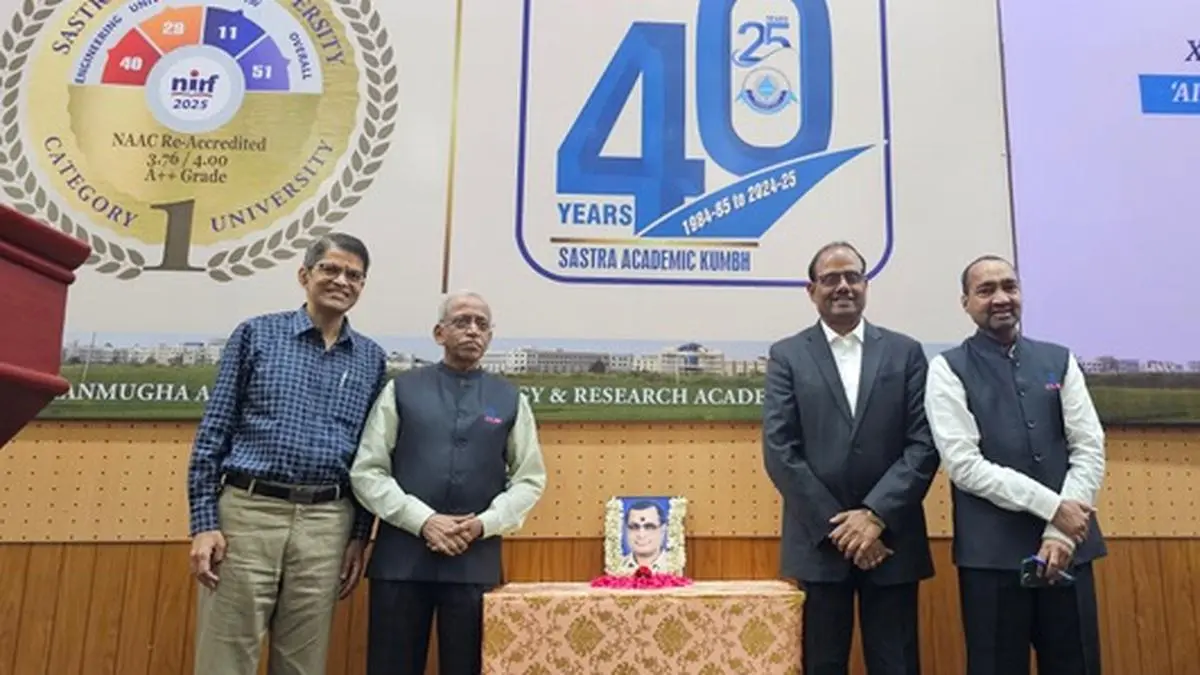
Delivering the 20th CUB V Narayanan Memorial Lecture at SASTRA Campus in Thanjavur, the DG of RBI laid down a five-point charter guidelines for full-scale AI adoption in the Financial & Banking industry. These include human responsibility, fairness & explainability, strong data governance, institutional adoption maturity and inclusivity by design. These five points ensure fair outcomes, transparency, humane approach, democratisation and risk prevention said the DG.

Speaking on the topic “AI in Finance – What can Change and what should not” the Deputy Governor shared valuable insights on customer & data sensitivities, non-isolation of small borrowers & malicious automation besides highlighting the need for human responsibility & accountability for AI assisted decisions. “Financial decision making cannot be a back box theory and it requires tremendous institutional responsibility” said the DG.

The lecture was attended by the Chairman & Board of Directors of City Union Bank, other banking professionals & executives from various banks, faculty & staff of SASTRA. S Vaidhyasubramaniam, Vice-Chancellor, SASTRA University welcomed the gathering and N Kamakodi, MD & CEO of City union bank proposed the vote of thanks, says a release.

Published on April 12, 2026


Source link

इनकट टैक्स भरने वाले ध्यान दें, TRACES 2.0 पोर्टल लॉन्च, अब चुटकियों में होगा आपका काम

इनकट टैक्स भरने वाले ध्यान दें, TRACES 2.0 पोर्टल लॉन्च, अब चुटकियों में होगा आपका काम


Income Tax: आयकर विभाग ने हाल ही में TDS/TCS से संबंधित सेवाओं के लिए एक नया पोर्टल लॉन्च किया है. पिछले हफ्ते ही डिपार्टमेंट की ने TRACES (टीडीएस रिकॉन्सिलिएशन एनालिसिस एंड करेक्शन इनेबलिंग सिस्टम) 2.0 पोर्टल लॉन्च किया है. ये पोर्टल एक डिजिटल प्लेटफॉर्म है, जिसे आयकर अधिनियम 2025 के अनुसार TDS अनुपालन को व्यवस्थित करने के लिए डिजाइन किया गया है. इस पोर्टल की मदद से जनता के लिए अपना क्लेम करना आसान हो जाएगा.

कैस है पोर्टल?
आयकर विभाग की ये नई वेबसाइट traces.tdscpc.gov.in है, इस वेबसाइट को अपने सिस्टर पर अपयोगकर्ता आसानी से खोल सकते हैं. इस नए पोर्टल का इंटरफेस पूरी तरह से नया बनाया गया है. इसे पहले से ज्यादा बेहतर और आसान बनाया गया है. जिससे उपयोगकर्ता को बेहतर अनुभव, आसान नेविगेशन और ज्यादा अच्छा काम करने को मिले. इस नए पोर्टल में आपके TDS फॉर्म, TDS सर्टिफिकेट डाउनलोड करने, TDS क्रेडिट ट्रैक करने और सुधार सबमिट करने के लिए एक डैशबोर्ड भी है.

TRACES पोर्टल को कैसे कपेंगे उपयोग?

  • इसके लिए सबसे पहले आपको अपने कमप्यूटर या लेपटॉप ओपन करना होगा. इसके बाद गूगल क्रोम या जो भी आप सर्च इंजर इस्तेमाल करते हैं उसे खोलना होगा.
  • इसके बाद ऊपर की तरफ सर्च बार में traces.tdscpc.gov.in लिखकर एंटर कर देंगे. आपके सामने TRACES की नई वेबसाइट खुल जाएगी.
  • अगर आप पुराने TRACES वेबसाइट को भी खोलेंगे तो भी ये लिंक आपको नए पोर्टल पर ही लेकर जाएगी.
  • इसके अलावा NRI टैक्स पेयर्स के लिए nriservices.tdscpc.gov.in एक अलग TRACES पोर्टल भी उपलब्ध कराया गया है.

प्रॉपर्टी खरीदने वाले नहीं कर पाएंगे इस्तेमाल
एक्सपर्ट्स के मुताबिक प्रॉपर्टी खरीदने वाले लोग टीडीएस जमा करने के लिए TRACES 2.0 पोर्टल का इस्तेमाल नहीं कर पाएंगे. इसके अलावा उन्होंने ये भी बताया कि आयकर अधिनियम, 2025 के तहत TRACES 2.0 का उपयोग अच्छे से करने के लिए, टैक्स पेयर्स को नियमित रूप से अपने डैशबोर्ड पर टीडीएस क्रेडिट करना चाहिए. प्रमाणपत्रों को तुरंत डाउनलोड और एडिट करना, सही टैक्स इयर का उपयोग, सुधार के लिए निर्धारित समय सीमा के अंदर किसी भी त्रुटि को ठीक करने के लिए तत्काल कार्रवाई की जा सकेगी.


Source link

TCS कर्मचारियों की चांदी, इस साल मिल सकता है ‘Double-Digit’ सैलरी इंक्रीमेंट

TCS कर्मचारियों की चांदी, इस साल मिल सकता है ‘Double-Digit’ सैलरी इंक्रीमेंट


मिडिल- ईस्ट में चल रही वॉर का असर हर जगह देखने को मिल रहा है. जिसके चलते दुनियाभर में भी मंदी का दौर देखने को मिल रहा है. इसी बीच देश की सबसे बड़ी IT कंपनी TCS (टाटा कंसल्टेंसी सर्विसेज) ने अपने कर्मचारियों को बड़ा तोहफा देने का मन बना लिया है. कंपनी ने हाल ही में ऐलान किया है वो अपने कर्मचारियों की सैलरी बढ़ाने वाली है. यानी इस बार कंपनी अपने कर्मचारियों का ‘डबल डिजिट’ इंक्रिमेंट करने वाली है.

कर्मचारियों को मिला इंक्रिमेंट
TCS ने हाल ही में ऐलान किया है कि वो अपने सभी जॉब रोल्स और ग्रेड के कर्मचारियों की सैलरी बढ़ा दी जाएगी. ये इंक्रिमेंट 1 अप्रैल 2026 से लागू होगा. ये घोषणा कंपनी के चौथे तिमाही (Q4) के नतीजे आने के बाद आई है. जिसमें टीसीएस ने मुनाफे में 29 प्रतिशत की बढ़त दर्ज की है. ये कदम ऐसे समय में उठाया गया है जब आईटी कंपनीज में वेतन बढ़ोतरी, भर्ती की मांग और नौकरी पर कड़ी नजर रखी जा रही है. 

कंपनी ने किया कंफर्म
कंपनी की तरफ से बताया गया है कि, कंपनी सालाना सैलरी इंक्रीमेंट को 1 अप्रैल से लागू कर रही है. उन्होंने ये भी बताया कि चौथी तिमाही में कंपनी ने अनुभवी टैलेंट और कैंपस हायरिंग के जरिए अपनी टीम को और मजबूत किया है. कंपनी की प्राथमिकता अब ‘AI फर्स्ट कल्चर’ बनाने की है, जिससे कर्मचारी भविष्य की जरूरतों और एआई स्किल्स के लिए पूरी तरह तैयार रहें.

कंपनी के बारे में
वित्तीय वर्ष 2026 के आखिर में TCS के पास 584,519 कर्मचारी थे. कंपनी ने ये भी बताया कि मार्च तिमाही में कुल कर्मचारियों की संख्या में 2,000 से ज्यादा हो गए. इसके अलावा नोकरी छोड़ने वालों संख्या भी 13.5 प्रतिशत से बढ़कर 13.7 प्रतिशत हो गई है. हालांकि ये मामूली सी बढ़त है, जिससे कोई ज्यादा फर्क नहीं पड़ता है.

ये भी पढ़ें:

DA Hike: इस राज्य में कर्मचारियों की मौज, अब मिलेगा 52.8% महंगाई भत्ता, एरियर भी देगी सरकार


Source link

Delhi EV Policy: Electric 3-Wheelers Only by 2027, 2-Wheelers by 2028

Delhi EV Policy: Electric 3-Wheelers Only by 2027, 2-Wheelers by 2028


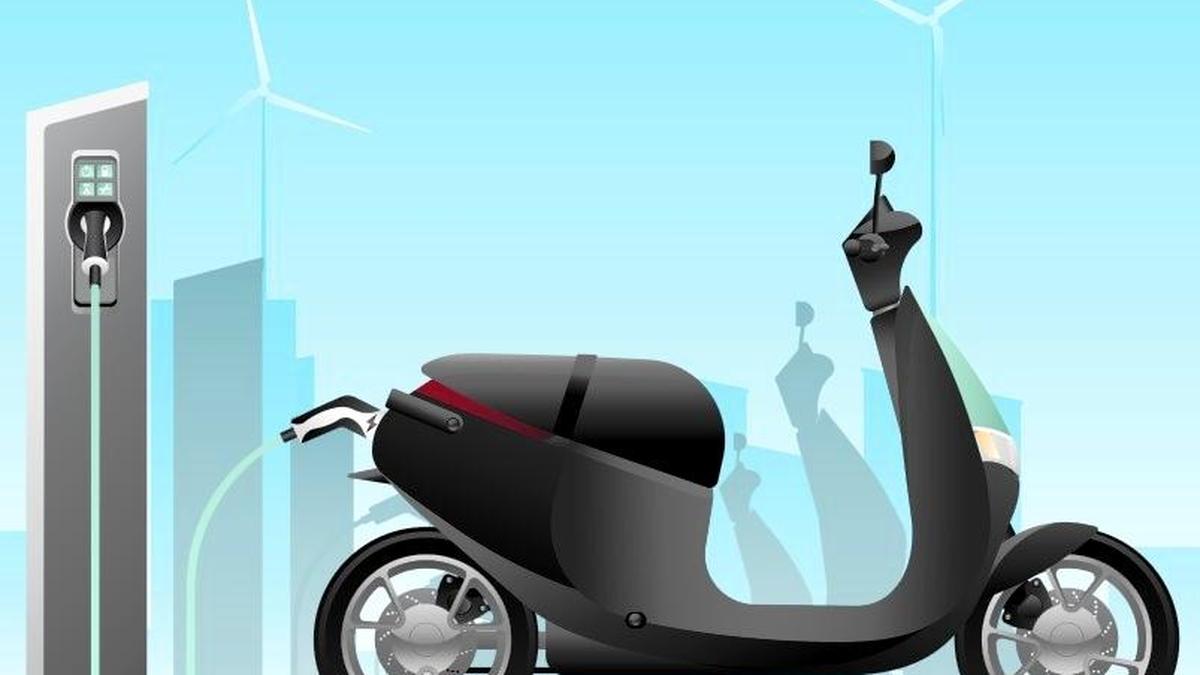
Electric two-wheelers will be eligible for incentives of up to ₹10,000 per kWh, capped at ₹30,000 in the first year, with support declining to ₹6,600 per kWh and ₹3,300 per kWh in subsequent years
| Photo Credit:
Scharfsinn86

The Delhi government on Saturday released a draft electric vehicle (EV) policy proposing that new registrations will be restricted to electric three-wheelers starting January 2027 and electric two-wheelers from April 2028, marking a shift from incentives-led adoption to a deadline-driven transition.

The draft Delhi EV Policy 2026–2030 sets clear electrification targets for key vehicle segments, supported by a combination of subsidies, scrappage incentives and tax exemptions aimed at accelerating early adoption.

Two- and three-wheelers are central to the policy, as they account for the majority of vehicles in Delhi and see high daily utilisation. Two-wheelers alone make up nearly 67 per cent of the city’s vehicle stock, making their electrification critical to the government’s emissions strategy.

Uday Narang, founder and chairman of electric three-wheeler maker Omega Seiki Mobility, said the policy strengthens the economic case for EV adoption. “The Delhi EV Policy 2026–2030 is a timely and well-calibrated intervention that reinforces the shift towards clean and sustainable mobility. By focusing on high-usage segments like two- and three-wheelers and backing it with strong incentives, scrappage benefits and tax exemptions, the policy significantly strengthens the total cost of ownership advantage for electric vehicles,” he said.

To accelerate adoption ahead of the deadlines, the policy introduces a front-loaded incentive structure that tapers over three years. Electric two-wheelers will be eligible for incentives of up to ₹10,000 per kWh, capped at ₹30,000 in the first year, with support declining to ₹6,600 per kWh and ₹3,300 per kWh in subsequent years. Electric three-wheelers will receive ₹50,000 in the first year, reducing to ₹40,000 and ₹30,000 over the next two years, while N1 category electric goods vehicles will be eligible for incentives of up to ₹1 lakh initially.

The policy also links incentives to scrappage, offering benefits for replacing BS-IV and older vehicles within a defined timeframe, signalling a push towards faster fleet replacement.

In a key fiscal shift, the policy caps eligibility for road tax and registration fee exemptions for electric cars at an ex-showroom price of ₹30 lakh. Vehicles above this threshold will not receive any exemption, while strong hybrid vehicles below the cap will be eligible for a 50 per cent concession.

Industry executives welcomed the targeted approach. Hemant Kabra, founder and managing director of electric two-wheeler maker BGauss Electric, said the policy aligns with existing EV economics. “The policy rightly focuses on segments where EV economics already make sense. The combination of early incentives and clear timelines will drive faster adoption, particularly in two-wheelers, where price sensitivity and running costs are critical.”

Beyond demand incentives, the draft policy introduces obligations for manufacturers and infrastructure providers. Original equipment manufacturers will be required to deploy charging infrastructure at dealerships, while Delhi Transco Ltd will act as the nodal agency for planning and rolling out a city-wide charging and battery-swapping network, supported by a single-window clearance system.

For commercial mobility, the draft policy focuses on delivery and logistics fleets rather than passenger ride-hailing services. It bars the induction of new petrol and diesel two-wheelers and light goods vehicles into aggregator fleets from January 2026, with a limited transition window for BS-VI two-wheelers. Passenger vehicle fleets, however, are not subject to direct electrification mandates or targeted incentives under the draft, with the transition expected to be market-driven. “The Draft Delhi EV Policy 2026 is a strong and progressive step towards accelerating EV adoption, especially in commercial mobility,” said Sahil Jindal, co-founder and chief growth officer at Trevel. “Incentives like road tax waivers and support for charging infrastructure make EVs more viable for both consumers and fleet operators. However, the real impact will depend on execution—ease of operations, reliable charging access, and clear transition timelines will be key for large-scale adoption.”

Published on April 11, 2026


Source link

Islamabad talks: US and Iran begin negotiations aimed at ending West Asia conflict

Islamabad talks: US and Iran begin negotiations aimed at ending West Asia conflict


The US and Iran began Pakistan-brokered peace talks on Saturday, the Iranian media said as the world awaits a breakthrough to end the West Asia conflict that has paralysed global energy markets and caused widespread economic disruptions.

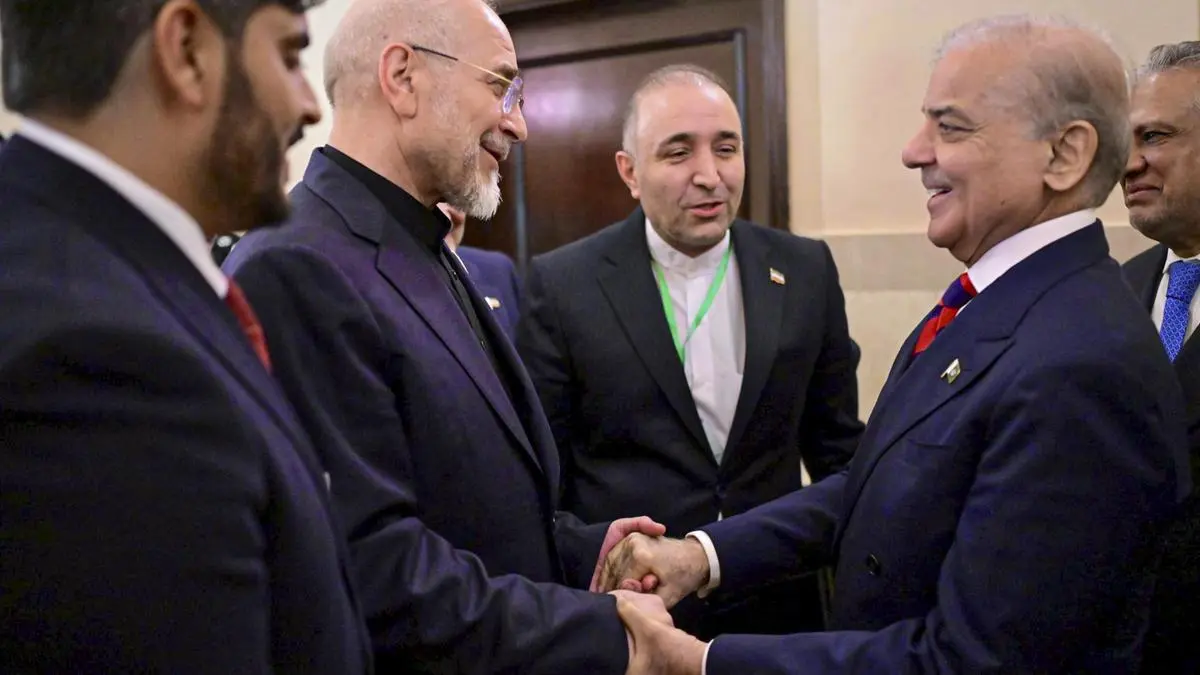
Ahead of their high-stakes negotiations in Islamabad, the US delegation led by Vice President JD Vance and the Iranian team headed by Parliament Speaker Mohammad Bagher Ghalibaf held separate meetings with Pakistan Prime Minister Shehbaz Sharif.

US Vice-President JD Vance meets Pakistani Prime Minister Shehbaz Sharif, in Islamabad on Saturday.
| Photo Credit: ANI

There is no official word yet on the start of the direct Iran-US talks. Pakistani officials had indicated that the negotiations are slated to be held in the Serena Hotel, which has been placed under a heavy security lockdown.

Pakistan-mediated negotiations between Iran and the US commenced in Islamabad, the Iranian media reported without sharing any details.

While Vance is accompanied by Special Envoy Steve Witkoff and Jared Kushner, President Donald Trump’s son-in-law, the Ghalibaf-led Iranian delegation comprised Foreign Minister Abbas Araghchi, Supreme National Defence Council Secretary Ali Akbar Ahmadian and Central Bank Governor Abdolnaser Hemmati.

The two sides travelled to Islamabad for the talks, four days after Iran and the US announced a two-week ceasefire. However, a massive wave of Israeli strikes on Lebanon, killing more than 300 people, has left the truce in tatters.

While Tehran claimed the assault violated the terms of the ceasefire understanding, the US and Israel said Lebanon was not part of the deal.

Earlier, both delegations were received at the Nur Khan airbase by Deputy Prime Minister Ishaq Dar, Army Chief Field Marshal Asim Munir and Minister for Interior, Syed Mohsin Raza Naqvi.

In his meeting with the Iranian delegation, Prime Minister Sharif affirmed Pakistan’s sincere resolve to continue playing its role as a mediator towards achieving meaningful results from the peace talks.

Sharif, during his meeting with the American delegation, expressed hope that the talks between the US and Iran would lead to durable peace in West Asia.

In a related development, Mohammad Reza Aref, Iran’s first vice president, said the peace talks could produce a deal if the American side worked in the interest of the US in sync with President Donald Trump’s America First approach.

“However, if we face representatives of ‘Israel First’, there will be no deal,” he said on social media.

Aref cautioned that the world will face “greater costs” if there was no peace deal.

Iran’s semi-official Tasnim news agency earlier reported that negotiations between Iran and the US will not begin until Tehran’s “preconditions,” including stopping Israeli hostilities against Lebanon and de-freezing of Iranian assets are met.

Quoting an “informed source”, it later claimed that the American side has agreed to release Iran’s frozen assets. However, there is no confirmation yet on the report.

Parliament Speaker Mohammad Bagher Ghalibaf shared a photo from inside the aeroplane while en route to Pakistan. In the photograph, he is seen standing in front of images of the Minab School students killed in strikes, which were placed on the aeroplane seats.

“My companions on this flight — Minab 168,” Ghalibaf posted on social media with the photograph.

US President Donald Trump has already cautioned that the US will resume its military action against Iran if the talks do not produce a peace deal.

Before departing for Pakistan, Vance said he was looking forward to the negotiations and hoped they would be “positive”.

“As the US President said, if the Iranians are willing to negotiate in good faith, we’re certainly willing to extend an open hand. If they’re going to try to play us, they’re going to find that the negotiating team is not that receptive,” Vance said before boarding his plane for Islamabad.

After his arrival in Islamabad early Saturday, Ghalibaf told reporters about the issue of trust with the US, reminding them of Iran’s past experience with that country.

“Twice within less than a year, in the middle of negotiations, and despite the Iranian side’s good faith, they attacked us,” he said, adding: “We have goodwill, but we do not have trust (in Americans).”

He said if the American side is ready for a “genuine agreement,” then it would see Tehran’s readiness for it.

Iran has laid out a 10-point plan for the talks that included demands for the withdrawal of US forces from West Asia, the lifting of sanctions against Iran, and allowing it to control the Strait of Hormuz.

Pakistan led the diplomatic push to bring the two sides to the table, which became possible after an appeal by Prime Minister Sharif earlier this week, leading to a pause in the fighting.

Iran’s Foreign Minister Araghchi, who held a telephone call with the country’s ambassador to Lebanon Mohammad Reza Shibani, earlier asserted that the US must live up to its ceasefire commitments, which he said included ensuring the truce covers Lebanon.

Iranian President Masoud Pezeshkian said that the Israeli attacks on Lebanon “blatantly violated” the initial ceasefire and would render negotiations meaningless.

A thick security blanket covered Islamabad, which was on ‘red alert’ ahead of the talks.

More than 10,000 police and security personnel have been deployed to ensure multi-layered security for the visiting delegates, officials said.

The Red Zone, housing key buildings, is protected by the army and the Rangers, and only authorised officials and residents are allowed to go through it.

The Iran-US negotiations are being closely watched globally, as their success or failure could have far-reaching implications for West Asia’s security, global energy markets, and international diplomacy.

Published on April 11, 2026


Source link

YouTube
Instagram
WhatsApp