CCL Products looks beyond coffee to emerge as food and beverge FMCG player

CCL Products looks beyond coffee to emerge as food and beverge FMCG player


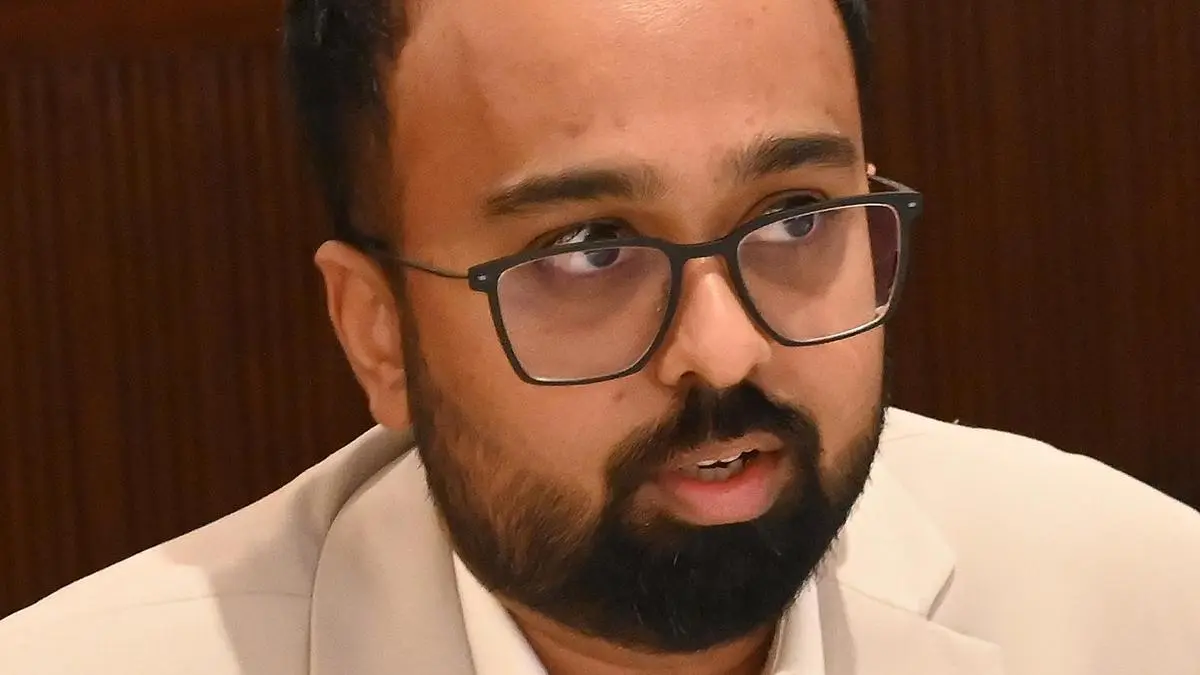
CCL Products (India) Ltd, the country’s largest coffee exporter, is now preparing for its most ambitious transformation yet, evolving beyond coffee into a diversified food and beverage FMCG company. CCL, which sells coffees in the domestic market under brands such as Continental and Malgudi through a distribution network of around 1.5 lakh outlets, is diversifying its product portfolio including products such as tea and snacks.

The company recently launched South Indian snacks under the Malgudi brand. Malgudi began with filter coffee and is now being extended into traditional snacks such as chegodis, muruku, ribbon pakodis and soon, banana chips. The focus is currently on South India, where the brand has natural equity, before expanding nationwide with these snacks, said Praveen Jaipuriar, CEO, CCL Products.

Similarly, CCL had began experimenting with iced tea this summer under its premix brand ‘This,’ especially targeting North India, where coffee consumption is more seasonal. The idea is to leverage existing capabilities such as its institutional vending supply chain, which already includes tea, to build relevant niche offerings in retail, Jaipuriar added.

CCL’s coffee vending business itself has grown into a sizeable vertical of ₹30-40 crore, with the companies supplying machines and premixes to offices, hospitals, educational institutions and even IPL venues.

Practical realisation

CCL’s push towards diversification is driven by a practical realisation — expanding deeper into India’s retail landscape requires more throughput per outlet. Coffee alone cannot support the economics of distribution when entering smaller shops. “If we have to grow our presence from 1.5 lakh outlets to 2.5 or 3 lakh, we need more categories that complement coffee and strengthen the business model,” Jaipuriar said.

The company started experimenting with the cafe model in Hyderabad last year. “I don’t think we have found a big sweet spot there. We’re still experimenting, seeing what model could work, because that’s a tough category,” Jaipuriar said. For now, CCL is focussed on aggressively growing the core coffee business while nurturing new FMCG categories that can take off in the next 2-3 years. “Non-coffee revenues remain below 1% today, but the company believes these seeds will grow into strong revenue engines as scale builds,” Jaipuriar said.

For the first half of current fiscal, CCL reported 19 per cent growth in net profits at ₹173 crore, while its revenues were up 44.5 per cent at ₹2,186 crore. Domestic market accounted for revenues of ₹310-odd crores in the first half, of which ₹210 crore came from the branded business. CCL manufactures coffees for bulk and private labels in the B2B category.

Published on December 12, 2025


Source link

Oracle stock plunges as AI data center spending hits  billion and FY26 capex jumps to  billion

Oracle stock plunges as AI data center spending hits $12 billion and FY26 capex jumps to $50 billion


Oracle Corp. shares plunged the most in almost 11 months after the company escalated its spending on AI data centers and other equipment, rising outlays that are taking longer to translate into cloud revenue than investors want.

Capital expenditures, a metric of data center spending, were about $12 billion in the quarter, an increase from $8.5 billion in the preceding period, the company said Wednesday in a statement. Analysts anticipated $8.25 billion in capital spending in the quarter, according to data compiled by Bloomberg. 

Oracle now expects capital expenditures will reach about $50 billion in the fiscal year ending in May 2026 — a $15 billion increase from its September forecast — executives said on a conference call after the results were released.

Market turns wary

The shares fell 11% to $198.85 at the close Thursday in New York, the biggest single-day decline since Jan. 27. Oracle’s stock had already lost about a third of its value through Wednesday’s close since a record high on Sept. 10. Meanwhile, a measure of Oracle’s credit risk reached a fresh 16-year high.

The latest earning report and share slide marks a reversal of fortunes for a company that just a few months ago was enjoying a blistering rally and clinching multibillion-dollar data center deals with the likes of OpenAI. The gains temporarily turned co-founder Larry Ellison into the world’s richest person, with the tech magnate passing Elon Musk for a few hours.

Cloud growth slows

Known for its database software, Oracle has recently found success in the competitive cloud computing market. It’s engaging in a massive data center build-out to power AI work for OpenAI and also counts companies such as ByteDance Ltd.’s TikTok and Meta Platforms Inc. as major cloud customers. 

Fiscal second-quarter cloud sales increased 34% to $7.98 billion, while revenue in the company’s closely watched infrastructure business gained 68% to $4.08 billion. Both numbers fell just short of analysts’ estimates.

Still, Wall Street has raised doubts about the costs and time required to develop AI infrastructure at such a massive scale. Oracle has taken out significant sums of debt and committed to leasing multiple data center sites. 

Debt pressure builds

The cost of protecting the company’s debt against default for five years rose as much as 0.17 percentage point to around 1.41 percentage point a year, the highest intraday level since April 2009, according to ICE Data Services. The gauge rises as investor confidence in the company’s credit quality falls. Oracle credit derivatives have become a credit market barometer for AI risk.

“Oracle faces its own mounting scrutiny over a debt-fueled data center build-out and concentration risk amid questions over the outcome of AI spending uncertainty,” said Jacob Bourne, an analyst at Emarketer. “This revenue miss will likely exacerbate concerns among already cautious investors about its OpenAI deal and its aggressive AI spending.”

Remaining performance obligation, a measure of bookings, jumped more than fivefold to $523 billion in the quarter, which ended Nov. 30. Analysts, on average, estimated $519 billion.

Investors want to see Oracle turn its higher spending on infrastructure into revenue as quickly as it has promised. 

“The vast majority of our cap ex investments are for revenue generating equipment that is going into our data centers and not for land, buildings or power that collectively are covered via leases,” Principal Financial Officer Doug Kehring said on the call. “Oracle does not pay for these leases until the completed data centers and accompanying utilities are delivered to us.”

“As a foundational principle, we expect and are committed to maintaining our investment grade debt rating,” Kehring added.

Oracle’s cash burn increased in the quarter and its free cash flow reached a negative $10 billion. Overall, the company has about $106 billion in debt, according to data compiled by Bloomberg. “Investors continually seem to expect incremental cap ex to drive incremental revenue faster than the current reality,” wrote Mark Murphy, an analyst at JP Morgan.

“Oracle is very good at building and running high-performance and cost-efficient cloud data centers,” Clay Magouyrk, one of Oracle’s two chief executive officers, said in the statement. “Because our data centers are highly automated, we can build and run more of them.”

This is Oracle’s first earnings report since longtime Chief Executive Officer Safra Catz was succeeded by Magouyrk and Mike Sicilia, who are sharing the CEO post.

High-stakes AI bets

Part of the negative sentiment from investors in recent weeks is tied to increased skepticism about the business prospects of OpenAI, which is seeing more competition from companies like Alphabet Inc.’s Google, wrote Kirk Materne, an analyst at Evercore ISI, in a note ahead of earnings. Investors would like to see Oracle management explain how they could adjust spending plans if demand from OpenAI changes, he added.

In the quarter, total revenue expanded 14% to $16.1 billion. The company’s cloud software application business rose 11% to $3.9 billion. This is the first quarter that Oracle’s cloud infrastructure unit generated more sales than the applications business.

Earnings, excluding some items, were $2.26 a share. The profit was helped by the sale of Oracle’s holdings in chipmaker Ampere Computing, the company said. That generated a pretax gain of $2.7 billion in the period. Ampere, which was backed early in its life by Oracle, was bought by Japan’s SoftBank Group Corp. in a transaction that closed last month.

In the current period, which ends in February, total revenue will increase 19% to 22%, while cloud sales will increase 40% to 44%, Kehring said on the call. Both forecasts were in line with analysts’ estimates.

Annual revenue will be $67 billion, affirming an outlook the company gave in October.

More stories like this are available on bloomberg.com

Published on December 12, 2025


Source link

जल्दी ऑफिस आकर बुरी फंसी लड़की, ऐसा क्या हुआ कि काटने पड़ गए कोर्ट के चक्कर?

जल्दी ऑफिस आकर बुरी फंसी लड़की, ऐसा क्या हुआ कि काटने पड़ गए कोर्ट के चक्कर?


इंसान ऑफिस जाता है और अपनी 8-9 घंटे की ड्यूटी पूरी कर वापस घर लौट आता है. कई बार हम ऑफिस देर या जल्दी पहुंच जाते हैं और उस हिसाब से अपना काम निपटाकर लॉग आउट करते हैं. बात एक या दो दिन की हो, तो कोई दिक्कत नहीं है. लेकिन अगर आप रोज लेट पहुंचे या समय से काफी पहले ही पहुंच जाए, तो इसमें परेशानी वाली बात है, इससे आपको अपनी नौकरी से हाथ भी धोना पड़ सकता है. एक ऐसी ही कर्मचारी की काम से छुट्टी कर दी गई है, जो करीब दो साल से काम पर तय समय से पहले आ जाती थी. 

कोर्ट पहुंचना पड़ा भारी

नौकरी से निकाली गई इस लड़की ने जब अपने टर्मिनेशन को चैलेंज करते हुए कोर्ट का दरवाजा खटखटाया, तो उसमें भी उसे लेने के देने पड़ गए. कोर्ट ने फैसला सुनाया कि एम्प्लॉयर की कोई गलती नहीं है. मेट्रो की रिपोर्ट के मुताबिक, मामला स्पेन का है. यहां की रहने वाली 22 साल की एम्प्लॉई करीब दो साल से बार-बार अपने ऑफिस में 40 मिनट पहले सुबह 6.45 से 7 बजे के बीच पहुंच जा रही थी.

कई बार उसे अपनी शिफ्ट से पहले न आने के लिए कहा गया, जो कि सुबह 7:30 बजे शुरू होती थी. एम्प्लॉयर का कहना है जल्दी ऑफिस पहुंचने के बाद उसके पास करने के लिए कोई काम नहीं होता था. बार-बार ऑफिस जल्दी आने से मना करने के बाद भी लड़की पर कोई असर नहीं पड़ा. सबक सिखाने के लिए उसे नौकरी से निकाले जाने का फैसला लिया गया. 

कंपनी ने लगाया भरोसा तोड़ने का आरोप 

उसके एम्प्लॉयर ने भी उस पर भरोसा तोड़ने का आरोप लगाया। कोर्ट ने फैसला किया कि उसमें कंपनी और अपने काम के प्रति वफादार न रहने का एक पैटर्न देखा गया. एम्प्लॉयर का साथ देते हुए कोर्ट ने कहा कि उसका जल्दी ऑफिस आना कोई मुद्दा नहीं है, बल्कि यह काम की जगह के नियमों का पालन न करने का उसका इनकार था. कोर्ट ने फैसला सुनाया कि उसने स्पैनिश वर्कर्स स्टैच्यूट के आर्टिकल 54 को तोड़ा है. रिपोर्ट्स के मुताबिक, कंपनी के एक और कर्मचारी ने कहा कि स्पैनिश महिला लगातार ऑफिस जल्दी पहुंचकर ‘टीम कोऑर्डिनेशन’ में रुकावट डालती थी.


ये भी पढ़ें:

गजब कमाल कर गए ये स्टॉक्स, गिरते बाजार में भी बनाया 52-वीक का अपना नया हाई लेवल


Source link

AWS to invest USD 7 billion in Telangana for 14-year cloud expansion

AWS to invest USD 7 billion in Telangana for 14-year cloud expansion


A. Revanth Reddy
| Photo Credit:

The Telangana government and Amazon Web Services (AWS) have signed an agreement under which the latter will invest USD 7 billion for a massive expansion of cloud data center infrastructure over the next 14 years.

As part of the agreement signed during the Telangana Rising Global Summit held on December 8 and 9, the state government will extend a comprehensive set of facilitation measures, infrastructure support, and ease-of-doing-business interventions to enable AWS to rapidly scale its data center footprint here, an official release said on Thursday.

“With the newly announced USD 7 Billion expansion over the next 14 years, the Hyderabad AWS Region will play a central role in powering cloud services, AI, startups, enterprises, and government platforms across India,” it said.

Hailing the investment, Chief Minister A Revanth Reddy said, “We are delighted by the extraordinary confidence shown by global leaders like Amazon in Telangana. The scale of this commitment reflects the trust investors now place in our governance, stability, and long-term vision to propel Telangana to the 3 trillion dollar goal. This is Telangana Rising 2047 in action.” Sandeep Dutta, President of AWS India and South Asia said, “This framework agreement represents our continued commitment to supporting India’s digital transformation and fostering innovation across the region.

“We look forward to contributing to Telangana’s vision of becoming a global technology hub by creating more employment opportunities, supporting local businesses and enabling a skilled workforce that will drive India’s digital economy forward,” he said.

Published on December 11, 2025


Source link

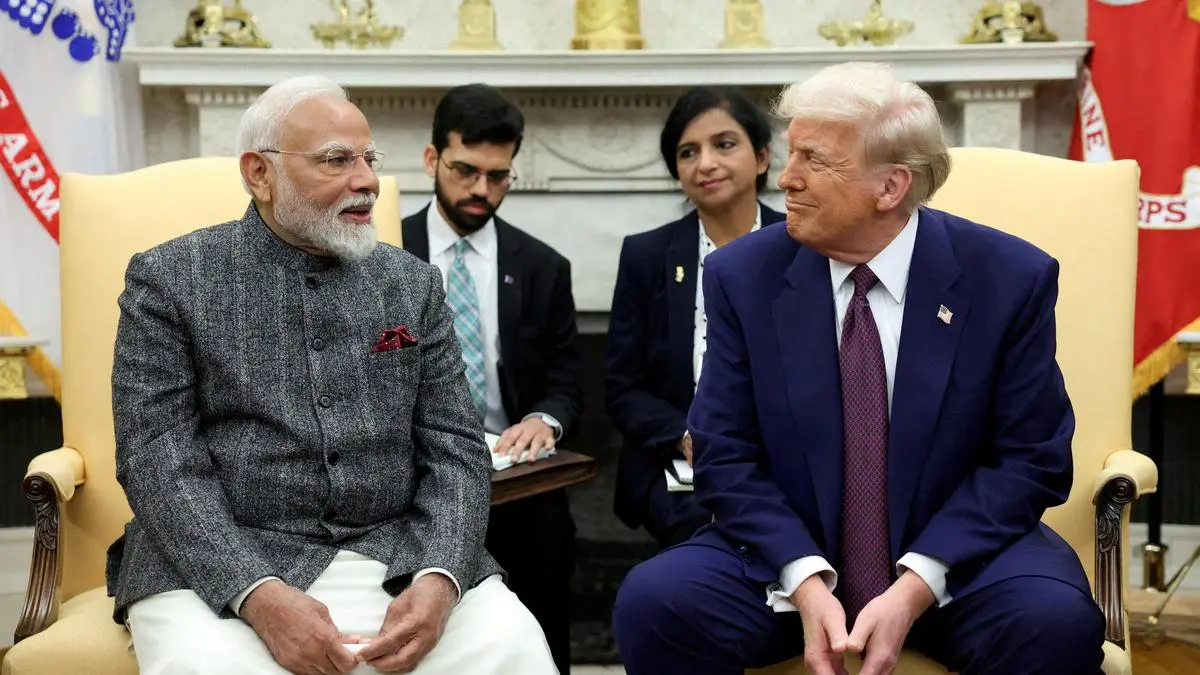
Modi and Trump review India–US ties as trade deal moves closer to completion

Modi and Trump review India–US ties as trade deal moves closer to completion


Prime Minister Narendra Modi and US President Donald Trump held a phone conversation to review bilateral ties and sustain momentum in the India–US economic partnership.
| Photo Credit:
KEVIN LAMARQUE

Prime Minister Narendra Modi and US President Donald Trump on Thursday discussed ways to sustain momentum in the bilateral economic partnership in a phone conversation amid signs of the two sides inching closer to firm up a much-awaited trade deal.

The phone talks between the two leaders came on a day Indian and American negotiators concluded two-day talks on the proposed bilateral trade agreement that is expected to provide relief to India from Trump administration’s whopping 50 per cent tariffs on Indian goods.

In a social media post, Modi described the conversation as “warm and engaging”.

“We reviewed the progress in our bilateral relations and discussed regional and international developments. India and the US will continue to work together for global peace, stability and prosperity,” Modi said without making any reference to trade ties.

US Trade Representative (USTR) Jamieson Greer on Tuesday said without divulging details that the US has received “best” ever offers from India on the proposed trade agreement.

Modi and Trump last spoke in October.

Repairing the relationship

The relations between New Delhi and Washington witnessed a major downturn after Trump doubled tariffs on Indian goods to a whopping 50 per cent in August including a 25 per cent additional duties for India’s purchase of Russian crude oil.

The strain in the relations has been exacerbated by constant criticism of New Delhi by officials in Trump’s administration.

There have been efforts by both sides In the last few weeks to repair the ties.

Modi and Trump reviewed the steady progress in India-US bilateral relations and exchanged views on key regional and global developments, an Indian readout said.

Expanding cooperation

It said the two leaders reiterated that India and the United States will continue to work closely together to advance global peace, stability, and prosperity.

Officials familiar with the phone conversation said Modi and Trump reviewed progress in India-US comprehensive global strategic partnership and exchange views on expanding cooperation in trade, critical technologies, energy, defence and security.

Both leaders agreed to work closely to address shared challenges and advance common interests besides expressing satisfaction at the steady strengthening of bilateral cooperation across all domains, they said.

They also underlined the importance of sustaining momentum in shared efforts to enhance bilateral trade, the officials said.

The leaders also exchanged views on expanding cooperation in critical technologies, energy, defence and security, and other priority areas that are central to the implementation of the India-US COMPACT (Catalyzing Opportunities for Military Partnership, Accelerated Commerce and Technology) for the 21st century, they added.

Modi and Trump also discussed various regional and global developments and agreed to work closely to address shared challenges and advance common interests.

Oil dynamics shift

The US has been putting pressure on India to cut its procurement of Russian crude oil as it believes Moscow is financing its war against Ukraine using the oil revenue.

India turned to purchasing Russian oil sold at a discount after Western countries imposed sanctions on Moscow and shunned its supplies over its invasion of Ukraine in February, 2022.

Consequently, from a mere 1.7 per cent share in total oil imports in 2019-20, Russia’s share increased to 35.1 per cent in 2024-25, and it is now the biggest oil supplier to India.

In the last few weeks, India’s procurement of Russian crude oil has declined following American sanctions on two leading Russian oil giants.

Published on December 11, 2025


Source link

Infosys promoter Shreyas Shibulal sells nearly 20 lakh shares for ₹317 crore

Infosys promoter Shreyas Shibulal sells nearly 20 lakh shares for ₹317 crore


Shreyas Shibulal, Founder and Director of Micelio Mobility and a promoter of Infosys

Shreyas Shibulal, son of former Infosys CEO SD Shibulal and a promoter of the company, has sold nearly 20 lakh equity shares for over ₹316.90 crore, according to a regulatory filing.

In a letter to the BSE, Shreyas disclosed that he sold approximately 19.93 lakh shares in the open market on Wednesday and Thursday, at prices ranging between ₹1,587 and ₹1,592 per share. This sale accounts for 0.05 per cent of the company’s total shares. 

Post-sale, he holds more than 1.79 crore shares, representing 0.44 per cent of Infosys’ total equity. Prior to this transaction, his shareholding stood at 1.99 crore shares, or 0.49 per cent of the company.

Shreyas Shibulal is the Founder and Director of Micelio Mobility. Within the family, he holds the largest stake, followed by Shruti and Kumari Shibulal, who own 0.21 per cent and 0.12 per cent respectively.

Buyback of shares

Parallely, in a board meeting held in September, Infosys approved its largest-ever share buyback worth ₹18,000 crore.

Under this programme, Infosys plans to repurchase 10 crore fully paid-up equity shares with a face value of ₹5 each, representing up to 2.41 per cent of the total paid-up equity capital, at a price of ₹1,800 per share.

Published on December 11, 2025


Source link

YouTube
Instagram
WhatsApp