Marquee investors pump in ₹4,815 cr in ICICI Prudential AMC pre-IPO placement

Marquee investors pump in ₹4,815 cr in ICICI Prudential AMC pre-IPO placement


The initial public offering of ICICI Prudential Asset Management has received ₹4,815 crore investment through a pre-IPO placement from 26 marquee investors including Prashant Jain, the Jhunjhunwala family, Manish Chokani and Madhusudan Kela.

The largest asset management company, in consultation with the book running lead managers to the IPO, has undertaken a private placement of 2.22 crore equity shares for cash consideration, at an issue price of ₹2,165 per equity share.

The offer saw participation from leading names such as Lunate Capital (Abu Dhabi-based sovereign fund), the estate of late Rakesh Jhunjhunwala, The Regents of the University of California – IIFL Asset Management, Sarv Investments, 3P India Equity Fund (managed by Prashant Jain), PI Opportunities Fund – II, 360One Funds, DSP India Fund, Whiteoak Capital India Opportunities Fund, HCL Capital, Manish Chokani and Madhusudan Kela, to name a few.

Insurance companies such as SBI Life Insurance, HDFC Life Insurance, Kotak Life Insurance, Aditya Birla Sun Life Insurance, Bajaj Life Insurance, TATA AIG General Insurance, and Go Digit General Insurance, too, participated in the pre-placement.

Kedaara Capital Public Markets Fund, TIMF Holdings, Malabar India Fund and Clarus Capital I are some of the other investors.

ICICI Bank has also invested ₹2,140 crore for an additional 2 per cent stake in the company.

The IPO is an offer-for-sale of up to 48,972,994 shares by the promoter Prudential Corporation Holdings.

As of September-end, its total mutual fund QAAUM was ₹10.15 lakh crore.

Published on December 11, 2025


Source link

Imports, weak demand weigh on tur prices as new crop hits market

Imports, weak demand weigh on tur prices as new crop hits market


Cheaper imports and weak demand are seen weighing on tur (arhar) prices as the new crop has started arriving in key producing states of Maharashtra and Karnataka. On Wednesday, the Agriculture Ministry has approved the purchase of 9.67 lakh tonnes at minimum support price (MSP) under the price support scheme (PSS) in Karnataka for the 2025-26 season.

Prices of the new tur crop are ruling in the range of ₹6,700-7,700 per quintal in these States — below the minimum support price (MSP) level of ₹8,000.

Based on the proposal received from the Govt of Karnataka for implementation of PSS for procurement of tur in the state during 2025-26 season, the Agriculture Ministry has approved the procurement of 9.67 lakh tonnes for a period of 90 days from the date of commencement of procurement.

“Arrivals of the new crop has started in parts of Karnataka and Maharashtra and would gain pace in the coming weeks. The crop is seen less this year and there are quality issues due to the impact of rains. The prices are seen bearish and early start to the procurement process may lend some support to the prices,” said Rahul Chauhan, of IGrain India.

Per the first advance estimates released by the Agriculture Ministry recently, the production of tur during 2025-26 is projected at 35.97 lakh tonnes, marginally lower than than last year’s 36.24 lakh tonnes.

Pongal demand from South

Nitin Kalantri of Kalantri Food Products in Latur said the demand remains weak. Some demand for tur should come from the South around December 20-25, ahead of the Pongal festival season, while imports from Africa continue to weigh on prices, he said adding that the standing crop looks good in Vidarbha and Marathawada and also in parts of Karnataka.

The prices of imported African tur range between ₹4,900 and ₹5,500, depending on quality, while the new domestic crop is quoted at around ₹6,700-7,700. However, these prices are significantly lower than last year’s levels of about ₹10,000, which farmers were receiving around this time.

Kalantri said the imports from Africa and Myanmar coupled with domestic stocks should keep a check on prices. Imports from Africa are expected to be around 8 lakh tonnes and another 3-4 lakh tonnes from Myanmar.

The expected tur imports during April-September period this year were around 3.97 lakh tonnes compared to 5.53 lakh tonnes in the corresponding period last year, as per IGrain India. During FY24-25, India imported around 12.23 lakh tonnes of tur. Presently, the imports of tur are allowed duty free till March 31, 2026.

Rain Impact

Basavaraj Ingin, President of Karnataka Pradesh Redgram Growers Association, said the excess rains had damaged the crop in most parts of Kalaburgi impacting the quality of the grain. Also, the adverse climate in the recent weeks had impacted the flowering this year, he added.

Trade sources said the crop has started coming from neighbouring districts like Vijayapura, Bagalkote, Yadgir and Bidar among others. The pulses trade, which has seen capital erosion in the past couple of years, is not keen on replenishing the stocks due to the ample availability, a trend which could weigh on the prices.

Published on December 11, 2025


Source link

Muthoot Finance crosses ₹1.5 lakh crore market-cap

Muthoot Finance crosses ₹1.5 lakh crore market-cap


George Alexander Muthoot, Managing Director, Muthoot Finance

Gold loan lender Muthoot Finance has crossed the ₹1.5 lakh crore market-capitalisation milestone, marking one of the fastest phases of shareholder value creation in the NBFC space in recent years.

The company had first crossed the ₹1 lakh crore valuation on June 9, 2025, and added the next ₹50,000 crore in market capitalisation within just five months, supported by consistent business performance, strong profitability and sustained growth momentum in its core gold-loan franchise.

With this milestone, Muthoot Finance has emerged the 59th largest company in India by market capitalisation, and 12th among listed financial services companies.

The total quantity of gold pledged as security increased to 209 tonnes from 199 tonnes a year earlier, and the group’s branch network expanded to 7,524 locations. The company’s capital position remained solid with a 20.89 per cent Capital Adequacy Ratio, supported by stable asset quality and a strong liquidity position.

George Alexander Muthoot, Managing Director, said: “The sharp shareholder value creation in the past few months reflects the market’s recognition of our consistent growth in loan AUM, robust profitability and disciplined approach to gold jewellery-backed lending. With a record half-yearly performance, strong capitalisation and a robust demand outlook, the company remains well-positioned to sustain its growth trajectory through FY26 and beyond…”

Published on December 11, 2025


Source link

Uber ने बेंगलुरु में शुरू की बी2बी लॉजिस्टिक्स सेवाएं, जानें क्या होती है B2B और B2C सेवाएं

Uber ने बेंगलुरु में शुरू की बी2बी लॉजिस्टिक्स सेवाएं, जानें क्या होती है B2B और B2C सेवाएं


Uber B2B Logistics Service: बेंगलुरू में उबर अपनी नई सेवा की शुरुआत करने जा रहा है, जिसके तहत अब उपभोक्ताओं को केएफसी, बर्गर किंग, टाको बेल और रेबेल फूड्स जैसे लोकप्रिय फूड ब्रांड्स से सीधे घर पर खाना मंगवाने की सुविधा मिलेगी. यह सेवा उबर की बी2बी मॉडल पर आधारित है, जिसमें कंपनी अपनी टू-व्हीलर डिलिवरी सर्विस का उपयोग करते हुए ओपन नेटवर्क फॉर डिजिटल कॉमर्स (ONDC) के माध्यम से राजस्व उत्पन्न करेगी.

पहले उबर केवल जेप्टो और केपीएन फार्म फ्रेश के ऑर्डर्स की डिलिवरी संभाल रहा था, लेकिन अब कंपनी ने फूड डिलिवरी को भी अपने दायरे में शामिल कर लिया है. इस सेवा को उबर ऐप पर मेट्रो पार्टनरशिप के साथ लॉन्च किया गया है, जिससे शहर के भीतर टू-व्हीलर डिलिवरी के जरिए तेजी से सप्लाई संभव हो सके.

कैसे दिया जाएगा ऑर्डर?

ऑर्डर देने की प्रक्रिया पूरी तरह ओएनडीसी के सिस्टम पर आधारित है. सबसे पहले सेलर ऐप पर उपभोक्ता का ऑर्डर जनरेट होता है, जिसके बाद यह ऑर्डर उबर के राइडर को अलॉट किया जाता है. दिलचस्प बात यह है कि ग्राहक का इस लेनदेन में उबर से कोई सीधा संपर्क नहीं होता. उबर केवल ओएनडीसी के निर्देशों के अनुसार डिलिवरी पूरी करता है.

इसका मतलब है कि यह सेवा पूरी तरह बिजनेस-टू-बिजनेस (B2B) मॉडल पर चलती है, जहां दो कंपनियों के बीच सेवाओं का आदान-प्रदान होता है. उदाहरण के लिए, किसी सॉफ्टवेयर कंपनी का किसी अन्य कंपनी को CRM बेचना. इसके विपरीत बी2सी (B2C) मॉडल में कंपनी सीधे उपभोक्ताओं को अपनी सेवा या उत्पाद बेचती है, जैसे किसी ई-कॉमर्स साइट से ग्राहक द्वारा कपड़े खरीदना.

बी2बी और बी2सी का अलग टारगेट

बी2बी और बी2सी के बीच सबसे बड़ा अंतर उनके टारगेट कस्टमर और मार्केटिंग रणनीति में होता है. बी2सी में लेनदेन तेज और तत्काल होता है, जबकि बी2बी में लंबी अवधि का संबंध और प्रक्रियात्मक समन्वय अधिक महत्वपूर्ण होता है. उबर द्वारा बी2बी मॉडल में प्रवेश करने का उद्देश्य अपने प्लेटफॉर्म की उपयोगिता बढ़ाना और दो-पहिया डिलिवरी नेटवर्क की क्षमता का अधिकतम उपयोग करना है. इस नए विस्तार से न केवल उबर को बढ़ते हुए ओएनडीसी इकोसिस्टम का लाभ मिलेगा, बल्कि ग्राहकों को भी तेज, विश्वसनीय और विविध फूड डिलिवरी विकल्प उपलब्ध होंगे.

ये भी पढ़ें: सोना से ज्यादा चमक उठी चांदी, इंटरनेशनल मार्केट में ऑलटाइम हाई पर पहुंची, भारत में कीमत 2 लाख के करीब


Source link

T20 World Cup से पहले बड़ा झटका, Jio Hotstar की  Billion की Deal खत्म | Paisa Live

T20 World Cup से पहले बड़ा झटका, Jio Hotstar की $3 Billion की Deal खत्म | Paisa Live


T-20 Cricket World Cup 2026 से ठीक पहले बड़ा झटका—Jio Hotstar ने ICC के Indian Cricket Broadcasting Rights छोड़ दिए हैं।

कंपनी ने बताया कि वह 2027 तक बचे कॉन्ट्रैक्ट को जारी नहीं रख पाएगी, जिसकी कीमत $3 Billion से अधिक थी। ICC जल्द ही 2026–2029 Cycle के लिए नए Rights के आवेदन मांगेगा, जिसकी अनुमानित कीमत $2.4 Billion है।

Netflix, Amazon Prime और Sony Pictures से बातचीत हुई, लेकिन फिलहाल किसी ने खास रुचि नहीं दिखाई। Jio Hotstar पीछे हटने का मुख्य कारण India में Fantasy Gaming Ban और इससे Advertising Revenue में ₹7,000 करोड़ का नुकसान बताया जा रहा है।      


Source link

Mexico’s auto tariff hike to hit  billion India car exports

Mexico’s auto tariff hike to hit $1 billion India car exports


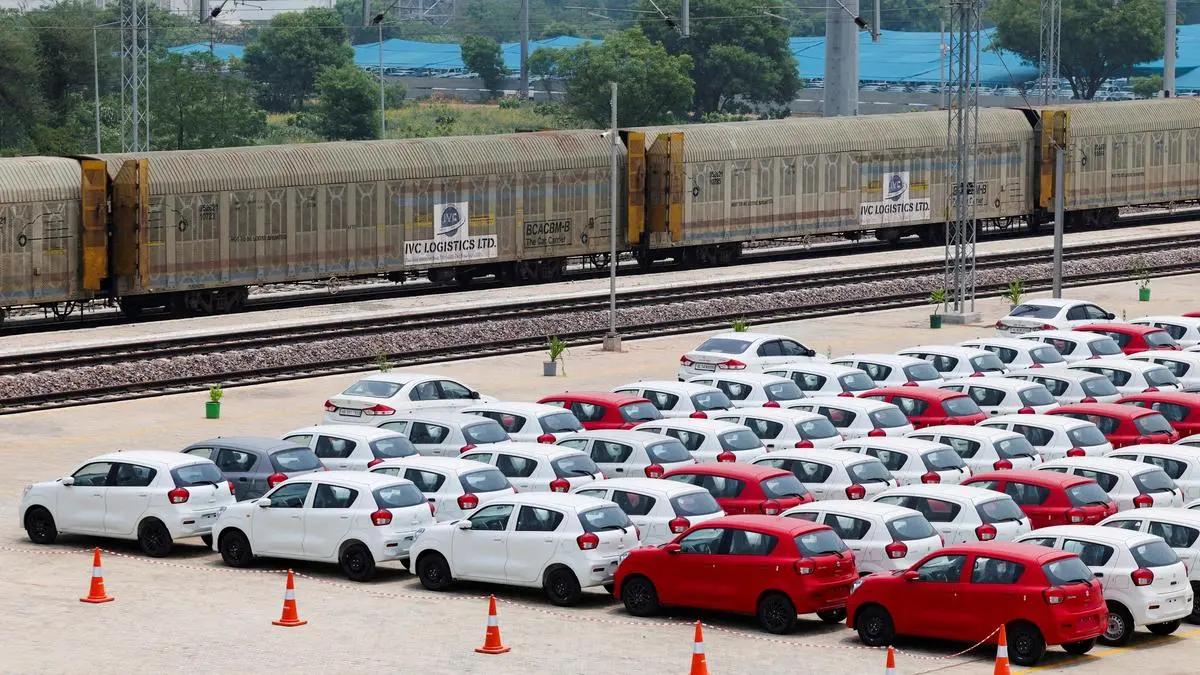
(representative image) India shipped goods worth $5.3 billion to Mexico in the last fiscal year, of which cars made up close to $1 billion, according to the letter and commercially available customs data.
| Photo Credit:
REUTERS/BHAWIKA CHHABRA

Highlights
  • Mexico increased tariff on China, India, other nations
  • India’s auto group lobbied government to prevent hike, letter shows
  • Mexico is India’s third-largest car export market
  • Volkswagen, Hyundai, Nissan most impacted from tariff hike
  • India’s total exports to Mexico at around $5.3 bln

Mexico’s decision to raise tariffs as high as 50 per cent will affect $1 billion worth of shipments from major Indian car exporters, including Volkswagen and Hyundai, despite industry lobbying to persuade New Delhi to prevent such a move, according to two sources and a letter from an industry group reviewed by Reuters.

Mexican President Claudia Sheinbaum’s government approved on Wednesday raising import tariffs next year on hundreds of items from countries it does not have trade agreements with, including China and India, to protect local jobs and manufacturing.

But the move also comes amid US pressure on Mexico to curtail business with China, despite opposition from local business groups warning that higher tariffs will raise costs.

The import duty on cars will rise to 50 per cent from 20 per cent, dealing a significant blow to India’s largest vehicle exporters to Mexico including Volkswagen, Hyundai, Nissan and Maruti Suzuki.

MEXICO TARIFF RAISES RISK FOR INDIAN MANUFACTURING

The Society of Indian Automobile Manufacturers (SIAM), an industry group that counts VW, Hyundai and Suzuki among its members, had urged the commerce ministry in November to press Mexico to “maintain status quo” on tariffs for vehicles shipped from India, according to a copy of the letter.

“The proposed tariff hike is expected to have a direct impact on Indian automobile exports to Mexico…we seek Government of India’s support to kindly engage with the Mexican government,” the industry body said in its letter to the commerce ministry before the tariff was finalised.

Details of the letter are being reported for the first time. It was not immediately clear what steps the car makers, industry body and Indian government will take next.

The tariff hike could force automakers to reevaluate strategies reliant on Mexico, which is India’s third-largest car export market after South Africa and Saudi Arabia.

Car manufacturers in India have relied on exports to ensure production is maximised and there are economies of scale. Some also rely on exports to cushion slower domestic sales or improve margins — a business strategy that may need to be redrawn.

The tariff hike, which mirrors a rise in global tariffs, including levies championed by US President Donald Trump, could also complicate Prime Minister Narendra Modi’s efforts to market India as a low-cost manufacturing alternative to China.

Commerce Ministry, Society of Indian Automobile Manufacturers and the Mexican government did not respond to requests for comment.

Hyundai and Maruti Suzuki did not respond to requests for comment, while Nissan declined to comment.

Piyush Arora, chief of VW’s Indian unit, Skoda Auto Volkswagen, said India has been a strong export base for many years and the company ships to more than 40 countries from here.

“Mexico has consistently been one of our important export markets, given the rising demand there and the traction of our India-made models,” Arora said before the tariffs were approved.

VOLKSWAGEN MOST EXPOSED TO MEXICO TARIFFS ON INDIA

India shipped goods worth $5.3 billion to Mexico in the last fiscal year, of which cars made up close to $1 billion, according to the letter and commercially available customs data.

Skoda Auto accounts for nearly 50 per cent of India’s total car shipments to Mexico. Hyundai shipped cars worth $200 million, Nissan’s exports stood at $140 million and Suzuki’s at $120 million, the data showed.

In meetings with government officials last month, car makers said the majority of shipments from India to Mexico are compact cars with an engine size of less than one litre, which are designed for the Mexican market and not for further export to the U.S., one of the sources said.

“Indian-origin vehicles are not a threat to Mexican local industry as Indian vehicles do not cater to high-end segments manufactured by Mexico for serving the North American market,” the industry group said in its letter.

Car makers also told Indian officials that of the 1.5 million passenger vehicles sold in Mexico each year, about two-thirds are imported and India’s shipments make up “just about 6.7 percent” of the total sales, according to the first source and the letter.

Published on December 11, 2025


Source link

YouTube
Instagram
WhatsApp