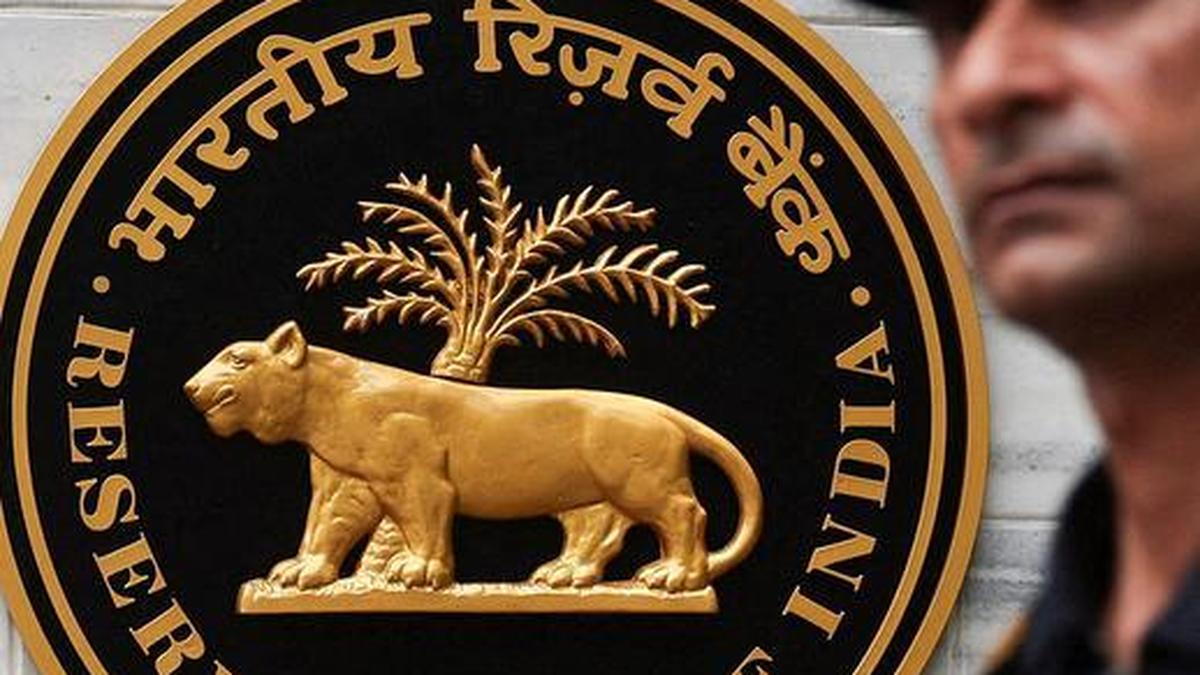
Authorised Dealers to disclose transaction costs for foreign exchange contracts to retail users: RBI

Authorised Dealers to disclose transaction costs for foreign exchange contracts to retail users: RBI


RBI plans to enhance transparency through this move
| Photo Credit:
th-online Administrator

As a further step towards promoting greater transparency in the foreign exchange market, the Reserve Bank of India (RBI) is planning to ask Authorised Dealers (AD) to provide the details of transaction cost associated with foreign exchange “cash”, foreign exchange “tom” and foreign exchange “spot” contracts offered to retail users.

In this regard, the central bank has sought comments on “Draft Circular on Disclosure of Transaction Cost for Foreign Exchange Transactions” from banks, market participants and other interested parties by January 09, 2026 .

Transaction cost will include remittance fees, foreign exchange rate, currency conversion charges etc.

“While offering foreign exchange “cash”, foreign exchange “tom” and foreign exchange “spot” contracts to a retail user, Authorised Dealers shall provide to the user, details of the total transaction cost (showing all relevant costs and charges — sending and receiving fees including those of any intermediaries, foreign exchange rate and currency conversion charges), before entering into the contract and also include the same in the deal confirmation,” per the Draft circular.

RBI noted that to enhance transparency in the foreign exchange market, in January 2024, Authorised Dealers (who deal with foreign exchange) were mandated to provide the mid-market mark / bid and ask price of the foreign exchange derivative contract / foreign currency interest rate derivative contract before entering into the contract with a retail user and include the same in the deal confirmation / term sheet.

Published on December 9, 2025


Source link

MF assets to surpass ₹300 lakh cr by 2035, says Bain & Company study

MF assets to surpass ₹300 lakh cr by 2035, says Bain & Company study


Mutual fund penetration across Indian households is expected to double from 10 per cent to 20 per cent over the next decade.

Mutual fund asset under management is projected to surpass ₹300 lakh crore by 2035, with direct equity holdings expected to reach ₹250 lakh crore in the same period, signalling a major shift in the country’s investment landscape.

According to “How India Invests 2025” report, the mutual fund ecosystem continues to deepen and expand, with the next wave of growth driven by increasing household adoption, strong digital enablement, supportive regulation and growing investor trust. Mutual fund penetration across Indian households is expected to double from 10 per cent to 20 per cent over the next decade. The next phase of industry growth will come primarily from mass and mass-affluent households beyond the top 30 cities, said the report released by Bain & Company in partnership with Groww.

Increased adoption among affluent investors across the next 70 cities will further accelerate this expansion. The share of long-term holdings is also rising; over-five-year holdings in industry AUM have doubled from 7 per cent to 16 per cent, and over-five-year SIP holdings have increased from 12 per cent to 21 per cent, reflecting growing investor trust and confidence.

Traditional savings mindset

Saurabh Trehan, Partner & Head of Bain & Company’s Financial Services practice in India said, Indian households are steadily shifting from a traditional savings mindset to a more investment-oriented approach, with mutual funds and direct equities emerging as the fastest-growing asset classes in recent years.

As more households, especially young and first-time investors and those beyond the top 30 cities embrace market-linked products and longer holding periods, there can be a deeper and more resilient domestic investor base, he said.

With SIP inflows and long-term holdings rising sharply, this evolution will be central to how India finances its growth in the years ahead, he said.

Fastest-growing channel

Digital platforms have emerged as the fastest-growing channel for retail investing over the last five years, with about 80 per cent of equity investors and 35 per cent of mutual fund investors being onboarded through these platforms.

Harsh Jain, co-founder and COO, Groww, said the government’s push on digital infrastructure, combined with progressive regulatory measures, has democratised access and fostered deep trust in the ecosystem.

A diverse, resilient investor base is emerging from tier II cities and younger demographics are strengthening India’s capital markets from within, said.

Published on December 9, 2025



Source link

Gujarat-based SteamHouse India aims for ₹425 cr IPO, files updated draft paper with SEBI

Gujarat-based SteamHouse India aims for ₹425 cr IPO, files updated draft paper with SEBI


In July, the company had filed IPO papers with market regulator via confidential route

Surat-based SteamHouse India Ltd that specialises in generation and centralised distribution of industrial gases, including steam and nitrogen, through pipeline network on Monday filed an updated draft paper with Securities and Exchange Board of India (SEBI) to launch ₹425 crore initial public offering. In July, the company had filed IPO papers with market regulator via confidential route.

According to the updated draft red herring prospectus, the company’s IPO will be a combination of fresh issue of ₹345 crore and an offer of sale of ₹80 crore where Chairman and Managing Director Vishal Budhia will be divesting stake.

While ₹150 crore from the fresh issue will go towards the repayment of loans (company has total outstanding borrowings of ₹216 crore), an additional ₹108 crore will be used to set up a new manufacturing facility for generation of steam at Dahej SEZ in the South Gujarat as well as expansion of the company’s phase 3 of its Ankleshwar facility and phase 2 of the Panoli facility.

Operations

The company that serves customers across pharmaceuticals, chemicals, agro-chemicals, textiles, tyres, dyes and pigments, polymers, paints and other sectors , currently operates seven community steam boilers (six owned and one leased) including Vapi Phase 1, Vapi WTE unit, Ankleshwar Phase 1, Ankleshwar Phase 2, Sarigam, Nandesari and Panoli.

As of September 30, 2025, the company’s combined installed plant capacity for steam across our seven boilers is an aggregate of 345 tonnes per hour (TPH). The company also has one nitrogen generation and distribution facility, which is located in Ankleshwar with a capacity of 350 NM3/hour. It utilises a diverse range of fuels in our operational community steam boiler facilities, including coal and non-fossil fuels like plastic waste to generate steam.

The aggregate installed capacity of the Ankleshwar facility that currently stands at 120 TPH will now be expanded to 180 TPH in the third phase by adding a boiler of 60 TPH. Similarly, the installed capacity of the Panoli facility is 60 TPH and will be raised to 120 TPH in the second phase, while the new Dahej SEZ facility is expected to have an installed capacity of 30 TPH.

Part of Sanjoo Group that introduced the concept of community boiler systems for industries that needed to source steam, the company’s revenues in FY25 has grown by over 35 per cent to ₹395 crore. In the first six months of the current fiscal, the company has clocked ₹238 crore in revenues. 

The company’s clientele includes Aether Industries, Anupam Rasayan India, Globe Enviro Care, Gujarat Polysol Chemicals Private Ltd, Devanshi Dyestuff, K. Patel Chemo Pharma Pvt Ltd , K. Patel Dye Chem Industries Pvt Ltd, Mahavir Synthesis Pvt Ltd, Mangalam Intermediaries, Orgo Chem Gujarat Private Ltd and Subhashri Pigments Ltd.

Published on December 9, 2025



Source link

Leap India, 4 others get SEBI nod to launch IPOs

Leap India, 4 others get SEBI nod to launch IPOs


Besides, Leap India, 4 others – Eldorado Agritech, Molbio Diagnostic, Foodlink F&B Holdings (India) and Technocraft Ventures – have also received market regulator approval to launch IPOs

Leap India has received SEBI approval to raise ₹2,400 crore through an initial public offering. The company had filed its IPO papers with SEBI on August 29. Besides, Leap India, 4 others – Eldorado Agritech, Molbio Diagnostic, Foodlink F&B Holdings (India) and Technocraft Ventures – have also received market regulator approval to launch IPOs.

However, Inox Clean Energy and Sky Alloys and Power have withdrawn their respective IPO papers on December 5., an update from SEBI site has said.

Fresh issuance

Leap India offer will be a mix of fresh issuance and offer for sale. The company will issue share to raise ₹400 crore and an offer-for-sale up to ₹2,000 crore by promoters, Vertical Holdings II Pte Ltd and KIA EBT Scheme 3. The shares that will be issued will have a face value of ₹1.

The proceeds from its fresh issue worth ₹300 crore will be utilised for prepayment of borrowings and will be used for working capital requirements.

The company has 13.57 million assets and has a pan-India network of 7,747 customer touchpoints and 30 fulfilment centres (which are centres to facilitate the storage, maintenance, repair and rapid deployment of its assets to its customers) as of May 31, 2025.

The company is recognised as a leader in forklift rentals and lithium-ion segment of MHEs, having been the first to introduce these solutions in India, according to the F&S Report.

Pallets are flat carrier structures, that support goods in a stable manner while being handled by forklifts, pallet jacks, or conveyors.

The company’s large asset base and pan-India network enable it to serve a diverse customer base spanning sectors such as fast-moving consumer goods, food and beverage, third-party logistics, e-commerce and quick commerce, automotive, industrials and others.

IIFL Capital Services, JM Financial, UBS Securities India and Avendus Capital are the book-running lead managers and MUFG Intime India is the registrar of the offer. The equity shares are proposed to be listed on BSE and NSE. The company’s income of ₹485 crore in FY’25.

The ₹1,000-crore IPO from Telangana-based Eldorado Agritech, known for its brand Srikar Seeds, consists of a fresh issue worth ₹340 crore and OFS of shares aggregating to ₹660 crore by promoters.

The IPO of Molbio Diagnostics, backed by Temasek and Motilal Oswal Private Equity comprises a fresh issue worth ₹200 crore and an OFS of 1.25 crore shares by existing shareholders.

Foodlink F&B Holdings IPO is a mix of fresh issue of equity shares worth ₹160 crore and an OFS of over 1.19 crore shares by promoters and investor selling shareholders.

Technocraft Ventures’ IPO also has two components – fresh issue and an OFS by its promoter Kartikey Constructions.

Published on December 9, 2025


Source link

लगातार दूसरे दिन क्रैश हुआ बाजार, 438 अंक टूटकर बंद सेंसेक्स, जानें कल कैसी रहेगी चाल

लगातार दूसरे दिन क्रैश हुआ बाजार, 438 अंक टूटकर बंद सेंसेक्स, जानें कल कैसी रहेगी चाल


Show Quick Read

Key points generated by AI, verified by newsroom

Stock Market News: अमेरिकी फेडरल रिज़र्व की नीतिगत दरों पर आने वाली घोषणा से पहले घरेलू शेयर बाज़ार पर दबाव लगातार बढ़ता गया. मंगलवार को बैंकिंग और तेल कंपनियों के शेयरों में मुनाफावसूली हावी रही, जिसके कारण बाजार लगातार दूसरे दिन गिरावट के साथ बंद हुआ. सेंसेक्स 436 अंकों की भारी गिरावट के साथ करीब दो सप्ताह के निचले स्तर 84,666.28 पर बंद हुआ. कारोबार के दौरान यह सूचकांक एक समय 719 अंकों तक टूट गया था. इसी तरह निफ्टी में भी कमजोरी दिखी और यह 120.90 अंक गिरकर 25,839.65 पर बंद हुआ. कारोबार के शुरुआती दौर में निफ्टी 25,728 के निचले स्तर तक फिसल गया था.

क्यों बाजार में गिरावट?

बाजार में गिरावट का सबसे ज़्यादा दबाव बड़े निजी बैंकों, तेल कंपनियों और आईटी शेयरों में देखने को मिला. सेंसेक्स के घटक शेयरों में एशियन पेंट्स, टेक महिंद्रा, एचसीएल टेक्नोलॉजीज, टाटा स्टील, मारुति सुजुकी, सन फार्मा, टीसीएस, आईसीआईसीआई बैंक, बजाज फाइनेंस, अल्ट्राटेक सीमेंट, महिंद्रा एंड महिंद्रा और टाटा मोटर्स के शेयरों में notable गिरावट रही. हालांकि इटर्नल, टाइटन, अदाणी पोर्ट्स, बीईएल, एसबीआई, बजाज फिनसर्व, एनटीपीसी और भारती एयरटेल के शेयरों में मजबूती देखने को मिली और ये बढ़त के साथ बंद हुए.

जियोजीत इन्वेस्टमेंट्स के शोध प्रमुख विनोद नायर ने कहा कि बाजार फेडरल रिज़र्व की घोषणा से पहले सतर्क रुख अपनाए हुए है. रुपये की कमजोरी, विदेशी निवेशकों (FII) की लगातार बिकवाली और अमेरिका-भारत व्यापार समझौते की अनिश्चितता ने निवेशकों की धारणा को कमजोर किया है. नायर के अनुसार आईटी शेयरों के दबाव में बाजार नीचे आया, जबकि पीएसयू बैंक, रियल्टी और कंज्यूमर ड्यूरेबल्स में मजबूती दिखाई दी.

क्या बोले एक्सपर्ट्स?

लेमन मार्केट्स के विश्लेषक गौरव गर्ग ने बताया कि शेयर बाजारों में भारी गिरावट के बाद कुछ हद तक रिकवरी हुई. सेंसेक्स अपने निचले स्तर से लगभग 450 अंक उभरा और निफ्टी फिर से 25,900 के ऊपर आया. इसके बावजूद दोनों सूचकांक अंत में लाल निशान पर ही बंद हुए. मिडकैप और स्मॉलकैप शेयरों में इसका असर कम दिखा. बीएसई मिडकैप सूचकांक 0.60% बढ़ा, जबकि स्मॉलकैप इंडेक्स ने 1.27% की मज़बूत बढ़त दर्ज की.

सेक्टोरल इंडेक्स की बात करें तो आईटी सेक्टर सबसे ज्यादा 1.18% टूटा. टेक्नोलॉजी और ऑटो सेक्टर में भी क्रमशः 0.72% और 0.63% की गिरावट रही. एशियाई बाजारों के संकेत भी कमजोर रहे. हांगकांग, चीन और दक्षिण कोरिया के बाजार गिरावट के साथ बंद हुए, जबकि जापान का निक्की लाभ में रहा. यूरोपीय बाजारों में शुरुआती मजबूती थी, जबकि अमेरिकी बाजार सोमवार को गिरावट के साथ बंद हुए थे.

इस बीच विदेशी संस्थागत निवेशकों ने सोमवार को 655.59 करोड़ रुपये के शेयर बेचे, जबकि घरेलू संस्थागत निवेशकों ने 2,542.49 करोड़ रुपये की खरीदारी की. वैश्विक बाजारों में कच्चे तेल की कीमतों में भी मामूली गिरावट आई और ब्रेंट क्रूड 0.27% गिरकर 62.33 डॉलर प्रति बैरल पर आया.

ये भी पढ़ें: इंडिगो हाहाकार का आठवां दिन, 422 उड़ानें रद्द और सरकार का एक्शन, CEO का आया बयान

डिस्क्लेमर: (यहां मुहैया जानकारी सिर्फ़ सूचना हेतु दी जा रही है. यहां बताना जरूरी है कि मार्केट में निवेश बाजार जोखिमों के अधीन है. निवेशक के तौर पर पैसा लगाने से पहले हमेशा एक्सपर्ट से सलाह लें. ABPLive.com की तरफ से किसी को भी पैसा लगाने की यहां कभी भी सलाह नहीं दी जाती है.)


Source link

Palm oil meet calls for science-guided public understanding of the edible oil in India

Palm oil meet calls for science-guided public understanding of the edible oil in India


The recently concluded ‘Palm Oil Conclave 2025’, organised by the Asian Palm Oil Alliance (APOA), Solidaridad and the Solvent Extractors’ Association of India (SEA), has highlighted the need for fact-based communication and science-guided public understanding of palm oil in India.

Welcoming the participants at the conclave in Bhopal recently, Atul Chaturvedi, Chairman of APOA, stressed the need for India to reclaim the discourse on palm oil.

“India has long been influenced by external narratives, many of which do not reflect our realities or our needs. Today’s deliberations show that India is ready to steer its own informed direction, grounded in facts, transparency, and collaboration. This conclave has brought clarity at a time when consumer trust is essential,” he said.

Shatadru Chattopadhayay, Managing Director of Solidaridad Asia, emphasised the role of science in shaping balanced public perception.

Hit by misleading information

Stating that palm oil has suffered from fragmented and often misleading information, Chattopadhayay said: “Through dialogues like these, backed by the India Palm Oil Sustainability (IPOS) framework, we are building a resilient, responsible supply chain that benefits farmers and protects the environment. Today’s discussions reaffirmed that sustainability and growth must move together.”

Suresh Motwani, Secretary General of APOA, said: “As someone working at the intersection of science, policy, and regional collaboration, I see palm oil not just as a commodity but as a strategic solution for India’s food and nutrition security. The evidence is clear — palm oil contains essential vitamins, balanced fatty acids, and is one of the most efficient crops globally. It is time we replace myths with meaningful, research driven conversations.”

Sougata Niyogi, CEO of Oil Palm Business, Godrej Agrovet Ltd, said the Palm Oil Conclave 2025 comes at a pivotal moment when there continues to be an increased consumer focus on health and sustainability. “As the citizens priorities health and improved nutrition, it is crucial that we come together and build a shared understanding and direction. This conclave provides a platform for open dialogue, practical solutions, and stronger collaboration to create a more resilient and responsible palm oil ecosystem for India,” Niyogi said.

BV Mehta, Executive Director of SEA, said: “Aatma Nirbhar Bharat begins in our fields. When we empower farmers with better seeds, scientific knowledge, fair markets, and modern processing systems, India naturally moves toward self-reliance in edible oils. The potential is enormous, we only need to harness it with commitment and consistency.”

More than 200 experts from nutrition science, medical practice, FMCG, food processing, academia, industry and consumers participated in the conclave.

Published on December 9, 2025


Source link

YouTube
Instagram
WhatsApp