Tree of sustainable life

Tree of sustainable life


At a time when the world is trying to grow forests to offset carbon dioxide emissions, and many companies are looking at options like bamboo and mangrove — which have high potential to suck up atmospheric carbon — news is oozing out about a better candidate for carbon forestry.

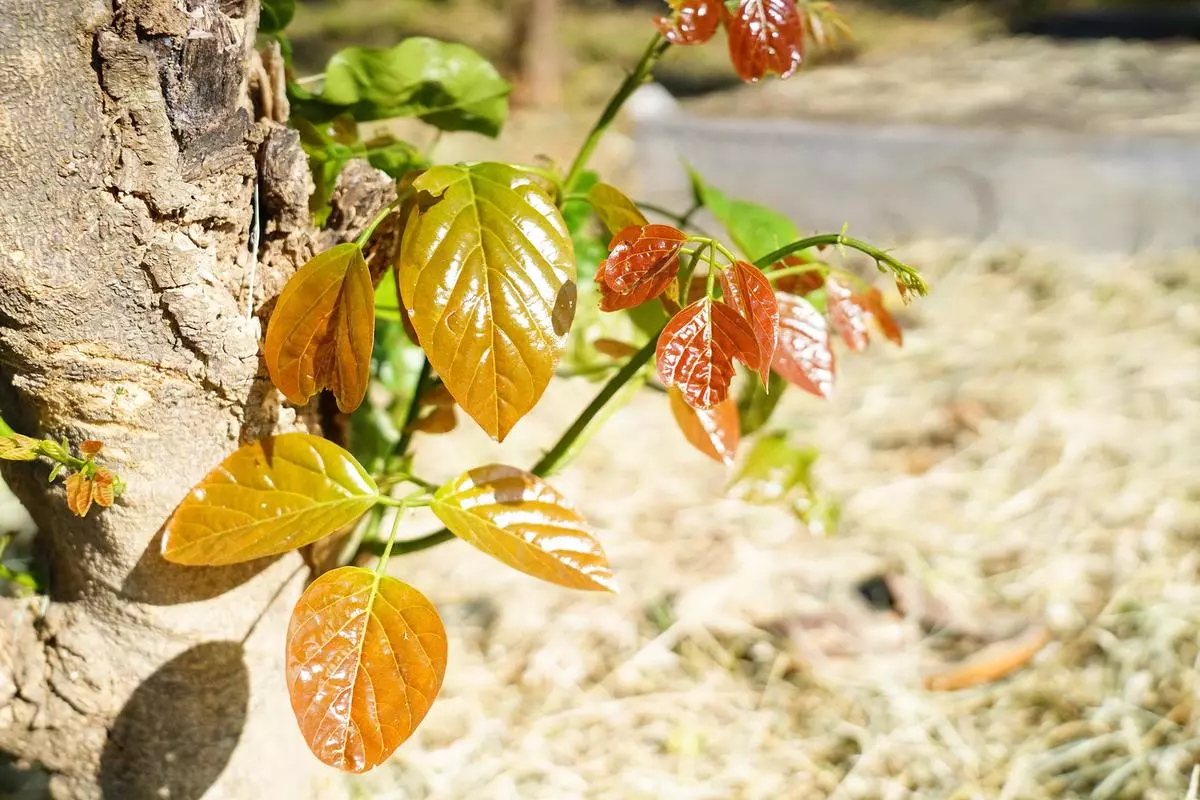
Pongamia pinnata — better known in the subcontinent by names like Indian beech, karum tree, mullikulam tree, pongam and pongam oil tree — has attracted the attention of global investors and companies that have committed to net-zero emissions, according to an August 2021 report titled ‘A technical and economic appraisal of Pongamia pinnata in northern Australia’, produced by AgriFutures, Australia. The report says that Qatar Airways and “a large Japanese company” were interested in funding  Pongamia pinnata plantations for carbon offsets. Investancia Holding BV, a leading agroforestry and research company, announced in 2021 that it would plant 50 million  Pongamia pinnata trees over 125,000 ha in Paraguay to deliver 300,000 tonnes of Pongamia ‘reforestation oil’ annually by 2030.

A recent research paper on the tree’s appropriateness for reforestation, titled ‘A critical review of Pongamia pinnata multiple applications: From land remediation and carbon sequestration to socioeconomic benefits’, by scientists at the University of Reading, UK, has gone into the root (pun intended) of the issue. Indeed, the tree’s tap roots go as deep as 10 metres, which means the tree can be grown on marginal lands and won’t compete with food crops.

The paper cites a number of virtues. For one, the seeds are a good source of (non-edible) oil. Though the commercial viability of the oil, as a standalone product, is not certain, it will be viable with carbon credits. “Several companies have recently invested in Pongamia as a source of biofuel, including Investancia, BPA Australia, Tree Oils Limited, Cleanstar Energy, Betterworld Energy, and PHYLA Earth,” the paper says.

Pongamia seeds give out an oil that is yellowish-orange to brown and can be used to produce biodiesel through trans-esterification.

Biodiesel production from Pongamia generates 7.88 kg of biomass waste per kg of biodiesel, mainly in the form of pods and seed cake. Total energy (expressed in megajoules) of the biomass waste has been estimated to be 3.46 times higher than the energy of 1 kg of biodiesel. This provides a great opportunity for an integrated valorisation pathway, as the biomass waste can potentially be used as anaerobic digester feedstock for biogas production. The digestate produced can, in turn, be used as organic fertiliser, given its high nitrogen content.

Cost advantage

“An Indian study concluded that Pongamia residues produce more biogas than other commonly used oilseed trees such as  Jatropha curcas, and that the sale of biogas can lead to economic returns 2 to 3 times higher than the direct sales of residues, potentially reducing biodiesel production costs by 30–80 per cent,” the paper says. This could give Pongamia-derived biodiesel a competitive advantage over diesel. The utilisation of Pongamia waste in biogas digesters can also contribute to a circular bio-economy, benefiting the environment, say the authors.

The tree can grow on a wide range of soil types including rocky, heavy clay, sandy, alkaline, and saline soils; however, drained sandy-loam soil with adequate moisture is ideal for it. The flowers are a good source of pollen and nectar, making bee-keeping viable.

The carbon dioxide sequestration potential of Pongamia during the 10–15 years of its growth has been found to be many folds that of several other tree species. A study in 2006 estimated that, over a 25-year period, one Pongamia tree can sequester 767 kg of carbon. The carbon sequestration ability of Pongamia was calculated for 3,600 trees planted in Adilabad district of Telangana.

The certified carbon emission reduction was sold to ‘500 ppm GmbH’, a German environmental group. The purchase was for ten years’ supply of emission reduction from 140,000 kg of Pongamia oil, worth $4,164.

Santosh Singh, Managing Director—Climate and Agri Solutions, Intellecap, a firm that advises on social and impact investment, told  Quantum that  Pongamia pinnata has emerged as “a favourite for agro-forestry and carbon sequestration projects”.

He said that the “drought-hardy species… seamlessly gets integrated in many agro-forestry models”. It is a good source of biodiesel and “the emergence of carbon market will make it more attractive as this has much better carbon sequestration potential than other species such as mahua and neem,” he said, while also cautioning against monoculture.



Source link

IISER’s tryst with click chemistry 

IISER’s tryst with click chemistry 


Linking two molecules to form a desired larger molecule routinely happens in chemistry labs, but sometimes it is not easy. The linking might require a lot of heat with undesirable side-effects or cannot be carried out in isolation, which, in turn, would produce undesirable by-products.  

Click chemistry, for which three scientists — Carolyn Bertozzi, Morten Meldal and Barry Sharpless — got the chemistry Nobel Prize for 2022, is a method of linking molecules in a practicable way. 

After Sharpless and Meldal, working separately, developed click chemistry in 2001, the field has grown, with applications in pharmaceuticals and material science, but has remained a phenomenon involving liquids.  

The Indian Institute of Science Education and Research (IISER), Thiruvananthapuramhas done some noteworthy work in click chemistry involving solids, which could give rise to a variety of new industrial applications. But first, how exactly does ‘click chemistry’ work? Suppose you want to link molecules A and B to make a larger molecule AB, and you find that A and B won’t link easily, you have a problem. But if you find two ‘complementary reactive groups’ (CRGs), say, x and y, which can be linked to A and B, your problem is solved. You link A to x and B to y and make them react, so that you have AzB, with the linker ‘z’ in the middle.   

In click chemistry, x and y are usually azide and alkyne. To put it simply, an azide is a functional group (molecule) of three nitrogen atoms, linked with double bonds; an alkyne is a functional group of two carbon atoms, hooked to each other with a triple bond. So, if A is linked to an azide and B to an alkyne, you can link A and B together using a triazole, the product of a reaction between azides and alkynes (examples of other CRGs that click with each other include thiol-alkene, diene-dienophile, and tetrazine-alkene).  

What happens to the azide and alkyne after the two molecules A and B are linked? Prof Kana M Sureshan of IISER, Thiruvananthapuram, explains thus: In the reaction, the azide and alkyne get converted to ‘triazole’ (a five-sided ring containing two carbon atoms and three nitrogen atoms), which bridges the two entities together. If an azide attached to an entity ‘A’ and an alkyne attached to an entity ‘B’ react, it gives a new molecule in which fragments A and B are bridged by the newly formed triazole-ring. So, there is no more azide or alkyne in the system after the reaction. The triazole cannot be got rid of; it is part of the new molecule synthesised.”  

The propensity of azides and alkynes to click together was discovered half a century ago by the German scientist Rolf Huisgen (who died at 99 in 2020), but the technique could not be used because it required 160 degrees C, at which temperature other problems arose.  Sharpless and Meldal, working separately, discovered in 2001 that the reaction can happen at room temperature, and in a better manner, with copper as catalyst — a reaction that is now famously known as ‘copper-assisted azide alkyne cycloaddition’. Bertozzi found a way of doing away with the toxic copper for bio applications, by ‘straining’ the alkyne into a ring — giving it energy like a spring — for the azide-alkyne cycloaddition reaction. This is immensely beneficial because, unlike other ways of linking two chemicals, the azide-alkyne method does not engender other competing reactions.   

IISER proves its mettle  

IISER has gone a step ahead, doing azide-alkyne cycloaddition in solid state. “Like Bertozzi’s strain-promoted azide-alkyne cycloaddition (SPAAC), our topochemical azide-alkyne cycloaddition (TAAC) requires no catalyst. This is achieved by organising azide and alkyne at a close proximity in the crystal lattice,” Sureshan told Quantum. In this crystal engineering, the designed molecules have to pack in such a way that the azide of one molecule and alkyne of another are placed close together, at a ready-to-react distance.  

Prof Sureshan’s team does polymerisation — making chains of monomers (identical molecules) — using TAAC. He explains: “We have designed monomers using carbohydrates, peptides and even nucleosides and polymerised them using our TAAC chemistry to get polysaccharide-mimics, protein-mimics, and DNA-mimics, respectively.”  

The excitement behind such polymerisation is that the result is crystalline polymers, which cannot be made by conventional methods. Crystallinity gives special properties to materials.  

Sureshan has achieved the synthesis of a crystalline material that can reversibly absorb water molecules from the atmosphere, making it a material that has huge potential for atmospheric water harvesting.  

IISER has synthesised several biopolymer-mimics, that have industrial applications. Right now, Sureshan is working on making bio-compatible materials for implants. A bone has a mesh of proteins into which inorganic phosphates are embedded, he explains. “We can use our chemistry to make protein-mimics as templates to embed phosphates.”  

Sureshan is also working on alkenes, instead of alkynes, which is possible in solid-state reactions. The result is ‘triazoline-linked polymers’, which are amenable to be worked on to yield a bouquet of functional polymers.  


Source link

Dr. Mohan’s Diabetes launches AI-enabled platforms for next-gen diabetes care

Dr. Mohan’s Diabetes launches AI-enabled platforms for next-gen diabetes care


Dr Mohan’s Diabetes Specialities Centre, one of leading chain of diabetes centres, today announced the launch of artificial intelligence AI-enabled platforms to cater to next-gen diabetes care.

The diabetes chain said the AI-enabled digital innovations are part of its digital transformation called Dr. Mohan’s Digital Diabetes Revolution with the 3D initiative. The three D’s being ‘DIA’, an AI powered chatbot to assist people through automated digital conversations, ‘DIALA’, a patient-friendly mobile app and ‘DIANA’, a healthcare application for precision diabetes care.

“Through these AI powered innovations, we offer expert medical advice accessible to everyone round the clock. These tech enabled next-generation platforms will offer real-time solutions about diabetes care and dispel myths for the benefit of our people,” V Mohan, Chairman & Chief Diabetologist, Dr Mohan’s Diabetes Specialities Centre, said in the release. 

RM Anjana, MD, Dr. Mohan’s Diabetes Specialities Centre said, “With the increase in smartphone penetration at every household and seamless data connectivity, healthcare transcends beyond just physical care. Large volumes of digital health-care data with deep learning paves the way for deployment of bots to facilitate the use of technology to provide information and assist our patients.”


Source link

Diamond-based coating for gun barrels

Diamond-based coating for gun barrels


The science of coating surfaces to increase their ability to withstand wear and tear and, sometimes, impart lubrication has immensely helped industry. The newly launched Advanced Conformal-Coating Technology (AdCoaTech) lab at IIT-Madras is developing technologies to give Indian defence capabilities an ‘atmanirbhar coat’.

The AdCoaTech lab was set up jointly by DRDO-CVRDE lab and IIT in August. “This is the first-of-its-kind set-up in any academic institute in India for physical vapour deposition technique for conformal coatings on the inner surface of long cylinders and tubes,” says Dr N Arunachalam, Associate Professor, Manufacturing Engineering Section, IIT-M.

As India aims for self-reliance (atmanirbharta) in defence production, it would manufacture more weapons such as guns and tanks. As bullets and shells shoot through barrels, the friction generates tremendous heat. If a machine gun fires 100 rounds rapidly, the barrel can glow red hot — that’s why they have ‘barrel shrouds’ for the gunner to grip it safely. There is the same problem in the barrels of tanks and artillery guns.

It would greatly help if the insides of the barrels were ultra-smooth to reduce friction (and hence heat).

This calls for a suitable coating material for the insides of the barrels that can give both hardness and lubrication properties. Such coats find use in several other areas too. For example, the insides of the cylinders that house the pistons attached to a tank’s wheels — the up-down motion creates tremendous heat and wear-and-tear.

There are many methods for coating surfaces. Coating materials are deposited onto surfaces physically, chemically, in the form of plasma, or by cold spray — all of which are extensively used in industry — but coating the insides of surfaces is a challenge. The research in this area is for developing ‘recipes’ and the equipment that will do the coating. AdCoaTech lab has developed such coating equipment in collaboration with Excel Instruments, Mumbai.

As for the recipe, Dr Arunachalam’s team uses what is called ‘diamond-like carbon’. Diamond is the hardest material in the world, but how do you get it to stick to surfaces. Besides, aren’t they expensive? Well, no. In science, diamond is not necessarily a shining stone; it just refers to a particular structure of arrangement of carbon atoms.

Carbon atoms make three types of bonds — sp1, sp2 and sp3. “The bonding arrangements between carbon atoms produce different types of carbon allotropes such as graphite or diamond,” notes Prof Abdul Wasy Zia, of the City University of Hong Kong, in a 2020 scientific paper. In graphite, the carbon atoms form sp2 bonds with neighbouring carbon atoms to form a honeycomb-like structure. But if the bonds are of sp3 type (formed under extreme pressure and temperature), carbon exists as diamond. Diamond is very hard — around 100 giga pascals, as compared with graphite’s 3 GPa.

‘Diamond-like carbon’ coatings are a mixture of sp1, sp2, and sp3 carbon. The more the sp3, the better the tribological characteristics. ‘Diamond-like carbon’ coatings have been used in industry for long. However, IIT-M is perfecting the technology for defence applications — the collaboration with DRDO will develop complex coatings for the special needs of the defence forces. “The aim of this project is to develop diamond-based coating technologies, which are essential for DRDO’s immediate and future needs for defence components,” says Dr Arunachalam.

Prof MS Ramachandra Rao of the Department of Physics at IIT-M says the AdCoaTech lab has “produced innovative technology to develop diamond-based coatings on inner surfaces of industrial-scale cylinders, which conventional coating technology cannot achieve”. He said the coating dissipates heat and can withstand tremendous loads. “Pneumatic and hydraulic systems, aerospace parts, and defence vehicles are a few of the applications for these coatings,” Prof Rao said.


Source link

Chennai start-up makes DNA extraction easy

Chennai start-up makes DNA extraction easy


Medical treatment is increasingly into genetics. Your medicines are customised for your genetic composition. DNA extraction has become important for studying the genetic causes of diseases; it is also needed for forensic science, genome sequencing, and detecting pathogens such as bacteria and viruses.

DNA — a very large molecule of phosphates, sugars and nucleic bases — is predominantly found in the nucleus of every body cell (human, plant, animal and microbe), but also present in mitochondria (a cell organ) and in the bloodstream (called cell-free DNA).

Extraction of DNA for study has been done for ages. But today, the quest is for newer DNA extraction technologies that are easier, more precise, and cheaper.

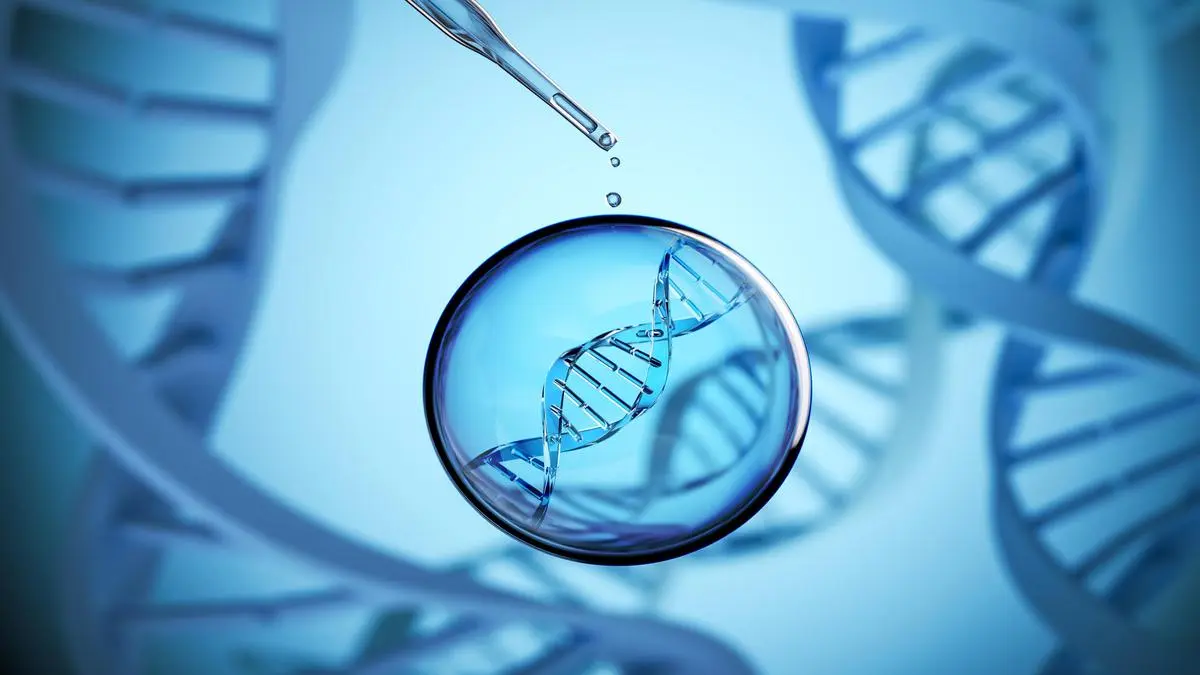
Chennai-based start-up MagGenome has come up with a new technology that makes DNA extraction ridiculously easy. The method, which can be equally used to extract RNA and proteins, is simple: make iron nanoparticles, get them to attach themselves to DNA, and apply a magnetic field. When the iron nanoparticles get pulled by the magnetic field, along come the DNA. Get rid of the nanoparticles and you have the DNA.

The science behind the technology essentially revolves around getting the nanoparticles to attach to the DNA.

Dr CN Ramchand, CEO, MagGenome Technologies, told  Quantum that scientists have, in recent years, developed a range of nucleic acid extraction systems, but they are based on magnetic nanoparticles that are coated with chemicals like ethylene glycol and citrates. Coating nanoparticles is expensive and time-consuming; using uncoated nanoparticles is also more effective because, with a high surface-to-volume ratio, they bind better with DNA/RNA/proteins. A few companies such as Thermo Fisher Scientific, QIAGEN, Beckman Coulter, and Omega Bio-tek use coated nanoparticles, but Ramchand says MagGenome is the only one that uses uncoated nanoparticles.

How it works

First the cell wall (membrane) is broken (a process called ‘lysis’) by special detergents; the contents of the cell spill out. All the proteins and other cellular matter are removed through enzymatic treatment — various enzymes combine with different cell organelles and are washed away. Once these ‘contaminants’ are removed, a unique formulation of DNA condensing agents, salts and magnetic nanoparticles are added. The nanoparticles attach themselves to the DNA, which can be magnetically separated.

MagGenome Technologies sells DNA/RNA/protein extraction kits. (An associate company provides DNA extraction service.) The technology was incubated in SciGenom Labs, Kochi; the company was incorporated in 2018 and received $3 million funding from Emerge Ventures, Singapore. Ramchand says it has been profitable since 2021. He says that with new diagnostic tools like liquid biopsy for cancer and non-invasive prenatal testing using new-generation sequencing becoming popular, “we see good prospects for our business”.


Source link

Dredging up eDNA

Dredging up eDNA


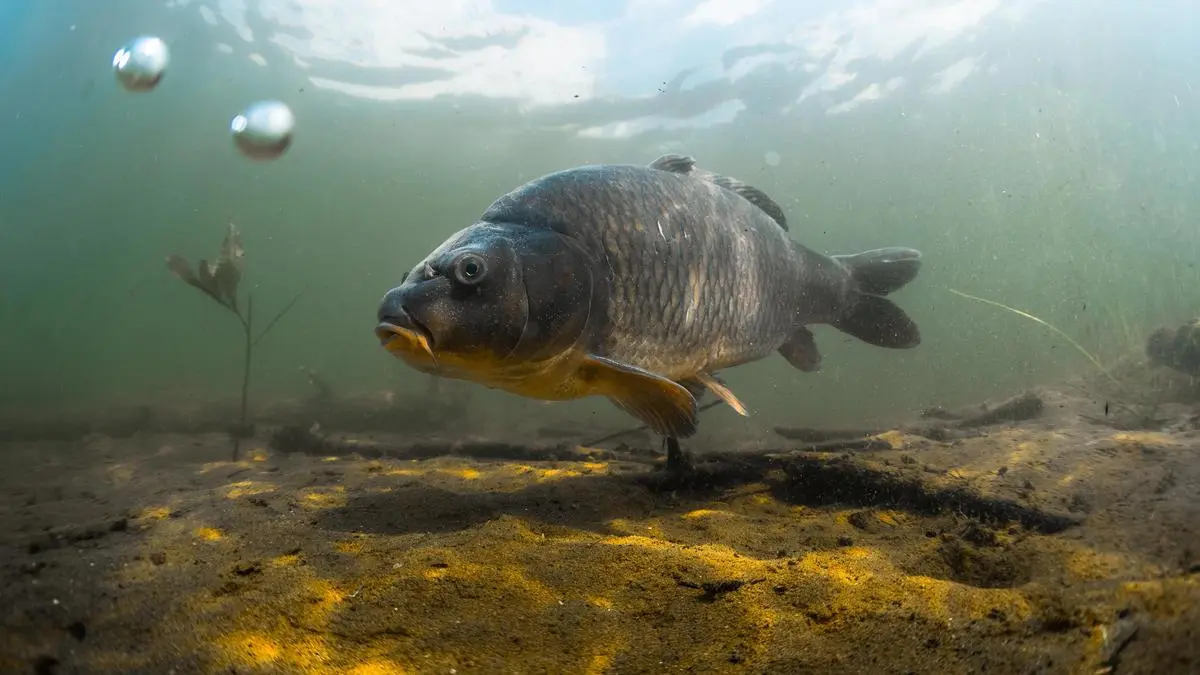
All living beings, from man to microbes, have DNA in their bodies. They also keep shedding bits of the material into the environment. Scientists have now hit upon the idea of collecting this environmental DNA, or eDNA, in the depths of the seas to identify what lives there — a simpler method than having to go down there to study.

Stories are seeping out of scientific journals about how scientists are using eDNA to survey biodiversity in rivers, lakes and oceans. Apart from giving a biodiversity picture, such study could also yield early clues to invasive species.

eDNA can also reveal the presence of human remains. Scientists have collected samples of seawater from the vicinity of a plane wreck — the American aircraft was shot down near Japan during the Second World War — to look for floating eDNA.

(For more on DNA extraction, see ‘Chennai start-up makes DNA extraction easy’.)

Conservation efforts are predicated upon monitoring, which has traditionally meant the physical identification and counting of species. Imagine doing this over thousands of square kilometres under the seas! Technologies such as Quantitative Polymerase Chain Reaction (qPCR) determine whether the eDNA in a sample corresponds to a particular species. Scientists believe that eDNA, coupled with DNA sequencing, can pinpoint what lies beneath.


Source link

YouTube
Instagram
WhatsApp



