What’s keeping India awake at night?

What’s keeping India awake at night?


Alongside initiatives like ‘start-up India’ and ‘stand-up India’, the country appears to be in dire need of a ‘sleep-well India’ movement. All of its amritkaal dreams of prosperity may come to nought if its people are unable to be productive for lack of sound sleep. 

Recently, three researchers — Karuna Datta and Anna Bhutambare of the Armed Forces Medical College, Pune; and Hruda Mallick of SGT University, Gurugram, Haryana — embarked on a project titled ‘Systematic review of prevalence of sleep problems in India’. They scoured thousands of scientific papers from repositories such as PubMed, Google Scholar, PsycNet, and Epistemonikos, and distilled them down to 100 studies for their analysis. 

Their conclusion? “India has a health burden of sleep disorders.” 

In a (yet to be peer-reviewed) paper they said their “final analysis showed major sleep disorders like insomnia, obstructive sleep apnoea (OSA), restless leg syndrome (RLS), in a sample of 67,844 individuals”.

The overall estimate for prevalence of insomnia was 25.7 per cent — one in four Indians is affected. The prevalence of OSA was 37.4 per cent, and RLS 10.6 per cent. “An increased prevalence was seen in patients of diabetes, heart disease patients and in an otherwise healthy population,” the paper says. 

The study divided the sample group into ‘patient’ and ‘healthy’ subgroups, and compared the incidence of sleep disorders. It was 32.3 per cent and 15.1 per cent, respectively, for insomnia; 48.1 per cent and 14.6 per cent for OSA; and 13.1 per cent and 6.6 per cent for RLS. 

Within the healthy group they found insomnia was prevalent in an “alarming” 34.7 per cent of college students. The consequences included ‘excessive daytime sleepiness’ in every fifth person surveyed.

Lifestyle modification

Pointing out that sleep plays a big role in the progression of non-communicable diseases such as diabetes and hypertension, the researchers call for a task force to delve deeper into the findings. They also suggest lifestyle modifications to reduce the disease burden before taking recourse to drugs for sleep disorders. 

Notably, two of the researchers, Datta and Mallick, were involved in an earlier study that looked at the effect of yoga nidra on reducing sleep disorders. In their paper, published in The National Medical Journal of India, they say they enrolled 41 persons with chronic insomnia for the study on non-pharmacological interventions. Twenty of them received a “conventional intervention of cognitive behavioural therapy” and the rest took up yoga nidra, which is described as a “systematic method of inducing complete physical, mental and emotional relaxation by turning inwards, away from outer experiences”.

Both worked, but they found that during the ‘non rapid eye moment’ phase of sleep, yoga nidra led to marked improvement in the ‘deeper’ and ‘deepest’ stages of ‘total sleep time’. Yoga nidra improved both ‘slow-wave sleep’ and ‘sleep onset latency’ (time taken to fall asleep).


Source link

Back-to-back success of GSLV proves the rocket’s capabilities: ISRO Chairman 

Back-to-back success of GSLV proves the rocket’s capabilities: ISRO Chairman 


On August 12, 2021, when the GSLV-F10 rocket failed midway in its mission to put into orbit the Earth Observation Satellite (EOS-03), many industry experts and space analysts wrote off the Geosynchronous Satellite Launch Vehicle (GSLV). Sadly, the failure happened on the birth anniversary of Dr Vikram Sarabhai, who is regarded as the father of the Indian Space Programme. 

In fact, after that failure, the rocket was even termed a “naughty boy” by a former ISRO official (as per media reports) as it had a 40 per cent failure rate. However, the GSLV has bounced back, with consecutive successes – first, with the successful launch of GSLV-F12 in May 2023 and with the launch of GSLV-F14-3DS mission on Saturday. 

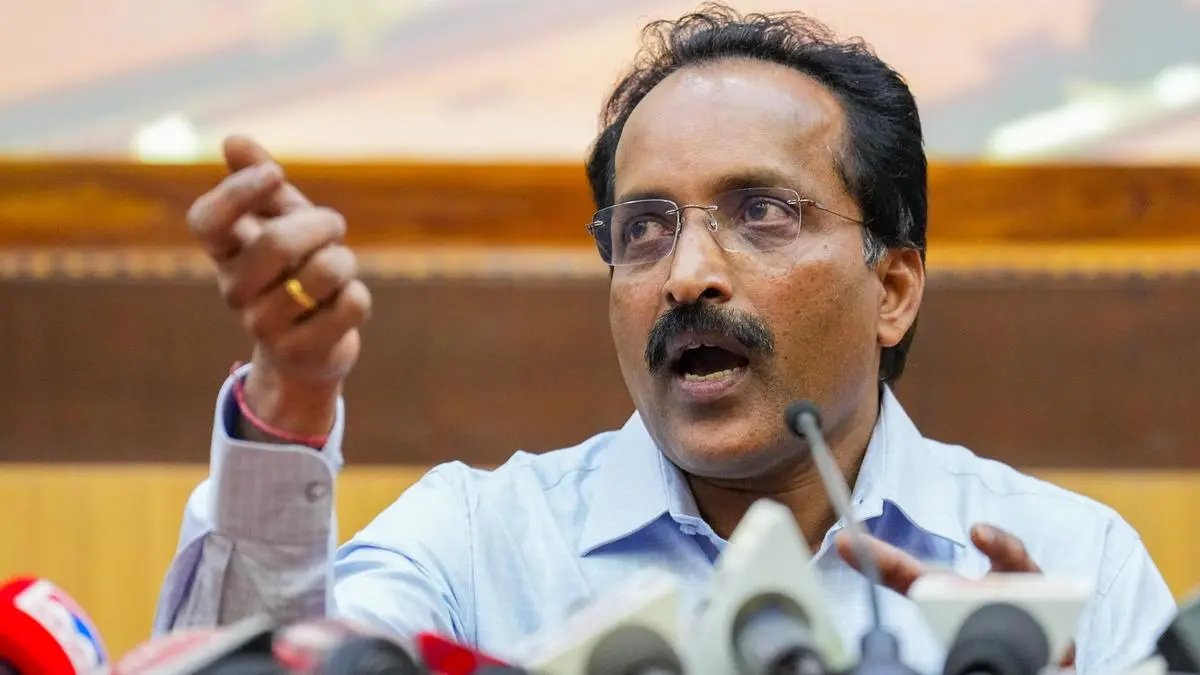
S Somanath, Chairman of the Indian Space Research Organisation, after the successful launch of GSLV-F14/INSAT-3DS Mission on the rocket, told newspersons, “The GSLV has not had such a good name with regard to the performance. (But) That has been a thing of the past. The payload pairing, especially with a bigger diameter, had a chequered history. This has now been corrected.”

“We have had very good missions — the last one and the present one — after the one that failed in the cryogenic stage. Two successive missions have happened after the failure. With this confidence, we should go into the future without any worry about the configuration of the vehicle. However, every mission of a rocket has its own uncertainties and worries. But this has been overcome by our design and analysis of the system, including the cryogenic stage and payload pairing,” he said.

“In today’s mission both the rocket and satellite performed very well. All the performance-related issues of the previous generational satellites have been addressed, more capabilities have been added to the payload. We believe the satellite is going to be an important one for the nation — we want to secure our citizens against weather-related information and disaster-related information that are crucial for protecting life and property,” he added.

In the pipeline

The next mission of GSLV will be the NISAR-Nasa-ISRO Synthetic Aperture Radar-satellite mission. It is a very big satellite. The rocket’s capability has also been steadily increased with payload and volume.

Somanath said it was a perfect induction of the spacecraft into orbit. GSLV is targeting a geostationary orbit – 170 km perigee (nearest to Earth) and 36,000 km apogee (farthest) but desires to raise the apogee further because that would give the satellite a longer life. “Today, we have 38,000 plus km apogee accomplished with no other issues. So, it is a very perfect mission with a little over performance that has been given to the satellite which increases its life,” he said.

The satellite is the third in the series of INSAT for weather and disaster warning-related activities. The satellite has been fully funded and will be fully utilised by the Ministry of Earth Science and other users. Two payloads – an imager and a sounder – are required to measure atmospheric parameters. It also has data-related transponders that collect data across the country from ground-based observations related to weather and make it available for computation modelling. It also supports a distress alert-based receiver and transmitter that supports in terms of disaster. 

The INSAT series has been extremely useful — they can image the entire country every 15 minutes. This data goes to the computational and observational capability of the country, and the weather forecast is given based on this observation and analysis of this data. This is augmented by better instruments put in INSAT-3DS compared to the ones done earlier. 


Source link

Glass meets carbon

Glass meets carbon


Researchers at the Institute of Advanced Study in Science and Technology (IASST) have developed a novel method for directly synthesising carbon nanotubes on glass substrates at 750oC. This has wide-ranging impacts in the fields of energy research, biomedical and optoelectronics.

Carbon nanotubes (CNTs) find applications in fields such as rechargeable batteries, flexible electronics, aerospace, transparent electrodes, touch screens, supercapacitors and medicine. However, conventional methods of synthesising CNT require high temperatures reaching ~1000o C and metal catalysts such as Fe, Co and Ni. These catalysts pose biocompatibility concerns for potential biomedical applications. And removing these catalysts from CNTs raises up the cost, highlighting the need for cleaner, more sustainable methods of CNT synthesis.

On that note, the IASST researchers have pioneered a novel method for directly synthesising CNTs on glass substrates at a temperature of 750°C. The experiment is performed using a Plasma Enhanced Chemical Vapour Deposition Technique (PECVD), where plasma is generated using a specially designed spiral-shaped fused hollow cathode source. This process circumvents the need for elevated temperatures and eliminates the need for a transition metal catalyst. Furthermore, this synthesis is executed under atmospheric pressure, adding commendable cost-effectiveness to its advantages compared to counterparts in the field.

Several factors, including the plasma characteristics, substrate’s composition, temperature and plasma pre-treatment significantly influence the CNT growth. Optimally, the pre-plasma treatment of the glass substrate at an elevated temperature enhances the surface area, exposing a more significant amount of its constituent elements directly to the surface. Of the elements within the glass, Sodium (Na) emerges as the primary catalyst for initiating CNT growth. It has also been observed that the Na present in the CNTs can be easily removed by washing the CNTs with deionised water.

The finding marks a significant stride towards addressing challenges in CNT synthesis and advancing their application in various fields, says a press release.

Here comes Syncubator

Dr Gajendra Singh and Dr Satyasheel Ramesh Pawar and Keshav Verma, a B.Tech Mechanical Engineering student of IIT Mandi have invented a ‘SynCubator’ — a neonatal incubator. The device has been selected for the prestigious ‘Stanford Biodesign Innovators Garage’ programme.

Designed as a multifunctional neonatal incubator, SynCubator offers a unique solution to the challenges faced in transporting and providing critical care to newborns. Unlike traditional incubators, the developed device doubles as both a standalone warmer and an incubator, adaptable to the specific needs of each infant.

According to a press release, the rugged aluminium frame ensures high portability, allowing transportation using the typical 4-wheelers, and it maintains temperature in the range of 35–38oC, maintains relative humidity between 50-70 per cent. It also grants access to all probes available in an adult ambulance and enables continuous video monitoring of the baby through an android or IOS app.

“Utilising a user-friendly mobile application, healthcare providers gain the ability to remotely monitor and adjust critical parameters such as temperature, humidity and oxygen concentration in real-time. Moreover, continuous video monitoring enables both medical professionals and parents to closely observe the newborns’ condition, irrespective of their physical location,” the release says.


Source link

Boehringer’s Jardiance, now approved in India for chronic kidney disease, in adults

Boehringer’s Jardiance, now approved in India for chronic kidney disease, in adults


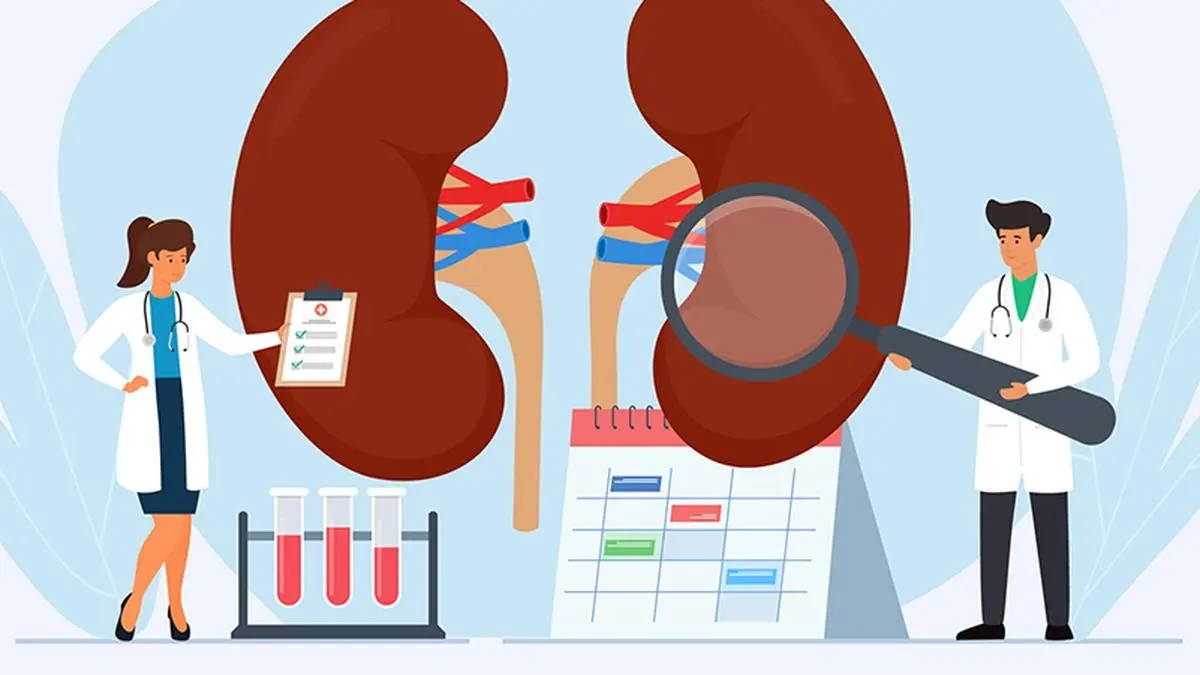
Boehringer Ingelheim’s (BI) Jardiance (empagliflozin) has now been approved by the Central Drugs Standard Control Organisation —India’s drug regulator — for the treatment of chronic kidney disease (CKD), as an additional indication.

The approval allows nephrologists and cardiologists to use Jardiance 10mg tablets for the treatment of CKD in eligible patients, the company said. The drug was originally approved for the treatment of Type 2 diabetes, and over the last few months, it has been getting approval in other countries as well, for CKD.

Announcing the approval, BI said, “The national regulatory authority of India, the Central Drugs Standard Control Organisation (CDSCO), has approved Jardiance (empagliflozin) 10mg tablets to reduce the risk of sustained decline in eGFR (only for patients with eGFR 30-90 ml/min/1.73m2), end-stage kidney disease, cardiovascular death and hospitalisation in adults with chronic kidney disease at risk of progression.”

Further, it added, Jardiance was not recommended for the treatment of CKD in patients with polycystic kidney disease or patients requiring or with a recent history of intravenous immunosuppressive therapy or greater than 45 mg of prednisone or equivalent for kidney disease.

“The approval has the potential to advance the standard of care for an estimated 33 million adults in India living with CKD and help relieve the burden on healthcare systems by reducing the risk of hospitalisations, as well as delaying progression to kidney failure, for people with CKD,” the company said.

“Chronic kidney disease is an important health issue and there is a significant unmet need for therapies that slow disease progression and improve outcomes,” said Gagandeep Singh Bedi, BI’s Managing Director, in a statement. Dr Shraddha Bhure, BI Medical Director added that CKD was a major health problem in India, arising from risk factors like diabetes, hypertension or cardiovascular disease, among others. “Patients with CKD progression are at increased risk of hospital admissions, cardiac events, kidney failure and death. Apart from the impact on health, a large proportion of patients with CKD also need to face catastrophic health expenditures,” she added.


Source link

The importance of battery recycling in the circular economy

The importance of battery recycling in the circular economy


The demand for lithium-ion batteries is expected to increase exponentially in the coming years, mainly due to the rise of electric vehicles, electric bicycles, and other high-energy applications such as electronic gadgets. For instance, by 2020, there will be one billion electric cars on the road globally.

In addition, global lithium-ion battery demand is expected to increase from 500 gigawatt hours (GWh) in 2019 to 4 GWh by 2030, which amounts to $2 trillion worth of investment needed for sustainable recycling globally over five years (2019-2025).

Li-ion batteries

Lithium-ion batteries are rechargeable batteries that use lithium ions as the positive electrode. They have a high energy density, meaning that they can hold a large amount of energy in a small space. Because of this, lithium-ion batteries are used in many consumer devices and electric vehicles. Larger lithium-ion batteries are also used to store energy from solar panels and wind turbines.

The typical lifespan of lithium-ion batteries is around 2,000 cycles (or thousands of charge/discharge cycles). The maximum lifespan for all types of rechargeable cells is about 1 million cycles; however, repeated cycling can reduce their performance significantly over time.

The demand for lithium-ion batteries is expected to grow at a CAGR of 9.6 per cent from 2020 to 2025. However, there is a lack of supply of lithium-ion battery raw materials in the world, and hence there has been an increase in price over time due to the limited availability of these raw materials.

Significance of recycling

Recycling lithium-ion batteries is essential to reduce the environmental impact of battery waste and to recover valuable metals. The recycling process involves the recovery of metals such as cobalt, nickel, and lithium from spent batteries. These metals can then be used to manufacture new batteries, reducing the need for mining new raw materials.

Several recycling technologies are available, including pyrometallurgy, hydrometallurgy, and biometallurgy. Pyrometallurgy involves the use of high temperatures to melt the battery components, while hydrometallurgy uses chemical solutions to dissolve the metals. Biometallurgy involves the use of microorganisms to extract metals from batteries.

Sustainable recycling

Sustainable recycling of lithium-ion batteries is essential to address the increasing need for batteries and minimise the environmental consequences of battery waste. A novel recycling

A method known as the “Hybrid Hydrometallurgy Process” has been developed, utilizing water as a key component in the recycling of lithium-ion batteries. This process offers a carbon-negative alternative compared to traditional recycling and mining techniques.

Recycling in India

India is one of the largest markets for lithium-ion batteries in the world. However, the country lacks a comprehensive policy framework for battery recycling. The government of India has recently launched the National Programme on Advanced Chemistry Cell Battery Storage to promote research and development in advanced battery technologies and to establish a robust recycling ecosystem for lithium-ion batteries.

In conclusion, the demand for lithium-ion batteries is expected to increase exponentially in the coming years, and sustainable recycling of lithium-ion batteries is crucial to meet this demand and reduce the environmental impact of battery waste. Recycling lithium-ion batteries can recover valuable metals and reduce the need for mining new raw materials. Governments and industries must invest in sustainable recycling technologies to ensure a circular economy for lithium-ion batteries.

The author is the co-founder and CTO of MiniMines Cleantech Solutions


Source link

Ask QX, an Indian AI for the world

Ask QX, an Indian AI for the world


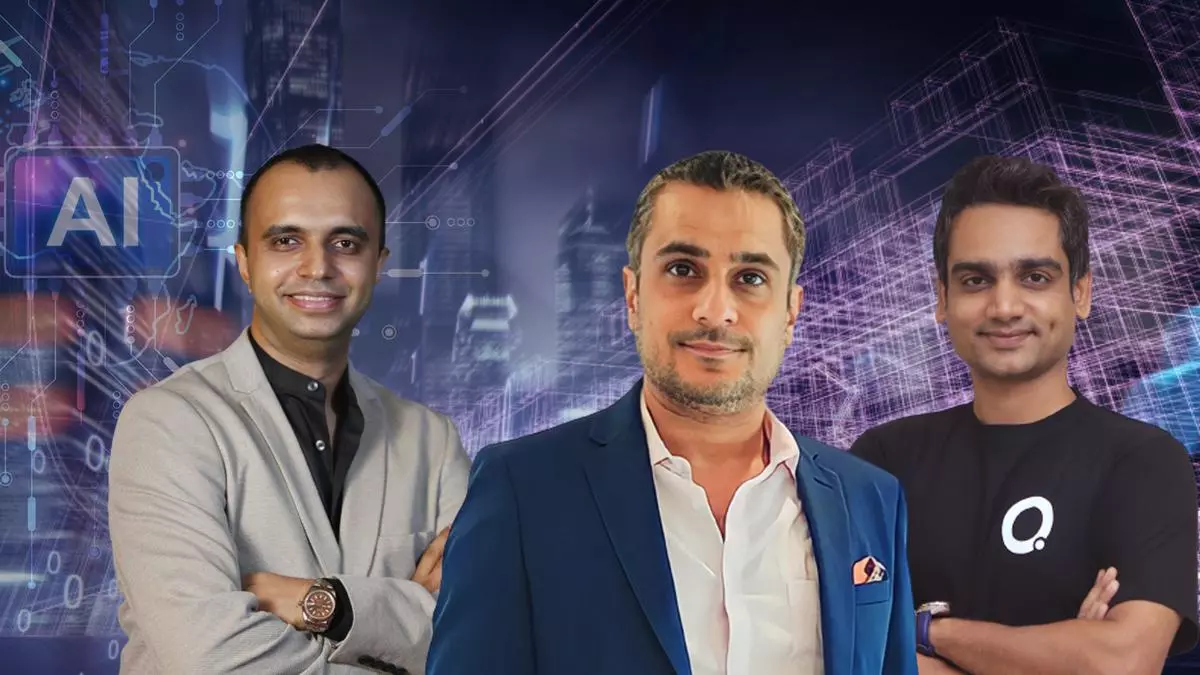
QX Lab AI launched the world’s first node-based, hybrid Gen AI platform ‘Ask QX’ in 12 Indian and over 100 global languages on February 2, 2024, in Dubai. Businessline spoke to the co-founders of QX Lab AI just before the launch to get an insight into an Indian foray in generative artificial intelligence (Gen AI) with some unique characteristics. Participating in the discussion were Tilakraj Parmar (CEO), Arjun Prasad (Chief Strategy Officer), and Tathagat Prakash (Chief Scientist). Excerpts:

While there has been a great deal of noise around Gen AI in the last 12 months following OpenAI’s launch of ChatGPT, you have come out of the blue. Can you tell us about your journey and the product.

Tilakraj Parmar: We have been working on the product for nearly eight years now. We are one of the first to build a product on a hybrid, node-based architecture. Our product is about 30 per cent GPT-based and the rest is a unique blend.

We are launching with 100+ of the planned 300 global languages and 12 Indian languages. This involved a significant effort to train and tune the programme just as the architecture and model-building.

Arjun Prasad: We are 3 Indian founders, bootstrapped and working for eight years on tech and then launching only when we were ready for the customer. Our strategy is to go for the B2C market and empower everyone with the power of AI.

Tilakraj: We have trained around 372 billion parameters which is roughly 6 trillion tokens — one token is roughly 750 words. Currently we are in the beta phase of web version that was launched in January.

We have almost 8 million users now, which is a big number for us because we were not expecting this kind of a response. We have had somewhere around 60 million prompts — questions that people ask on the platform.

So the goal is to not just focus on the English language. This is where we differ from the rest of the crowd. We want to get into the regional language market where we want people to think and write and create in their own language.

Do you allow only text-based interaction or will we have voice input as well? Also, new developments from OpenAI allows for the creation of one’s own GPT with specific inputs like spreadsheets and other structured documents. Does QX allow that?

Tilakraj: On the web, we don’t have voice input yet, but on the app that we’ve just launched, it is present. In our voice input feature you can ask questions, but the answer will come in text as of now. Voice response will be coming soon.

Arjun: The multimodal product is in alpha phase. It’s in our roadmap and we will release it at some point in the year. We are one of the very few companies that actually believe in delivering the tech-first and then talking about it. It’s in alpha phase right now and we want it to be fine-tuned to make sure it’s a beautiful product.

We will soon have the text-to-image, text-to-voice, voice-to-text options. We are also working on ensuring that the usability — our UI, UX — is user-friendly.

Given that a big promise — and I am sure, a big challenge — is the Indian languages’ capabilities of the system, can you tell us how you went about building it?

Tilakraj: The team’s Indian origin had a huge impact on the platform’s language features, particularly in terms of cultural understanding and linguistic diversity. We decided not to work with translations but with original material in the given language. While it was a challenge to find so much digitised material in Indian languages — other than the top 6 or 7 languages. It wasn’t just literature that we needed. We need current, on-going material from all areas as well as in languages.

Tathagat Prakash: To address this challenge, we looked towards synthetic data. Over a period of time this synthetic data will be replaced by actual data. But the synthetic data would have done its job — of not making the user feel like they are dealing with a translation.

Challenges include diverse structures, scripts, phonetics, scarcity of quality datasets, capturing contextual nuances, integrating cultural context, resource constraints for less common languages, orthographic disambiguation, speech recognition challenges, semantic ambiguities and the need for efficient algorithms in various technical environments.

Some recent developments suggest that guardrails around AI are not very strong. Have you done anything about this concern in QX?

Tilakraj: We use contextual inferencing and we have also put “ethical dilemma” in it, where if somebody puts in a query about some famous movie stars or great personalities from India or anywhere one else in the world, the program will stop. “Is it necessary to give that answer?” These are few things that we’ve worked very hard on. Before launching the product, we wanted to be very sure about contextual inferencing and the ethical dilemmas it brings in so that you know the product doesn’t affect the end user adversely.

Published on February 5, 2024


Source link

YouTube
Instagram
WhatsApp