Acute inflammation control

Acute inflammation control


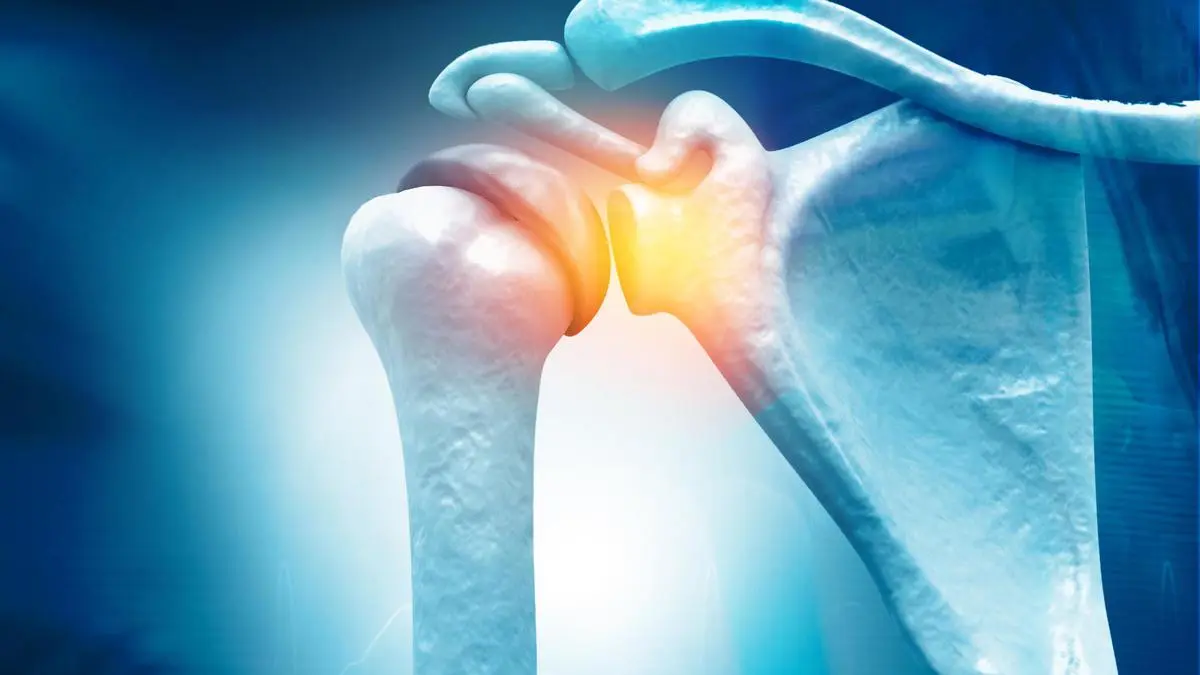
A new study has found that inhibitors of monoamine oxidases (MAOs), a family of enzymes that catalyse the oxidation of amines, may be repurposed for treating acute inflammation and used as a novel therapeutic target to develop a new class of anti-inflammatory agents.

Available drugs for inflammation target the “housekeeping enzyme” that preserves the normal physiological function called peripheral cyclooxygenase (COX-1, COX-2) enzymes. Most non-steroidal anti-inflammatory drugs (NSAIDs) control the five signs of inflammation by compromising the body’s normal homeostasis. Thus, biomedical scientists are constantly exploring novel targets for inflammation management.

Taking a cue from earlier studies that showed MAO inhibitors (MAOI), used for depression, significantly reduced joint pain and stiffness, scientists from the Institute of Advanced Study in Science and Technology (IASST), Guwahati, used an experimental animal model to repurpose MAOI as a new therapeutic target to develop novel anti-inflammatory drugs.

The researchers, led by Associate Professor Asis Bala, have explored the role of MAO mediated pathway in acute inflammation in an experimental animal model, says a press release.

The investigation found that MAO inhibitors may be re-profiled for treating acute inflammation.

The scientists have also experimentally proved that the MAO enzyme, a group of flavoenzymes that catalyse the oxidative deamination of dietary amines and biological amines, may be used as a novel therapeutic target to develop a new class of anti-inflammatory agents, the release says.

Dessication-tolerant hotspot

India’s biodiversity hotspot Western Ghats is home to 62 desiccation-tolerant vascular plant species, which could have applications in agriculture, particularly in areas with water scarcity. Vascular plants have vascular tissues — xylem and phloem — for transportation of water and nutrients.

Desiccation-tolerant (DT) vascular plants can withstand extreme dehydration, losing up to 95 per cent of their water content, and they revive themselves once water is available again. This allows them to survive in arid environments. In tropical regions, they are the predominant occupants of rock outcrops.

In India, DT plants have been relatively understudied. A recent study by scientists from Agharkar Research Institute, Pune, identified 62 DT species in the Western Ghats, way more than the nine known species previously.

The research, published in the Nordic Journal of Botany, includes an inventory of species with their habitat preferences. Sixteen species are Indian endemic, and 12 are exclusive to Western Ghats outcrops, highlighting the region’s importance as a global DT hotspot. In addition to rock outcrops, tree trunks in the partially shaded forests were also found to be crucial habitats for DT species, as per the study.

Nine genera of DT plants have been reported as new, with Tripogon capillatus representing the first record of an epiphytic DT angiosperm. The study also provides the first field observation-based proof of the DT properties of the gesneriad Corallodiscus lanuginosus. A time-lapse video records the hydration process of this species.

The team, led by Dr Mandar Datar and comprising Smrithy Vijayan, Aboli Kulkarni, and Bhushan Shigwan, collaborated with Dr Stefan Porembski, from Rostock University Germany, who is recognised as an expert on tropical rock outcrops.




Source link

Can you chant yourself into a deep, peaceful slumber?

Can you chant yourself into a deep, peaceful slumber?


A study by researchers from IIT-Mandi, IIT-Roorkee, Yale University (USA), University of Tubingen (Germany), and Brain Wave Science, Inc (USA), suggests that chanting the Hare Krishna mantra along with cognitive behavioural therapy (CBT) may be a cost-effective alternative to insomnia treatment. The ‘Hare Krishna mantra-based cognitive therapy (HMBCT)’ includes sleep restriction therapy, stimulus control therapy, and sleep hygiene, along with an audible mantra chanting-based training.

The results of the study were published in the Journal of Sleep Research and Therapy. The paper has been co-authored by Prof Laxmidhar Behera, Director, IIT-Mandi; Dr Tharun Kumar Reddy, Assistant Professor, Department of Electronics and Communication Engineering, IIT-Roorkee; and Dr Chandan Kumar Behera, Postdoctoral Associate, Yale University School of Medicine; Prof Niels Birbaumer, Director, Institute of Medical Psychology and Behavioural Neurobiology, University of Tubingen; and Dr Krishna Ika, President and CEO, Brain Wave Science, Inc, Southborough, USA.

Insomnia is a sleep disorder that affects millions of people worldwide and is characterised by difficulty falling asleep, or staying asleep, or both. Traditional CBT is a common treatment for insomnia, but it can be expensive and time-consuming. The researchers aimed to evaluate a novel, cost-effective alternative therapy that includes mantra chanting.

Explaining the rationale behind the research, Dr Laxmidhar Behera said, “Different spiritual traditions promote the use of chanting for spiritual awareness. Islam has prescribed prayers called Salah, while Christianity has the Gregorian chant. The Vedas, a large body of ancient Indian literature, describe the Hare Krishna mantra as a tool to purify the mind. Anecdotal reports have suggested that mantra meditation could improve sleep quality in primary insomnia subjects.”

The researchers conducted a pilot study to establish the groundwork for a larger study. They administered HMBCT therapy to one group of participants while another group listened to soothing music.

The six-week pilot study involved 48 male participants from varied faiths. Each week, the participants in the therapy group received six 45-minute sessions of HMBCT in the evening and were asked to practise the therapy on the evenings of sleep recording.

Sleep quality was assessed using behavioural measures, sleep logs, and sleep recordings before and after the treatment period. The results showed that HMBCT significantly improved sleep quality measures, including a 61 per cent reduction in Epworth Sleepiness Scale (ESS) scores and an 80 per cent reduction in Insomnia Severity Index (ISI) scores.

Participants did not take any sleep-inducing medication during the study.

The findings suggest that adding mantra chanting to traditional CBT may improve sleep quality.

Dr Reddy cautions that more research is needed to confirm the efficacy of HMBCT in treating insomnia.


Source link

How a healthy gut adds years to your life

How a healthy gut adds years to your life


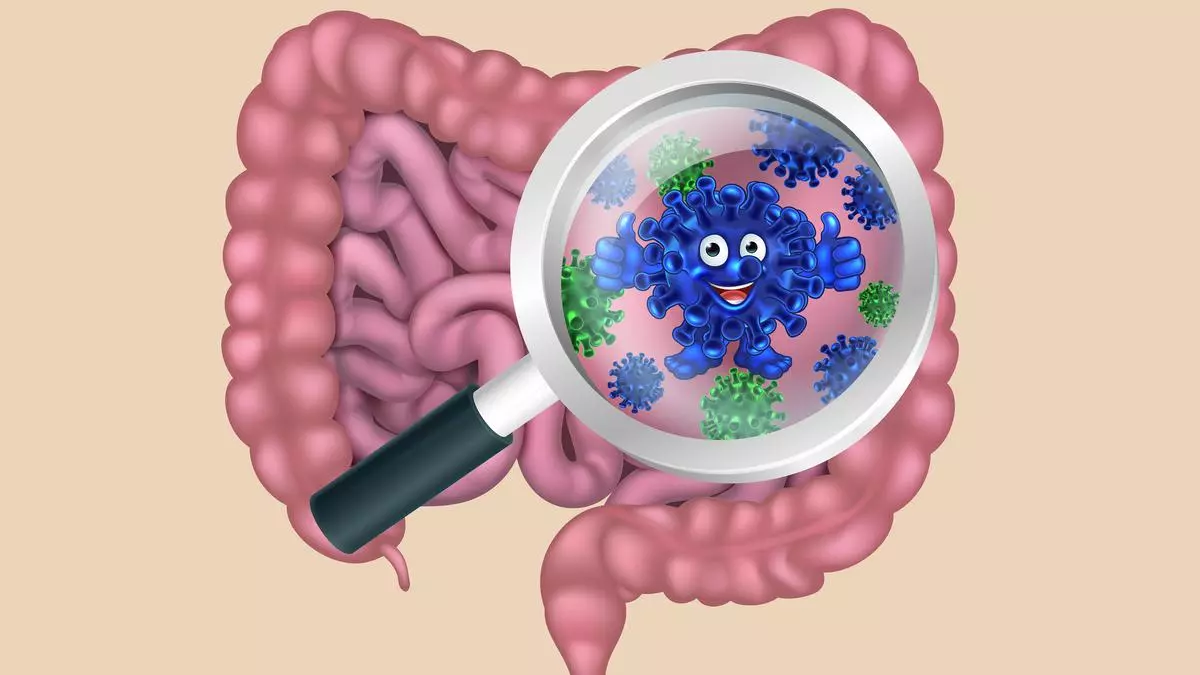
The impact of gut microbiomes on health, specifically neurological conditions, has gained significant attention in recent times. One particular metabolite, butyrate, has emerged as a crucial element in promoting brain health through the gut-brain axis.

“Without an externally administered synthetically produced butyrate as a supplement, we are able to make the human body produce its own butyrate by balancing the gut microbiome, which is probably a first in the world,” said one of the researchers, Samuel JK Abraham, Faculty of Medicine, Yamanashi University, Japan.

However, it is important to note that different pathways of butyrate production can lead to varying effects, including some that are detrimental. Maternal butyrate supplementation has also shown detrimental effects on offspring.

Researchers have been studying pullulans, beta-glucans produced by the yeast-like fungus Aureobasidium pullulans, which are found to help multiply butyrate-producing bacteria in the gut. (Beta-glucans are a group of polysaccharides, or complex carbohydrates, that are found in the cell wall of fungi, bacteria, and plants. Pullulan is a linear polysaccharide composed primarily of glucose units.)

“Butyrate being the single most demarcating factor between the longest living and the shortest, we can produce it not by a synthetic supplement, or a naturally produced supplement, but rather by making the gut environment good. So that is the most natural way towards a healthy, enduring, long life,” says Abraham.

Biological response modifier beta-glucans (BRMGs) such as nichi glucan have demonstrated anti-inflammatory effects in Covid-19 cases, anti-fibrotic effects in fatty liver disease, and improvements in behaviour and sleep patterns in people with autism spectrum disorder (ASD).

To further investigate the effects of nichi glucan, a randomised clinical study was undertaken involving 18 people with ASD, with one group receiving only conventional treatment and the other receiving nichi glucan supplementation.

The results showed that, from an abundance, the presence of enterobacteriaceae (which causes life-threatening complications) decreased significantly in the group receiving nichi glucan, while it increased in the control group. Changes were also observed at the species level, with decreases in harmful bacteria and increases in beneficial bacteria.

“These findings suggest that AFO-202 beta 1,3-1,6 glucan, produced by Aureobasidium pullulans, not only balances the gut microbiome in children with ASD but also potentially plays a prophylactic role in Parkinson’s and Alzheimer’s diseases,” the study showed.

The study also highlights the role of gut microbiota in health. Understanding the composition and function of gut microbiota in different populations and conditions can provide valuable insights for developing targeted interventions to improve health outcomes.

Live human study

A recent study titled ‘Gut microbiota differences in elderly individuals: A comparison between rural city Kyotango and urban city Kyoto’ explored the gut microbiota of older healthy individuals in two Japanese cities. The study revealed notable distinctions in the composition of gut microbes, highlighting the possible connection between gut microbiota and longevity.

The study, conducted by researchers from a Japanese university, involved 102 participants — 51 from Kyotango and 51 from Kyoto — matched by age and gender. Faecal samples were collected from each participant and analysed using 16S ribosomal RNA gene sequencing to determine the diversity, abundance, and function of their gut microbiota.


Source link

Precise cellular delivery

Precise cellular delivery


Researchers at IIT-Madras have developed a technique to deliver large-sized biomolecules into live cells using infrared laser pulses.

This technology, known as ‘photoporation’ or ‘optoporation’, is a safe and effective method to transport molecules into cells for potential use in disease diagnosis and treatment.

Biomolecules are essential chemicals produced and utilised by living organisms, and form the basic building blocks of life. Nucleic acids, a specific type of biomolecule, make up the genetic material (RNA and DNA) in living organisms. The introduction of nucleic acids into living cells is called ‘transfection.’

Researchers worldwide are investigating multiple transfection techniques such as microinjection, electroporation (using an intense electric field to introduce small molecules into cells), and photoporation.

The team at IIT-Madras has been working to develop devices that perform parallel high-throughput photoporation for cellular therapy and diagnostics.

This method involves using a light, directly or indirectly, to create temporary nano pores in the cell membrane, allowing for the delivery of biomolecules like drugs, genes, and proteins.

“It is a precise and non-invasive technique that provides higher efficiency with lower toxicity and less damage to cells,” says Dr Tuhin Subhra Santra, associate professor, Department of Engineering Design, IIT-Madras.

The researchers created a titanium micro-ring device to be placed near the monolayer cells into which the molecules must be introduced.

When the micro-ring is exposed to infrared laser, photothermal bubbles are produced on its surface.

The bubbles are induced on the cell membrane; when they collapse, the resulting jet flow in the vicinity of the cell membrane creates nanopores.

Toughened bio-material

Dr Paramita Das, assistant professor at the Functional Nanocomposites Lab, Department of Chemical Engineering, IISER, Bhopal, has developed ‘ternary nanoparticles’ from biological materials such as carboxymethyl cellulose polymer. Ternary nanocomposites are composed of three distinct components at the nanoscale. These components typically include two types of nanoparticles and a matrix material that surrounds and binds them together.

Ternary nanocomposites exhibit unique properties arising from the synergistic interactions between the three components.

“These ternary nanocomposite films are not only flexible but also exhibit high tensile strength, stiffness, and toughness, and could be placed among the top end of the CNC-based bouligand-structured nanocomposites,” says a note from IISER, Bhopal.

Ternary nanocomposites have a wide range of applications in electronics, energy storage, catalysis, sensors, coatings, and biomedical engineering.

By manipulating the composition, size, shape, and distribution of the nanoparticles within the matrix material, researchers can design ternary nanocomposites with specific properties for different applications.

Today there is a need for high-performance, mechanically strong and lightweight engineering materials for various applications, including packaging, structural engineering, transportation, energy, environment, and aerospace.

Biological materials have outstanding mechanical properties because of the combination of multiple building blocks and sophisticated hierarchical arrangements at various length-scales, the paper says.


Source link

Mindfulness meditation as emotion regulator

Mindfulness meditation as emotion regulator


Two recent studies by IIT-Bombay researchers Rashmi Gupta and Surabhi Lodha examine mindfulness meditation and its potential role in regulating emotions and anger.

Mindfulness meditation encompasses cognitive conditioning through techniques such as attentive respiration, body scans, gentle stretching, yoga postures, and mindfulness in everyday tasks.

The study, titled ‘Irrelevant angry, but not happy, faces facilitate response inhibition in mindfulness meditators’, aims “to address the potential interactive role of mindfulness and irrelevant emotional information in response inhibition”.

In the experiment, 58 participants — including 23 who practised ‘mindful meditation’ regularly — were given a simple task, followed by a comprehensive questionnaire.

The task involved pressing a key if the screen said ‘go’ or refraining when it said ‘stop’. Before each prompt, the participants were shown an image of a ‘happy, angry or neutral’ face, which they were asked to ignore.

The image flashed for 85 milliseconds, while the prompt flashed for 250 milliseconds. The participants were encouraged to respond promptly and accurately to the cues. The survey at the end recorded each participant’s attention and awareness levels, mood and impulsivity, as self-reported by the participants on a scale of 1 to 5.

On average, individuals who regularly practised mindfulness were shown to have greater proficiency in abstaining from pressing the key when prompted with a ‘stop’ signal, compared to the rest. This difference was particularly notable when participants were exposed to an angry face prior to the cues.

The findings indicate that mindfulness practice facilitates swifter processing of negative emotions without compromising on the ability to regulate impulsive responses.

The study says, “Monitoring negative emotions, anger, could be considered an adaptive strategy that individuals acquire from sustained mindfulness practice.”

“The study reveals that mindfulness influences the attention-emotion interface to promote meaning in the face of difficulty,” Gupta told Quantum.

In another study, ‘Are you distracted by pleasure? Practice mindfulness meditation’, the researchers conducted two experiments with 154 participants, of whom some practised mindfulness meditation.

The participants had to locate a specific letter among many arranged in a circle and press a key. Angular letters like H, K, W, M and Z presented a more challenging task compared to others like O.

In some trials, the participants were shown a distracting image in the centre, but were told to ignore it. In the first experiment, the image was of happy or angry faces, while the second experiment had pleasurable (highly arousing) and unpleasant (mutilated) images.

Participants had 1,900 milliseconds to respond. It was found that, on average, the distracting image delayed the response. Those who practised mindful meditation were found better able to ignore positive distractions when the task was challenging.

So, why did negative emotions require greater attentional resources?

Negative emotions, like anger and fear, require more cognitive processing because they are seen as threatening. This can make it harder to shift attention away from them, explains Gupta.

The study, however, has limitations. “Despite including an age-matched control group, individual differences like personality factors might have disposed the individuals towards meditation practice and are responsible for the observed differences between the two groups,” the authors say.


Source link

Green shoots on the Red Planet

Green shoots on the Red Planet


Much as we admire Mark Watney’s ingenuity in manufacturing water from leftover rocket fuel to grow survival potatoes in his Martian garden, we do also realise that fact is much harsher than fiction. In the 2015 movie Martian, food could be grown on the Red Planet on the director’s (Ridley Scott) whim, but really nothing can grow easily once you leave the earth’s benign atmosphere.

That’s why the US space agency, NASA, put out a Space Food Challenge; and the phase-2 winning entries were announced last week.

Among the eight who graduated to the third phase of the competition is the Brooklyn, New York-based Air Company, whose idea is to make alcohol from an astronaut’s breath. The alcohol is food for a yeast variety that can produce something edible.

Massachusetts Technology Review quotes Air Company’s co-founder and CTO Stafford Sheehan as saying that the system would ferment continuously to supply food, so that “whenever you feel like you want a space protein shake, you make one from this yeast that’s growing”.

Another successful entrant, Interstellar Lab, based in Florida, makes ‘bio pods’ or capsules that have their own temperature and humidity control and watering system. You can grow a variety of plants, and even insects such as black soldier flies, for proteins.

NASA needs to figure out how to grow food in outer space because it is impossible to carry enough food for astronauts on long missions, such as a Mars voyage, which would take a year each way.


Source link

YouTube
Instagram
WhatsApp



