How to jettison fossil fuel

How to jettison fossil fuel


Flying is an activity that emits greenhouse gases, and the main culprit is aviation turbine fuel — a kerosene. Therefore, a global search is on to replace kerosene, at least partly, with a more environment-friendly fuel. The search has yielded a class of plant-based fuels that have now come to be known as ‘drop-in sustainable aviation fuels’ or SAF, where ‘drop-in’ refers to functional similarity to fossil fuels. As Aaditya Khanal and Mohammad Shahriar of University of Texas, Tyler, observe, the carbon dioxide production during SAF combustion in aircraft engines “is roughly equivalent to the carbon dioxide absorbed by the plants to produce the biomass”. So, we have a solution at hand, right? Wrong.

The problem

The problem is to do with economics. SAF has been known about for years. The first commercial flight with 50 per cent SAF blend was KLM’s Boeing 737-400 between Amsterdam and Paris, carrying 171 passengers, on June 29, 2011. Since then, according to Khanal and Shahriar, over 2,500 commercial passenger flights of 22 different airlines have used 50 per cent SAF derived from jatropha, cooking oil, camelina and sugar cane. Yet, the consumption of SAF is less than a per cent of total jet fuel.

Average global SAF production from 2013 to 2015 was 0.29 million litres per year, which rose to 6.45 million litres per year from 2016 to 2018. Additionally, annual global SAF production was projected to reach 8 billion litres by 2032. Sounds like much, but this is really like offering a banana to a hungry elephant.

The first-generation SAF is useless because it is made from edible oils needed for food. The second-generation SAF — produced from jatropha, castor, pongamia pinnata and so on — is the one under consideration, because the third-generation SAF, produced from photosynthetic algae, emits more greenhouse gases than it saves.

The conventional process for producing second-generation SAF is known as HEFA ( hydroprocessed esters and fatty acids), which calls for the removal of oxygen present in fatty acids in plant oils, by adding hydrogen. Now you know the problem — hydrogen. The process needs energy and one must also consider the land-use change needed to grow crops for SAF, and the water and fertiliser consumption. Overall, SAF is two to five times costlier than conventional jet fuel.

The solution

In a research paper published in the preprint server bioRxiv.org, Timothy Sheppard, et al, suggest a new technology called ‘electromicrobial production’ (EMP) of SAF, which, as the name suggests, uses microbes. “Production of hydrocarbons using electrically powered microbes employing fatty acid synthesis-based production of alkanes could be an efficient means to produce drop-in replacement jet fuels using renewable energy,” the authors say. These microbes “have an extraordinary ability to manufacture organic compounds using electricity as the primary source of metabolic energy”, they say. This process uses light, atmospheric carbon dioxide and electricity.

Traditionally, engineered cyanobacteria are used for microbial production, but they are difficult to engineer. Sheppard points to a better microbe,  Vibrio natriegens, capable of ‘extracellular electron uptake’ (EEU).

There are two ways of getting microbes to produce biomass. One is hydrogen oxidation, where the microbes consume hydrogen to produce biomass. The second — EEU — involves delivery of electrons into cells, either through a diffusible intermediary such as water-soluble quinones, or through direct electrical contact with an anode.

“We believe the time is right to start scaling up production of jet fuels with EMP,” say the authors of the paper. They believe that “hydrogen-mediated EMP” is a slightly more efficient method, but are also working on EEU as a viable alternative.

Peer comment

Asked for a response to the paper, Dr Anjan Ray, Director, Indian Institute of Petroleum, Dehradun (which is also engaged in the development of SAF) told  Quantum: “Conceptually, it is rather exciting to imagine an electromicrobial system, as described by the authors, with the theoretical conversion efficiencies indicated.”

However, Dr Ray cautioned against undue optimism. The results in the paper indicate only the theoretical possibilities, not the practical limitations, of the proposed process of carbon fixation, wherein carbon dioxide provides the carbon source and electrical energy provides the metabolic energy for the conversion of carbon dioxide, by the microbe, into alkanes and terpenoids in the desired jet fuel range, he said.

Observing that Sheppard’s paper describes the best-case scenarios, which are impressive, Dr Ray said that the probability of practically achieving such efficiencies is not evident at this time. “I expect this to be a long haul of several years, if not decades,” he said.

He further observed that the “efficiencies only indicate the extent of energy conversion, not the kinetics (the rate at which such conversion happens over time)”. Electromicrobiological kinetics can vary widely, so a lot more research would be needed before one can be sure of producing an adequate volume of fuel.

“In essence, it is too early to comment on the chances of commercial success for this route or a timeline for such success — but the proposed pathway is potentially exciting and disruptive,” Dr Ray said.


Source link

Methane by industry, for industry

Methane by industry, for industry


With the next global climate conference (COP-27) barely 45 days away, there is heightened focus on how to avoid greenhouse gas emissions. Methane is a deadly greenhouse gas (though shorter-lived than carbon dioxide) and it is impossible to avoid production of methane altogether. For example, methane is produced in the oil industry when gas is flared.

One good way to neutralise the methane menace is to use the gas in applications where it is broken into its constituent elements. For this, we turn to an old industrial process — diamond coating.

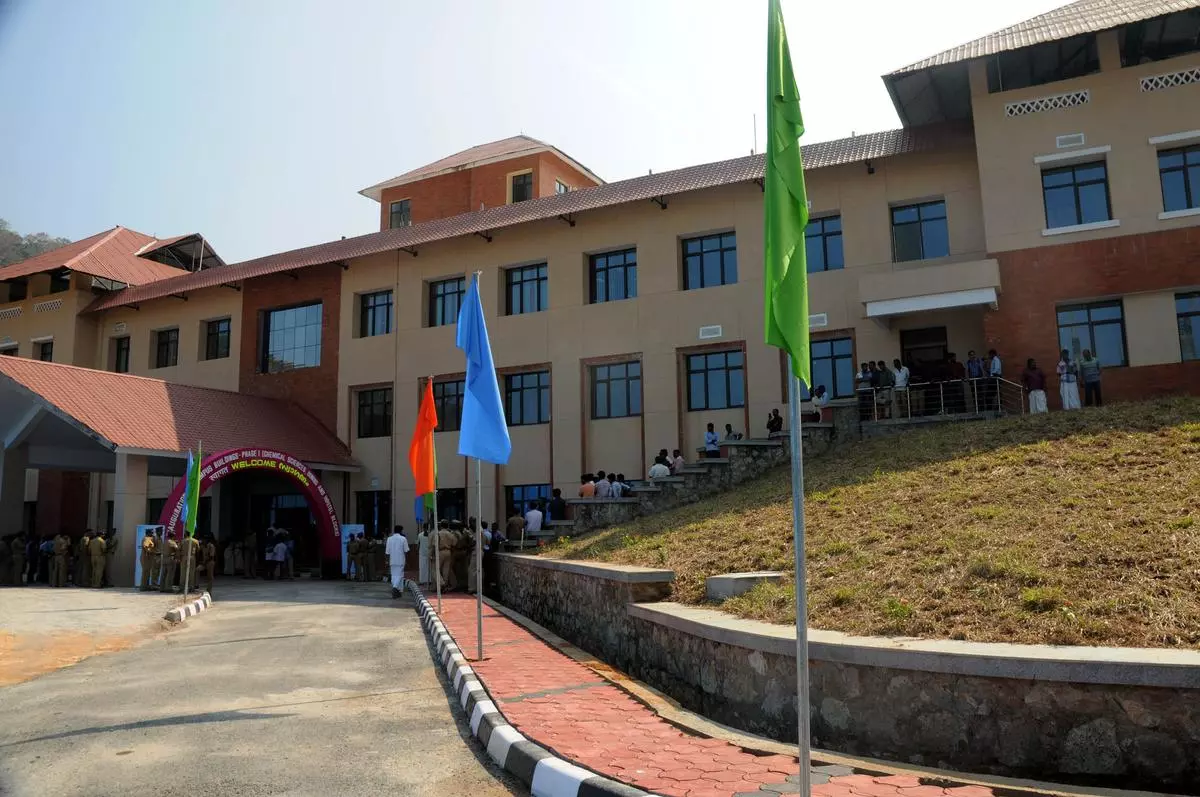
One of the activities of the Materials Research Lab at IIT-Madras is to develop different technologies for coating surfaces with diamond to impart surface hardness, wear-resistance and lubrication properties for various applications. The developed technologies are commercialised by Kapindra Precision Engineering, a start-up incubated at IIT-Madras Research Park.

Prof MS Ramachandra Rao of the Department of Physics, IIT-M, told  Quantum that the process of diamond coating surfaces is a good way of using methane harmlessly.

But first, a cautionary note — there is no diamond here. Nor is there a sparkle, for it is all black carbon. Diamond is just one of the avatars of carbon, like coal and graphite. They all differ in the manner in which carbon atoms are structured, which in turn comes from how the electrons are arranged (in sub-orbitals).

Therefore, all you need to get a diamond coat is some carbon. A good provider of carbon is methane, which is a molecule of one carbon atom attached to four hydrogen atoms. To separate carbon from this molecule you need extremely high energy. The machines used for coating materials (such as tools or auto components) feature several extremely thin tungsten filaments. When electricity is passed through the filaments they become very, very hot — 2,200 degrees C. If you push methane through these hot filaments, the gas breaks, step-by-step, into hydrogen and carbon. The carbon deposits on any substrate kept below the filaments, forming a diamond-hard coat.

Carbon exists with three types of electron bonds — sp1, sp2 and sp3. These refer to the regions where the electrons are most likely found in each orbit around the nucleus. Basically, sp2 is graphitic carbon, while sp3 is diamond.

When methane gas is passed through the ultra-hot filaments and the carbon and hydrogen split, the carbon comes in both sp2 and sp3 forms. However, some of the hydrogen (just divorced from carbon) still has an affinity for sp2 carbon — it reunites with sp2 carbon, leaving behind sp3 carbon, or diamond, which is coated on the surface. Interestingly, the process also yields some pure hydrogen.

Diamond coating, thus, presents an opportunity to use methane and produce hydrogen, too.

The machines used for diamond coating are imported, but IIT-M has got one indigenously produced, at a fraction of the import cost.


Source link

Cactus packaging for food

Cactus packaging for food


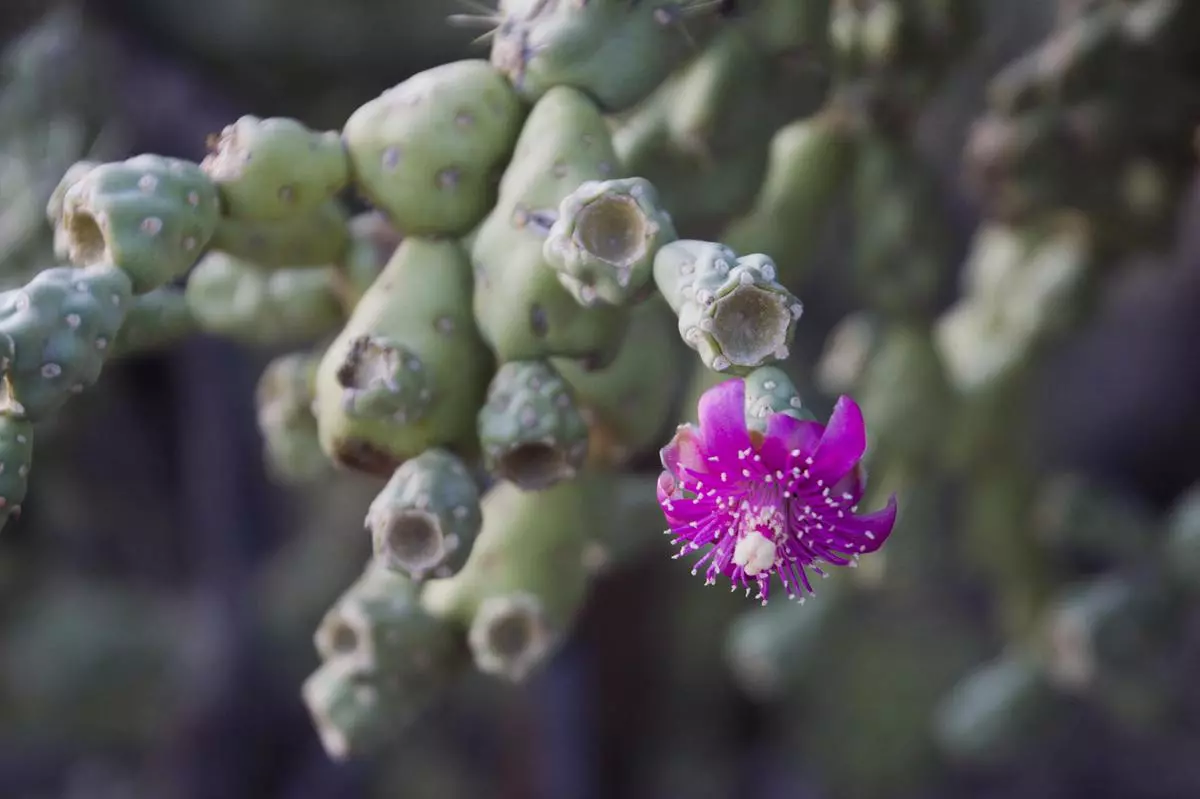
Scientists at IIT-Roorkee have developed a biodegradable, antimicrobial packaging material by combining gelatin with two cacti varieties,  Cylindropuntia fulgida (CF) and  Euphorbia caducifolia extract (ECE), though the latter was used less. Gelatin is a good antimicrobial packaging material but has poor mechanical properties (like strength) and absorbs water. Adding the cacti countered these two issues.

In a paper on the material, published in the  International Journal of Biological Macromolecules, the authors — Lokesh Kumar, Ram Kumar Deshmukh and Kirtiraj Gaikwad — say they chose  Cylindropuntia fulgida as a polymer because of “ its low cost and availability”.

Prof Gaikwad told  Quantum that the gelatin-CF-ECE composite film is suitable for food packaging, given that all the ingredients are natural.

“The packaging film also exhibits antimicrobial properties, which make it suitable for the preservation of perishable fruits and vegetables. The composite film is flexible with excellent heat-sealing properties, can be converted into shelf-standing pouch for the packaging of low-moisture food products,” Gaikwad said.

Cerium oxide for bone health

Surgical cotton microfibres loaded with nanoceria (cerium oxide) could be a new platform for bone tissue engineering, according to a joint study by IIT-Roorkee and Indian Institute of Engineering Science and Technology (IIEST), Shibpur.

Bone regeneration is hampered by ‘oxidative stress’ — a situation in which cell-damaging ‘reactive oxygen species’ such as peroxides and superoxides exceed the anti-oxidants that can neutralise them. Polymer scaffolds loaded with material that scavenge these free radicals have always been used. Now, the IIT-Roorkee and IIEST study has discovered that integrating nanoceria into cellulose-gelatin and freeze-drying the mix to produce ‘CG-NC scaffolds’ helps a lot in bone regeneration.

“Adding nanoceria to the scaffolds improved mechanical, bio-mineralisation properties, and decreased swelling and in-vitro weight loss. In-vitro studies confirmed that CG-NC scaffolds supported cell proliferation and differentiation better than bare (CG) scaffold,” says a paper produced by the scientists and published in the  Ceramics International journal.

Fresh juice, forward osmosis

Forward osmosis is a good method for concentrating pomegranate juice with minimum effect on quality and extended shelf-life, a study by the Central Food Technological Research Institute, Mysore, has revealed.

Researchers Das Trishitman, Pradeep Negi and Navin Rastogi concentrated pomegranate juice using forward osmosis and thermal evaporation methods.

Based on the hydroxymethyl furfural content (less than 25 mg per kg), it was concluded that juices concentrated through forward osmosis could be stored at ambient and accelerated conditions for 101 and 66 days, respectively.

Comparatively, thermally concentrated juice could be stored only for 31 and three days, respectively. Further, forward osmosis also resulted in a four-fold increase in brix as well as anthocyanin content, says a paper produced by the scientists and published in the Food Chemistry journal.


Source link

Honey, who shrunk our brains?

Honey, who shrunk our brains?


Joe Bauers was put to sleep. When he woke up 500 years later, in a ‘human hibernation’ experiment that went bad, he found himself to be the smartest person in the whole world.

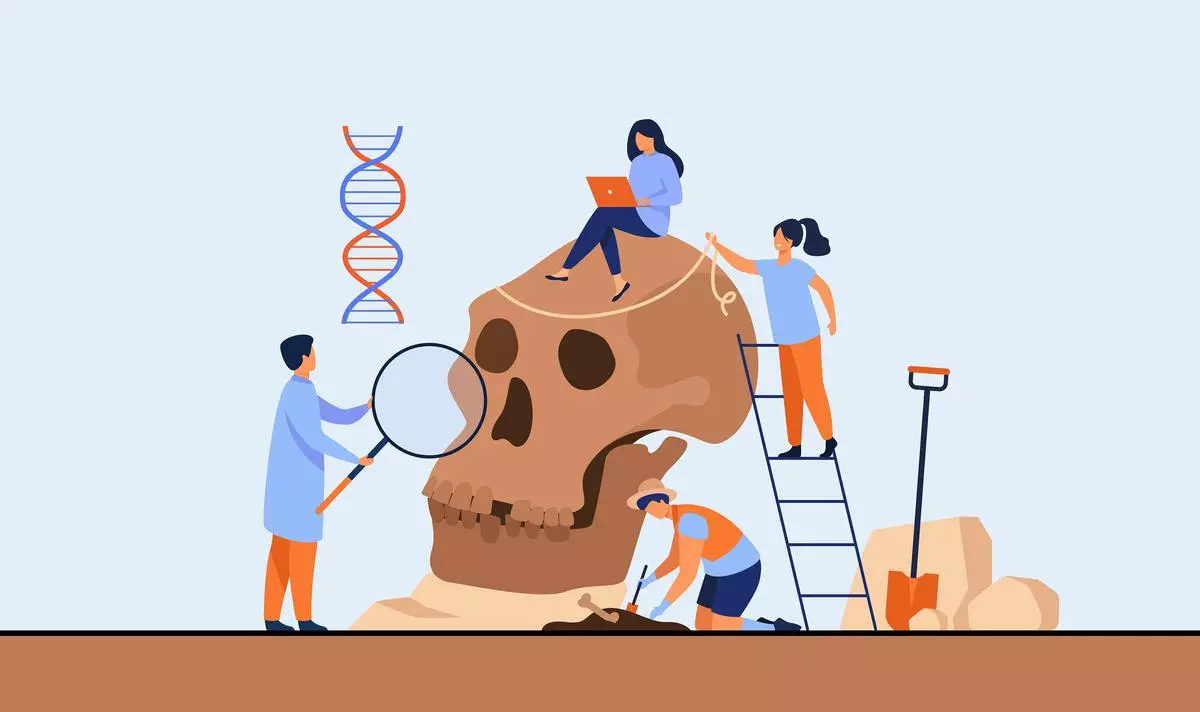
The message embedded in this storyline of the 2006 movie  Idiocracy is that humans are progressively getting dumber. The idea presumably arose from some research findings that the size of the human brain has been shrinking over millions of years, though there is no evidence that this has diminished man’s cognitive ability — which has, in fact, only increased.

The ‘shrinking brain’ theory was born out of studies of the skull size of Homininis — our ancestors. It has many takers. John Hawks of the University of Wisconsin long held this view, as did Christopher Stringer, a paleoanthropologist at the Natural History Museum, London. And, more recently, Jeremy DeSilva, paleoanthropologist at Dartmouth College, produced a paper, after studying 987 skulls, that dramatically announced that the brain size of human ancestors increased 2.1-1.5 million years ago, but started to sharply decrease 3,000 years ago, and is now a lemon smaller. This claim has been refuted by other scientists, notably Brian Villmoare, anthropologist at the University of Nevada, Las Vegas.

The general explanation is that, after humans became domesticated, turned agriculturists and learned to read and write, a big brain was not necessary. With gadgets assisting us, our brains could become even smaller.

Moral of story: if you want to be the smartest person on the planet, just sleep off for 500 years.


Source link

Tree of sustainable life

Tree of sustainable life


At a time when the world is trying to grow forests to offset carbon dioxide emissions, and many companies are looking at options like bamboo and mangrove — which have high potential to suck up atmospheric carbon — news is oozing out about a better candidate for carbon forestry.

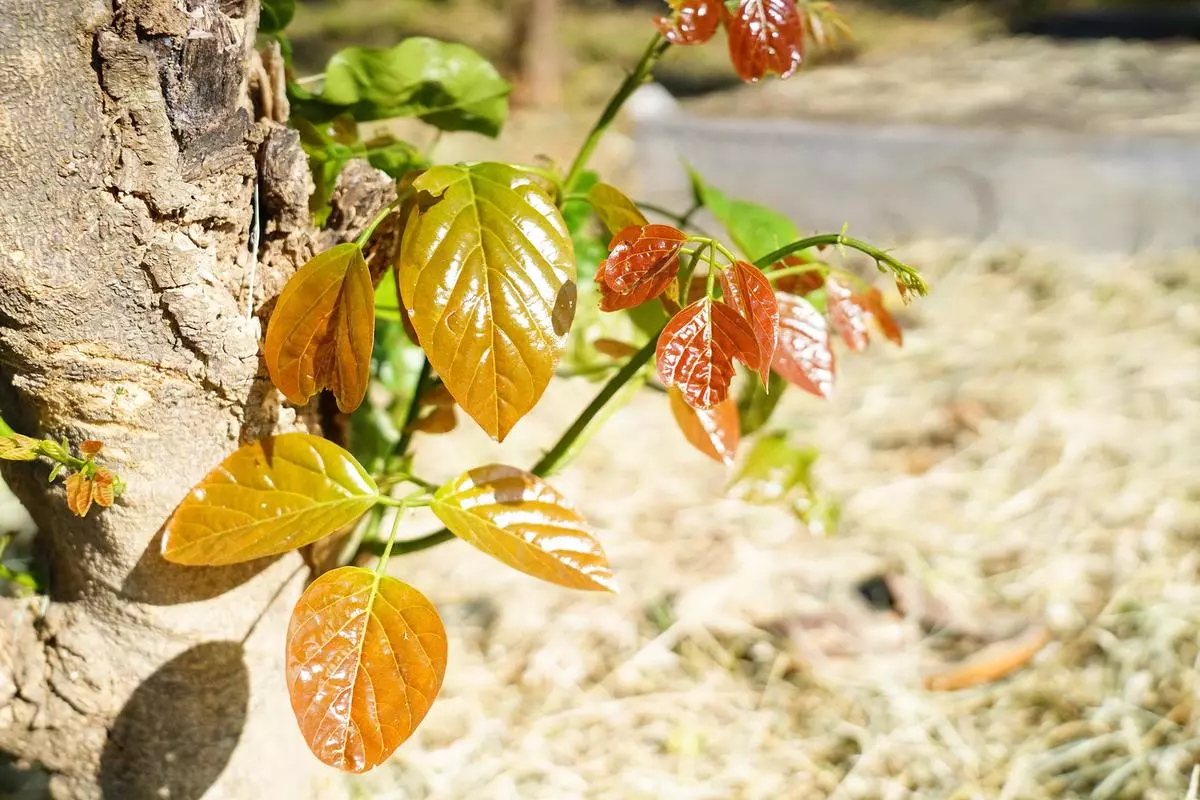
Pongamia pinnata — better known in the subcontinent by names like Indian beech, karum tree, mullikulam tree, pongam and pongam oil tree — has attracted the attention of global investors and companies that have committed to net-zero emissions, according to an August 2021 report titled ‘A technical and economic appraisal of Pongamia pinnata in northern Australia’, produced by AgriFutures, Australia. The report says that Qatar Airways and “a large Japanese company” were interested in funding  Pongamia pinnata plantations for carbon offsets. Investancia Holding BV, a leading agroforestry and research company, announced in 2021 that it would plant 50 million  Pongamia pinnata trees over 125,000 ha in Paraguay to deliver 300,000 tonnes of Pongamia ‘reforestation oil’ annually by 2030.

A recent research paper on the tree’s appropriateness for reforestation, titled ‘A critical review of Pongamia pinnata multiple applications: From land remediation and carbon sequestration to socioeconomic benefits’, by scientists at the University of Reading, UK, has gone into the root (pun intended) of the issue. Indeed, the tree’s tap roots go as deep as 10 metres, which means the tree can be grown on marginal lands and won’t compete with food crops.

The paper cites a number of virtues. For one, the seeds are a good source of (non-edible) oil. Though the commercial viability of the oil, as a standalone product, is not certain, it will be viable with carbon credits. “Several companies have recently invested in Pongamia as a source of biofuel, including Investancia, BPA Australia, Tree Oils Limited, Cleanstar Energy, Betterworld Energy, and PHYLA Earth,” the paper says.

Pongamia seeds give out an oil that is yellowish-orange to brown and can be used to produce biodiesel through trans-esterification.

Biodiesel production from Pongamia generates 7.88 kg of biomass waste per kg of biodiesel, mainly in the form of pods and seed cake. Total energy (expressed in megajoules) of the biomass waste has been estimated to be 3.46 times higher than the energy of 1 kg of biodiesel. This provides a great opportunity for an integrated valorisation pathway, as the biomass waste can potentially be used as anaerobic digester feedstock for biogas production. The digestate produced can, in turn, be used as organic fertiliser, given its high nitrogen content.

Cost advantage

“An Indian study concluded that Pongamia residues produce more biogas than other commonly used oilseed trees such as  Jatropha curcas, and that the sale of biogas can lead to economic returns 2 to 3 times higher than the direct sales of residues, potentially reducing biodiesel production costs by 30–80 per cent,” the paper says. This could give Pongamia-derived biodiesel a competitive advantage over diesel. The utilisation of Pongamia waste in biogas digesters can also contribute to a circular bio-economy, benefiting the environment, say the authors.

The tree can grow on a wide range of soil types including rocky, heavy clay, sandy, alkaline, and saline soils; however, drained sandy-loam soil with adequate moisture is ideal for it. The flowers are a good source of pollen and nectar, making bee-keeping viable.

The carbon dioxide sequestration potential of Pongamia during the 10–15 years of its growth has been found to be many folds that of several other tree species. A study in 2006 estimated that, over a 25-year period, one Pongamia tree can sequester 767 kg of carbon. The carbon sequestration ability of Pongamia was calculated for 3,600 trees planted in Adilabad district of Telangana.

The certified carbon emission reduction was sold to ‘500 ppm GmbH’, a German environmental group. The purchase was for ten years’ supply of emission reduction from 140,000 kg of Pongamia oil, worth $4,164.

Santosh Singh, Managing Director—Climate and Agri Solutions, Intellecap, a firm that advises on social and impact investment, told  Quantum that  Pongamia pinnata has emerged as “a favourite for agro-forestry and carbon sequestration projects”.

He said that the “drought-hardy species… seamlessly gets integrated in many agro-forestry models”. It is a good source of biodiesel and “the emergence of carbon market will make it more attractive as this has much better carbon sequestration potential than other species such as mahua and neem,” he said, while also cautioning against monoculture.


Source link

IISER’s tryst with click chemistry 

IISER’s tryst with click chemistry 


Linking two molecules to form a desired larger molecule routinely happens in chemistry labs, but sometimes it is not easy. The linking might require a lot of heat with undesirable side-effects or cannot be carried out in isolation, which, in turn, would produce undesirable by-products.  

Click chemistry, for which three scientists — Carolyn Bertozzi, Morten Meldal and Barry Sharpless — got the chemistry Nobel Prize for 2022, is a method of linking molecules in a practicable way. 

After Sharpless and Meldal, working separately, developed click chemistry in 2001, the field has grown, with applications in pharmaceuticals and material science, but has remained a phenomenon involving liquids.  

The Indian Institute of Science Education and Research (IISER), Thiruvananthapuramhas done some noteworthy work in click chemistry involving solids, which could give rise to a variety of new industrial applications. But first, how exactly does ‘click chemistry’ work? Suppose you want to link molecules A and B to make a larger molecule AB, and you find that A and B won’t link easily, you have a problem. But if you find two ‘complementary reactive groups’ (CRGs), say, x and y, which can be linked to A and B, your problem is solved. You link A to x and B to y and make them react, so that you have AzB, with the linker ‘z’ in the middle.   

In click chemistry, x and y are usually azide and alkyne. To put it simply, an azide is a functional group (molecule) of three nitrogen atoms, linked with double bonds; an alkyne is a functional group of two carbon atoms, hooked to each other with a triple bond. So, if A is linked to an azide and B to an alkyne, you can link A and B together using a triazole, the product of a reaction between azides and alkynes (examples of other CRGs that click with each other include thiol-alkene, diene-dienophile, and tetrazine-alkene).  

What happens to the azide and alkyne after the two molecules A and B are linked? Prof Kana M Sureshan of IISER, Thiruvananthapuram, explains thus: In the reaction, the azide and alkyne get converted to ‘triazole’ (a five-sided ring containing two carbon atoms and three nitrogen atoms), which bridges the two entities together. If an azide attached to an entity ‘A’ and an alkyne attached to an entity ‘B’ react, it gives a new molecule in which fragments A and B are bridged by the newly formed triazole-ring. So, there is no more azide or alkyne in the system after the reaction. The triazole cannot be got rid of; it is part of the new molecule synthesised.”  

The propensity of azides and alkynes to click together was discovered half a century ago by the German scientist Rolf Huisgen (who died at 99 in 2020), but the technique could not be used because it required 160 degrees C, at which temperature other problems arose.  Sharpless and Meldal, working separately, discovered in 2001 that the reaction can happen at room temperature, and in a better manner, with copper as catalyst — a reaction that is now famously known as ‘copper-assisted azide alkyne cycloaddition’. Bertozzi found a way of doing away with the toxic copper for bio applications, by ‘straining’ the alkyne into a ring — giving it energy like a spring — for the azide-alkyne cycloaddition reaction. This is immensely beneficial because, unlike other ways of linking two chemicals, the azide-alkyne method does not engender other competing reactions.   

IISER proves its mettle  

IISER has gone a step ahead, doing azide-alkyne cycloaddition in solid state. “Like Bertozzi’s strain-promoted azide-alkyne cycloaddition (SPAAC), our topochemical azide-alkyne cycloaddition (TAAC) requires no catalyst. This is achieved by organising azide and alkyne at a close proximity in the crystal lattice,” Sureshan told Quantum. In this crystal engineering, the designed molecules have to pack in such a way that the azide of one molecule and alkyne of another are placed close together, at a ready-to-react distance.  

Prof Sureshan’s team does polymerisation — making chains of monomers (identical molecules) — using TAAC. He explains: “We have designed monomers using carbohydrates, peptides and even nucleosides and polymerised them using our TAAC chemistry to get polysaccharide-mimics, protein-mimics, and DNA-mimics, respectively.”  

The excitement behind such polymerisation is that the result is crystalline polymers, which cannot be made by conventional methods. Crystallinity gives special properties to materials.  

Sureshan has achieved the synthesis of a crystalline material that can reversibly absorb water molecules from the atmosphere, making it a material that has huge potential for atmospheric water harvesting.  

IISER has synthesised several biopolymer-mimics, that have industrial applications. Right now, Sureshan is working on making bio-compatible materials for implants. A bone has a mesh of proteins into which inorganic phosphates are embedded, he explains. “We can use our chemistry to make protein-mimics as templates to embed phosphates.”  

Sureshan is also working on alkenes, instead of alkynes, which is possible in solid-state reactions. The result is ‘triazoline-linked polymers’, which are amenable to be worked on to yield a bouquet of functional polymers.  


Source link

YouTube
Instagram
WhatsApp