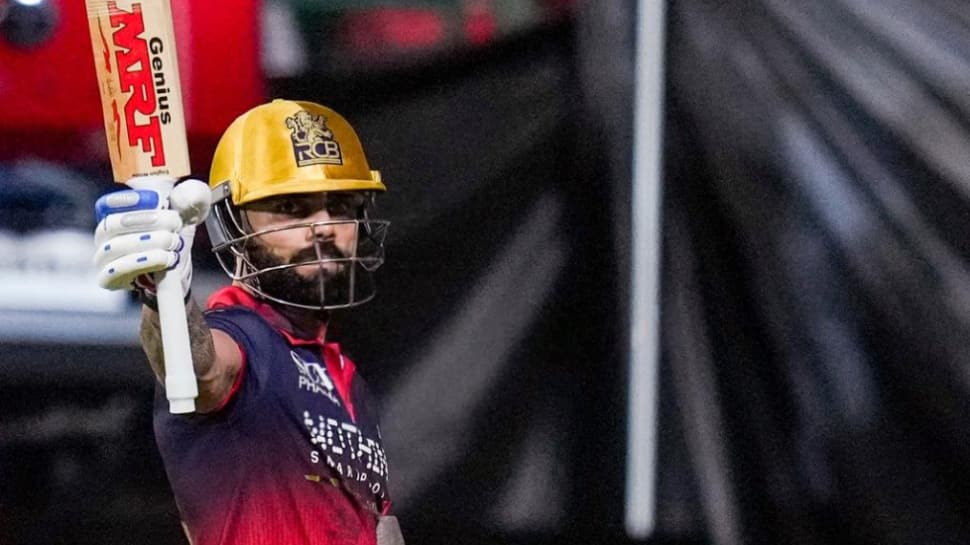
Former Indian cricketer and renowned commentator Sanjay Manjrekar has offered a compelling insight into one of IPL 2026’s most discussed narratives the remarkable evolution of Virat Kohli’s batting strike rate. Known for his unfiltered opinions,
The Numbers Tell the Story
Manjrekar believes the transformation is not the result of technical refinement or a change in skill, but rather a conscious, psychologically driven decision by Kohli to silence his critics once and for all.
Add Zee News as a Preferred Source
For much of his IPL career, Kohli’s strike rate, while respectable, was frequently questioned by analysts and fans alike. His career average strike rate of 133.81 often drew comparisons to the more explosive opening batters in the modern T20 era. However, since the 2023 edition of the tournament, the data tells a dramatically different story:
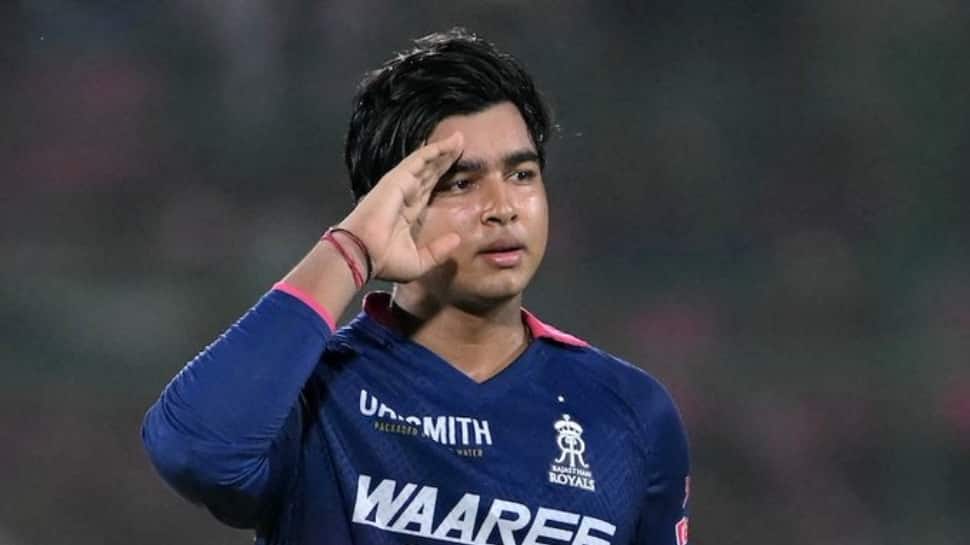
ALSO READ – 15-year-old Vaibhav Sooryavanshi shatters ‘impossible’ IPL record Andre Russell set in 2019 – with 21 balls to spare
IPL 2023: 139.82
IPL 2024: 154.70
IPL 2025 (Championship Season): 144.71
IPL 2026 (Current): 162.50 – 351 runs across eight matches
The upward trajectory is unmistakable. In IPL 2026 alone, Kohli is scoring at a rate nearly 30 points above his career average, making him one of the most destructive openers in the current season. He currently sits fourth in the Orange Cap standings, behind only Vaibhav Sooryavanshi, Abhishek Sharma and KL Rahul, but ahead of several players widely regarded as more naturally aggressive batters.
Manjrekar’s Verdict: Pressure, Not Technique
Speaking to Sportstar, Manjrekar was characteristically direct in his assessment, acknowledging upfront that his views might not sit well with Kohli’s enormous fanbase.
“This is, again, going to rile up Virat Kohli fans. We have seen Virat Kohli bat differently, bat superbly this season — at a strike rate of 140-150. This is the same Virat Kohli; there is nothing that has changed. It is only that he has decided that he is going to bat quicker. And why has he decided that? Because he could see the pressure building and people talking about him batting a little too slowly.”
For Manjrekar, the message is clear; Kohli possessed the ability to bat at this tempo all along. The shift was not born from hours in the nets working on new shots or adjusting his technique against specific bowlers. It was a mental decision, triggered by external scrutiny and the growing public perception that his conservative approach was costing RCB in the powerplay and middle overs.
Why Kohli Batted Slowly in the First Place
To fully appreciate the transformation, Manjrekar also provided crucial context about why Kohli had adopted a more cautious approach in previous seasons. The former India opener argued that Kohli’s conservative batting was a direct consequence of his lack of trust in the batters coming in after him — a concern that was arguably justified given RCB’s historically inconsistent middle order.
“This 150 strike rate was 125-130 three to four years back. It was only because Virat Kohli would hit a boundary and then pick up a one or a two. After all, he wanted to extend his innings and play longer because he felt he had to be the man to bat for most of the innings and didn’t trust the batters down the order.”
This is a nuanced and important point. Kohli’s caution was not timidity it was tactical. In seasons where RCB’s middle order regularly collapsed, Kohli shouldered the burden of holding the innings together, often sacrificing his own strike rate to ensure the team reached a competitive total. The risk of getting out cheaply while playing aggressively was, in his calculation, greater than the cost of scoring at 125-130.
The Ripple Effect on RCB
What makes Manjrekar’s analysis particularly interesting is his observation about the knock-on effect Kohli’s transformation has had on the rest of the Royal Challengers Bengaluru batting lineup. By releasing himself from the self-imposed role of sole anchor, Kohli inadvertently gave his teammates the freedom and confidence to express themselves.
“RCB changed when Virat Kohli, at the top, started batting quicker and didn’t make himself indispensable. That is when the others also blossomed.”
The results speak for themselves. In IPL 2026, RCB are second in the points table with six wins from eight matches and the best Net Run Rate in the entire tournament at an extraordinary 1.919. Their batting unit has looked balanced, deep and fearless a stark contrast to previous seasons where the team’s fortunes were almost entirely tied to how long Kohli stayed at the crease.
A Wider Lesson in Leadership and Legacy
There is a broader lesson embedded in Manjrekar’s analysis that extends beyond cricket. For years, Kohli’s identity at RCB was built around being indispensable the one player the team could not afford to lose. Paradoxically, the moment he stopped trying to be indispensable, the team became significantly stronger.
By trusting his teammates, batting with more freedom and accepting that others could share the burden of match-winning performances, Kohli has not diminished his own importance to RCB. If anything, he has amplified it. A more aggressive Kohli at the top of the order sets the tone, puts opposition bowlers on the back foot from the very first over and creates a platform that the rest of the batting unit can build upon with confidence.
At 37, and with an IPL championship already secured in 2025, Kohli appears to be playing the best T20 cricket of his career not despite the criticism, but arguably because of it.