Sony unveils new noise cancelling headphones priced at Rs 34,990 in India

Sony unveils new noise cancelling headphones priced at Rs 34,990 in India


on Wednesday launched a new noise cancelling headphones — WH-1000XM5 — that comes with the Integrated Processor V1 for Indian consumers.


With the help of the Integrated Processor V1, the company said the new headphones fully unlock the potential of Sony’s HD Noise Cancelling Processor QN1, while the specially designed 30mm driver unit enhances noise cancelling.


“This new model brings a whole new immersive, distraction-free sound experience to its users and thanks to the implementation of new technologies, they elevate the already industry-leading noise cancelling and audio quality on the WH-1000XM5, to a whole new level,” the company said in a statement.


The specially designed 30mm driver unit with a light and rigid dome uses carbon fibre composite material that improves high frequency sensitivity for more natural sound quality. These new headphones are 360 Reality Audio Certified that allow you to enjoy a custom immersive music experience with personalisation.


The WH-1000XM5 comes with 30 hours of battery life, so users can enjoy superlative sound even on long travels, and if they are in a rush they can now get a remarkable three hours’ worth of charge in just three minutes using USB Power Delivery (PD).


The headphone comes with a handy collapsible carrying case that can be made thinner for easy storage, letting users easily take their headphones wherever they travel. It supports Google’s helpful new Fast Pair feature, allowing you to effortlessly pair with your Android devices


Priced at Rs 34,990, the new headphone will be available in black and silver from October 8.


–IANS


vc/dpb

(Only the headline and picture of this report may have been reworked by the Business Standard staff; the rest of the content is auto-generated from a syndicated feed.)


Source link

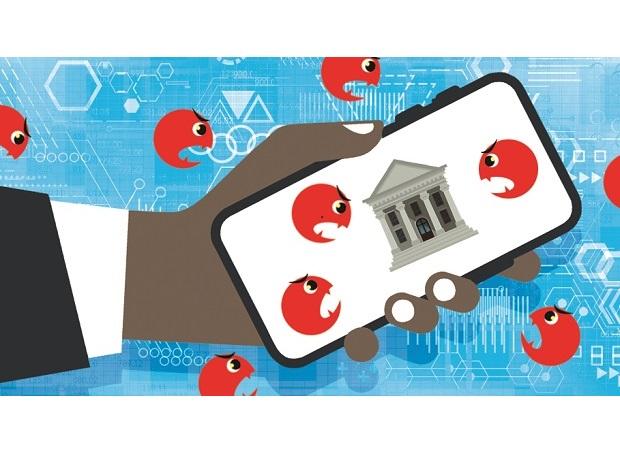
Bank, crypto apps under attack: Everything you must know about SOVA virus

Bank, crypto apps under attack: Everything you must know about SOVA virus


After CERT-In’s advisory, several Indian banks, including and IDBI Bank, have alerted their customers to not download their mobile applications from any source other than official app stores.


A new version of the Trojan virus, SOVA, has reportedly targeted over 200 and crypto apps and is stealing their login credentials and cookies.


The virus can encrypt the user’s Android phone for ransom.


“It has been reported to CERT-In that Indian banking customers are being targeted by a new type of campaign using SOVA Android Trojan,” CERT-In said.


What is SOVA?


SOVA is an Android banking trojan that targets banking apps to steal personal information and adds false layers over a range of apps. The layers help the mimic the payment app.


The malware was first detected for sale in the underground markets in September 2021. It could “harvest usernames and passwords via keylogging, stealing cookies and adding false overlays to a range of apps”, according to CERT-In.


The virus primarily focused on the USA, Russia, and Spain. However, by July 2022, It had added other countries, including India, to its list.


The malware spreads through files with an extension “.apk”.


How does SOVA work?


According to CERT-In, the malware spreads through smishing. Smishing is a process where fraudulent SMS are sent to individuals prompting them to share their details, including passwords.


Once the app is downloaded on the mobile, the malware sends the list of all the downloaded apps to the server that the attacker controls.


The server sends back the list of targeted apps to the malware and stores the critical information in an XML file. The malware and the server then manage the apps.


What can the SOVA virus do?


There are several functions an SVA malware can perform. These include performing gestures like swiping, stealing cookies, taking screenshots, and adding false overlays.


The virus has also undergone an update. Now, it can encrypt all the data and hold it for ransom.


Among the most crucial updates is the “protections” module. Now, when a user tries to uninstall an app that the virus has attacked, they will be unable to do so. A message, “This app is secured”, will be displayed on the screen.


What can users do to protect themselves?


The most important step is downloading the apps only via official app stores. Another step is to check the “Additional Information” section while downloading the apps and review the app details, number of downloads and user reviews.


Another practice CERT-In recommends is downloading the latest updates of the apps and operating software provided by device vendors. Also, download and activate anti-virus software.


“Do not browse un-trusted websites or follow un-trusted links and exercise caution while clicking on the link provided in any unsolicited emails and SMSs,” CERT-In’s notification read.


Also, the users have been advised to click only on the URLs that indicate a legitimate website. The users must also keep the firewall on.


Lastly, the users have also been asked to immediately report any unusual activity in the bank accounts to the respective bank.


Source link

iPhones: Five things Apple introduced that other smartphone brands copied

iPhones: Five things Apple introduced that other smartphone brands copied


Apple introduced the in 2007, a breakthrough in every sense. It was a music player, smartphone, and internet communicator rolled into one device. The American technology giant challenged the smartphone leaders of its time, such as Nokia and Sony Ericsson. It revolutionised the space with an all-screen device supported by multi-touch input. Since then, Apple has been disrupting the smartphone market with its innovative features and technologies.

Also Read | iPhone 14 series Launch: All model details, specifications and price


On several occasions, other smartphone brands have followed Apple’s steps even when it means compromising on essentials. Here are five things that Apple introduced and other smartphone brands adopted:


iOS arrives


The user interface elements and design language of Apple’s proprietary operating system for iPhones are among the first things that other smartphone brands copied. brand Xiaomi, for instance, took clues from iOS to develop its custom user interface based on Google’s Android platform. Called MIUI, the interface had no app drawer, and some of its built-in design elements looked similar to iOS. Vivo and Huawei are other brands that copied the interface elements from iOS to design their custom skins based on Android. The iOS influence is such that its resemblance is still prominent in many custom Android versions.


Biometric system for screen unlock introduced


Apple introduced the capacitive fingerprint sensor for the screen unlock mechanism with the launch of the 5s in 2013. Called TouchID, the fingerprint sensor was embedded under the home button, which was one of the differentiating features of the iPhones. Apple was not the first to use fingerprint sensors in a smartphone, but the company made it mainstream in the smartphone space. From Samsung to Huawei, Xiaomi, and OnePlus, every smartphone brand followed Apple on the fingerprint scanner tech for screen unlock mechanism.


Another form of biometric security was face recognition (FaceID), which Apple introduced with its tenth anniversary special X in 2017. It replaced the TouchID and made way for an all-screen design that continues even in the new iPhones. Other smartphone brands followed suit and introduced a face recognition biometric system similar to Apple’s FaceID for the screen unlock mechanism.


Just a notch above the rest


Not just the FaceID, the brought significant design changes across the board, including a bezel-less front design dominated by a screen with a notch on top. The notch was an essential part of the design change. Besides, it accommodated the sensors and camera system for FaceID. Though it hampered the all-screen design profile of the iPhone X, other smartphone makers did not mind copying it to keep up with the trend set by Apple.


Headphone jack vanishes


Apple took away the 3.5mm headphone jack with the launch of the iPhone 7 series in 2016. Since then, the port has not featured on any of its successors. The technology industry has a divided opinion on it, yet most smartphone makers jumped on board and removed the headphone jack in some of their phones. This is despite the fact that existing wireless headphone technology does not let users listen to high-resolution audio.


Charging adaptor vanishes too


Yet another essential missing from the iPhone box now is the charging adaptor. The trend to supply with just the charging cable and without charging adapter is gradually catching up with brands like Samsung and Xiaomi following suit in the Indian smartphone market.


Source link

TikTok sees significant growth in daily news consumption on its platform

TikTok sees significant growth in daily news consumption on its platform


Chinese short-form video app is now becoming a key source for its users and in the US, 33 per cent of its users now regularly get their on the short-video app, up from 22 per cent in 2020.


This rise in the daily source business comes as other big social media platforms see decline in regular news consumption on their platforms.


Facebook now has only 44 per cent of its users getting regular news updates, down from 54 per cent from two years ago, according to a new Pew Research Center study.


However, when it comes to where Americans regularly get news on social media, Facebook still outpaces all other social media sites on overall metrics.


Roughly a third of US adults (31 per cent) say they regularly get news from Facebook.


A quarter of US adults regularly get news from YouTube, while smaller shares get news from Twitter (14 per cent), Instagram (13 per cent), (10 per cent) or Reddit (8 per cent).


Fewer Americans regularly get news from LinkedIn (4 per cent), Snapchat (4 per cent), WhatsApp (3 per cent) or Twitch (1 per cent).


In many cases, there are demographic differences between the people who turn to each social media site regularly for news, said the study that came out late on Tuesday.


“On several of the social media sites we asked about, adults under 30 make up the largest share of those who regularly get news on the site,” said the Pew study.


For example, half or more of regular news consumers on Snapchat (67 per cent), TikTok (52 per cent) and Reddit (50 per cent) are ages 18 to 29.


Additionally, women make up a greater portion of regular news consumers on Facebook, while the opposite is true for sites like Twitter and Reddit.


–IANS


na/shb/

(Only the headline and picture of this report may have been reworked by the Business Standard staff; the rest of the content is auto-generated from a syndicated feed.)


Source link

Electric planes: Short-hop regional flights may run on batteries soon

Electric planes: Short-hop regional flights may run on batteries soon


PRI GEN INT .Michigan FGN23 ELECTRIC-PLANES Electric planes are coming: Short-hop regional flights could be running on batteries in a few years By Gkin inar, Assistant Professor of Aerospace Engineering, University of Michigan Michigan (US), Sep 21 (The Conversation) Electric planes might seem futuristic, but they aren’t that far off, at least for short hops. Two-seater Velis Electros are already quietly buzzing around Europe, electric sea planes are being tested in British Columbia, and larger planes are coming. Air Canada announced on September 15 that it would buy 30 electric-hybrid regional aircraft from Sweden’s Heart Aerospace, which expects to have its 30-seat plane in service by 2028. Analysts at the US National Renewable Energy Lab note that the first hybrid electric 50 to 70-seat commuter plane could be ready not long after that. In the 2030s, they say, electric aviation could really take off. That matters for managing climate change. About 3 per cent of global emissions come from aviation today, and with more passengers and flights expected as the population expands, aviation could be producing three to five times more carbon dioxide emissions by 2050 than it did before the COVID-19 pandemic. Aerospace engineer and assistant professor Gkin inar develops sustainable aviation concepts, including hybrid-electric planes and hydrogen fuel alternatives, at the University of Michigan. We asked her about the key ways to cut aviation emissions today and where technologies like electrification and hydrogen are headed. Why is aviation so difficult to electrify? Aircraft are some of the most complex vehicles out there, but the biggest problem for electrifying them is the battery weight. If you tried to fully electrify a 737 with today’s batteries, you would have to take out all the passengers and cargo and fill that space with batteries just to fly for under an hour. Jet fuel can hold about 50 times more energy compared to batteries per unit mass. So, you can have 1 pound of jet fuel or 50 pounds of batteries. To close that gap, we need to either make lithium-ion batteries lighter or develop new batteries that hold more energy. New batteries are being developed, but they aren’t yet ready for aircraft. An electric alternative is hybrids. Even though we might not be able to fully electrify a 737, we can get some fuel burn benefits from batteries in the larger jets by using hybrid propulsion systems. We are trying to make that happen in the short term, with a 2030-2035 target for smaller regional planes. The less fuel burned during flight, the fewer greenhouse gas emissions. How does hybrid aviation work to cut emissions? Hybrid electric aircraft are similar to hybrid electric cars in that they use a combination of batteries and aviation fuels. The problem is that no other industry has the weight limitations that we do in the aerospace industry. That’s why we have to be very smart about how and how much we are hybridising the propulsion system. Using batteries as a power assist during takeoff and climb are very promising options. Taxiing to the runway using just electric power could also save a significant amount of fuel and reduce the local emissions at airports. There is a sweet spot between the added weight of the battery and how much electricity you can use to get net fuel benefits. This optimisation problem is at the centre of my research. Hybrids would still burn fuel during flight, but it could be considerably less than just relying entirely on jet fuel. I see hybridisation as a mid-term option for larger jets, but a near-term solution for regional aircraft. For 2030 to 2035, we’re focused on hybrid turboprops, typically regional aircraft with 50-80 passengers or used for freight. These hybrids could cut fuel use by about 10 per cent. With electric hybrids, airlines could also make more use of regional airports, reducing congestion and time larger planes spend idling on the runway. What do you expect to see in the near term from sustainable aviation? Shorter term we’ll see more use of sustainable aviation fuels, or SAF. With today’s engines, you can dump sustainable aviation fuel into the same fuel tank and burn it. Fuels made from corn, oilseeds, algae and other fats are already being used. Sustainable aviation fuels can reduce an aircraft’s net carbon dioxide emissions by around 80 per cent, but supply is limited, and using more biomass for fuel could compete with food production and lead to deforestation. A second option is using synthetic sustainable aviation fuels, which involves capturing carbon from the air or other industrial processes and synthesising it with hydrogen. But that’s a complex and costly process and does not have a high production scale yet. Airlines can also optimise their operations in the short term, such as route planning to avoid flying nearly empty planes. That can also reduce emissions. Is hydrogen an option for aviation? Hydrogen fuel has been around a very long time, and when it’s green hydrogen produced with water and electrolysis powered by renewable energy it doesn’t produce carbon dioxide. It can also hold more energy per unit of mass than batteries. There are two ways to use hydrogen in an airplane: either in place of regular jet fuel in an engine, or combined with oxygen to power hydrogen fuel cells, which then generate electricity to power the aircraft. The problem is volume hydrogen gas takes up a lot of space. That’s why engineers are looking at methods like keeping it very cool so it can be stored as liquid until it’s burned as a gas. It still takes up more space than jet fuel, and the storage tanks are heavy, so how to store, handle or distribute it on aircraft is still being worked out. Airbus is doing a lot of research on hydrogen combustion using modified gas turbine engines with an A380 platform, and aiming to have mature technology by 2025. Australia’s Rex airline expects to start testing a 34-seat, hydrogen-electric airplane for short hops in the next few years. Due to the variety of options, I see hydrogen as one of the key technologies for sustainable aviation. Will these technologies be able to meet the aviation industry’s goals for reducing emissions? The problem with aviation emissions isn’t their current levels it’s the fear that their emissions will increase rapidly as demand increases. By 2050, we could see three to five times more carbon dioxide emissions from aviation than before the pandemic. The International Civil Aviation Organisation, a United Nations agency, generally defines the industry’s goals, looking at what’s feasible and how aviation can push the boundaries. Its long-term goal is to cut net carbon dioxide emissions 50 per cent by 2050 compared with 2005 levels. Getting there will require a mix of different technologies and optimisation. I don’t know if we’re going to be able to reach it by 2050, but I believe we must do everything we can to make future aviation environmentally sustainable. (The Conversation) PY PY 09211115 NNNN

(Only the headline and picture of this report may have been reworked by the Business Standard staff; the rest of the content is auto-generated from a syndicated feed.)



Source link

YouTube
Instagram
WhatsApp



