Apple removes RCS E2EE in iOS 26.4 dev beta 4, adds support for iPhone 17e

Apple removes RCS E2EE in iOS 26.4 dev beta 4, adds support for iPhone 17e


Days after releasing the second version of iOS 26.4 beta 3 for developers, Apple has rolled out iOS 26.4 developer beta 4, bringing a few new changes as it continues testing the upcoming update ahead of its public release. According to a report by MacRumors, the latest beta introduces several new emojis and updates to accessibility features. Additionally, the beta is the first version that can be installed on the recently launched iPhone 17e, expanding device support during the testing phase. Surprisingly, the update reportedly removed the RCS end-to-end encryption (E2EE) from this build. 


Apple iOS 26.4 beta 4: What’s new


New Emoji


Apple’s iOS 26.4 beta 4 for developers introduces several new emojis. These emojis are expected to arrive for all users when the final version of iOS 26.4 is released. The new emojis include Hairy Creature Landslide, Orca, Trombone, Treasure Chest, distorted face, fight cloud and more. 


Although Apple Intelligence allows iPhone users to create their own custom ‘Genmoji’, these additions remain important because they are part of the official cross-platform emoji standard. This means once iOS 26.4 and other compatible updates are released, users will be able to easily send and receive these emojis across different messaging platforms.


Reduce Bright Effects


According to the report, Apple has renamed the earlier “Reduce Highlighting Effects” accessibility setting to “Reduce Bright Effects.” Apple notes that the feature helps reduce bright highlights and flashing when users interact with on-screen elements such as buttons or the keyboard. 


RCS encryption


Apple has reportedly removed the RCS end-to-end encryption feature in the fourth beta of iOS 26.4 after testing it in the previous three beta versions. The company had already confirmed that end-to-end encryption for RCS would not arrive with the iOS 26.4 update and will instead be introduced in a future release.


Apple tested end-to-end encryption for both iPhone-to-iPhone and iPhone-to-Android RCS messages. While iMessage is already encrypted, a future iOS update will bring similar encryption to iPhone-to-Android RCS conversations. 


iOS 26.4 developer beta 4: Eligible models


  • iPhone Air

  • iPhone 17 series: iPhone 17e, iPhone 17, iPhone 17 Pro, iPhone 17 Pro Max

  • iPhone 16 series: iPhone 16, iPhone 16 Plus, iPhone 16 Pro, iPhone 16 Pro Max, iPhone 16e

  • iPhone 15 series: iPhone 15, iPhone 15 Plus, iPhone 15 Pro, iPhone 15 Pro Max

  • iPhone 14 series: iPhone 14, iPhone 14 Plus, iPhone 14 Pro, iPhone 14 Pro Max

  • iPhone 13 series: iPhone 13, iPhone 13 mini, iPhone 13 Pro, iPhone 13 Pro Max

  • iPhone 12 series: iPhone 12, iPhone 12 mini, iPhone 12 Pro, iPhone 12 Pro Max

  • iPhone 11 series: iPhone 11, iPhone 11 Pro, iPhone 11 Pro Max

  • iPhone SE (2nd generation and later)


iOS 26.4 developer beta 4: How to update


  • Sign in to Apple Developer website and enroll in the iOS 26 beta program

  • Make sure that your iPhone is signed in with the Apple Account you used to sign into to the Apple Developer website

  • On your iPhone, go to Settings > General > Software Update

  • Go to ‘Beta Updates’ and choose iOS 26 developer beta

  • When iOS 26.4 developer beta is available for your iPhone, install it from Software Update.

First Published: Mar 10 2026 | 10:59 AM IST


Source link

Apple now makes about 25% of iPhones in India amid US-China trade tensions

Apple now makes about 25% of iPhones in India amid US-China trade tensions


By Sankalp Phartiyal


Apple Inc. increased iPhone production in India by about 53 per cent last year and now makes a quarter of its marquee devices there, reflecting the US company’s efforts to avoid tariffs on China. 


The company assembled about 55 million iPhones in India in 2025, up from 36 million a year earlier, people familiar with the matter said, asking not to be named because the numbers aren’t public. Apple makes about 220 million to 230 million iPhones a year globally, with India’s share of the total increasing rapidly.


Apple has accelerated its expansion in the world’s most populous country in recent years, bolstered by Prime Minister Narendra Modi’s production-linked incentives aimed at turning India into the world’s factory. The subsidies have helped offset some of the structural cost disadvantages that manufacturers face in India, including the lack of a China-like robust supply chain and logistics challenges. 


In 2025, shipments from China, where Apple still makes the bulk of iPhones, faced headwinds as a result of US tariffs related to the two economic powers’ trade war. The levies pushed Apple and its suppliers to move a greater share of devices meant for the American market to alternative manufacturing destinations, with India emerging as a major brightspot.


An Apple spokesperson declined to comment.


Even though the gap has narrowed, electronics assembly and component manufacturing still costs more in India than in countries including China and Vietnam. That’s prompted Apple, Samsung Electronics Co. and others to seek more government support.


Companies are discussing with New Delhi another round of incentives to support export growth. India’s current production subsidies for smartphones expire March 31 and with the US Supreme Court striking down some of the duties affecting China, India needs to move quickly to remain cost competitive.


Cupertino, California-based Apple currently assembles all versions of the latest iPhone 17 lineup in India, including the high-end Pro and Pro Max models. Its suppliers in India, including Foxconn Technology Group, Tata Electronics and Pegatron Corp., also build older models such as the iPhone 15 and iPhone 16 for local sales and export.


The rising output in India highlights Apple’s long-term supply chain strategy to build a second major iPhone manufacturing base to serve global demand. The company is deepening and widening its local supplier partnerships to make components including lithium-ion cells, watch and phone enclosures and accessories such as AirPods.


Beyond manufacturing, Apple is targeting market share gains in a region where sales have surged past $9 billion. It’s preparing to launch Apple Pay in India later this year and its retail network now comprises six stores, underscoring the country’s growing importance as not just a production hub but also a fast-growing consumer market.


Source link

Tech Wrap March 9: Sandisk flash drive, Galaxy M17e 5G, PlayStation Store

Tech Wrap March 9: Sandisk flash drive, Galaxy M17e 5G, PlayStation Store


  Sandisk has launched the Sandisk Extreme Fit USB-C flash drive in India. The company describes it as the world’s smallest 1TB USB-C flash drive. The ultra-compact USB-C flash drive is positioned by the company as a “plug-and-stay” storage option, emphasising its small size, compact enough to remain connected to a laptop without needing to be removed frequently. It also comes in 64GB, 128GB, 256GB and 512GB storage variants. The Sandisk Extreme Fit was launched globally last November, and now it has made its way to India.


  Samsung is preparing to broaden its Galaxy M-series portfolio in India with the Galaxy M17e 5G, scheduled to launch on March 17. While revealing key features and specifications of the device, the South Korean electronics company said the smartphone will include several AI tools such as Google Gemini, Circle to Search, and others. Samsung also confirmed that the handset will come in Vibe Violet and Blitz Blue colour options.


Sony is reportedly experimenting with dynamic pricing for digital titles on the PlayStation Store. According to a report by The Verge, citing PSPrices, some games have been listed at varying prices for different users. The report further noted that Sony is carrying out A/B testing on pricing for more than 150 games across 68 regions.


OPPO has announced that it will introduce the Find N6 on March 17. The Chinese smartphone brand confirmed the launch date in its domestic market, though details about a global release and availability remain unclear. Notably, OPPO has yet to launch a book-style foldable smartphone in India. The company has instead released two generations of its clamshell-style “Flip” foldables in the country, while its book-style models have either remained limited to other markets or arrived through its sister brand OnePlus — the OnePlus Open debuted in 2023. 


Samsung has revealed a few early details about its upcoming smart glasses. According to a report from 9To5Google, Samsung executive Jay Kim discussed the device during an interview with CNBC and confirmed some features, including a camera positioned at “eye level” and the ability to connect to a smartphone. The company has been developing extended reality (XR) and smart glasses technology for some time.


OpenAI has reportedly postponed the rollout of “Adult mode” in ChatGPT once again. According to a report by TechCrunch, citing news outlet Axios, an OpenAI representative confirmed that the company is delaying the “adult mode” for ChatGPT while it focuses on personalisation and other priorities. Axios quoted the representative as saying that OpenAI still believes in the idea of treating adults like adults, but delivering the experience properly will require more time.


Google is reportedly testing a ‘Tap to Draft’ feature in its Messages application. According to a report from 9To5Google, the latest beta version of Google Messages introduces a new option that alters how suggested replies function before they are sent. Smart Replies help users respond quickly to messages by suggesting possible responses. However, the report noted that the current system can sometimes result in accidental messages because tapping a suggestion sends it instantly. The new option is intended to add an extra step so users can review the response before sending it.


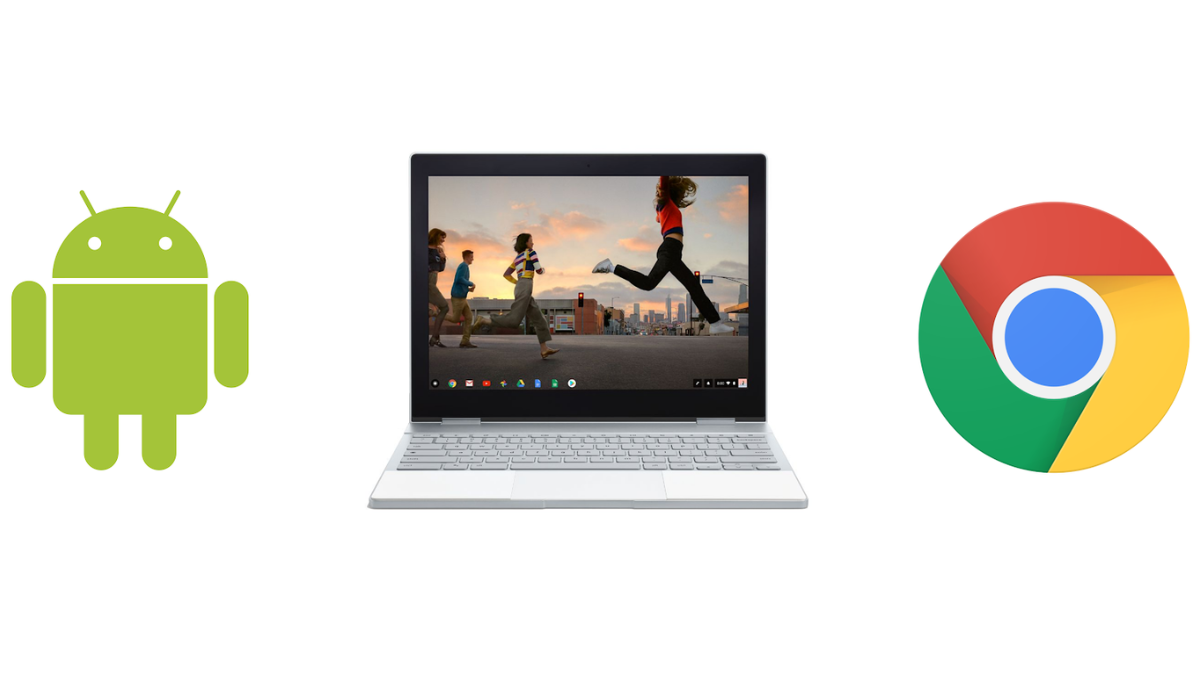
Google has reportedly indicated that it remains on schedule to release Aluminium OS, its unified operating system built on ChromeOS and Android, in 2026. According to a report by Android Authority, during MWC 2026 (held from March 2 to March 5), Sameer Samat, president of the Android Ecosystem at Google, was asked whether Aluminium OS is still expected to arrive in 2026. As per the report, Samat responded that he was “super excited” about what is planned for later this year. 

LLMs may help fact-checkers track who’s behind pseudonymous accounts: Study 


Large language models (LLMs) are capable of identifying at scale people behind pseudonymous online accounts. A new paper titled “Large-scale online deanonymization with LLMs,” published by researchers from Anthropic, ETH Zurich and the Machine Learning Alignment & Theory Scholars (MATS) programme shows that modern AI systems can re-identify anonymous or pseudonymous users at scale using only the text they write online.


After unveiling the MacBook Neo and rolling out updates across its Mac, iPad, iPhone and Studio Display lineup earlier this month, Apple is now reportedly focusing on another set of premium devices. According to Bloomberg’s Mark Gurman, the company is planning a “significant shift” in its high-end product strategy by introducing several new “Ultra” devices. These may include a foldable iPhone, AirPods equipped with cameras, and a MacBook featuring a touch-enabled OLED display.


ConvoZen.AI, the enterprise conversational agentic artificial intelligence (AI) platform from NoBroker, has introduced its conversational AI stack along with new frontier speech models. The two models — Akshara (speech-to-text) and Ragini (text-to-speech) — were developed based on conversational infrastructure challenges faced by NoBroker. ConvoZen integrates the entire lifecycle within a single platform built on conversational AI agents, copilot AI agents, supervisor AI agents and customer AI agents.


  India is strongly positioned as the next global platform for consumer technology, driven by expanding manufacturing base, stronger supply chain capabilities, and a shift toward aspirational, global-style preferences is reshaping demand in this “strategic market”, Akis Evangelidis, Co-founder and India President of smartphone maker Nothing has said.


Billionaire Leo KoGuan has doubled his holding in Nvidia Corp. to 2 million shares, increasing his investment in the chipmaker at a time when the war in the Middle East has triggered a global selloff across assets ranging from bonds to equities. “As promised, I bought an additional 1 million shares of NVDA today,” the investor wrote early Saturday on X, days after announcing his initial purchase.


Source link

LLMs may help fact-checkers track who's behind pseudonymous accounts: Study

LLMs may help fact-checkers track who's behind pseudonymous accounts: Study


Large language models (LLMs) are capable of identifying at scale people behind pseudonymous online accounts. A new paper titled “Large-scale online deanonymization with LLMs,” published by researchers from Anthropic, ETH Zurich and the Machine Learning Alignment & Theory Scholars (MATS) programme shows that modern AI systems can re-identify anonymous or pseudonymous users at scale using only the text they write online.


The researchers demonstrated that LLM-based systems can analyse posts, extract identity signals and match them with public profiles or other accounts. In experiments linking pseudonymous profiles across platforms such as Hacker News, LinkedIn and Reddit, the system was able to correctly match users with high precision.


While the findings raise concerns about online anonymity, researchers say the same capability could help fact-checkers and investigators track misinformation campaigns and coordinated influence operations.


Why this research matters for misinformation investigations


Investigations into online misinformation often rely on painstaking manual analysis of writing patterns, digital footprints and scattered clues across social media platforms. Analysts typically try to determine whether multiple accounts belong to the same person or organisation, or whether seemingly independent posts are part of a coordinated campaign.


The new research suggests that AI could automate much of that process.


According to the researchers, LLM-based systems can extract identity-relevant signals from unstructured text — such as interests, career details, writing style or geographic hints — and then search large datasets of potential profiles to find likely matches. The system can also reason over evidence to confirm whether two profiles likely belong to the same person.


This approach could help identify:


  • Coordinated propaganda accounts

  • Bot networks operated by a single actor

  • Influence operations running multiple identities

  • Individuals operating several pseudonymous accounts across platforms


Such capabilities could be particularly useful in investigating misinformation campaigns, where actors often rely on anonymous or pseudonymous accounts to spread false narratives.


Existing tools that use similar techniques


Although the use of LLMs is new, investigators and researchers have long used a variety of tools to analyse online identities and detect coordinated activity.


One such approach is stylometry, which attempts to identify authors based on their writing style. Stylometric systems analyse patterns such as sentence length, punctuation, vocabulary and grammatical structures. Tools such as JStylo and Writeprints, along with academic authorship-attribution systems, have been used to link texts written by the same individual.


However, these methods typically focus on stylistic patterns rather than the meaning of the text itself.


LLMs expand this approach by analysing semantic content — the topics people discuss, the personal details they reveal and the contextual clues embedded in their posts. This allows the system to combine both writing style and contextual information when trying to link identities.


Investigators also rely on open-source intelligence (OSINT) tools to uncover digital identities. Platforms such as Maltego, SpiderFoot and Social Links help analysts map relationships between accounts, websites and digital traces. Techniques developed by investigative groups such as Bellingcat often involve manually connecting small clues from different sources to identify individuals behind anonymous activity.


LLMs could significantly accelerate these processes by automatically extracting and analysing clues from large volumes of text.


In addition, several platforms already track coordinated disinformation campaigns by analysing social networks and posting behaviour. Services such as Graphika, Hoaxy and Botometer examine patterns in social media activity to identify bots or organised influence networks.


AI systems capable of analysing textual signals and identity clues could complement these tools, helping analysts identify when different accounts may actually belong to the same individual or group.


Privacy concern


Despite the potential benefits for misinformation research, the findings also raise broader concerns about online privacy.


Pseudonymous identities allow people to participate in discussions without revealing their real-world identities. The researchers said that this protection has relied on what they describe as “practical obscurity” — the idea that identifying someone from scattered online clues requires too much effort to be done at scale. LLMs could change that balance by dramatically lowering the cost of analysing and linking online information.


This means the same technology that could help journalists trace misinformation networks could also be misused for harassment, surveillance or doxxing.


Source link

Google reportedly plans Aluminium OS launch in 2026: MacBook Neo effect?

Google reportedly plans Aluminium OS launch in 2026: MacBook Neo effect?


Google has reportedly said that it is on track to release Aluminium OS, its unified operating system based on the ChromeOS and Android platforms, in 2026. According to a report by Android Authority, on the sidelines of MWC 2026 (held from March 2 to March 5), president of the Android Ecosystem at Google, Sameer Samat, was asked if Google still expects Aluminium OS to arrive in 2026. As per the report, Samat said he was “super excited” about what is coming later this year. 

The report followed Apple’s low-cost MacBook powered by the A18 Pro chip, called the MacBook Neo. Despite being a budget device, the MacBook Neo runs the same macOS as Apple’s higher-end MacBook Pro models powered by M5 Pro and M5 Max chips. At nearly half the price of a MacBook Air M5, the MacBook Neo delivers the full macOS experience, which is a significant move in expanding Apple’s ecosystem to more affordable devices. 


The key advantage of running the same operating system is that even the lower-cost MacBook continues to support Apple’s ecosystem features such as Handoff. For the uninitiated, Apple Handoff is a continuity feature that lets users start a task on one Apple device and instantly continue it on another nearby device using the same Apple ID. For example, you can begin writing an email on an iPhone and seamlessly finish it on a Mac or iPad without restarting the task. 


How could Google’s ecosystem compete with Apple’s Handoff?


Recent developments suggest that Google may be trying to compete more directly with such ecosystem features. The company has been testing an Apple Handoff-like capability in the Android 17 Beta 1 update. The feature, called Handoff, will allow users to move an app activity from one Android device to another nearby device. Supported apps are likely to resume the same task through the app itself or via a web link, enabling smoother cross-device continuity. 


If this capability eventually becomes part of Aluminium OS, it could play a central role in Google’s broader ecosystem strategy. Integrating seamless cross-device continuity across smartphones, tablets, and PCs could allow Google to compete more directly with one of Apple’s strongest ecosystem advantages.


Desktop mode for Android phones


In related news, earlier last week, Google began rolling out a desktop-style interface for select Pixel devices with the March Pixel Drop. According to a report by The Verge, Pixel 8 and newer models can connect to an external monitor to access a desktop-like environment that supports multi-window apps along with mouse and keyboard input.


With the Android 16 QPR3 release, Google said connected display support is now generally available. When a compatible Android phone or foldable is connected to a monitor, it launches a separate desktop-style session instead of simple screen mirroring, allowing users to run resizable app windows, multitask with a taskbar, and move apps or the cursor across multiple displays. 


Will ChromeOS devices upgrade to Aluminium OS?


Earlier in January, Google confirmed that not all devices running ChromeOS will be able to upgrade to the upcoming operating system due to hardware specification limits. According to a report by Android Authority citing Chrome Unboxed, ChromeOS VP of Product Management John Maletis said some older devices may not meet the technical requirements needed for the new OS. 


However, Maletis emphasised that ChromeOS is not being discontinued. He said Google plans to enable upgrades for many newer devices wherever possible and will continue supporting Chromebooks, noting that millions of students, consumers, and workers rely on them for everyday use. 


According to a 9To5Google report, filings submitted by Google in a US court suggest the company intends to gradually wind down ChromeOS by 2034. The documents reportedly state that many current Chromebooks are not compatible with the upcoming Aluminium OS, which means Google will need to continue supporting ChromeOS until at least 2033 in order to fulfil its 10-year update promise to existing users. 


Once that support window closes, Google is expected to begin moving away from ChromeOS entirely. This indicates that the platform may continue mainly to meet current obligations rather than playing a central role in the company’s long-term strategy.


Aluminium OS: What features could the new Google platform bring?


Earlier at Qualcomm’s Snapdragon Summit 2025, Google announced that Android for PC would arrive as part of its plan to merge ChromeOS and Android into a single platform. Aluminium OS is reportedly being developed with AI as a foundational element, pointing to tight integration with Google’s Gemini model. 


While Gemini already enables advanced on-device AI features on high-end smartphones, the listing suggests Google is preparing to extend these capabilities to larger-screen devices, moving beyond Chromebooks’ traditional focus on the entry-level segment. 


As per the 9To5Google report, Google is also planning to support a wide variety of hardware, such as laptops, detachable devices, tablets, and set-top boxes, across both budget and premium segments. This suggests Google aims to position Aluminium OS as a competitor in the high-end PC space alongside Windows and macOS, rather than restricting it to lower-cost devices.


Source link

Samsung prepares Meta Ray-Ban rival AI glasses for 2026: What to expect

Samsung prepares Meta Ray-Ban rival AI glasses for 2026: What to expect


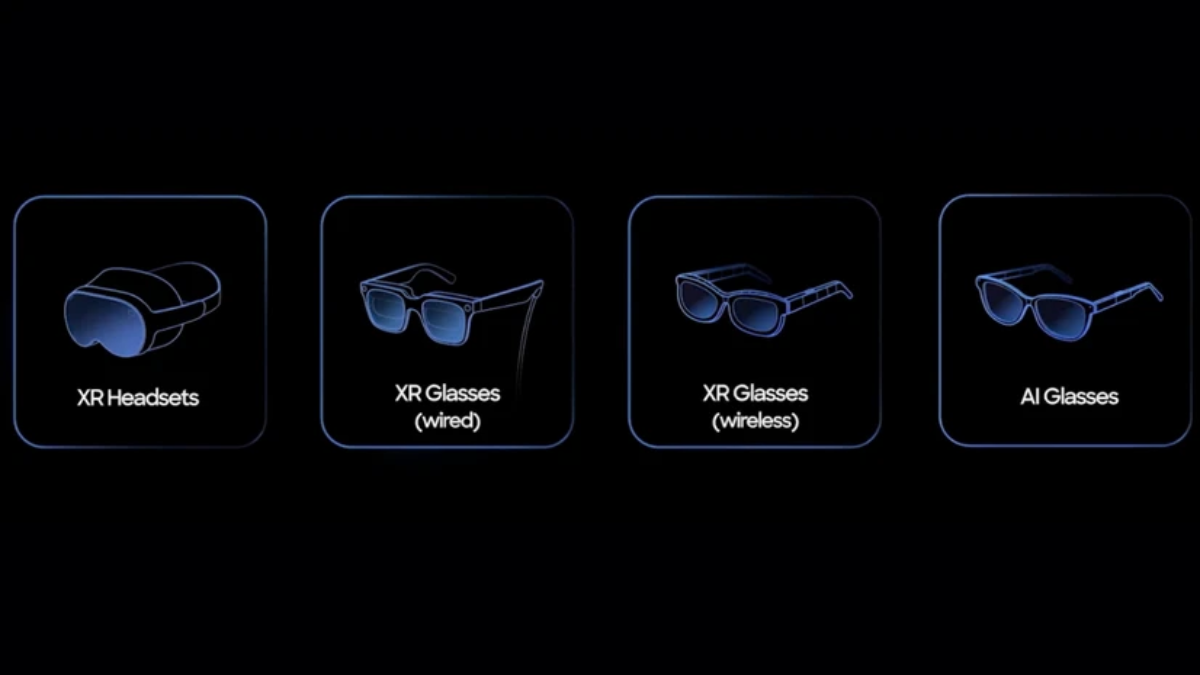
Samsung has shared a few details about its upcoming smart glasses. According to a report from 9To5Google, Samsung executive Jay Kim spoke about the device in an interview with CNBC and confirmed some features, including a camera placed at “eye level” and support for connecting to a smartphone. Samsung has been working on extended reality (XR) and smart glasses devices for some time.


Samsung has been working with US-based chipmaker Qualcomm and technology company Google to develop a new ecosystem of AI-driven wearable devices. This partnership, which features Qualcomm’s specialised chipsets and Google’s Android XR platform, focuses on combining advanced AI capabilities with seamless smartphone connectivity. The first product from this partnership was the Galaxy XR headset, which went on sale last year in select regions and was based on Google’s Android XR.


Samsung smart glasses: What we know


According to a report by 9To5Google, during the interview Kim confirmed a few features that Samsung is planning for its first pair of smart glasses. One of the key elements mentioned is a camera positioned at “eye level”. This could allow the glasses to capture photos or videos from the user’s point of view.


Artificial intelligence is also expected to play a role in the experience. As reported, Kim said the AI will be able to understand “where you’re looking at”, which could allow the system to analyse objects or scenes in front of the user and provide relevant information. Samsung has earlier confirmed that its AI glasses will be powered by Gemini AI.


As reported, Kim also said the glasses will connect to a smartphone, suggesting that much of the processing may take place on the phone rather than inside the glasses themselves. Visual data captured by the glasses could be sent to the smartphone, where the AI analyses the scene and provides contextual responses. 


However, Samsung did not confirm whether the glasses will include a built-in display. When asked about this, Kim reportedly noted that users could rely on other devices, such as smartphones or smartwatches, if they need a screen. This has led to speculation that Samsung could be developing different versions of the glasses, including models with and without a display.


According to the report, the company is aiming to launch its first smart glasses in 2026, marking Samsung’s entry into the growing AI wearables market. Qualcomm CEO Cristiano Amon has also suggested a similar timeline for the device, indicating that development is already underway.


Ray-Ban Meta AI glasses


A key rival in the AI glasses segment is Meta, which has already launched its Ray-Ban Meta (Gen 2) AI glasses in India. The wearable, developed in partnership with eyewear brand Ray-Ban, offers upgrades such as 3K video recording, improved battery life of up to eight hours and additional design options compared with the first-generation model.


Meta has also introduced the Oakley Meta HSTN glasses, positioned as a more rugged option for sports and outdoor use.


Source link

YouTube
Instagram
WhatsApp