HCL, IIT-Dhanbad collaborate for petroleum engineering, earth science

HCL, IIT-Dhanbad collaborate for petroleum engineering, earth science


IT services company HCL Technologies has signed a pact with the Indian Institute of Technology, Dhanbad, to collaborate in the field of petroleum engineering and earth science, according to a statement.


HCL Technologies and (Indian School of Mines), Dhanbad (Jharkhand), will also develop a knowledge management system using technologies, it added.


As part of the agreement, will offer projects and internship opportunities to students and research scholars of (ISM) to develop digital solutions in the fields of exploration, drilling and production of hydrocarbons to reduce carbon footprint.


“Both and (ISM) will also undertake sustainability initiatives and programmes, including discussions, podcasts and joint presentations at international forums on transformative initiatives in the oil and gas sector,” according to a statement.


The memorandum of understanding will help strengthen its collaboration with the IIT (ISM), Dhanbad, while HCLTech customers will benefit from solutions in low-carbon sustainability.


The pact between HCL Tech and IIT (ISM) Dhanbad was signed in the presence of Sagar Pal, Dean (Research and Development), IIT (ISM) and Somnath Das and Deepak Bhardwaj, Directors – Oil and Gas, HCL Tech.


“This strategic initiative will help the oil and gas industry generate enhanced value from data and introduce cutting-edge, low-carbon sustainability solutions,” Ajay Bahl, Corporate Vice President, HCL Tech said.

(Only the headline and picture of this report may have been reworked by the Business Standard staff; the rest of the content is auto-generated from a syndicated feed.)


Source link

OnePlus 11R 5G phone to launch alongside OnePlus 11 5G in India on Feb 7

OnePlus 11R 5G phone to launch alongside OnePlus 11 5G in India on Feb 7


Chinese consumer electronics brand on Wednesday announced the India launch of the 11R 5G smartphone. The phone is set to be launched alongside the 11 5G smartphone at the Cloud 11 event, which is scheduled for February 7 in Delhi. OnePlus 11R 5G is most likely the successor of the OnePlus 10R 5G, which was launched last year. The company had previously announced the launch of OnePlus Buds Pro 2 and OnePlus TV 65 Q2 Pro at the event.


The OnePlus 11R 5G is likely to sport a 6.7-inch AMOLED display with 1080p image resolution, and 120Hz refresh rate. It is expected to feature a triple camera setup on the back with a 50-megapixel main sensor, an 8-megapixel ultra-wide sensor, and a 2-megapixel macro sensor. On the front, it may come with a 16-megapixel camera. In terms of performance, the phone may run on Qualcomm’s Snapdragon 8 Plus Gen 1 processor and come with up to 100W fast charging technology.


The upcoming smartphone’s believed predecessor, the OnePlus 10R 5G came with a Dimensity 8100-MAX processor, and an Android 12-based OxygenOS operating system. It was launched in 8GB+128GB and 12GB+256GB storage configurations. Powered by a 5,000 mAh battery, it boasted an 80W SUPERVOOC charging technology.


The smartphone featured a 50-megapixel main camera sensor with optical image stabilisation and a 16-megapixel front camera. Its 6.7-inch OLED display offered a 120Hz refresh rate. Among other features, the phone offered hyper touch technology, face unlock, an in-display fingerprint sensor, and dual stereo speakers with noise cancellation support.


Source link

IT and start-up hiring to stay muted in 2023, niche tech roles to keep pace

IT and start-up hiring to stay muted in 2023, niche tech roles to keep pace


With more big tech firms such as Microsoft, Google, and Amazon hopping on the layoff bandwagon each week, almost 60,000 people have lost their jobs since the start of this year. This has been accompanied by muted hiring sentiments in both the IT and start-up sectors.


This layoff period, coupled with a lull in hiring, is expected to last over the next two or three quarters, say experts. However, hiring in key areas such as big data analytics, data science, AI/ML, DevOps, cloud computing, and cybersecurity is expected to keep pace.


“The and the start-up ecosystem have been witnessing a slowdown in hiring for the last 6 months due to geopolitical scenarios and the looming recession, resulting in cost-conservation measures by corporates,” said Sachin Alug, CEO of talent solutions firm NLB Services.


The pandemic spurred companies, both global and domestic, to bolster investments in services ranging from cloud computing and digital payment infrastructure to cybersecurity. As a result, firms reaped rich dividends as the world underwent a digital transformation at a frantic pace.


According to a NASSCOM report released at the start of 2022, Indian IT companies were recording a growth rate of around 15-20 per cent at the time, compared to 6-7 per cent before the pandemic.


This led to a lot of over-hiring in the sector, which led to supply constraints that resulted in a situation where salary offers were way above the market offering at the time.


“Over the last year and a half, there has been a significant surge in tech hiring across organizations of every size. This was fuelled by increased global demand, new incubation projects, and upgradation of legacy software,” said Vijay Sivaram, CEO, Quess IT Staffing.


“However, because of costs incurred due to over-hiring last year, businesses have now shifted focus towards profitability and maintaining gross margins. Large investment and incubation projects are now also being disbanded,” he added.


Globally, around 965 tech companies laid off more than 150,000 employees in 2022. While in India, more than 17,000 people reportedly lost their jobs.


The Indian is already seeing the impact of over hiring and the delay in deal closure on hiring. The four IT companies —Tata Consultancy Services, Infosys, HCL Technologies, and Wipro — together added only 1,940 employees in Q3FY23, the fewest in the past five years, barring the pandemic hit Q4FY20 and Q1FY21 when these companies had reported a decline in their headcount on a net basis.


These four IT companies together added nearly 80,000 employees in Q4FY22 and nearly 47,000 employees on average in the previous nine quarters.


The start-up ecosystem, too, saw layoffs. According to data from staffing firm TeamLease, 44 start-ups, including unicorns, sacked 15,216 people amid the funding winter, Business Standard had reported earlier. The axe fell the hardest on the edtech sector, where 6,898 employees were handed pink slips, followed by consumer services and e-commerce.


In 2023, the layoff tally in these two sectors has already reached almost 40 per cent of what it was the previous year. To date, 179 companies have let go 57,550 employees, according to data from Layoffs.fyi, a layoff tracking platform.


Staffing firms say that employees have felt the impact of layoffs across levels, and especially in entry and mid-level positions.


“We have seen increasing pressure of layoffs across the world lately and a portion of the Indian workforce has felt the impact. Few categories such as contract staffing, especially in IT, saw a significant dip,” said NLB’s Alug.


This lull in hiring is expected to persist till the next one or two quarters while the layoff period should end by the first quarter of the next financial year, Ajoy Thomas, VP and Business Head at TeamLease Services, told Business Standard.


Although if the fears of an impending recession intensify, the number of layoffs may go higher than what has been witnessed previously.


According to estimates, despite the mounting layoffs in the start-up ecosystem, the sector currently has around 14,000-16,000 job openings. However, experts believe that most of these vacancies are in the form of gig contracts.


“The overall market sentiment around hiring is low at the moment. The hiring of permanent employees has seen a decline. Demand for gig work, on the other hand, has seen an uptick. On-demand contractual work seems to be the preferred hiring mode for start-ups right now,” Thomas said.


Despite this, the circumstances aren’t as dire as they appear. There are skill and expertise domains that are unfazed by the layoffs, where hiring has maintained its momentum.


Hiring for tech roles across telecom, banking and financial services and insurance (BFSI), and healthcare are expected to stay afloat in the tide of layoffs and hiring halts. Sectors such as manufacturing will see an uptick as well going into 2023.


“Hiring will continue in areas like big data analytics, data science, AI/ML, DevOps, cloud computing, and cybersecurity, especially in companies adopting new tech like 5G in business,” said Alug, adding that “The hiring of entry-level candidates has been a go-to choice for both start-ups and IT majors last year and we expect anywhere between 15,000 and 50,000 new hires through campus placements by IT giants in 2023.”


“At the same time, we are seeing a lot of Indian enterprises continue to add capacity in the . We have seen a lot of demand coming through the Indian enterprises such as large banks, telecom firms, and consumer firms,” added Quess’ Sivaram. “Hiring sentiment has come down from last year but it has normalized to levels similar to the pre-pandemic era.”


“We will not see a surge like last year. We are more likely to see a pre-covid level of stabilized hiring which will bring a lot more stability to the ecosystem,” he added.


  • Globally, around 965 tech companies laid off more than 150,000 employees in 2022.

  • As many as 44 start-ups, including unicorns, sacked 15,216 people amid the funding winter in India in 2022.

  • In 2023, the layoff tally in these two sectors has already reached almost 40 per cent of what it was the previous year. To date, 179 companies have let go of 57,550 employees.

  • Despite the mounting layoffs in the start-up ecosystem, the sector currently has around 14,000-16,000 job openings.

  • Hiring for tech roles across telecom, banking and financial services and insurance (BFSI), and healthcare are expected to stay afloat in 2023.

  • Hiring in key areas such as big data analytics, data science, AI/ML, DevOps, cloud computing, and cybersecurity is also expected to keep pace.




Source link

Metaverse adoption at mass level likely 8-10 years away: Nasscom report

Metaverse adoption at mass level likely 8-10 years away: Nasscom report


While at-scale adoption is likely to be 8-10 years away, the space is witnessing strong early adoption in India, a report has said.


Significant private equity/venture capital investments and strong merger and acquisition commitments were announced in the first half of 2022 in the space, amounting to more than $120 billion in value.


Now, enterprises are starting to implement use-cases across the value chain.


By 2030, sectors such as retail, manufacturing, media, healthcare, telecom, professional services and banking are likely to be major spend drivers of enterprise use cases in metaverse, according to the study by with McKinsey & Company.


“We are beginning to see a more nuanced and thoughtful approach in designing an immersive experience whether it is creating virtualized sales channels with NFTs or digital twins for product designing,” said Sangeeta Gupta, Senior Vice President and Chief Strategy Officer at .


Emerging use cases in customer engagement, multi-channel customer support and real-time simulations for product designing are gaining traction, the report mentioned.


Several initiatives are underway such as re-imagining learning and development using gamified AR/VR based learning suites with virtual instructors, creating an immersive recruitment and employee onboarding with avatar interaction and networking with employees at job fairs and imagining digital twin offices for employee collaborations and meetings.


However, the technology’s at-scale potential will be determined by factors such as, clarity on return on investment (RoI), and talent readiness, and the ability to address societal concerns, the findings showed.


–IANS


na/ksk/

(Only the headline and picture of this report may have been reworked by the Business Standard staff; the rest of the content is auto-generated from a syndicated feed.)


Source link

League of Legends, TFT’s source codes stolen after cyber attack: Riot Games

League of Legends, TFT’s source codes stolen after cyber attack: Riot Games


Video game developer Riot Games said that the source codes for its popular ‘League of Legends’ and ‘Teamfight Tactics’, or TFT, were stolen in a recent cyber attack, alongside the code for one of its anti-cheat platforms.


“Over the weekend, our analysis confirmed source code for League, TFT, and a legacy anticheat platform were exfiltrated by the attackers,” the company tweeted.


Earlier this week, Riot disclosed the breach as a “social engineering attack” on Twitter, assuring players that an update would be provided after an investigation.


The video game developer also received a ransom email from attackers, which the company says it won’t pay.


Moreover, the company assured that no player data or personal information was compromised, but acknowledges that the source code obtained by the attacker could result in new cheats.


“While this attack disrupted our build environment and could cause issues in the future, most importantly we remain confident that no player data or player personal information was compromised,” tweeted Riot Games.


“Truthfully, any exposure of source code can increase the likelihood of new cheats emerging. Since the attack, we’ve been working to assess its impact on anticheat and to be prepared to deploy fixes as quickly as possible if needed,” it added.


The company further mentioned that “it will release a full report in the future detailing the attackers’ techniques, the areas where Riot’s security controls failed, and the steps we’re taking to ensure this doesn’t happen again”.


–IANS


shs/ksk/

(Only the headline and picture of this report may have been reworked by the Business Standard staff; the rest of the content is auto-generated from a syndicated feed.)


Source link

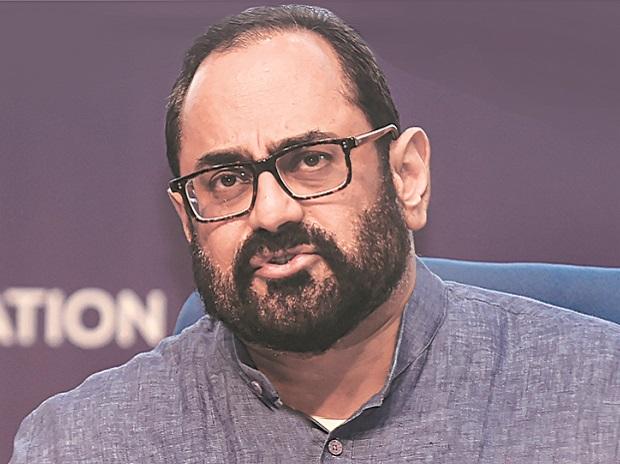
Rising cost of data hinders rapid digitisation: MoS IT Rajeev Chandrasekhar

Rising cost of data hinders rapid digitisation: MoS IT Rajeev Chandrasekhar


Rising prices of data and devices are a concern for the rapid proliferation of digitisation, Minister of State for Electronics and IT said on Wednesday.


The comments have come against the backdrop of a recent hike of about 57 per cent in the minimum monthly recharge plan by the country’s second-largest telco Bharti Airtel.


“Rise in cost of data or cost of devices are of concern because they are impediments in rapid digitisation,” Chandrasekhar said.


The minister said that he is not exactly aware of the hike in mobile services rates by Airtel and the ministry may approach telecom regulator Trai to examine if the hike is going to have a short-term or long-term impact.


He said that there has been an impact on prices across the world due to the Russia-Ukraine war and the impact of data price need to be examined.


Bharti Airtel has increased the price of its minimum recharge for the 28-day mobile phone service plan by about 57 per cent to Rs 155 in eight circles, including Karnataka, Andhra Pradesh, Bihar, Uttar Pradesh West.


The company has stopped its minimum recharge plan of Rs 99, under which it offered 200 megabyte of data and calls at the rate of Rs 2.5 paise per second. In Haryana and Odisha, Airtel has now started offering the Rs 155 plan with unlimited calling, 1 GB of data and 300 SMSes.

(Only the headline and picture of this report may have been reworked by the Business Standard staff; the rest of the content is auto-generated from a syndicated feed.)


Source link

YouTube
Instagram
WhatsApp