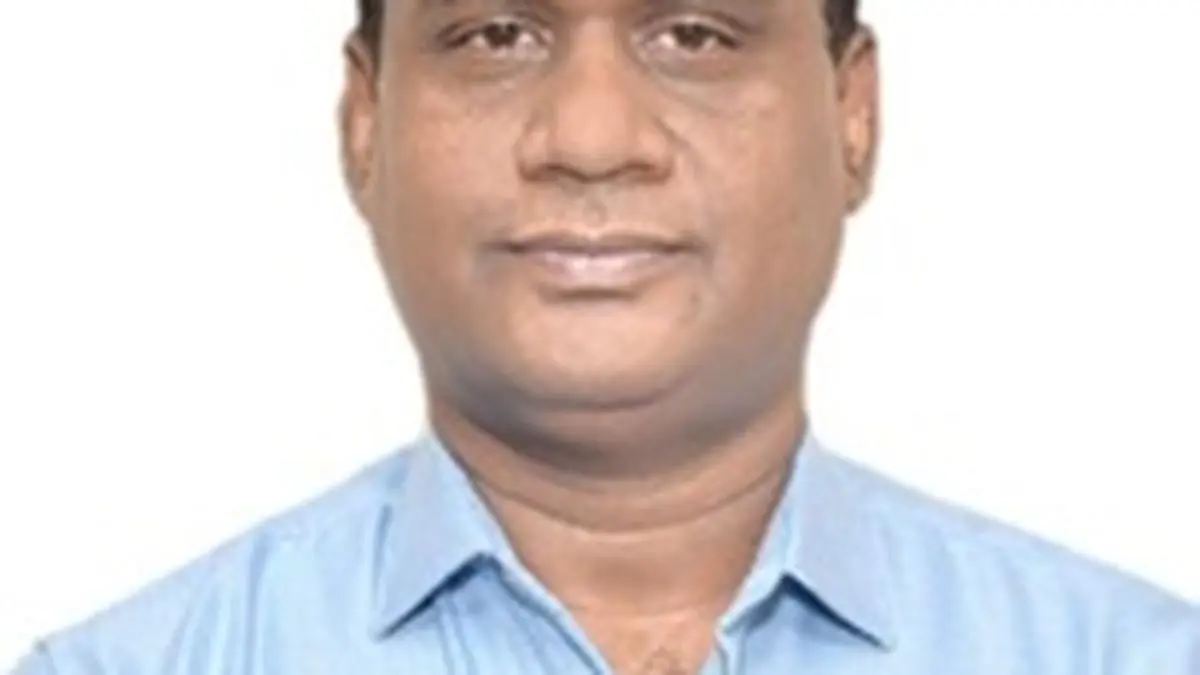
M Angamuthu, Chairman, Dredging Corporation of India
The Dredging Corporation of India (DCIL) is gearing up to build capacity to meet the country’s entire dredging requirements by 2030, according to its Chairman, M Angamuthu.
Speaking to businessline on the occasion of the company’s golden jubilee celebrations on Sunday, Angamuthu said DCIL currently handles nearly 80 per cent of India’s maintenance dredging needs, covering around 120 million cubic metres annually across major ports.
Founded in 1976 with limited resources and a small fleet of inland dredgers, DCIL has significantly expanded its capabilities over the decades. “With the induction of new-generation 12,000 cubic metre hopper dredgers, we are poised to bridge the remaining gap and aim to handle 100 per cent of India’s dredging requirements by 2030,” he said.
The company has evolved from operating inland dredgers to deploying advanced Trailing Suction Hopper Dredgers (TSHDs), enhancing both its technical expertise and operational reach.
Growth aspects
Looking beyond 2030, Angamuthu said growth prospects remain strong. With new major port developments such as Vadhavan Port, Tuticorin Outer Harbour, and Galathea Bay, demand for maintenance dredging is expected to rise by an additional 20–30 million cubic metres annually.
DCIL is well-positioned to cater to this incremental demand and play a key role in supporting India’s maritime expansion, he added.
“We envision DCIL as a globally recognised leader in dredging services, extending our expertise beyond national boundaries and contributing to sustainable maritime infrastructure worldwide. This 50-year journey would not have been possible without the dedication of our employees, the guidance of stakeholders, and the support of promoter ports and clients,” he said.
The Dredging Corporation of India (DCIL) has transitioned from a fully government-owned entity into a public limited company with a strong shareholder base of around 45,000, according to its Chairman, M Angamuthu.
Reflecting its growth trajectory, the company’s market capitalisation has risen from about ₹1,000 crore to ₹2,300 crore. Turnover has expanded sharply from a modest ₹15 crore in 1976-77 to ₹1,148 crore in 2024-25.
DCIL’s existing fleet comprises nine Trailing Suction Hopper Dredgers (TSHDs), with a combined hopper capacity of 54,500 cubic metres and an annual dredging capacity of around 55 million cubic metres.
The company is targeting a more than two-fold increase in turnover—from ₹1,148 crore in 2024-25 to ₹3,000 crore over the next five to six years—driven by new maintenance dredging contracts, reclamation projects, and diversification into dams and reservoirs.
“This aligns with the Sagarmala Programme, under which dredging demand is expected to reach 200–250 million cubic metres annually by 2030, supported by port expansions and infrastructure investments of about ₹80 lakh crore,” Angamuthu said.
Fleet modernisation and adoption of green technologies are expected to further enhance capacity, alongside scaling up manpower to support expanded operations.
With an investment outlay of ₹4,000 crore under the Government of India’s Maritime Amrit Kaal Vision, DCIL is entering a new phase of modernisation. “This infusion will enhance capacity, promote ‘Make in India’, enable adoption of green technologies, and help build a future-ready ecosystem, including the recent induction of the 12,000 cubic metre hopper dredger Dredge Godavari from Cochin Shipyard Ltd ,” he added.
Published on March 29, 2026







