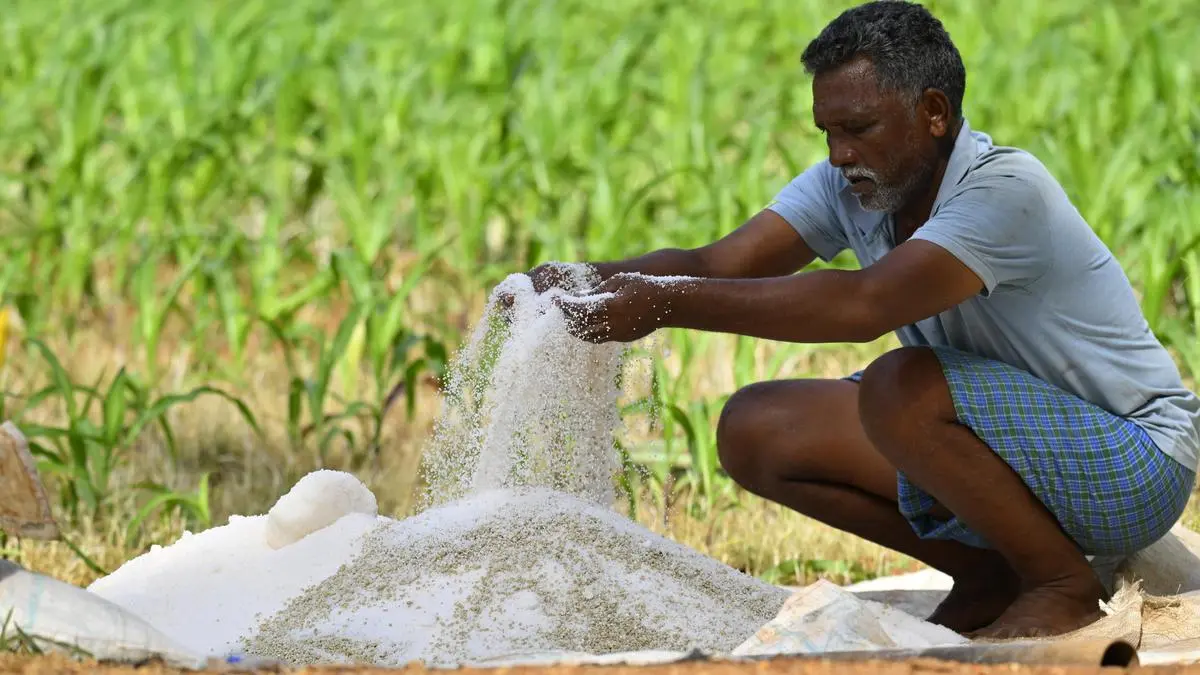
A prolonged conflict between the US-Israel axis and Iran will have a far-reaching impact on the global fertilizer market, and India faces the most imminent risk, analysts say.
“In our view, of the major agricultural markets, India faces the most imminent risk. The timing is particularly critical: while the current disruption falls outside peak import season for several major markets, India’s fertilizer demand window is fast approaching, late March through April, with the peak phosphate production season beginning in June,” said research agency BMI, a unit of Fitch Solutions.
“Deprived of their natural gas supplies from Qatar, fertilizer firms in India, Bangladesh, and Pakistan have had to shut down production. Egypt, another important producer, has lost its gas imports from Israel and must turn to the ever-pricier LNG market,” said Carnegie Endowment fellows Noah Gordon and Lucy Corthell. (India termed the closure of fertilizer firms as maintenance shutdowns a month ahead since there was a shortage of LPG).
Reduced utilisation
“Should the conflict extend beyond one month, we anticipate reduced fertiliser application rates. This risk is compounded by the emerging likelihood of an El Nino event, where reduced fertiliser application amid already stressed growing conditions could significantly impact yields and potentially trigger export restrictions,” said BMI.
Australia’s Bureau of Meteorology, in its latest update, said El Nino will likely set in before the Southern Hemisphere winter ends (August) and there are chances of the drought-bearing event emerging as early as May.
The Iran war has affected shipments of crude, gas and fertilizers across the Strait of Hormuz, which accounts for 30 per cent of fertilizer and its feedstock shipments.
The Strait of Hormuz closure has shut in Gulf natural gas production, the feedstock for ammonia and urea. “With no strategic fertilizer reserves and no pipeline bypass for ammonia, urea prices are skyrocketing, arriving precisely at the Northern Hemisphere spring planting window,” said Viewpoint Investment Partners.
Urea up 30%
BMI said India’s corn plantings begin in May. Corn is the most fertilizer-dependent crop and it could be among the first to feel the impact if the war prolongs.
The Carnegie Endowment fellows said the benchmark price of urea, the most widely traded fertilizer, is up about 30 per cent in the past month and the damage extends beyond nitrogen to phosphorus.
“Gulf countries produce around 20 per cent of phosphate fertilizers, and as well as a quarter of global sulfur, which is largely an oil and gas byproduct. Fertilizer producers need sulfur (sulfuric acid, to be precise) to turn phosphate rock into a liquid that plants can absorb,” they said.
Viewpoint said farmers, especially in the US, who don’t have enough fertilizer face three choices. “They can pay the higher price, reduce application rates and accept lower yields, or shift to less nitrogen intensive crops. All three have consequences for grain prices, and the market is beginning to reflect them,” it said.
BMI said India accounts for 15 per cent of global fertilizer use and 80 per cent of fertilizer use in South Asia. “In India, government supports fertilizer purchases by farmers where urea is the main used product,” it said.
Resumption will take weeks
However, India is undergoing a revival of its nitrogen fertilizer industry, which will lead to lower imports in the coming years, it said.
Carnegie’s Gordon and Corthell said the fertilizer crisis will cast a spotlight on the inefficiencies in the tremendously productive food system. “Even if the Strait of Hormuz does open soon, restarting production and transport for fertilizers and their components could take weeks,” they said.
Moscow Times said Russia stands to reap gains from surging global fertilizer prices, adding to Kremlin’s windfall from higher oil and gas revenues.
Prices for Russian fertilizers have already climbed to levels not seen since 2022, when uncertainty over Western sanctions on Moscow following the invasion of Ukraine rattled global markets, it said
Baltic FOB urea increased to $418 a tonne in February after averaging about $375 in 2025. By March 13, it climbed to $563-$586 — a 40 per cent increase over pre-crisis levels — with some deals concluded at around $600.
Published on April 1, 2026







