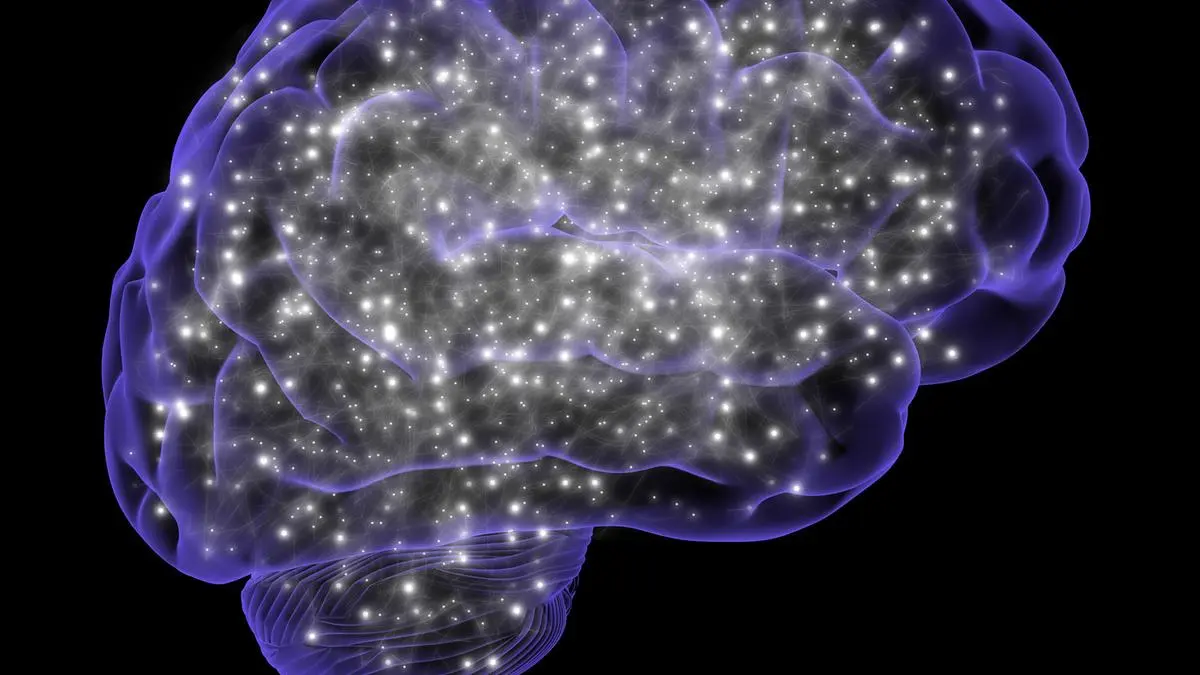
Australian media recently reported on an interesting device that can help paralysed persons “regain connection with the world through text, email, shopping and banking online.”
The matchstick-sized implant, called Stentrode, is placed in a blood vessel near the motor cortex of the brain. Once deployed, it self-expands and stays in position. It senses electrical activity from nearby neurons, particularly signals associated with intended movement. These signals are transmitted via a thin wire to a small device implanted in the chest, which then sends them wirelessly to an external computer. There, specialised software decodes the patterns and converts them into digital commands — such as moving a cursor, clicking or typing. In effect, the system — developed by a company co-founded by Prof Thomas Oxley of University of Melbourne — translates the brain’s intention, enabling interaction without physical movement.
This development has brought renewed attention to an emerging field known as brain-computer interfaces (BCI). We are familiar with EEG, which reads brain activity through external sensors. Researchers like Oxley are taking the technology much deeper. Most current work on BCI is focused on medicine, including operating wheelchairs and other assistive devices.
Looking ahead, the possibilities are striking — especially when combined with artificial intelligence. One can imagine, for instance, switching off a device at home by thought alone or access data directly from a computer.
Inevitably, there are ethical questions. As Jackson Tyler Boonstra, a postdoctoral researcher at Vrije University Amsterdam, notes in a recent paper, “While BCIs hold transformative potential for treating neurological disorders, their premature translation into consumer markets risks outpacing neuroscientific understanding and ethical frameworks.”
More Like This
Published on March 23, 2026







