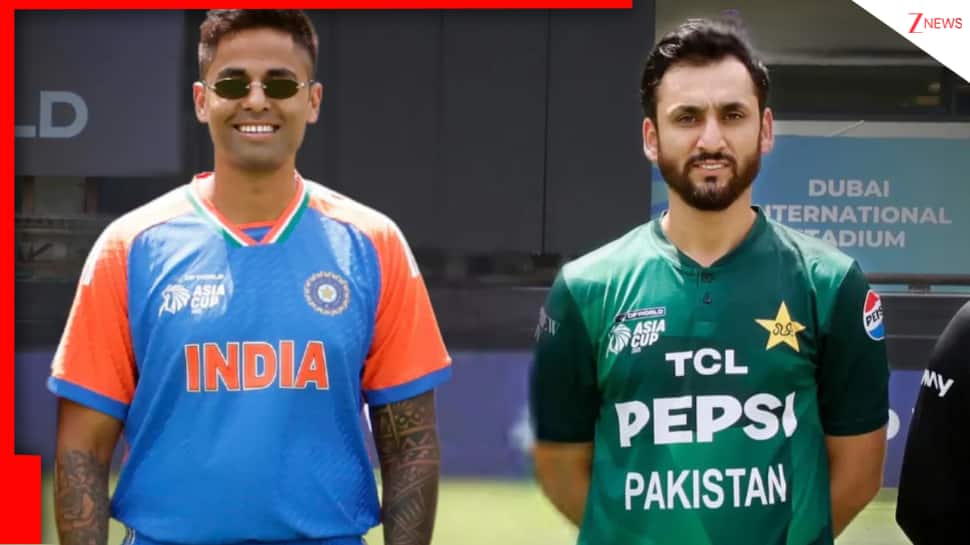
The decision by Pakistan to boycott its group-stage match against India on February 15 in Colombo has plunged the ICC Men’s T20 World Cup 2026 into legal, administrative, and commercial uncertainty. While Pakistan’s team is already in Sri Lanka preparing for the tournament, the potential no-show against India has opened up complex questions around contracts, governance, and the limits of political intervention in international sport.
At the centre of the storm are the International Cricket Council and the Pakistan Cricket Board, locked in a delicate situation where any decision could have long-term consequences for world cricket.
Pakistan’s Boycott Announcement and ICC’s Warning
Pakistan’s intention to boycott the India match was communicated through an official post from the Government of Pakistan, rather than via a formal PCB statement. The ICC responded by urging the PCB to seek a “mutually acceptable resolution” and warning that the implications of such a move could be “significant and long-term”, not just for Pakistan but for the global cricket ecosystem.
Despite the uncertainty, Pakistan’s squad has already arrived in Colombo and is scheduled to play a warm-up match against Ireland, followed by their tournament opener on February 7,adding urgency to the ICC’s behind-the-scenes deliberations.
The Legal Backbone: Members Participation Agreement
All teams competing in ICC events are bound by a Members Participation Agreement (MPA). One of its core provisions requires teams to:
- Participate in ICC events that they qualify for
- Play every scheduled match in those events
From the ICC’s perspective, refusing to play even one match could constitute a breach of contract, opening the door to financial penalties, damages, or stronger disciplinary measures.
Force Majeure: Pakistan’s Key Defence
The PCB’s strongest legal argument is expected to rest on Force Majeure, a clause that excuses contractual obligations when extraordinary events beyond a party’s control occur. Crucially, the MPA recognises government orders as a potential Force Majeure trigger.
However, invoking this defence is not automatic. The PCB would need to:
- Formally notify the ICC in writing
- Provide the government directive it is relying on
- Explain how that order prevents compliance with tournament obligations
Even then, the ICC could scrutinise whether the situation was unavoidable and whether sufficient efforts were made to mitigate its impact.
Can the ICC Force Pakistan Out of the Tournament?
One possible ICC stance is that tournament participation obligations are indivisible. In simple terms, the ICC could argue that if Pakistan cannot play one match, it cannot fulfil its obligation to play the tournament at all. This interpretation could justify terminating Pakistan’s participation entirely. Pakistan, on the other hand, is likely to argue for partial Force Majeure, claiming that only one match is affected and that the sporting penalty should be limited to a forfeit, treated as a loss under tournament rules.
A complicating factor is the overlap between PCB leadership and the Pakistani government. International sports bodies expect national boards to operate autonomously. If the ICC believes the PCB is effectively executing a government decision without resistance, or that the situation could have been mitigated, it could weaken Pakistan’s legal defence.
The existence of hybrid models in past ICC events may also be cited by the ICC as evidence that political hurdles can be managed rather than escalated.
Knockout Scenarios and Logical Gaps
One of the biggest question marks is what happens if Pakistan later faces India in a knockout match. A government order that blocks a group match but allows a knockout encounter against the same opponent would be difficult to defend legally and logically, potentially undermining the entire boycott rationale.
Possible Sanctions: From Mild to Extreme
The range of potential outcomes is wide:
- Minimum impact: Match forfeiture and loss of points
- Moderate impact: Financial damages or indemnity claims
- Extreme impact: Suspension or termination of PCB membership under ICC regulations
While the harshest penalties remain unlikely, they are legally available options.
Why This Matters Beyond One Match
The India-Pakistan rivalry is the most commercially valuable fixture in world cricket. Its absence could cost broadcasters, sponsors, and the ICC thousands of crores in lost revenue, while also setting a precedent for political intervention in future tournaments. This is not just a cricketing dispute; it is a test of how far global sport can remain insulated from geopolitics. The ICC must balance contractual enforcement with tournament stability, while the PCB faces the risk of legal and financial fallout if the boycott proceeds without a watertight defence.
What happens next will likely be decided not in public statements, but through legal interpretation, quiet negotiations, and political backchannels, with the future handling of India–Pakistan matches in ICC events hanging in the balance.







