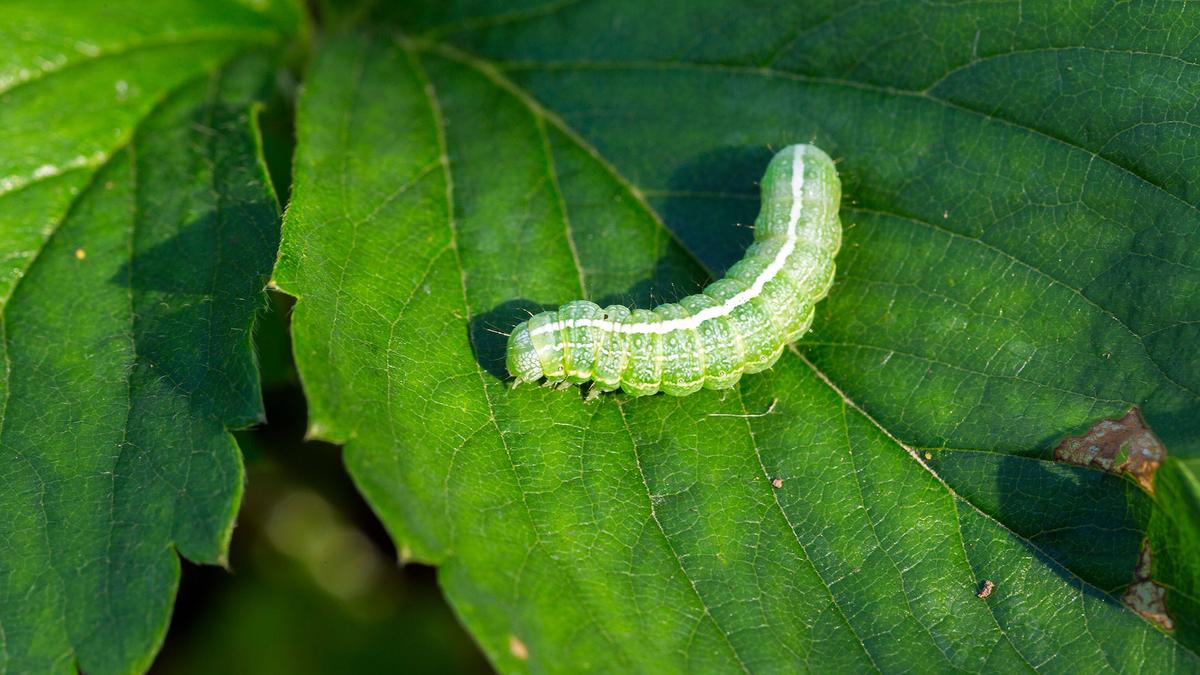
Most plants may not have the ability to ward off predators on their own, but they are not exactly defenceless either. It has long been known that plants under attack release volatile chemicals that summon the predators of their predators — like wasps that prey on leaf-eating worms.
Scientists are still divided over whether plants can “think” or consciously “cry for help”. But now, researchers say they have understood the mechanism by which at least one type of plant — beans — sends out distress signals. When a caterpillar is munching on a leaf, chemicals in its spit activate a receptor protein called inceptin in the plant, setting off a herbivore-specific immune response. Bean growers using pesticides may not have noticed this natural defence .
Researchers became intrigued by high wasp activity in certain bean fields in Oaxaca, Mexico. They grew bean plants under three different conditions — leaves cut with a razor blade and dabbed with water, leaves treated with caterpillar oral secretions and leaves coated with inceptin. Dead caterpillars were pinned to all the plants.
The wasps largely ignored the razor-cut plants, suggesting leaf damage was not enough to trigger a distress signal. But plants treated with caterpillar secretions or inceptin drew more wasps.
“These findings provide a definitive molecular-to-ecological link… how a single immune receptor mediates ecologically relevant plant-insect-predator interactions in nature,” the report says, adding it could pave the way for pesticide-free methods of crop protection.
Published on June 1, 2026







