Kirloskar Ferrous shares soar 14%, hit 52-week high on export order win

Kirloskar Ferrous shares soar 14%, hit 52-week high on export order win


Kirloskar Ferrous share price today: Shares of Kirloskar Ferrous Industries traded higher on Thursday, June 18, 2026, as the company secured an export order worth $13.51 million for the supply of pig iron.


Following the announcement, the stock advanced on the exchanges and touched a 52-week high of ₹508.45, up 14.4 per cent, on the NSE. The counter has also rebounded 24 per cent from its 52-week low of ₹408 per share recorded on June 11, 2026.


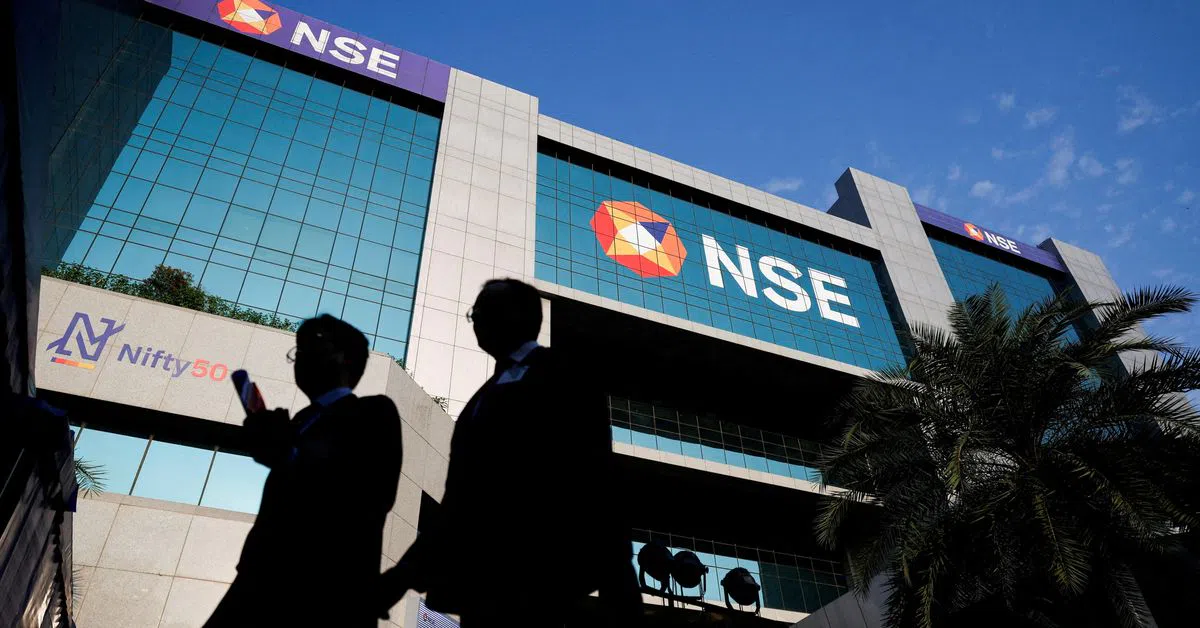
During intraday trade at around 1:12 pm, the stock was changing hands at ₹483.45 per share, up 8.8 per cent. At the same time, the benchmark Nifty 50 was trading 0.15 per cent higher.


So far in the session, a total of nearly 5.5 million equity shares of Kirloskar Ferrous Industries traded on both the bourses, the NSE and BSE. At the prevailing market price, the company’s market capitalisation stood at ₹ 8,091.06 crore on the NSE. 
Check – TOP GAINERS NSE | TOP LOSERS NSE


Order details


The company informed exchanges that it has received a contract valued at approximately $13.51 million from a buyer based in London, United Kingdom. The order is for the supply of 30,000 metric tonnes (±5 per cent) of basic grade pig iron, to be delivered on a free-on-board (FOB) basis against a letter of credit payable at sight. Shipment is scheduled to be completed by August 15, 2026, subject to contractual terms related to shipping and trade.


Corporate updates


In a separate exchange filing dated June 12, 2026, the company’s Board of Directors recommended a final dividend of ₹3 per equity share of ₹5 each (60%) for the financial year 2025–26, subject to shareholder approval at the upcoming annual general meeting.


The board also approved the allotment of 17,841 equity shares of ₹5 each under the company’s employee stock option scheme. Following this allotment, the issued, subscribed, and paid-up share capital of the company increased to ₹82,49,61,920, comprising 16,49,92,384 equity shares of ₹5 each.


Source link

NSE IPO windfall: Early institutional investors set for multifold gains

NSE IPO windfall: Early institutional investors set for multifold gains


The National Stock Exchange’s (NSE’s) long-awaited initial public offering (IPO) is set to unlock massive gains for a wide spectrum of shareholders.


Data in the draft red herring prospectus (DRHP) show that several of the largest institutional investors, who are also early entrants, acquired shares at exceptionally low prices.


State Bank of India (SBI), one of the biggest shareholders in the exchange, holds 79.8 million shares at a weighted average cost of ₹0.80 per share, while Bank of Baroda’s acquisition cost stands at ₹0.54 per share. 


SBI is offering up to 24.7 million shares in the offer for sale (OFS), while Bank of Baroda has offered 10.89 million shares.


At present, SBI holds a 3.23 per cent stake in the company. Post-IPO, the stake will decline to 2.2 per cent.


Life Insurance Corporation of India (LIC), the largest shareholder with a 10.72 per cent stake, is not diluting its holding in the IPO.


Stock Holding Corporation of India acquired its stake at ₹0.46 per share.


Among other public sector undertakings (PSUs), The New India Assurance Company, National Insurance Company and The Oriental Insurance Company each hold shares acquired at ₹0.32 apiece, while United India Insurance’s acquisition cost is ₹0.50 per share.


Among other selling shareholders, MS Strategic (Mauritius) has an acquisition cost of ₹66.54 per share, Canada Pension Plan Investment Board’s weighted acquisition cost is around ₹324.13 per share, and that of Aranda Investments (Mauritius) is ₹62.38 per share.


The IPO will comprise up to 148.9 million equity shares, or nearly 6 per cent of NSE’s paid-up capital, of face value Re 1 each, with no fresh issue component. This means the exchange itself will not receive any proceeds from the offering. Instead, all funds raised will go to the selling shareholders.


The IPO size is pegged at more than ₹30,000 crore, based on the exchange’s market capitalisation in the unlisted market, making it potentially the largest IPO in India. In comparison, Hyundai Motor India raised nearly ₹28,000 crore through its IPO in 2024. 


The wide dispersion in acquisition prices sets the stage for substantial gains across shareholder categories once the IPO price is finalised. Early institutional backers, particularly public sector banks and insurers, are poised for outsized returns, while later-stage investors are also likely to benefit from appreciation over their entry prices.


NSE shares are currently trading at around ₹2,055 apiece in the unlisted market.


A significant factor influencing these costs is the 4:1 bonus issue undertaken in November 2024, which effectively reduced the acquisition cost for long-term investors.


While early investors are set to make multi-fold gains, recent transactions have taken place at much higher acquisition costs. The weighted average acquisition cost of shares transacted over the past year stands at ₹1,909.02, with deals occurring in a range of ₹1,350 to ₹2,260 per share.


Over a three-year period, however, the average drops sharply to ₹229.23, reflecting the presence of legacy holdings and bonus issuances.


With momentum building around the IPO, NSE has seen a surge in retail investors over the past two years, making it one of the most widely traded stocks in the unlisted market.


Source link

नॉर्थ ईस्ट में बिना लक्षण फैल रही यह खतरनाक बीमारी, हर 3 में से 1 शख्स चपेट में

नॉर्थ ईस्ट में बिना लक्षण फैल रही यह खतरनाक बीमारी, हर 3 में से 1 शख्स चपेट में


One In Three TB Cases In Northeast India Are Asymptomatic: देश के सबसे खूबसूरत हिस्से नार्थ- ईस्ट से डराने वाली तस्वीर निकल कर सामने आई है. पूर्वोत्तर में टीबी को लेकर किए गए एक बड़े स्क्रीनिंग अभियान ने चिंता बढ़ा दी है. जांच में पाया गया कि टीबी से इंफेक्टेड पाए गए लोगों में बड़ी संख्या ऐसे मरीजों की थी, जिनमें बीमारी के कोई स्पष्ट लक्षण दिखाई नहीं दे रहे थे. यानी ये लोग सामान्य रूप से अपनी दिनचर्या में व्यस्त थे और उन्हें खुद भी इस इंफेक्शन का अंदाजा नहीं था.

34 प्रतिशत बिना लक्षण वाले मामले मिले

स्वास्थ्य मंत्रालय की वार्षिक रिपोर्ट 2025-26 के अनुसार, नेशनल ट्यूबरक्लोसिस एलिमिनेशन प्रोग्राम के तहत जनवरी से अक्टूबर 2025 के बीच पूर्वोत्तर राज्यों में कमजोर और जोखिम वाले वर्गों के लोगों की विशेष जांच की गई. इस दौरान कुल 41,727 टीबी मरीजों की पहचान हुई, जिनमें से 14,356 मरीज ऐसे थे जिन्हें कोई लक्षण नहीं था. यह संख्या कुल मामलों का करीब 34 प्रतिशत है.

39 लाख लोगों की जांच की गई

टीबी उन्मूलन अभियान के तहत पूर्वोत्तर के आठ राज्यों में लगभग 39 लाख लोगों की स्क्रीनिंग की गई. इनमें से करीब 6 लाख लोगों का चेस्ट एक्स-रे भी किया गया. स्वास्थ्य एक्सपर्ट का मानना है कि सक्रिय जांच अभियान के कारण ऐसे मरीजों की पहचान संभव हो सकी, जो सामान्य परिस्थितियों में अस्पताल तक नहीं पहुंचते.  आंकड़ों के अनुसार असम में सबसे अधिक 10,362 एसिम्प्टोमैटिक टीबी मरीज मिले. इसके बाद मेघालय में 1,055, नागालैंड में 857 और त्रिपुरा में 510 मामले दर्ज किए गए. अरुणाचल प्रदेश में 479, मणिपुर में 465, सिक्किम में 380 और मिजोरम में 248 ऐसे मरीज पाए गए, जिनमें टीबी के सामान्य लक्षण मौजूद नहीं थे.

इसे भी पढ़ें: बुजुर्गों के खाने के लिए बेस्ट हैं ये पांच मछलियां, एनर्जी के साथ सेहत में भी होगा तेजी से सुधार

टीबी नियंत्रण अभियान के लिए बड़ी चुनौती

एक्सपर्ट का कहना है कि ऐसे मरीज टीबी नियंत्रण अभियान के लिए बड़ी चुनौती साबित होते हैं. चूंकि इनमें बीमारी के लक्षण नहीं होते, इसलिए वे लंबे समय तक बिना इलाज के रह सकते हैं. इससे इंफेक्शन के फैलने का खतरा भी बना रहता है. यही वजह है कि अब स्वास्थ्य विभाग केवल अस्पतालों में आने वाले मरीजों पर निर्भर रहने के बजाय घर-घर और समुदाय स्तर पर जांच अभियान चला रहा है. 

एआई तकनीक का उपयोग

टीबी की जल्द पहचान के लिए कई राज्यों ने आधुनिक तकनीक का भी सहारा लेना शुरू कर दिया है. मेघालय में कफ अगेंस्ट टीबी ऐप और एआई आधारित पोर्टेबल एक्स-रे यूनिट का इस्तेमाल किया जा रहा है. इसके अलावा भी कई राज्यों में इस तरह की सुविधा है. सबसे हैरानी वाली बात यह है कि  रिपोर्ट के मुताबिक सितंबर 2025 तक पूर्वोत्तर क्षेत्र में 10.7 लाख से अधिक संभावित टीबी मरीजों की जांच की गई. इस दौरान संभावित टीबी जांच दर में भी उल्लेखनीय बढ़ोतरी दर्ज की गई. वर्ष 2024 में यह दर प्रति लाख आबादी पर 2,062 थी, जो 2025 में बढ़कर 2,645 हो गई.

इसे भी पढ़ें- जंग लगे चाकू से खाना बनाकर आपकी सेहत से खिलवाड़ कर रहे रेस्तरां, FSSAI ने जारी की एडवायजरी

Disclaimer: यह जानकारी रिसर्च स्टडीज और विशेषज्ञों की राय पर आधारित है. इसे मेडिकल सलाह का विकल्प न मानें. किसी भी नई गतिविधि या व्यायाम को अपनाने से पहले अपने डॉक्टर या संबंधित विशेषज्ञ से सलाह जरूर लें.

Check out below Health Tools-
Calculate Your Body Mass Index ( BMI )

Calculate The Age Through Age Calculator


Source link

Gujarat Gas gets NSE, BSE nod for listing of 62.27 crore shares; stock in focus

Gujarat Gas gets NSE, BSE nod for listing of 62.27 crore shares; stock in focus


Shares of Gujarat Energy Ltd, formerly Gujarat Gas Ltd, are likely to remain in focus after the company received final listing and trading approvals from the National Stock Exchange (NSE) and BSE for 62.27 crore equity shares allotted under its composite amalgamation and arrangement scheme.

According to the company’s stock exchange filing, the approvals were received on June 17, 2026, for 62,27,14,719 equity shares with a face value of ₹2 each that were allotted to eligible shareholders of Gujarat State Petroleum Corporation Ltd (GSPC) and Gujarat State Petronet Ltd (GSPL) as on the record date of May 12, 2026.

The company said the newly allotted shares have been listed and admitted for trading on both exchanges with effect from June 18, 2026.

The share allotment was carried out pursuant to the composite scheme of amalgamation and arrangement involving GSPC, GSPL, GSPC Energy Ltd, Gujarat Energy Ltd and GSPL Transmission Ltd.

The scrip traded flat at ₹397.95 at 12.08 pm on the NSE.

More Like This

The cautious opening followed a weak overnight session on Wall Street, where all three major US indices ended around 1% lower, with the Nasdaq declining 1.3%.

Published on June 18, 2026


Source link

What is BGP hijacking? The protocol at the centre of Telegram's India clash

What is BGP hijacking? The protocol at the centre of Telegram's India clash


Reliance Jio has denied allegations made by Telegram founder Pavel Durov that the telecom operator was using a technique known as Border Gateway Protocol (BGP) hijacking to disrupt access to the messaging platform for users outside India. 


The denial came a day after Durov levelled the accusation on social media platform X, amid Telegram’s escalating dispute with Indian authorities over the government’s temporary restriction on the platform ahead of the NEET-UG 2026 re-examination. 

The Centre ordered a temporary block on Telegram until June 22, arguing that the platform was being used by organised cheating networks and to spread misleading information related to the examination. Telegram moved the Delhi High Court on June 17, calling the restriction disproportionate and arguing that it affected more than 150 million Indian users.


What Pavel Durov accused Reliance of


In his post, Durov alleged that Reliance was sabotaging access to Telegram for millions of users outside India, including in the United Arab Emirates (UAE), through what he described as a rogue technique called BGP hijacking. 


He further claimed that the issue appeared intentional because Meta owns roughly a 10 per cent stake in Reliance Jio Platforms, suggesting the telecom operator may have acted to give WhatsApp an advantage while Telegram remained restricted. 


Durov urged network operators to reject unauthorised route announcements that he alleged were originating from Reliance. 


Reliance Jio later issued a public rebuttal stating that it had “not been involved in any such incident” and that it continues to operate its network in accordance with global internet-routing best practices.


What is BGP and why does the internet need it?


Most people think of the internet as a single giant network. In reality, it consists of tens of thousands of smaller networks operated by telecom companies, cloud providers, governments, universities and technology firms. 


Whenever someone opens Telegram, YouTube or Gmail, their request typically travels through several of these networks before reaching its destination. The system that helps these networks find one another is called the Border Gateway Protocol (BGP). 


Think of the internet as a giant courier network. Every telecom operator, cloud provider and internet company manages its own 
delivery network. Telegram’s servers may be connected to one network, while your internet connection may come from another.


Suppose you want to send a parcel from Delhi to a small town in Kerala. The courier handling the parcel may not serve that destination directly. Instead, it passes the parcel to another courier company, which may pass it on again until it reaches the final address. 


For that system to work, each courier company must know which company can deliver to which locations. BGP performs a similar role on the internet. It allows networks to continuously exchange information about which internet addresses they can reach and how traffic should be forwarded. 


In effect, BGP functions as a global directory that helps internet traffic find its destination across thousands of interconnected networks. 


Without BGP, networks would not know where to send data once it left their own systems, making global internet connectivity virtually impossible.


Why is BGP vulnerable to hijacking?


The key issue is that traditional BGP does not have a built-in mechanism to automatically verify every route announcement it receives. 


If one network announces that it can deliver traffic to a particular destination, other networks may accept that claim and begin forwarding traffic accordingly. 


In simple terms, BGP often operates on trust first and verification later. 


This means that if a network accidentally publishes incorrect routing information, or deliberately announces routes that do not belong to it, traffic can be redirected through the wrong path. This is commonly known as a BGP hijack. 


Researchers and internet-governance organisations have warned about this weakness for years. According to the Internet Society-backed MANRS initiative, routing incidents such as route leaks and route hijacks continue to occur globally despite ongoing efforts to improve security.


Why was BGP designed this way?


BGP was developed in the late 1980s when the internet was far smaller and less complex than it is today. 


At the time, the number of connected networks was limited and participants generally knew and trusted one another. As a result, the primary goal was to ensure different networks could communicate efficiently. 


Security threats such as state-backed cyber operations, large-scale internet fraud, cryptocurrency theft and global social media platforms either did not exist or were not major concerns. 


Because of that, BGP was built around a trust-based model, with networks largely expected to provide accurate routing information. 


That design helped the internet grow rapidly but also created vulnerabilities that are still being addressed decades later.


Is this a one-off incident?


No. Routing incidents involving BGP have occurred for years across the global internet. While many result from accidental configuration errors rather than deliberate attacks, they can still disrupt services and redirect traffic through unintended networks. 


India has witnessed several such incidents. 


In 2015, incorrect route announcements involving Bharti Airtel briefly affected traffic destined for Google services. In 2020, researchers at Oracle Internet Intelligence reported route leaks involving Vodafone Idea. 


These incidents highlight a broader reality: because internet routing relies on thousands of independently operated networks exchanging information, mistakes can sometimes spread far beyond the network where they originated.


Source link

YouTube
Instagram
WhatsApp




