एसटी प्रवाशांसाठी मोठा बदल, 1 ऑगस्टपासून महिला आणि ज्येष्ठ नागरिकांना NCMC स्मार्ट कार्ड अनिवार्य

एसटी प्रवाशांसाठी मोठा बदल, 1 ऑगस्टपासून महिला आणि ज्येष्ठ नागरिकांना NCMC स्मार्ट कार्ड अनिवार्य


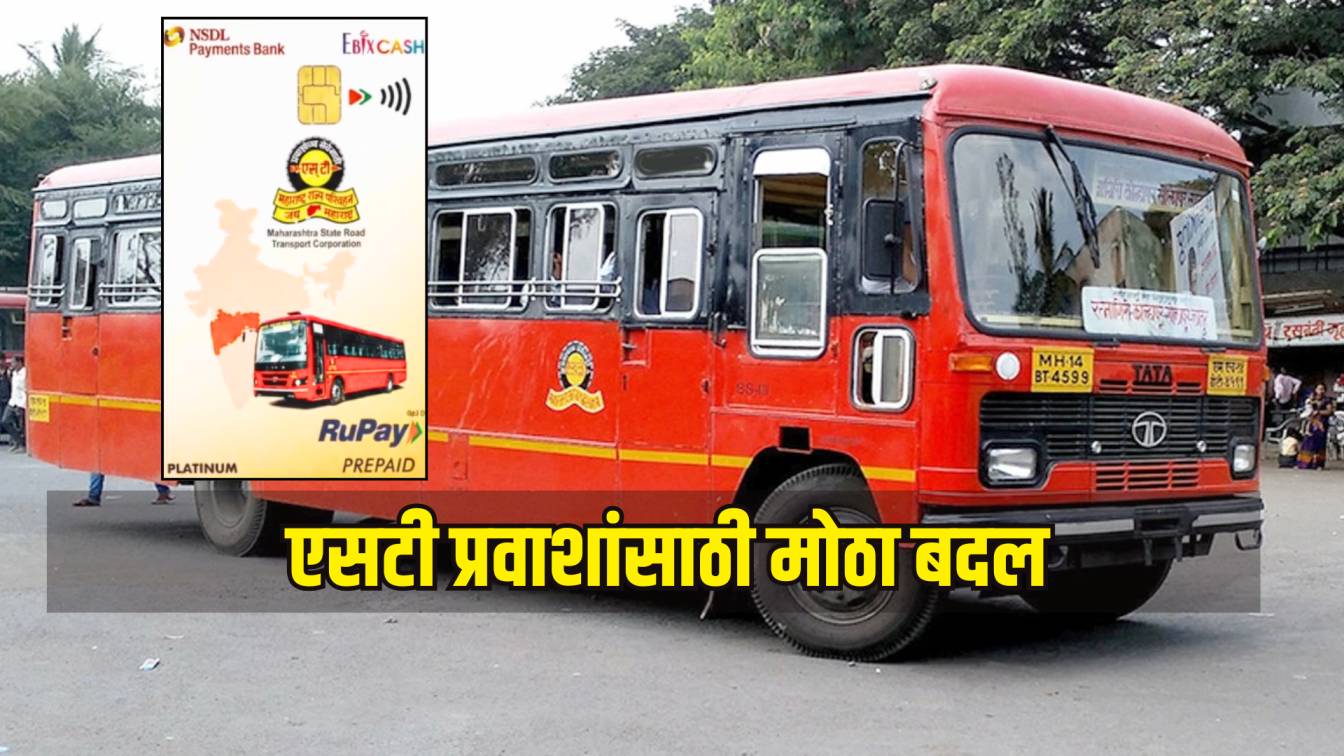
Msrtc To Make National Common Mobility Card Mandatory: राज्य परिवहन महामंडळाच्या (एसटी) प्रवास सेवांमध्ये डिजिटल व्यवहारांना चालना देण्यासाठी आणि सवलतींचे वितरण अधिक पारदर्शक करण्यासाठी महत्त्वाचा निर्णय घेण्यात आला आहे. 1 ऑगस्ट 2026 पासून महिला, ज्येष्ठ नागरिक आणि अमृत ज्येष्ठ नागरिक प्रवाशांना NCMC (नॅशनल कॉमन मोबिलिटी कार्ड) स्मार्ट कार्ड बंधनकारक करण्यात येणार असल्याची माहिती परिवहन मंत्री तथा एसटी महामंडळाचे अध्यक्ष प्रताप सरनाईक यांनी दिली. या निर्णयानंतर राज्यभर स्मार्ट कार्ड नोंदणी आणि वितरण मोहिमेला वेग देण्यात आला आहे. आतापर्यंत सुमारे 51 लाख नागरिकांनी कार्डसाठी नोंदणी केली असून त्यापैकी जवळपास 25 लाख कार्डे कार्यान्वित करण्यात आली आहेत. उर्वरित लाभार्थ्यांची कार्डे सुरू करण्याची प्रक्रिया सुरू असून नागरिकांनी लवकरात लवकर आवश्यक कार्यवाही पूर्ण करण्याचे आवाहन करण्यात आले आहे.

राज्यभर 4 हजारांहून अधिक केंद्रे

प्रवाशांना कार्ड मिळवताना कोणतीही अडचण येऊ नये यासाठी राज्यभरात 4 हजारांपेक्षा अधिक NCMC स्मार्ट कार्ड वितरण केंद्रे सुरू करण्यात आली आहेत. ग्रामीण आणि शहरी भागातील लाभार्थ्यांना सहजपणे कार्ड उपलब्ध व्हावे यासाठी ही केंद्रे कार्यरत आहेत.

जादा शुल्क आकारणाऱ्यांवर कारवाईचा इशारा

स्मार्ट कार्ड वितरण प्रक्रियेत गैरप्रकार सहन केले जाणार नाहीत, असा इशारा परिवहन मंत्री प्रताप सरनाईक यांनी दिला आहे. शासनाने निश्चित केलेल्या शुल्कापेक्षा अधिक रक्कम आकारून कार्ड देणाऱ्या केंद्रांवर कठोर कारवाई केली जाईल. अशा केंद्रांचा परवाना तात्काळ रद्द करण्याचा इशाराही त्यांनी दिला.

सवलतींचा लाभ मिळवण्यासाठी कार्ड आवश्यक

महिला, ज्येष्ठ नागरिक आणि अमृत ज्येष्ठ नागरिकांना शासनाच्या विविध प्रवासी सवलती सहज आणि पारदर्शक पद्धतीने मिळाव्यात, तसेच तिकीट वितरण व्यवस्था अधिक आधुनिक आणि डिजिटल व्हावी, या उद्देशाने NCMC स्मार्ट कार्ड प्रणाली लागू केली जात आहे. त्यामुळे संबंधित लाभार्थ्यांनी 1 ऑगस्टपूर्वी आपले NCMC स्मार्ट कार्ड मिळवून ते सक्रिय करून घ्यावे, असे आवाहनही परिवहन विभागाकडून करण्यात आले आहे.

राज्याच्या सार्वजनिक वाहतूक व्यवस्थेला डिजिटल स्वरूप देण्याच्या दिशेने हा महत्त्वाचा टप्पा मानला जात असून आगामी काळात अधिकाधिक प्रवासी या स्मार्ट प्रणालीचा वापर करतील, असा विश्वास व्यक्त करण्यात येत आहे.


Source link

Vedanta shares steady, four demerged entities set for market debut on June 15

Vedanta shares steady, four demerged entities set for market debut on June 15


Vedanta Ltd shares traded largely flat after rising as much as 3 per cent in early trade on Friday, with investors closely tracking the upcoming listing of the group’s four demerged businesses next week.

The stock opened 3 per cent higher at ₹314 on the NSE, but gave up most of its gains during the session. At around 1 pm, Vedanta shares were trading flat at ₹304.45.

The stock remains in focus ahead of the listing of four newly created companies that emerged from Vedanta Ltd’s demerger exercise. The entities — Vedanta Aluminium Metal (VAML), Vedanta Oil & Gas (VOGL), Vedanta Power and Vedanta Iron & Steel (VISL) — are scheduled to begin trading on the BSE and NSE on June 15.

Vedanta’s demerger plan received approval from the National Company Law Tribunal (NCLT) in December last year and became officially effective on May 1.

Under the approved 1:1 demerger scheme, shareholders received one equity share in each of the four demerged companies for every one share held in Vedanta Ltd.

The newly listed stocks will be placed in the trade-for-trade segment for the first 10 trading sessions following their debut.

Published on June 12, 2026


Source link

AI will not make GBS firms obsolete, but more important: BCG report

AI will not make GBS firms obsolete, but more important: BCG report


Artificial intelligence (AI) will not make Global Business Services (GBS) organisations obsolete; instead, it will make them more strategically important as enterprises deploy AI agents at scale, Boston Consulting Group (BCG) said in a report released on Friday.


The report argued that while AI agents could automate workflows and reduce transactional work by 30 to 50 per cent over the next three to five years, they cannot replace the governance, accountability, data ownership and end-to-end process management required by large enterprises.


Instead, companies should reposition GBS units as centralised “AI Control Towers” responsible for overseeing AI deployment, enterprise data and cross-functional operations, it said.


GBS organisations are centralised units that handle business functions such as finance, human resources, procurement and supply-chain operations for large enterprises, often across multiple geographies.


“The enterprises that win in the AI era will not be those that fragment operations across functions and hope agent swarms self-coordinate,” said Rajiv Gupta, Managing Director and Senior Partner at BCG.


He added: “They will be the ones that build a centralised AI Control Tower with the governance, data, and accountability to deploy AI at scale and sustain it. That is what a transformed GBS delivers.” 


Key findings


The BCG report stated that enterprises that transform their GBS operations with AI could shrink their delivery footprint by 25 to 35 per cent while strengthening governance and enterprise-wide AI deployment capabilities.


However, it cautioned against dismantling GBS structures and returning operations to individual business functions. Function-owned AI agents operating without centralised oversight could create fragmented accountability and value leakage, particularly in processes that cut across multiple departments, the report stated.


It further claimed that the long-term cost of dissolving GBS organisations, including restructuring expenses, recurring inefficiencies and eventual re-centralisation, could reach four to seven times annual GBS operating costs over a decade.


“The biggest misconception in boardrooms today is that AI reduces the need for GBS,” said Matt Marchingo, Managing Director and Partner at BCG.


He added: “As agentic AI scales, governance, data integrity and end-to-end accountability matter more, not less.” 


Why it matters for India


The report is particularly relevant for India, which hosts one of the world’s largest Global Capability Centre (GCC) and GBS ecosystems.


According to BCG, as agentic AI scales across finance, human resources, procurement and supply-chain functions, GBS organisations in India are well-positioned to evolve from service-delivery centres into enterprise AI orchestration hubs.


The report argued that the challenge for companies is not whether to transform these organisations, but whether to lead that transformation before AI-driven disruption forces it.


Source link

Who is Gilberto Mora? Meet the 17-Year-Old who became Mexico’s youngest-ever FIFA World Cup player

Who is Gilberto Mora? Meet the 17-Year-Old who became Mexico’s youngest-ever FIFA World Cup player


History was scripted at the iconic Estadio Azteca as FIFA World Cup 2026 got underway, with Mexico opening their campaign with a victory over South Africa. However, it was teenage sensation Gilberto Mora who stole the spotlight, etching his name into football folklore with a record-breaking World Cup appearance.

The 17-year-old midfielder came on in the 65th minute and was greeted by a thunderous ovation from the home crowd during Mexico’s 2-0 victory in the opening match of the tournament.

ALSO READ: FIFA World Cup 2026: Why Haiti were forced to change their jerseys ahead of first World Cup return in 52 years


Add Zee News as a Preferred Source


Youngest-ever Mexico player at FIFA World Cup

With his appearance at just 17 years and 240 days, Mora became the youngest player ever to represent Mexico at a FIFA World Cup, breaking a record that had stood for nearly a century since Manuel Rosas featured at the inaugural tournament in 1930.

His debut also placed him among the youngest players in World Cup history, joining an elite list that includes Norman Whiteside of Northern Ireland, Brazil legend Pelé, Cameroon great Samuel Eto’o and Mexican icon Hugo Sánchez.

While Mora is the youngest player at FIFA World Cup 2026, several other teenagers have also earned places on football’s biggest stage. Czechia midfielder Hugo Sochurek is 18 years and 4 days old, Germany’s Lennart Karl is 18 years and 109 days old, Senegal forward Ibrahim Mbaye is 18 years and 138 days old, while Egypt striker Hamza Abdelkarim is 18 years and 161 days old.

ALSO READ: FIFA World Cup 2026: Germany players pay bus travel costs for 600 fans amid transport price controversy

From Tijuana prodigy to the World Cup stage

Born in Chiapas, Mora began his football journey at Club Tijuana and has risen at remarkable speed. He made his professional debut before turning 16 and has already made more than 50 senior appearances in Liga MX.

His breakthrough year came in 2025 when he made his debut for Mexico’s senior national team during the CONCACAF Gold Cup, becoming the youngest player ever to represent El Tri. He further enhanced his reputation during the tournament, providing a crucial assist in the semi-final victory over Honduras.

Known for his ability to read the game, operate between the lines and remain composed under pressure, Mora has emerged as one of Mexico’s brightest young talents. His creativity and maturity have earned the trust of coach Javier Aguirre despite his age.

Mexico’s thunderous opening performance

While Mora’s historic debut grabbed the headlines, Mexico also delivered the result their fans had hoped for, defeating South Africa 2-0 in the tournament opener. Goals from Julian Quiñones and Raúl Jiménez secured all three points for the hosts in front of a packed Estadio Azteca crowd.

The match was also packed with drama, as three players were shown red cards in a fiery contest. Remarkably, the three dismissals in the opening fixture came close to matching the total of four red cards recorded throughout the entire FIFA World Cup 2022.


Source link

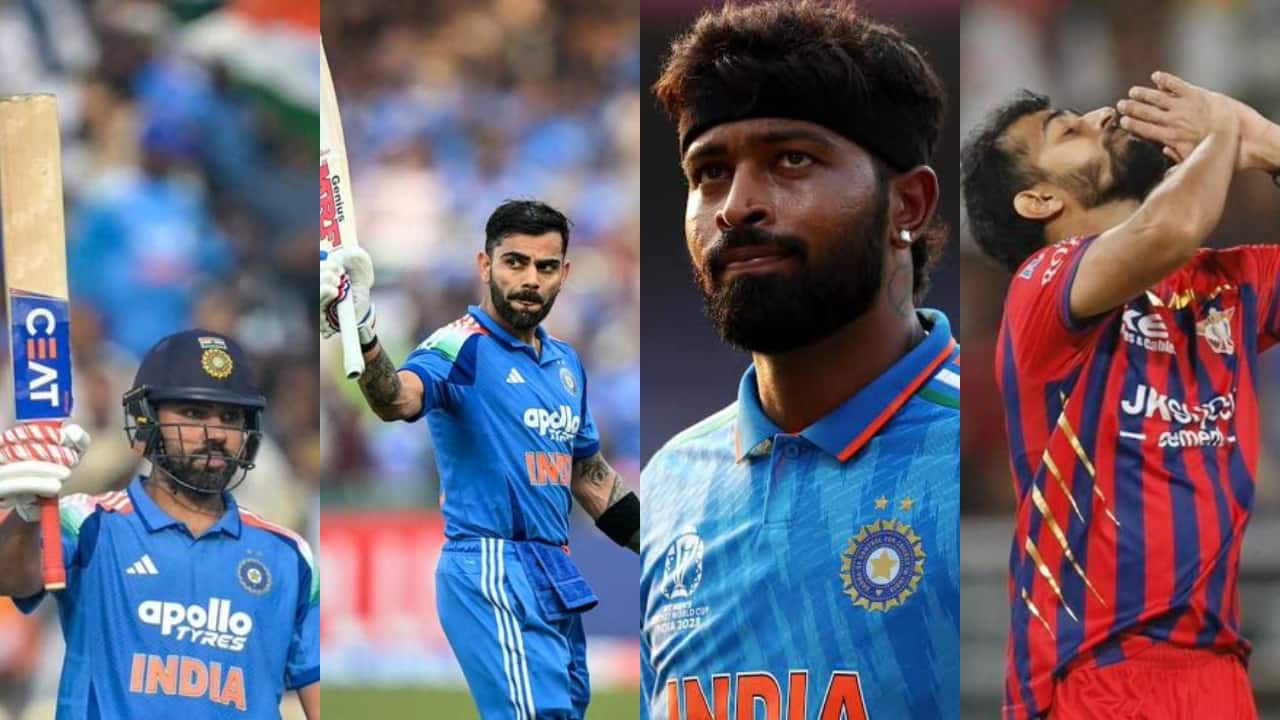
India’s predicted 11 vs Afghanistan for 1st ODI at Dharamshala: Rohit Sharma – Shubman Gill to open, Check who replaces Virat Kohli & Hardik Pandya

India’s predicted 11 vs Afghanistan for 1st ODI at Dharamshala: Rohit Sharma – Shubman Gill to open, Check who replaces Virat Kohli & Hardik Pandya


India enter the first ODI against Afghanistan at Dharamshala on June 13 carrying notable injury concerns but with renewed optimism following Rohit Sharma’s return to fitness. Having demolished Afghanistan by an innings and 300 runs in the one-off Test last week, Shubman Gill’s side will look to carry that dominant form into the 50-over format.

Rohit Returns, Kohli and Pandya Absent

The biggest injury blow came on Wednesday when all-rounder Hardik Pandya was ruled out of the entire three-match series due to a fresh quadriceps strain. The cruel twist was that the injury occurred just hours after he was initially cleared to play, reportedly stemming from bowling his full 10-over quota during a fitness assessment at the Centre of Excellence.

“With three weeks for recovery, there is absolutely no chance of him playing the ODI series as his rehabilitation will not be complete,” a BCCI source told PTI.


Add Zee News as a Preferred Source


The setback is particularly significant given that team management has been actively building Pandya back into the ODI setup ahead of next year’s ODI World Cup. The BCCI is yet to name a replacement for the 32-year-old.

Virat Kohli remains sidelined with a hamstring injury sustained in the IPL finals, with Yashasvi Jaiswal drafted in as his cover. Chief selector Ajit Agarkar offered a cautious update on Kohli’s timeline at a press conference at BCCI headquarters.

“With Virat, at this point, it’s just been less than a week since he injured himself in the finals. We will assess him but we don’t know the timelines yet,” Agarkar told reporters.

Agarkar hinted at a possible return for the England ODI series in July but stopped short of any firm commitment.

“Yashasvi will be his replacement. But it looks like he might be fit for that England one-day series in July but again, it’s not a definitive answer. So, don’t hold me to it. I haven’t had a clear timeline from the physio yet,” he added.

On a positive note, Rohit Sharma has been cleared by the BCCI Sports Science unit after a right hamstring issue kept him out of five consecutive IPL games for Mumbai Indians. He is expected to take his place at the top of the order alongside captain Gill.

India’s Predicted XI vs Afghanistan, 1st ODI

With Kohli and Pandya unavailable, India’s predicted lineup features Rohit Sharma and Shubman Gill opening the batting, followed by Ishan Kishan at number three. Shreyas Iyer and KL Rahul anchor the middle order, with Nitish Kumar Reddy providing the all-round balance in the lower order. Washington Sundar adds another all-round option alongside specialist spinner Kuldeep Yadav. The pace attack is led by Arshdeep Singh and has Prince  Yadav and Prasidh Krishna.

Predicted XI: Rohit Sharma, Shubman Gill (c), Ishan Kishan, Shreyas Iyer, KL Rahul, Nitish Kumar Reddy, Washington Sundar, Kuldeep Yadav, Prince Yadav, Arshdeep Singh, Prasidh Krishna.

Series Schedule

The three-match series opens in Dharamshala on June 13 at 1:30 PM IST, before moving to Lucknow on June 17 and Chennai on June 20, both at the same start time.

How to Watch

The series will be broadcast live on the Star Sports Network across India. Fans can also stream every match live on JioHotstar via the application or official website.


Source link

YouTube
Instagram
WhatsApp