BIS norms to weed out mis-selling in lab-grown diamond market, says industry

BIS norms to weed out mis-selling in lab-grown diamond market, says industry


The BIS’ new diamond disclosure standard requires jewellers and retailers to clearly distinguish laboratory-grown diamonds from natural diamonds at every stage of sale 
| Photo Credit:
Arivarasu M 10957@Bengaluru

In Ayodhya, far from India’s traditional diamond hubs, shoppers are buying lab-grown diamonds without hesitation — a trend Surat-based Greenlab Diamonds says reflects rising consumer awareness, just as the Bureau of Indian Standards (BIS) rolls out mandatory disclosure norms to bring clarity and trust to the fast-evolving market. 

For Greenlab, the impact is already visible on the ground: a six-month-old store in the temple town is clocking ₹30–40 lakh in monthly sales, showing how lab-grown diamonds are finding eager buyers beyond India’s metros. Industry players say the BIS notification is set to significantly enhance transparency and build consumer trust, especially as lab-grown stones — priced nearly 90 per cent lower than natural diamonds — gain wider acceptance. Mandatory disclosure across invoices, exports, and advertising is expected to curb mis-selling, clearly distinguish lab-grown diamonds from natural ones, and weed out unscrupulous players, while supporting rising demand in smaller cities.

Greenlab believes the certification will strengthen confidence in the segment, even as consumer acceptance has reached a stage where education is no longer a barrier. “Six months ago we launched a retail store in Ayodhya. We launched it after a two-month trial and since then we have been crossing ₹30–40 lakh in lab grown diamond sales every month and, that too in a store which is not even 800 square feet. People are coming in to buy diamonds in small cities, and we no longer need to explain to them what a lab-grown diamond is,” Sanket Patel, Director (R&D and Marketing), Greenlab Diamonds, told businessline.

The BIS’ new diamond disclosure standard requires jewellers and retailers to clearly distinguish laboratory-grown diamonds from natural diamonds at every stage of sale — including invoices, certificates, marketing material and consumer communication. Under the rules, only natural stones can be referred to simply as “diamonds,” while lab-grown stones must be disclosed using the full terms “laboratory-grown diamond” or “laboratory-created diamond,” along with details of the production method such as CVD (Chemical Vapour Deposition) or HPHT (High Pressure High Temperature).

The company said it has operated with full transparency since 2017, when it exited the natural diamond business to focus entirely on lab-grown diamonds. According to Greenlab, clear disclosure and traceability have helped build consumer trust well ahead of regulatory intervention. “We have always been open about it. We were never hiding and selling the stone. We are also giving a certification from IGI (International Gemological Institute) for the diamonds sold by us. In the last three years we have not only become the largest exporter of laboratory-grown diamonds, we have also launched six retail stores for selling these diamonds in the domestic market, including Surat, Jaipur, Ayodhya, Hyderabad, Delhi and Bengaluru,” Patel added. With demand now expanding rapidly beyond metros, Greenlab expects formal BIS standards to accelerate adoption rather than disrupt the market. The company is looking to scale its retail presence further, confident that consumer awareness and acceptance of lab-grown diamonds are already firmly in place.

Industry experts point out that laboratory-grown diamonds are priced nearly 90 per cent lower than natural diamonds at the retail level, making them significantly more affordable and appealing to younger and first-time buyers. On the export front, both natural and laboratory-grown diamonds faced headwinds this year amid a global slowdown.

According to provisional data from the Gems & Jewellery Export Promotion Council (GJEPC), exports of cut and polished natural diamonds fell 7.8 per cent year-on-year during April–December 2025, while exports of polished laboratory-grown diamonds declined 10.3 per cent over the same period.

Surat-based Gautam Kanani, who runs an online platform — Pure Light Diamond — that sells both laboratory grown diamonds as well as natural diamonds from suppliers to B2B and B2C clients, says the BIS notification is yet to be implemented on ground, but will go a long way in creating awareness among consumers and weeding out players from the market who used to mis-sell laboratory grown diamonds as natural diamonds.

“Lab-grown diamonds are 90 per cent cheaper than natural diamonds, so there is a high possibility of lab-grown diamonds being misrepresented and sold as natural diamonds. With the recent BIS notification, sellers have to clarify in their invoice — if you are exporting or selling locally — or while advertising if the product is a natural diamond or a laboratory-grown diamond. This, I believe, will bring in greater transparency in the market and among customers. It will weed out unscrupulous elements from the market,” Kanani added.

Similar sentiments were expressed by N Anantha Padmanabhan, managing director of Chennai-based NAC Jewellers. “It will help increase the sales of diamonds,” he said. On the other hand, NAC Jewellers does not have a problem in selling lab-grown diamonds. “We have already been selling it as grown diamonds, drawing a clear distinction,” Padmanabhan added.

Parag Shah, CEO of KISNA Diamond and Gold Jewellery—the flagship natural diamond and jewellery brand of Hari Krishna Group says, “The BIS guideline brings much-needed clarity to how diamonds are represented in the market and in their marketing as well. When a product is labeled simply as a ‘diamond,’ consumers naturally associate it with rarity, legacy and long-term value. Natural diamonds are more than a commodity, they carry emotional, historical value and market-linked price appreciation, along with strong liquidity, including up to 90% buyback at prevailing rates. Lab-grown diamonds serve a different purpose and value expectation, and that distinction must be clearly communicated. Transparent disclosure ensures consumers know exactly what they are buying, protects trust at the point of purchase, and allows both categories to grow on honest and well-defined terms.”

(Input from Subramani Ra Mancombu in Chennai)

Published on January 26, 2026


Source link

India’s success vital for a stable world: EU's Ursula von der Leyen

India’s success vital for a stable world: EU's Ursula von der Leyen


Prime Minister Narendra Modi receives chief guest President of the European Commission Ursula von der Leyen during the 77th Republic Day Parade, in New Delhi.
| Photo Credit:

A successful India makes the world more stable, prosperous and secure, European Commission President Ursula von der Leyen said on Monday, after witnessing the 77th Republic-Day celebrations at the majestic Kartavya Path here, a day ahead of the India-EU summit.

Von der Leyen and European Council President Antonio Costa attended the Republic-Day parade as chief guests, joining a select group of global leaders to have graced the country’s biggest ceremonial event in the last seven decades.

President Droupadi Murmu, Prime Minister Narendra Modi, Defence Minister Rajnath Singh, several other Union ministers, the country’s top military brass, foreign diplomats and senior officials were among the spectators.

“It is the honor of a lifetime to be Chief Guests at the Republic Day celebrations. A successful India makes the world more stable, prosperous and secure. And we all benefit,” Von der Leyen said on social media after the ceremony.

It was the first time that two top leaders of the European Union (EU) attended India’s Republic-Day celebrations as chief guests.

Costa and von der Leyen, accompanied by a high-powered delegation, will hold summit talks with Modi on Tuesday.

A small EU military contingent, led by Colonel Frederik Simon Spruijt, also participated in the Republic-Day parade.

At the parade, India displayed its military might that included elite marching contingents, missiles and indigenous weapon systems.

Every year, India invites world leaders to attend its Republic-Day celebrations.

Last year, Indonesian President Prabowo Subianto was the chief guest, while French President Emmanuel Macron graced the occasion in 2024 and Egyptian President Abdel Fattah El-Sisi in 2023.

There was no Republic-Day chief guest in 2021 and 2022 in view of the COVID-19 pandemic.

In 2020, then Brazilian President Jair Bolsonaro was the chief guest at the event.

In 2019, South African President Cyril Ramaphosa was the chief guest at the Republic-Day parade, while in 2018, the leaders of all 10 ASEAN countries attended the celebrations.

In 2017, Crown Prince of Abu Dhabi Sheikh Mohamed bin Zayed Al Nahyan was the chief guest at the celebrations, while then French President Francois Hollande graced the occasion in 2016.

In 2015, then US President Barack Obama watched the parade as the chief guest. The previous year, then Japanese Prime Minister Shinzo Abe was the chief guest at the celebrations, while Bhutan king Jigme Khesar Namgyel Wangchuck attended the parade in 2013.

The heads of states and governments who have attended the Republic-Day celebrations also include Nicolas Sarkozy, Vladimir Putin, Nelson Mandela, John Major, Mohammed Khatami and Jacques Chirac.

The then British Prime Minister Major attended the celebrations in 1993, Mandela participated as the then South African President in 1995, while South Korean President Lee Myung Bak witnessed the parade in 2010.

In 2008, Sarkozy participated in the celebrations as the French president, while another French president, Jacques Chirac, graced the occasion in 1998.

Other world leaders who have attended the celebrations include Nepal’s King Birendra Bir Bikram Shah Dev in 1999, Iran’s the then President Khatami in 2003, Indonesian President Susilo Bambang Yudhoyono in 2011 and the President of the Maldives, Maumoon Abdul Gayoom, in 1991.

Published on January 26, 2026



Source link

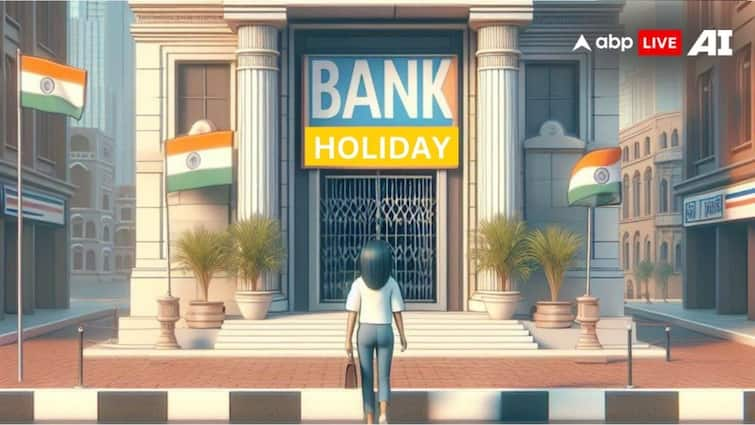
27 जनवरी को बैंक जाने का है प्लान तो हो जाएं सतर्क, जानिए कल ब्रांच खुले रहेंगे या बंद

27 जनवरी को बैंक जाने का है प्लान तो हो जाएं सतर्क, जानिए कल ब्रांच खुले रहेंगे या बंद


Show Quick Read

Key points generated by AI, verified by newsroom

Bank Holiday Tomorrow: 26 जनवरी को देशभर में राष्ट्रीय अवकाश होने की वजह से आज सभी बैंक बंद हैं. इस कारण लोगों को बैंक से जुड़े कई जरूरी काम टालने पड़े हैं. छुट्टी के चलते आज शाखाओं में किसी तरह का लेनदेन नहीं हो पा रहा है. ऐसे में बहुत से लोग 27 जनवरी को बैंक जाने की योजना बना रहे हैं, उनके लिए यह जानना जरूरी है कि इस दिन भी बैंक नहीं खुलेंगे.

लगातार दो दिन बैंक बंद रहने से लोगों के मन में सवाल उठ रहा है कि आखिर इसकी वजह क्या है? आइए जानते हैं, आखिर बैंकों के बंद रहने का क्या कारण है?

27 जनवरी को बैंक क्यों रहेंगे बंद?

27 जनवरी को बैंक बंद रहने की वजह किसी सरकारी छुट्टी से जुड़ी नहीं है. बल्कि बैंक कर्मचारियों की हड़ताल के कारण बैंकों में छुट्टी रहने वाली है. रिजर्व बैंक ऑफ इंडिया (आरबीआई) ने इस दिन कोई अवकाश घोषित नहीं किया है. लेकिन बैंक यूनियनों की प्रस्तावित हड़ताल के चलते कई जगहों पर शाखाएं बंद रह सकती हैं. इससे आम लोगों को बैंक से जुड़े कामों में परेशानी का सामना करना पड़ सकता है.

दरअसल, यूनाइटेड फोरम ऑफ बैंक यूनियंस (UFBU) ने 27 जनवरी 2026 को देशभर में हड़ताल का ऐलान किया है. यह संगठन सार्वजनिक क्षेत्र के बैंकों और कुछ पुराने निजी बैंकों के कर्मचारियों का प्रतिनिधित्व करता है. इसी वजह से मंगलवार को कई शहरों और जिलों में बैंकिंग सेवाएं प्रभावित रहने की संभावना हैं. 

क्या है हड़ताल की वजह?

बैंक कर्मचारियों की हड़ताल के पीछे उनकी कामकाजी व्यवस्था को लेकर मांगें हैं. यूनियनों का कहना हैं कि, उन्हें हफ्ते में सिर्फ 5 दिन काम करने का मौका मिलना चाहिए और शनिवार व रविवार दोनों दिन छुट्टी मिलनी चाहिए.

प्रस्ताव के अनुसार बैंक कर्मचारी सोमवार से शुक्रवार तक रोजाना 40 मिनट ज्यादा काम करने पर सहमत हैं और बदले में उन्हें सभी शनिवार को छुट्टी चाहिए. फिलहाल बैंक कर्मचारी हफ्ते में कभी 5 तो कभी 6 दिन काम करते हैं. उन्हें रविवार की साप्ताहिक छुट्टी मिलती है. साथ ही दूसरे और चौथे शनिवार को बैंकों में अवकाश रहता है.

यह भी पढ़ें: लग्जरी कार का सपना अब होगा आसान! भारत-ईयू डील से BMW, Mercedes और वोक्सवैगन हो सकती है सस्ती, जानें सरकार का प्लान


Source link

Axis Bank beats estimates with surprise profit rise in December quarter

Axis Bank beats estimates with surprise profit rise in December quarter


The country’s fourth-largest private lender posted a 3% year-on-year increase in standalone net profit to ₹6,490 crore for the December quarter,
| Photo Credit:
ANUSHREE FADNAVIS

Axis Bank reported
a surprise ‍quarterly profit rise on Monday, ​supported by healthy
loan growth.

The country’s ‌fourth-largest private lender by ​market
capitalisation said standalone net profit rose 3% on-year to ₹6,490 crore ($709.04 million) for the three months
ended December 31.

Analysts had expected profit to fall ​to ₹6,079 crore
, according to ⁠data compiled by LSEG.

Following several quarters of slower growth, Indian lenders
reported double-digit ​loan growth ⁠in the October–December
period, as the local festive season and sweeping consumption tax
cuts spurred consumer ‌spending.

Axis Banks’ net interest ‌income, the difference between
interest earned on loans and paid ‍on deposits, rose 5% to ₹14,287 crore
.

Its provisions and ‍contingencies rose 4% on-year to₹2,246 crore. However, it was down 37% sequentially. The
lender had stepped up provisions in the April-June quarter due
to what the bank said was a ⁠one-time industry benchmarking
exercise, and was carried over to ​the quarter-ended September.

Axis Bank’s gross ⁠non-performing asset ratio fell to 1.40%
at the end of December from 1.46% three months earlier.

Published on January 26, 2026


Source link

वैश्विक अनिश्चितता के बीच इस हफ्ते और चढ़ेगा सोना-चांदी का भाव? जानें क्या बोले एक्सपर्ट्स

वैश्विक अनिश्चितता के बीच इस हफ्ते और चढ़ेगा सोना-चांदी का भाव? जानें क्या बोले एक्सपर्ट्स


Gold Price Predictions: वैश्विक स्तर पर जारी अनिश्चितताओं और भू-राजनीतिक तनावों के बीच सोने और चांदी की कीमतों में अगले सप्ताह भी मजबूती बने रहने की संभावना जताई जा रही है. बाजार विशेषज्ञों के मुताबिक निवेशकों की नजर एक साथ कई बड़े घटनाक्रमों पर टिकी है, जिनमें अमेरिका में व्यापार शुल्क को लेकर अमेरिकी उच्चतम न्यायालय की सुनवाई, फेडरल रिजर्व की आगामी मौद्रिक नीति बैठक और भारत में 1 फरवरी को पेश होने वाला केंद्रीय बजट शामिल है.

इन सभी फैक्टरों का सीधा असर अंतरराष्ट्रीय और घरेलू दोनों ही कीमती धातु बाजारों पर पड़ सकता है. खास तौर पर बजट में आयात शुल्क या टैक्स से जुड़े किसी भी बदलाव से भारत में सोने-चांदी की कीमतों में तेज हलचल देखने को मिल सकती है.

चांदी पहली बार 3 लाख के पार

बीते सप्ताह घरेलू वायदा बाजार एमसीएक्स पर सोने में करीब 9.5 प्रतिशत की जबरदस्त तेजी दर्ज की गई और यह 1,59,226 रुपये प्रति 10 ग्राम के अब तक के उच्चतम स्तर पर पहुंच गया. वहीं चांदी ने और भी तेज रफ्तार दिखाई और लगभग 16 प्रतिशत उछलकर पहली बार 3 लाख रुपये प्रति किलोग्राम का आंकड़ा पार कर गई. अंतरराष्ट्रीय बाजार की बात करें तो कॉमेक्स पर सोना लगभग 5,000 डॉलर प्रति औंस के रिकॉर्ड स्तर के करीब पहुंच गया, जबकि चांदी ने 100 डॉलर प्रति औंस का ऐतिहासिक स्तर पहली बार पार किया. यह तेजी मुख्य रूप से अमेरिका-ईरान तनाव, वैश्विक आर्थिक सुस्ती की आशंका, डॉलर में उतार-चढ़ाव और सुरक्षित निवेश की बढ़ती मांग की वजह से देखने को मिली है.

विशेषज्ञों का मानना है कि फेडरल रिजर्व इस महीने ब्याज दरों में बदलाव नहीं कर सकता है, लेकिन कमजोर श्रम बाजार और महंगाई के संकेतों को देखते हुए इस साल कम से कम दो बार दरों में कटौती की संभावना बनी हुई है.

आमतौर पर ब्याज दरों में कटौती की उम्मीद सोने और चांदी जैसी गैर-ब्याज देने वाली संपत्तियों को सपोर्ट करती है. इसके अलावा, अमेरिकी राष्ट्रपति डोनाल्ड ट्रंप के टैरिफ को लेकर सख्त और फिर नरम होते बयानों ने भी बाजार में अस्थिरता बढ़ाई है, जिससे निवेशक लगातार सुरक्षित विकल्पों की ओर रुख कर रहे हैं.

अस्थाई गिरावट के चेतावनी

हालांकि जानकार यह भी चेतावनी दे रहे हैं कि इतनी तेज तेजी के बाद बीच-बीच में मुनाफावसूली देखने को मिल सकती है, जिससे कीमतों में अस्थायी गिरावट आ सकती है. लेकिन कुल मिलाकर जब तक वैश्विक तनाव, आर्थिक अनिश्चितता और नीतिगत फैसलों को लेकर असमंजस बना रहेगा, तब तक सोने और चांदी की कीमतों को मजबूत सपोर्ट मिलता रहने की उम्मीद है. ऐसे में निवेशकों के लिए रणनीति यही मानी जा रही है कि गिरावट को खरीदारी के मौके के तौर पर देखा जाए, न कि घबराकर बाजार से बाहर निकलने का संकेत.

ये भी पढ़ें: रिपब्लिक डे पर सोने की चमक पड़ी फीकी, जानें आज 26 जनवरी को अपने शहरों का ताजा भाव


Source link

IEW 2026 in Goa from Jan 27 to spotlight energy transition and innovation

IEW 2026 in Goa from Jan 27 to spotlight energy transition and innovation


India’s global energy engagement has undergone a quiet but decisive shift over the past three decades, evolving from a hydrocarbons-centric dialogue anchored by the Petrotech conference to a broader, integrated and transition-ready platform under India Energy Week.

The fourth edition of India Energy Week (IEW) will take place from January 27-30, 2026, in Goa, bringing together the global energy community to drive dialogue, collaboration and innovation across the energy value chain.

IEW now occupies a “unique position on the global energy calendar,” according to Oil Minister Hardeep Singh Puri.

Unlike other international conferences, IEW deliberates on all forms of energy – from fossil fuels to biofuels and hydrogen.

The foundations of India’s global engagement were laid in the mid-1990s with the launch of biennial Petrotech, which for over two decades (from 1st edition in 1995 to 13th and last in 2019) served as India’s principal interface with the global oil and gas industry..

At a time when India was opening up its upstream and downstream sectors, Petrotech provided a platform to attract international oil companies, showcase exploration opportunities and reinforce India’s growing importance as a demand centre in global hydrocarbon markets.

This industry-focused engagement was complemented in the mid-2000s by a more outward-looking phase of energy diplomacy under then petroleum minister Mani Shankar Aiyar. Faced with rising oil prices and deepening import dependence, Aiyar sought to elevate India’s role in global energy governance by promoting structured dialogue between producers and consumers.

His engagement with OPEC, participation in meetings in Vienna, and getting who’s who in the oil producing cartel OPEC as well as major consumers in China, Korea and Japan in New Delhi in January 2005 for the Asian Oil Minister’s Roundtable marked one of India’s earliest attempts to move beyond transactional supply arrangements toward cooperative frameworks centred on market stability, mutual security of supply and demand, and cross-border investment.

As the global energy narrative widened in the 2010s to include decarbonisation, digitalisation and new fuels, India’s engagement platforms began to evolve accordingly. Petrotech, while still relevant, reflected a largely hydrocarbons-led worldview. The launch of the India Energy Forum by CERAWeek in 2017 signalled a transition phase, introducing global conversations on energy transition and policy into India’s discourse while retaining a strong oil and gas core.

India Energy Forum by CERAWeek ran five annual editions – from October 2017 to October 2021 – before the advent of India Energy Week in 2023, which consolidated India’s global energy outreach into a single, integrated platform.

According to Puri, IEW spans oil and gas, renewables, hydrogen, biofuels, digital infrastructure and clean technologies, mirroring India’s dual priorities of energy security and transition.

The platform reflects a more mature engagement strategy – one that recognises hydrocarbons remaining central for decades even as investment, technology and policy increasingly pivot toward lower-carbon pathways.

While hydrocarbons remain central to India’s energy mix, the pivot from Petrotech to IEW underscores a strategic recalibration: from sector-specific engagement to a holistic narrative that aligns investment, technology and climate goals. As India’s energy demand grows and its global role deepens, India Energy Week has emerged as the country’s primary interface with the world’s energy policymakers, investors and technology leaders.

While Petrotech and India Energy Forum by CERAWeek were hosted in New Delhi, IEW moved out of the national capital – the first edition being held in Bengaluru, followed by 2nd in Goa before the third being hosted in New Delhi. When the second edition of IEW was hosted in a make-shift pavilion at ONGC’s Advanced Training Institute at Betul in south Goa, Puri had announced that ONGC would build a permanent exhibition-cum-conference venue at the vast unused land it held at the site.

The company spent some Rs 440 crore to build a 5,000-seat plenary auditorium and an expansive exhibition hall designed for large-scale conferences, summits, and exhibitions. This will host the 4th edition of IEW.

Anchored in the theme ‘Energising Growth. Securing Economies. Enriching Lives’, the 2026 edition marks the transition from global engagement and alignment to execution and scale. IEW will bring together 75,000+ energy professionals, 700+ exhibitors, 6,500+ delegates, 550+ speakers, 110+ sessions and 9+ country pavilions, positioning IEW as the world’s second-largest energy conference and a leading forum for advancing energy security, sustainability, innovation and inclusive economic growth, according to Puri.

He said the exhibition is structured into 11 thematic zones and will host 11 country pavilions (Japan, UK, Germany, Italy, US, Netherlands, Norway, Canada, Russia, China).

Like in practice since India Energy Forum by CERAWeek, Prime Minister Narendra Modi will engage with global CEOs and captain’s Indian energy industry on the sidelines of the conference to brainstorm on issues facing the sector. This meeting will be held in New Delhi on January 28, according to Puri.

Modi will virtually inaugurate IEW on January 27.

Published on January 26, 2026


Source link

YouTube
Instagram
WhatsApp