Kingfa Science: Q4 cons Net Profit Rs. 59.1 Cr vs 41.9 Cr (YoY), Q4 Revenue Rs. 578 Cr vs 469 Cr (YoY) (Positive)
Gujarat Industries Power: Q4 SL Net Profit Rs. 327 Cr vs 69.70 Cr (YoY), Q4 Revenue Rs. 430 Cr vs 340 Cr (YoY) (Positive)
Lumax Auto Tech: Q4 cons Net Profit Rs. 88.10 Cr vs 58.40 Cr (YoY), Q4 Revenue Rs. 1420 Cr vs 1133 Cr (YoY) (Positive)
Knowledge Marine: Q4 cons Net Profit Rs. 23.50 Crvs 10.50 Cr (YoY), Q4 Revenue Rs. 67.60 Cr vs 47.50 Cr (YoY) (Positive)
Rubicon Research: Q4 Net Profit Rs. 76.80 Cr vs 36.20 Cr (YoY), Q4 Revenue Rs. 514 Cr vs 360 Cr (YoY) (Positive)
Premier Explosives: Q4 Net Profit Rs. 6.60 Cr vs 3.70 Cr (YoY), Q4 Revenue Rs. 89.20 Cr vs 74.10 Cr (YoY) (Positive)
Everest Kanto Cylinder: Q4 Net Profit Rs. 45.90 Cr vs 13.30 Cr (YoY), Q4 Revenue Rs. 360 Cr vs 420 Cr (YoY) (Positive)
Olectra: Q4 Net Profit Rs. 55.5 Cr vs 20.7 Cr (YoY), Q4 Revenue Rs. 644 Cr vs 448 Cr (YoY) (Positive)
Swan Corp: Q4 cons Net Profit Rs. 268 Cr vs loss 17.7 Cr (YoY), Q4 Revenue Rs. 870 Cr vs 850 Cr (YoY) (Positive)
NMDC Steel: Q4 cons Net Profit Rs. 392 Cr vs loss 473 Cr (YoY), Q4 Revenue Rs. 3879 Cr vs 2838 Cr (YoY) (Positive)
NMDC: Q4 Net Profit Rs. 2018 Cr vs 1483 Cr (YoY), Q4 Revenue Rs. 11343 Cr vs 7005 Cr (YoY) (Positive)
Glenmark: Q4 Net Profit Rs. 301 Cr vs 5.0 Cr (YoY), Q4 Revenue Rs. 3771 Cr vs 3256 Cr (YoY) (Positive)
Bajaj HInd: Q4 Cons Net Profit Rs. 391 Cr vs 34 Cr (YoY), Q4 Revenue Rs. 1669 Cr vs 1552 Cr (YoY) (Positive)
Modern Insulators: Q4 Net Profit Rs. 24.60 Cr vs 9.10 Cr (YoY), Q4 Revenue Rs. 202 Cr vs 160 Cr (YoY) (Positive)
Gufic Biosciences: Q4 sl Net Profit Rs. 20.60 Cr vs 8 Cr (YoY), Q4 Revenue Rs. 252 Cr vs 205 Cr (YoY) (Positive)
GOCL Corp: Q4 cons Net Profit Rs. 75.10 Cr vs 23 Cr (YoY), Q4 Total Income 78.70 Cr vs 59.60 Cr (YoY) (Positive)
Knr constructions: Q4 cons Net Profit Rs. 106.1 cr vs Rs 7.6 cr (YoY), Q4 Revenue Rs. 695.5 cr vs Rs 975.2 cr (YoY) (Positive)
Jayant agro organics: Q4 Net Profit Rs. 20 cr vs 10.9 cr (YoY), Q4 Revenue Rs. 6.5b vs 6.3b (YoY) (Positive)
EKI Energy: Company has received a licence from the Central Electricity Regulatory Commission, enabling its entry into the electricity trading segment. (Positive)
PNC Infratech: Company has received an EPC contract worth Rs 302.44 crore from the Airports Authority of India. (Positive)
Lupin: Company has secured USFDA approval for its ANDA covering Sodium Sulfate, Magnesium Sulfate, and Potassium Chloride tablets. (Positive)
Reliance Ind/ TCS/ Infosys/ Tata Steel: Moody’s Ratings has upgraded ratings, citing strong financial discipline, diversified operations, and a resilient credit profile. (Positive)
Godrej Prop: Company wins bid for residential land parcel in Greater Noida with est rev potential of over ₹7,000 cr (Positive)
Textile Companies: India waives cotton import duty till Oct 30 to boost supply for textile sector. (Positive)
Cyient: Company enters agreement to acquire TAO Digital, an AI-native data and product engineering solutions firm headquartered in Santa Clara, California, at an EV of $218 m. (Positive)
Hindustan Copper: Company has been awarded a 20-year contract to Lohum Materials to resume operations at its Gujarat Copper Unit. (Positive)
Hemisphere Properties: Company to sell bopkhel, pune land parcel to hypervault ai data center for up to Rs 640.5 cr (Positive)
Tarc Limited: Company projects cumulative cash flows of Rs. 10,000 crore over the next five years; targets FY27 collections of Rs. 1,600–1,800 crore. (Positive)
Glenmark Pharmaceuticals: Company plans to expand its commercial respiratory portfolio in FY27; Winlevi®️ received EU marketing approval with launch slated for FY27 (Positive)
Veranda Learning: Company guides for FY27 Revenue Rs. 670 crore, EBITDA of Rs. 260 crore and pat of Rs. 144 crore, reflecting strong growth over FY26. (Positive)
Aegis Vopak Terminals Limited: Company says India’s first independent 36,000-mt ammonia terminal is on track for completion by Q1 FY27. (Positive)
MSTC: Q4 Cons Net Profit Rs. 77.20 Cr vs 75.50 Cr (YoY), Q4 Revenue Rs. 120 Cr vs 88.90 Cr (YoY) (Neutral)
Praveg: Q4 SL Net Loss Rs. 3.90 Cr vs 3 Cr (YoY), Q4 Revenue Rs. 54.40 Cr vs 42.50 Cr (YoY) (Neutral)
Maan Aluminium: Q4 sl Net Profit Rs. 1.70 Cr vs 3.94 Cr (YoY), Q4 Revenue Rs. 254 Cr vs 246 Cr (YoY) (Neutral)
Bhartiya International: Q4 cons Net Loss Rs. 8.80 Cr vs 14.90 Cr (YoY), Q4 Revenue Rs. 310 Cr vs 240 Cr (YoY) (Neutral)
Salasar Techno Engineering: Q4 cons Net Loss Rs. 12.50 Cr vs loss 5.30 Cr (YoY), Q4 Revenue Rs. 444 Cr vs 483 Cr (YoY) (Neutral)
Ingersoll-Rand: Q4 sl Net Profit Rs. 64.80 Cr vs 67.70 Cr (YoY), Q4 Revenue Rs. 300 Cr vs 320 Cr (YoY) (Neutral)
Antony Waste Handling: Q4 cons Net Profit Rs. 32.5 cr vs Rs 40.0 Cr (YoY), Q4 Revenue Rs. 285.7 cr vs Rs 242.6 cr (YoY) (Neutral)
Wanbury: Q4 Net Profit Rs. 21.7 cr vs Rs 20.2 cr (YoY), Q4 Revenue Rs. 164.5 cr vs Rs 172 cr (YoY) (Neutral)
Triveni Engineering and Industries: Q4 cons Net Profit Rs. 167 Cr vs 187 Cr (YoY), Q4 Revenue Rs. 1833 Cr vs 1925 Cr (YoY) (Neutral)
Vadilal Enterprises: Q4 sl Net Loss Rs. 4.20 Cr vs loss 8.80 Cr (YoY), Q4 Revenue Rs. 290 Cr vs 223 Cr (YoY) (Neutral)
Interglobe Aviation: Q4 sl Net Loss Rs. 2660 Cr vs 3070 Cr (YoY), Q4 Revenue Rs. 22400 Cr vs 22100 Cr (YoY) (Neutral)
MSTC: Q4 Net Profit Rs 77 Cr vs 76.0 Cr (YoY), Q4 Revenue Rs 119 Cr vs 89 Cr (YoY) (Neutral)
IREDA: Q4 Net Profit Rs 493 Cr vs 502.0 Cr (YoY), Q4 Revenue Rs 2175 Cr vs 1905 Cr (YoY) (Neutral)
Antony Waste: Q4 Net Profit Rs 33 Cr vs 40.0 Cr (YoY), Q4 Revenue Rs 286 Cr vs 243 Cr (YoY) (Neutral)
Tilak Nagar: Q4 Net loss Rs 15 Cr vs 77 Cr (YoY), Q4 Revenue Rs 950 Cr vs 384 Cr (YoY) (Neutral)
Tasty bite eatables: Q4 sl Net Profit Rs. 6.01 Cr vs 6.20 Cr (YoY), Q4 Revenue Rs. 120 Cr vs 134 Cr (YoY) (Neutral)
The Hi-tech gears: Q4 Net Profit Rs. 8.11 vs Rs 9.72 cr (YoY), Q4 Revenue Rs 228.6 cr vs Rs 214.8 (YoY) (Neutral)
Indian Renewable Energy Development Agency: Q4 sl Net Profit Rs. 500 Cr vs 500 Cr (YoY), Q4 Revenue Rs. 2140 Cr vs 1900 Cr (YoY) (Neutral)
Gujarat Gas: Q4 sl Net Profit Rs. 521Cr vs 692 Cr (QoQ), Q4 Revenue Rs. 6000 Cr vs 6100 Cr (QoQ) (Neutral)
D P Wires: Q4 standalone results Net Profit Rs. 9.39 Cr, up by 132.4% YoY and 177.0% QoQ, Revenue Rs. 129.02 Cr QoQ (Neutral)
RR Kabel: Company re-designates Mahhesh Kabra as Joint MD w.e.f. June 1, 2026; re-designates Rajesh Kabra as Joint MD w.e.f. June 1, 2026 (Neutral)
Mamata Machinery: Company CEO Apurva Kane expects FY27 to mark a return to growth with normalising profitability (Neutral)
Zydus Lifesciences: Share buyback opens June 4 (Neutral)
PB Fintech: Two co-founders of PB Fintech have sold nearly 1 per cent stake in the company for around Rs 665 crore. (Neutral)
BEML: FY26 order book stands at 16,349 cr vs guidance of 22,000 cr (Neutral)
Lupin: Company’s wholly-owned subsidiary Nanomi B.V. (Netherlands) is acquiring the minority stake in Multicare Pharmaceuticals Philippines Inc. (Neutral)
Colgate: Company hikes prices of select toothpaste packs across its portfolio. (Neutral)
SBI LIFE: Company appoints Ramesh Venkateshamurthy as Deputy CEO (Neutral)
Hero MotoCorp: LIC sold a 2% stake in the automaker, reducing its total shareholding to 5.1%. (Neutral)
Suzlon: SEBI imposes ₹29-cr penalties on Suzlon Energy & key execs in OMS slump sale case. (Neutral)
JSW Steel: Company’s arm retains successful bidder status for Colour Roof India. (Neutral)
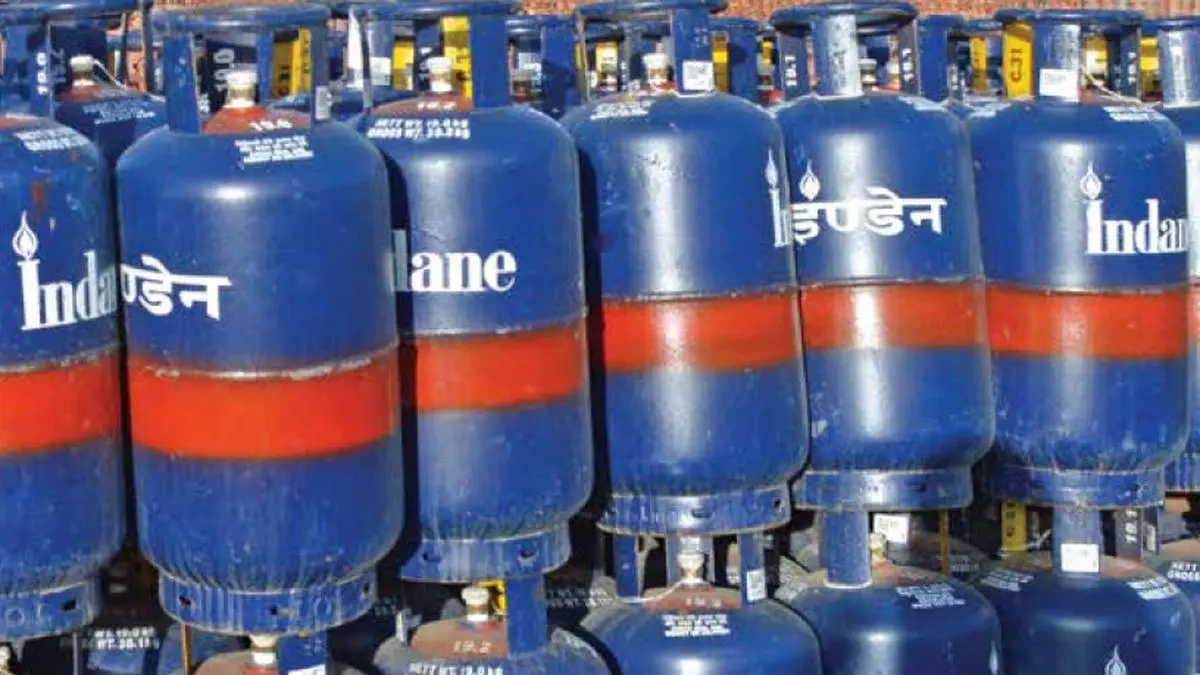
Oil Marketing PSUs: Prices of commercial LPG cylinders have been increased by ₹42 per cylinder (Neutral)
Senco Gold ltd: Company sees 6% decline in gold sales as buyers shift toward silver and diamond jewellery (Neutral)
List of stocks included in the short term ASM Framework: Adani Total, Jaykay Enterprises, Novartis. (Neutral)
List of stocks excluded from ASM Framework: Bharat Wire, Bliss GVS, Jain Resource. (Neutral)
Circuit filter change from 10% to 5%: HFCL. (Neutral)
Circuit filter change from 20% to 10%: Bliss GVS. (Neutral)
Concord: Q4 cons Net Profit Rs. 89 Cr vs 140 Cr (YoY), Q4 Revenue Rs. 326 Cr vs 430 Cr (YoY). (Negative)
EMS: Q4 Cons Net Profit Rs. 5.60 Cr vs 46.60 Cr (YoY), Q4 Revenue 120 Cr vs 265 Cr (YoY) (Negative)
Agarwal Industrial Corp: Q4 cons Net Profit Rs. 15.70 Cr vs 30.50 Cr (YoY), Q4 Revenue Rs. 400 Cr vs 823 Cr (YoY) (Negative)
Inox Wind: Q4 cons Net Profit Rs. 105 Cr vs 187 Cr (YoY), Q4 Revenue Rs. 1240 Cr vs 1275 Cr (YoY) (Negative)
Haleos Labs: Q4 cons Net Profit Rs. 40 Lakhs vs 3 Cr (YoY), Q4 Revenue Rs. 75.10 Cr vs 89.10 Cr (YoY) (Negative)
Repro India: Q4 cons Net Loss Rs. 11.30 Cr vs 1.10 Cr (YoY), Q4 Revenue Rs. 140 Cr vs 123 Cr (YoY) (Negative)
Radiant Cash: Q4 Net Profit Rs. 5.4 Cr vs 9.8 Cr (YoY), Q4 Revenue Rs. 100 Cr vs 104 Cr (YoY) (Negative)
JM FIn: Q4 Net Profit Rs. 165 Cr vs 210 Cr (YoY), Q4 Revenue Rs. 950 Cr vs 1004 Cr (YoY) (Negative)
KNR Cons: Q4 Net Profit Rs. 106 Cr vs 139 Cr (YoY), Q4 Revenue Rs. 696 Cr vs 975 Cr (YoY) (Negative)
Peninsula: Q4 cons Net Loss Rs. 110 Cr vs 25.2 Cr (YoY), Q4 Revenue Rs. 40.0 Cr vs 62.7 Cr (YoY) (Negative)
Dreamfolks: Q4 cons Net Loss Rs. 13 Cr vs profit 14.0 Cr (YoY), Q4 Revenue Rs. 52.0 Cr vs 314 Cr (YoY) (Negative)
Hinduja Global: Q4 cons Net Loss 6.30 Cr vs 3.80 Cr (YoY), Q4 Revenue Rs. 1080 Cr vs 1160 Cr (YoY) (Negative)
Pashupati Cotspin: Q4 sl Net Profit Rs. 1.72 cr vs Rs 7.2 cr (YoY), Q4 Revenue Rs. 170.2 Cr vs Rs 128.2 (YoY) (Negative)
Mamata machinery: Q4 cons Net Profit Rs. 0.01 cr vs Rs 27.1 cr (YoY), Q4 Revenue Rs. 73.7 cr vs Rs 111.0 cr (YoY) (Negative)
IRCTC: Company receives statutory notice from FSSAI over food safety violations; serious hygiene lapses (Negative)
Jupiter Wagons: Q4 Net Profit Rs. 27.2 Cr vs Rs 102.5 cr (YoY), Q4 Revenue Rs 780.1 cr vs Rs 1044.55 (YoY) (Negative)
Jubilant Pharmova: Company has received a USFDA warning letter for its Canada facility post an inspection at the Montreal unit. (Negative)