Stock Market Today Live:

Stock Market Today Live:


Contemporary art collage of hand holding an arrow. Concept of success, opportunity, and growth. Modern design. Copy space.
| Photo Credit:
beast01

ensex Today, Nifty 50 | Stock Market Live Updates – Find here all the live updates related to Sensex, Nifty, BSE, NSE, share prices and Indian stock markets for 7th May 2026.

  • May 7, 2026 06:48
    Finance
    timeline icon

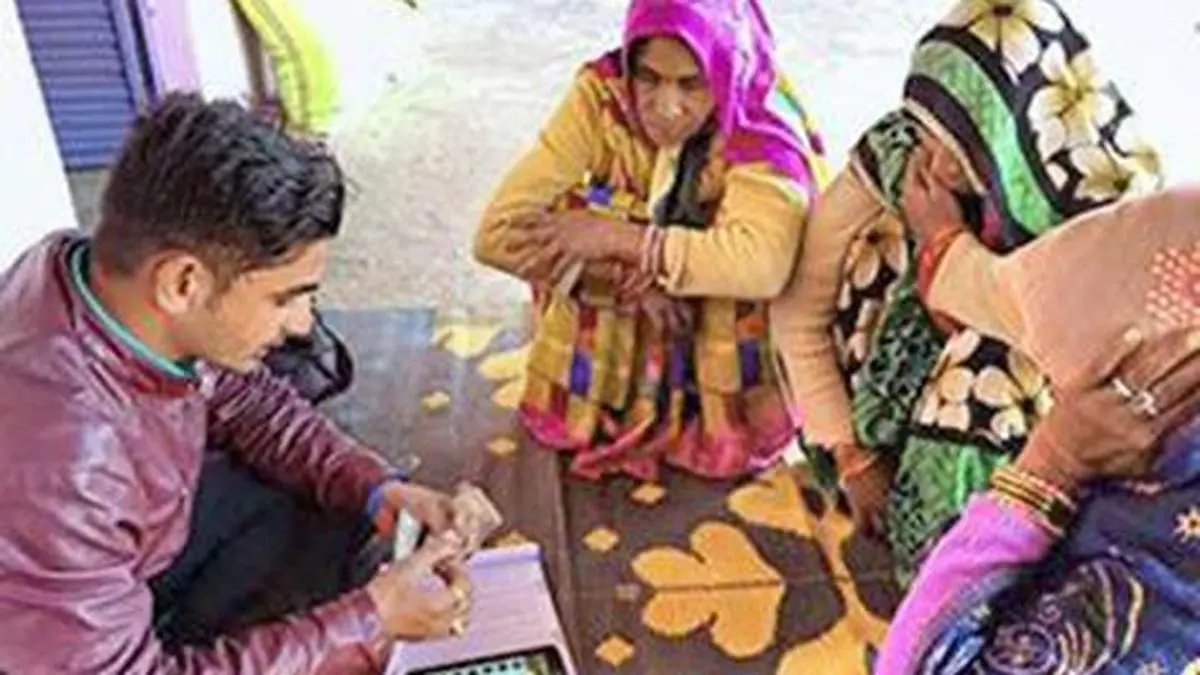
    Insights: Microfinance sector finds its feet

    Microfinance sector shows recovery after bad loan crisis, but risks from costs and rainfall persist

    The microfinance sector recovers as disbursements grow and NPAs decline, but sustainability concerns linger amid economic challenges.

  • May 7, 2026 06:46
    Stock market
    timeline icon

    Trading Guide for May 7, 2026: Intraday supports, resistances for Nifty50 stocks

    Day Trading Guide for May 7, 2026: Intraday supports, resistances for Nifty50 stocks

    Day Trading Guide gives you the key intraday supports and resistances to watch out for on the Nifty Futures and other widely traded stocks such as Reliance Industries, Infosys, HDFC Bank, TCS, SBI.

  • May 7, 2026 06:46
    Commodities
    timeline icon

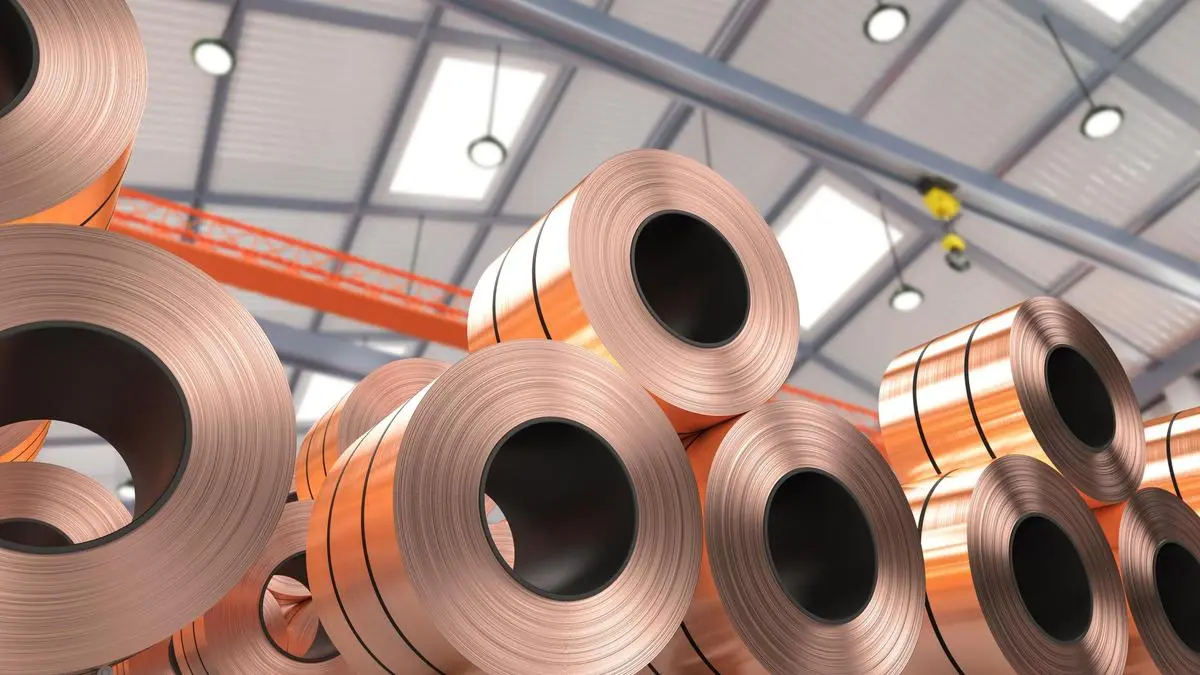
    MCX Copper: Consolidating within the uptrend

    MCX Copper Futures: Consolidating within the uptrend

    MCX Copper shows potential for upward momentum, targeting ₹1,320, with a positive near-term outlook for traders.

  • May 7, 2026 06:45
    Technical call buy
    timeline icon

    Stock to buy today: HBL Engineering (₹855) – BUY

    Stock to buy today: HBL Engineering (₹855) – BUY

    Moving average cross overs on the daily chart also strengthens the bullish case. HBL Engineering share price can rise to ₹930-940 in the next few weeks

Published on May 7, 2026


Source link

क्या आज 7 मई को पेट्रोल-डीजल की कीमत में हुआ कोई बदलाव? फटाफट चेक करें रेट

क्या आज 7 मई को पेट्रोल-डीजल की कीमत में हुआ कोई बदलाव? फटाफट चेक करें रेट


Petrol-Diesel Price Today on May 7: आज 7 मई, 2026 को भारत के कई बड़े शहरों में पेट्रोल-डीजल की कीमतों में कोई बदलाव नहीं दिखा. इसी तरह से ईंधन की कीमतों में स्थिरता का मौजूदा दौर जारी रहा. ग्लोबल क्रूड ऑयल मार्केट्स में उतार-चढ़ाव और करेंसी एक्सचेंज रेट में बदलाव के बावजूद देश में रिटेल स्तर पर ईंधन की कीमतें स्थिर बनी हुई हैं. प्रमुख शहरों में पेट्रोल और डीजल की दरों में तत्काल कोई संशोधन नहीं किया गया.

भारत की तीन प्रमुख तेल विपणन कंपनियां (OMCs)—इंडियन ऑयल कॉर्पोरेशन (IOC), भारत पेट्रोलियम कॉर्पोरेशन लिमिटेड (BPCL) और हिंदुस्तान पेट्रोलियम कॉर्पोरेशन लिमिटेड (HPCL)—वैश्विक कच्चे तेल की कीमतों और विदेशी मुद्रा विनिमय दरों के अनुरूप ईंधन की कीमतों में रोजाना संशोधन करती हैं. हालांकि, हाल के दिनों में कीमतें स्थिर बनी हुई हैं.

100 के ऊपर पहुंचा पेट्रोल

दिल्ली में पेट्रोल की कीमत 94.77 रुपये प्रति लीटर बनी हुई है, जबकि डीजल की कीमत 87.67 रुपये प्रति लीटर है. वहीं, मुंबई में कीमतें अधिक हैं, जहां पेट्रोल 103.54 रुपये प्रति लीटर और डीजल लगभग 90.03 रुपये प्रति लीटर बिक रहा है. मुंबई, बेंगलुरु, हैदराबाद और कोलकाता जैसे ज्यादातर मेट्रो शहरों में पेट्रोल की कीमतें 100 रुपये प्रति लीटर से ऊपर बनी हुई हैं, जबकि डीजल की कीमतें 100 रुपये के निशान से नीचे बनी हुई हैं.

आज पेट्रोल-डीजल का रेट

शहर  पेट्रोल की कीमत (प्रति लीटर) डीजल की कीमत (प्रति लीटर)
दिल्ली  94.77 रुपये  87.67 रुपये
मुंबई 103.54 रुपये 90.03 रुपये
कोलकाता  105.45 रुपये 92.02 रुपये
चेन्नई 100.80 रुपये 92.39 रुपये
बेंगलुरु 102.92 रुपये 90.99 रुपये
पटना  105.18 रुपये 92.04 रुपये
पुडुचेरी 96.26 रुपये 86.47 रुपये
रायपुर  99.44 रुपये 93.39 रुपये
रांची  97.86 रुपये 92.62 रुपये

मई 2022 के बाद से स्थिर कीमतें

वैश्विक कच्चे तेल के बाजारों में उतार-चढ़ाव के बावजूद भारत में पेट्रोल और डीजल की कीमतें पिछले कुछ सालों से काफी हद तक स्थिर रही हैं. मई 2022 के बाद से भारत में पेट्रोल-डीजल की कीमतों में कोर्ठ बड़ा बदलाव देखने को नहीं मिला. उस दौरान केंद्र सरकार द्वारा एक्साइज ड्यूटी (पेट्रोल पर 8 रुपये और डीजल पर 6 रुपये) घटाने के बाद लंबे समय तक कीमतें स्थिर रहीं. 

खुदरा ईंधन की कीमतें कई कारकों से प्रभावित होती हैं, जिनमें वैश्विक कच्चे तेल की कीमतें, रुपया-डॉलर विनिमय दर, केंद्र और राज्य के कर, परिवहन लागत और मांग-आपूर्ति के समीकरण शामिल हैं. चूंकि भारत अपने कच्चे तेल का एक बड़ा हिस्सा आयात करता है इसलिए वैश्विक कीमतों में कोई भी उतार-चढ़ाव या मुद्रा विनिमय में बदलाव घरेलू ईंधन दरों पर असर डाल सकता है.

ये भी पढ़ें:

महंगा होकर रहेगा पेट्रोल-डीजल, IMF ने कहा अब बढ़ाने ही होंगे दाम, सब्सिडी पर भी आया बयान 


Source link

FICCI, PSA office join hands to drive deep tech and innovation in India

FICCI, PSA office join hands to drive deep tech and innovation in India


The Office of the Principal Scientific Adviser (PSA) to the Government of India has partnered with industry body Federation of Indian Chambers of Commerce and Industry (FICCI) through a memorandum of understanding to strengthen the country’s research and development ecosystem.

The office of India’s Principal Scientific Adviser has partnered with industry body FICCI to foster a robust ecosystem for research and development in the country, an official release said on Wednesday.

Under a memorandum of understanding (MoU) signed on Wednesday, the partnership will aim to bridge the gap between industry, academia, and research institutions, promote research, its translation, and commercialisation, foster strategic partnerships, and support policy dialogue.

In a statement, Puneet Dalmia, vice president of FICCI, said, “This MoU will act as a mindset shift with a focus on transitioning from academia to applications, silos to systems and translational to transformational; thereby, leapfrogging across sectors.” India should be a co-creator of solutions globally, with the solutions being outcome-driven and having a measurable impact, according to Dalmia.

Ajay Kumar Sood, principal scientific adviser to the Indian government, highlighted the need for technology diffusion to generate new ideas, products, or processes across sectors in a statement.

“There is also a need to scale high-tech priority areas such as solar energy and green batteries. As the government enabled RDI fund supports industries and startups, this is a unique opportunity for industries to carry out deep tech research and technology,” Sood added.

Published on May 7, 2026


Source link

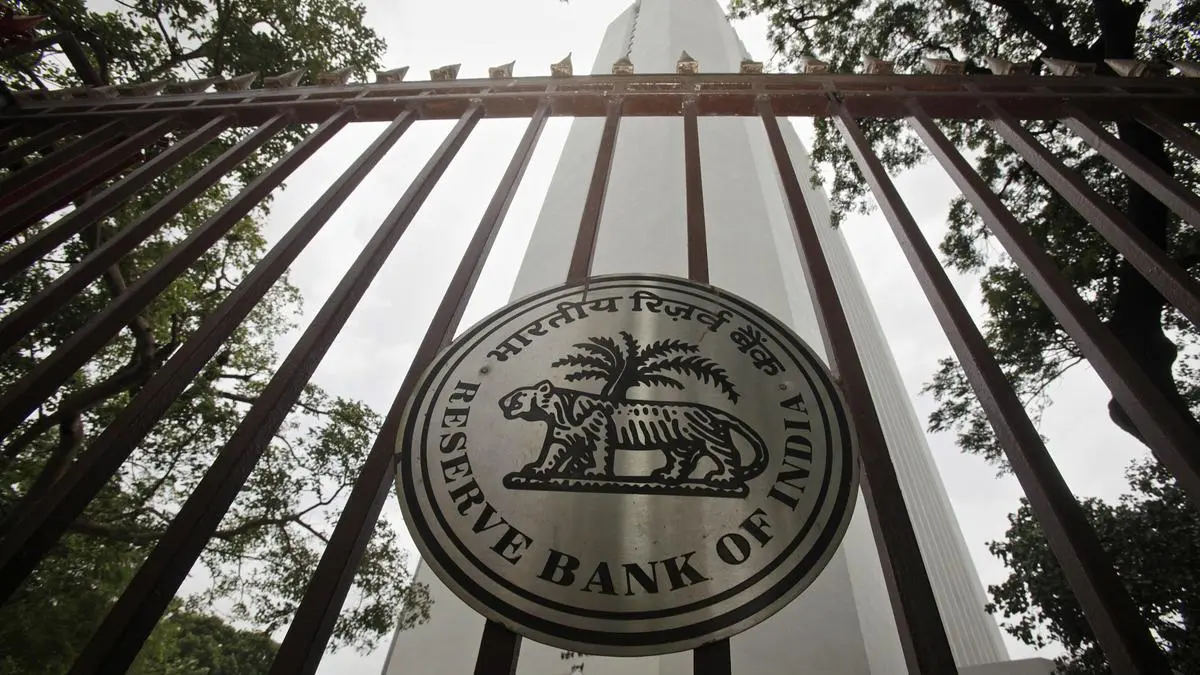
RBI overhauls authorisation, renewal framework for authorised dealers

RBI overhauls authorisation, renewal framework for authorised dealers


The Central bank has also tightened entry norms. Entities applying for AD license must be companies incorporated under the Companies Act, 2013

The Reserve Bank of India (RBI) has overhauled the authorisation and renewal framework for entities authorised to deal in foreign exchange (fx), whereby Authorised Dealers (AD-I and II category) can appoint a Forex Correspondent (FxC) for conducting money changing business under a ‘principal-agent’ model.

A FxC can purchase foreign currency notes/coins and travellers’ cheques; sell foreign currency notes/coins and travellers’ cheques for foreign travel purposes; and function as Money Transfer Service Scheme sub-agent in accordance with the guidelines on Money Transfer Service Scheme (MTSS).

Category-II players such as certain banks, NBFCs and established money changers, however, face a ₹25 lakh cap per foreign trade transaction, per Foreign Exchange Management (Authorised Persons) Regulations, 2026.

AD functions

AD (Authorised Dealer) Category-I entities, primarily banks, retain full access to current and capital account transactions.

AD Category-III can offer offer innovative products and services that may involve dealing in foreign exchange.

The Central bank has also tightened entry norms. Entities applying for AD license must be companies incorporated under the Companies Act, 2013, with clearly defined forex-related objectives in their memorandum of association.

Minimum net worth requirements have been set at ₹10 crore for AD Category-II and ₹2 crore for Category-III entities. Additionally, promoters, directors and key managerial personnel must meet stringent “fit and proper” criteria covering integrity, experience and regulatory track record.

Published on May 6, 2026


Source link

BJP makes history in Bengal, new govt to take oath on May 9

BJP makes history in Bengal, new govt to take oath on May 9


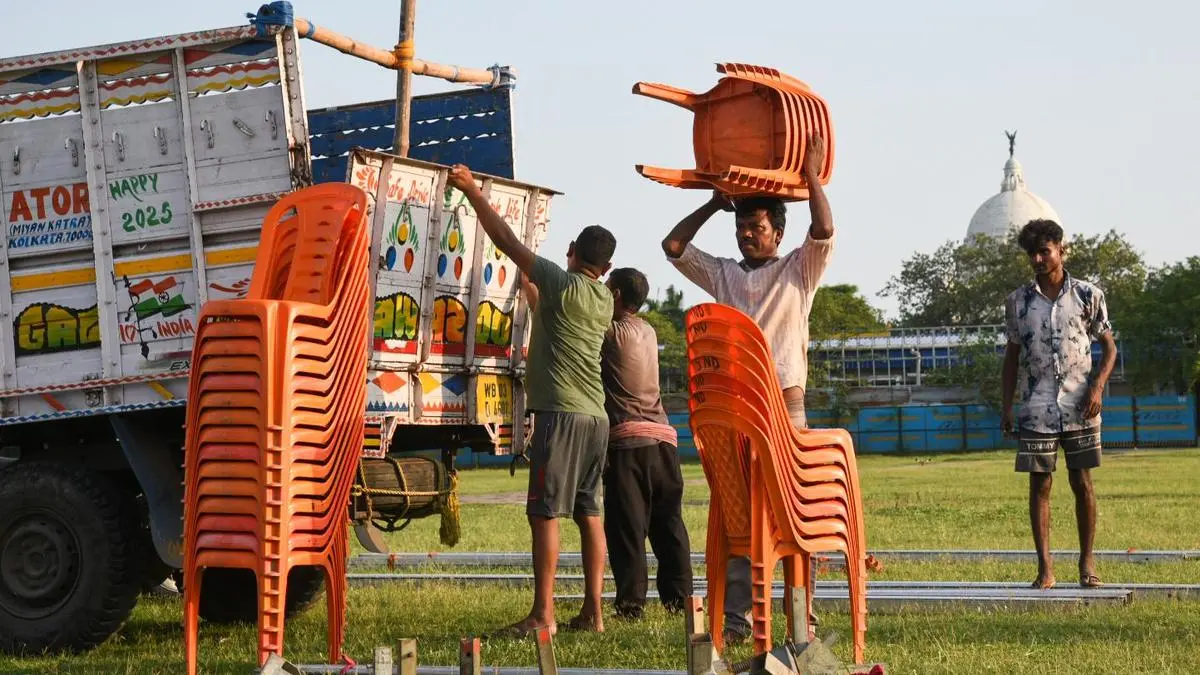
Preparation underway at the Brigade Parade Ground ahead of the oath-taking ceremony of the new West Bengal government in Kolkata on Wednesday

The Bharatiya Janata Party’s West Bengal President Samik Bhattacharya on Wednesday said the oath-taking ceremony of the new BJP government will be held on Saturday. The legislative party meeting is scheduled to be held on Friday evening. In this meeting, the leader of the legislative party will be elected. Union Home Minister Amit Shah is expected to attend this meet.

“The new BJP government will take oath on May 9 at 10 am,” Bhattacharya told mediapersons in Kolkata. He said that the oath-taking ceremony, to be held at the Brigade Parade Grounds in Kolkata on the birth anniversary of Rabindranath Tagore, will be attended by Prime Minister Narendra Modi, Home Minister Amit Shah and other senior leaders of the party.

preparations on

The preparations within the State administration have reached a peak ahead of the swearing-in of the new government. Riding on a massive anti-incumbency wave against the Mamata Banerjee-led Trinamool Congress government, the BJP on Monday recorded a historic landslide victory in the Assembly elections. The saffron party will be forming its government in the eastern State for the first time.

The BJP’s win ends 15 years of TMC rule and marks a watershed moment for the party as it dismantled Banerjee’s bastion through an all-gun blazing election campaign. The party won 207 seats, reducing the Trinamool to just 80 in the 294-member West Bengal Assembly.

The Chief Electoral Officer of West Bengal, Manoj Kumar Agarwal, along with representatives of the Election Commission, on Wednesday met with Governor RN Ravi with the Gazette notification of the results of all 293 Assembly constituencies in the State.

The Election Commission ordered re-election of the Falta Assembly constituency on May 21.

Published on May 6, 2026


Source link

APEDA to conduct Basmati survey in 4 mln ha, double the area of actual crop grown

APEDA to conduct Basmati survey in 4 mln ha, double the area of actual crop grown


Last week, Union Minister of State for Commerce Jitin Prasada unveiled India’s first AI-based Basmati Paddy Survey project (2026–2028), an ambitious initiative to be implemented by APEDA covering approximately 4 million hectares.

This target has sparked significant industry debate, as APEDA’s own 2023 report estimated the total Basmati cultivation area at only 2.14 million hectares, less than half of the new project’s scope. The discrepancy has fuelled intense discussions regarding a potential expansion of the current Basmati Geographical Indication (GI) zone, a move that remains contested given that the legal inclusion of Madhya Pradesh is still sub-judice. By deploying AI across such a vastly expanded territory, the government appears to be preparing for a broader mapping of aromatic rice production, even as the official boundaries of the traditional Basmati belt remain a matter of legal and regional contention.

Besides, there are issues with regard to collaboration with a particular industry body, whose representative is also a Board member of the Basmati Export Development Foundation (BEDF), since the funding of the project has to come from the corpus of BEDF. To generate funds for BEDF, APEDA currently charges ₹70 per tonne from Basmati exporters for registration of contract, which is mandatory before allowing shipments.

The Basmati Paddy Survey project (2026–2028) will cover nearly 4 million hectares, collect data from over 150,000 ground-truth points and engage with more than 500,000 farmers, the government statement said. The aim is to support precise crop assessment, varietal identification, scientific advisory services and improved export planning.

Industry sources said that till Kharif 2023, APEDA was conducting the Basmati survey every year, except during the Covid pandemic, and it discontinued the survey from 2024 under pressure from a few exporters. The sources also said that the agency which conducted the survey was requested to include the non-GI areas, which it politely refused since the crop grown in those areas does not qualify to be called Basmati legally.

Queries sent to APEDA for reply were not answered till the time of writing.

The Indian Rice Exporters’ Federation (IREF) said it was not approached by APEDA so far for any collaboration for a crop survey and, given a chance, it would like to partner for the initiative. “We plan to approach APEDA for a joint collaboration and involving IREF in the entire process for carrying out the proposed Crop Survey which is the main pivot for well-conceived policy decisions,” said Vinod Kaul, director general of IREF. Precise data and statistics about production can be generated only through a structured crop survey, he added.

However, IREF favoured a crop survey in non-GI areas as well. “It would be beneficial to have Basmati crop survey report in two segments — Basmati rice cultivated in the GI Area and Basmati rice varieties cultivated in other than GI area,” Kaul said.

Historically, the actual area sown with pure Basmati varieties in India is typically around 2.1 million hectares. However, the GI region for Basmati — which covers parts of Punjab, Haryana, western Uttar Pradesh, Uttarakhand, Himachal Pradesh, and Jammu and Kashmir — spans a much larger area, over 6 million hectares.

After prolonged hearings for years, the Chennai-based GI registry in February 2016 issued the GI certificate to APEDA for Basmati rice, under which the recognised area included some districts of Jammu and Kashmir, Himachal Pradesh, Punjab, Haryana, western Uttar Pradesh, Uttarakhand and Delhi. The Order was upheld by the GI appellate tribunal, dismissing the appeal of the Madhya Pradesh government for the state’s inclusion.

When the matter reached the Madras High Court in 2020, the MP state government was asked why it did not approach the Registrar of Trade Marks seeking cancellation or modification in the GI Certificate issued to APEDA since it was a statutory remedy. The High Court dismissed the petition. But MP moved the Supreme Court, which in September 2021 set aside the High Court order and remanded the matter back for fresh consideration, preferably within three months. Since then, the matter is pending.

Published on May 6, 2026



Source link

YouTube
Instagram
WhatsApp