जॉब कट का खतरा! 600 कर्मचारियों पर गिर सकती है छंटनी की गाज… जानिए डिटेल

जॉब कट का खतरा! 600 कर्मचारियों पर गिर सकती है छंटनी की गाज… जानिए डिटेल


Show Quick Read

Key points generated by AI, verified by newsroom

KPMG UK layoffs: अकाउंटिंग फर्म KPMG UK में कर्मचारियों की छंटनी को लेकर खबरें सामने आई हैं. बताया जा रहा है कि कंपनी के ऑडिट और एडवाइजरी विभाग में काम करने वाले करीब 600 लोगों की नौकरियों पर खतरा मंडरा रहा है. जिससे इन विभागों में काम करने वाले कर्मचारियों के बीच अनिश्चितता का माहौल बना हुआ हैं…

ऑडिट और एडवाइजरी टीम पर असर

ब्लूमबर्ग न्यूज की रिपोर्ट के मुताबिक, कंपनी के अंदर जारी एक मेमो में कर्मचारियों को संकेत दिया गया है कि छंटनी की संभावना है. अंतिम फैसला रेडंडेंसी कंसल्टेशन प्रक्रिया के बाद ही लिया जाएगा.

मिली जानकारी के अनुसार ऑडिट डिविजन में करीब 7,100 कर्मचारी काम करते हैं. इसमें से लगभग 440 लोगों की नौकरियां प्रभावित हो सकती हैं. जिससे इस विभाग में चिंता का माहौल बना हुआ है. साथ ही एडवाइजरी विभाग के करीब 120 लोगों पर छंटनी का खतरा मंडरा रहा है. बैक ऑफिस स्टाफ और इकोनॉमिक्स टीम के सदस्य भी इस छंटनी से प्रभावित हो सकते हैं. 

मीडिया रिपोर्ट से मिली जानकारी के अनुसार, फर्म में बेंच पर बैठे कर्मचारियों की संख्या ज्यादा होना इस छंटनी की वजह हो सकती है. साथ ही नए प्रोजेक्ट्स का कम मिलना और पहले से चल रहे कुछ प्रोजेक्ट्स का खत्म होना या नुकसान में जाना इस छंटनी की वजह बताई जा रही है. 

बाजार हालात के चलते लिया जा रहा फैसला

KPMG UK के प्रवक्ता के मुताबिक, मौजूदा बाजार स्थिति को देखते हुए ऑडिट डिवीजन के कुछ हिस्सों में कर्मचारियों की संख्या को संतुलित करना जरूरी हो गया है. उनका कहना है कि यह निर्णय सोच-समझकर लिया जा रहा है.

रिपोर्ट में बताया गया है कि इस प्रक्रिया का असर मुख्य रूप से असिस्टेंट मैनेजर और क्वालिफाइड अकाउंटेंट्स पर पड़ सकता है. अनुमान है कि ऑडिट विभाग के करीब 6 प्रतिशत कर्मचारी इससे प्रभावित हो सकते हैं.

यह भी पढ़ें: नौकरी की टेंशन छोड़िए! घर बैठे शुरू करें ये बिजनेस, कम लागत में होगी शानदार कमाई…


Source link

Bitcoin dips after steadying over last week

Bitcoin dips after steadying over last week


Bitcoin weakened to around USD 66,000 after a bout of bearish sentiment over the past few sessions, breaching both its 200-day moving average and year-to-date average – levels closely watched by traders as indicators of trend strength.

The break below these technical supports signals near-term downside pressure, largely driven by macro risk-off sentiment and tighter liquidity conditions. However, the decline has so far been orderly rather than panic-driven, with prices stabilising in the mid-USD 60,000 range.

Analysts say the market is now at a critical juncture. While the breach of key averages suggests caution, expectations of a rebound toward the USD 68,000 level in the coming week indicate underlying demand remains intact.

The near-term outlook remains highly sensitive to global cues, with Bitcoin continuing to track broader financial conditions and investor risk appetite.

Last week, the cryptocurrency market swung from steady gains to brief volatility before stabilising, with Bitcoin recovering after a dip triggered by global risk-off sentiment.

Bitcoin fell to as low as USD 67,000-USD 69,000 amid tightening financial conditions and weakness in global equities, particularly in Asia, according to WazirX – one of India’s largest cryptocurrency exchanges.

Easing geopolitical tensions, including signals of potential negotiations between the United States and Iran, led to a 5-6 per cent drop in oil prices, helping reduce macroeconomic pressure and stabilise broader risk assets, including cryptocurrencies.

Institutional interest remained firm. Asset manager BlackRock reiterated its focus on Bitcoin and Ethereum, while MicroStrategy’s USD 44 billion capital plan for Bitcoin accumulation underscored continued long-term conviction in the asset.

Bitcoin has traded within a broad USD 50,000-USD 70,000 range for about 50 days, a pattern analysts interpret as an accumulation phase.

Market participants said macro pressures are easing but sentiment remains fragile and sensitive to geopolitical developments. While Bitcoin’s ability to hold near USD 70,000 indicates strong demand absorption, markets continue to be driven by global liquidity conditions.

Analysts caution that the current consolidation phase, despite underlying support, may see sharp swings, urging retail investors to remain cautious on leverage.

Published on March 29, 2026


Source link

Dredging Corporation can meet India’s entire requirement by 2030:  Angamuthu

Dredging Corporation can meet India’s entire requirement by 2030: Angamuthu


M Angamuthu, Chairman, Dredging Corporation of India

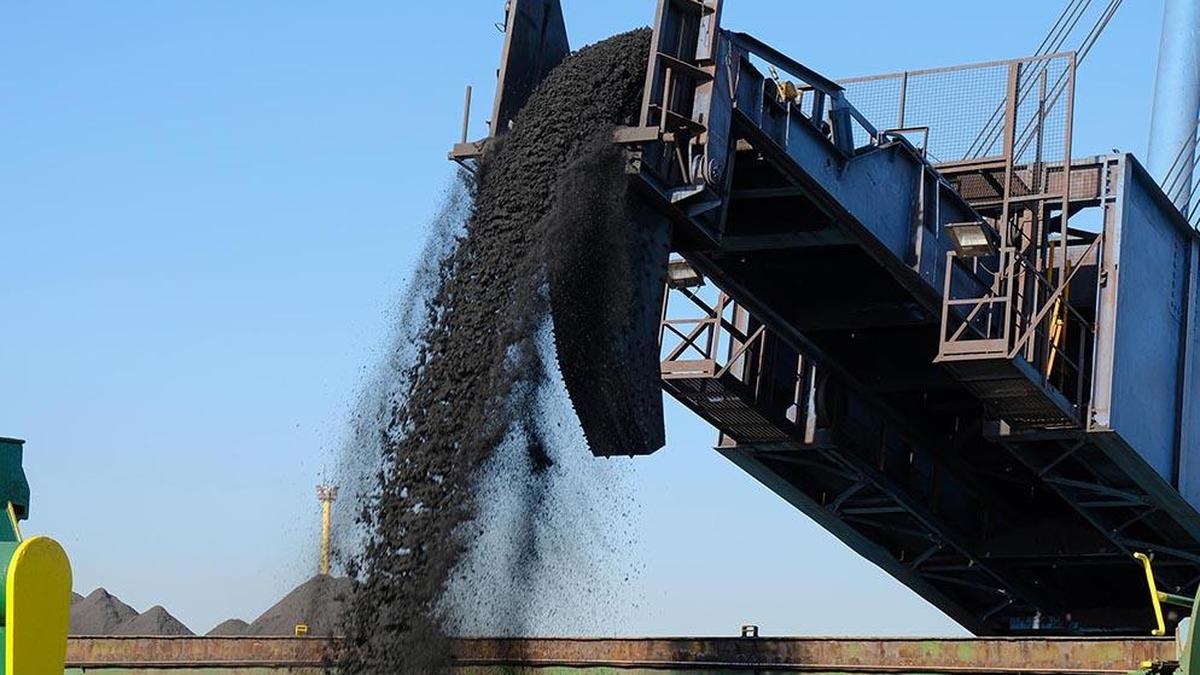
The Dredging Corporation of India (DCIL) is gearing up to build capacity to meet the country’s entire dredging requirements by 2030, according to its Chairman, M Angamuthu.

Speaking to businessline on the occasion of the company’s golden jubilee celebrations on Sunday, Angamuthu said DCIL currently handles nearly 80 per cent of India’s maintenance dredging needs, covering around 120 million cubic metres annually across major ports.

Founded in 1976 with limited resources and a small fleet of inland dredgers, DCIL has significantly expanded its capabilities over the decades. “With the induction of new-generation 12,000 cubic metre hopper dredgers, we are poised to bridge the remaining gap and aim to handle 100 per cent of India’s dredging requirements by 2030,” he said.

The company has evolved from operating inland dredgers to deploying advanced Trailing Suction Hopper Dredgers (TSHDs), enhancing both its technical expertise and operational reach.

Growth aspects

Looking beyond 2030, Angamuthu said growth prospects remain strong. With new major port developments such as Vadhavan Port, Tuticorin Outer Harbour, and Galathea Bay, demand for maintenance dredging is expected to rise by an additional 20–30 million cubic metres annually.

DCIL is well-positioned to cater to this incremental demand and play a key role in supporting India’s maritime expansion, he added.

“We envision DCIL as a globally recognised leader in dredging services, extending our expertise beyond national boundaries and contributing to sustainable maritime infrastructure worldwide. This 50-year journey would not have been possible without the dedication of our employees, the guidance of stakeholders, and the support of promoter ports and clients,” he said.

The Dredging Corporation of India (DCIL) has transitioned from a fully government-owned entity into a public limited company with a strong shareholder base of around 45,000, according to its Chairman, M Angamuthu.

Reflecting its growth trajectory, the company’s market capitalisation has risen from about ₹1,000 crore to ₹2,300 crore. Turnover has expanded sharply from a modest ₹15 crore in 1976-77 to ₹1,148 crore in 2024-25.

DCIL’s existing fleet comprises nine Trailing Suction Hopper Dredgers (TSHDs), with a combined hopper capacity of 54,500 cubic metres and an annual dredging capacity of around 55 million cubic metres.

The company is targeting a more than two-fold increase in turnover—from ₹1,148 crore in 2024-25 to ₹3,000 crore over the next five to six years—driven by new maintenance dredging contracts, reclamation projects, and diversification into dams and reservoirs.

“This aligns with the Sagarmala Programme, under which dredging demand is expected to reach 200–250 million cubic metres annually by 2030, supported by port expansions and infrastructure investments of about ₹80 lakh crore,” Angamuthu said.

Fleet modernisation and adoption of green technologies are expected to further enhance capacity, alongside scaling up manpower to support expanded operations.

With an investment outlay of ₹4,000 crore under the Government of India’s Maritime Amrit Kaal Vision, DCIL is entering a new phase of modernisation. “This infusion will enhance capacity, promote ‘Make in India’, enable adoption of green technologies, and help build a future-ready ecosystem, including the recent induction of the 12,000 cubic metre hopper dredger Dredge Godavari from Cochin Shipyard Ltd ,” he added.

Published on March 29, 2026


Source link

नौकरी की टेंशन छोड़िए! घर बैठे शुरू करें ये बिजनेस, कम लागत में होगी शानदार कमाई…

नौकरी की टेंशन छोड़िए! घर बैठे शुरू करें ये बिजनेस, कम लागत में होगी शानदार कमाई…


Show Quick Read

Key points generated by AI, verified by newsroom

Organic Farming Business Ideas: बदलती जरूरतों और तेजी से विकसित हो रही नई टेक्नोलॉजी के दौर में सिर्फ नौकरी के भरोसे बने रहना एक मुश्किल भरा कदम हो सकता है. क्योंकि नौकरियों के मौके सीमित हैं और कमाई भी तय नहीं रहती. वहीं, लोगों की एक लंबी लाइन नौकरी की तलाश कर रही है.

ऐसे में कई लोग अब अपने स्तर पर कुछ शुरू करने की ओर बढ़ रहे हैं. छोटा सा बिजनेस भी अगर सही तरीके से किया जाए तो धीरे-धीरे अच्छी आमदनी देने लगता है. अगर आप भी कुछ खुद का शुरू करना चाहते हैं तो, खेती से जुड़े काम इन दिनों लोगों को आकर्षित कर रहे हैं. जहां कम संसाधनों में भी कमाई के नए रास्ते बनते दिख रहे हैं. आइए जानते हैं, इस बारे में…

वर्मी-कम्पोस्ट का बिजनेस

वर्मी कम्पोस्ट एक तरह की जैविक खाद होती है, जिसे केंचुओं की मदद से तैयार किया जाता है. इस खाद का इस्तेमाल खेती में बढ़ रहा है. इसकी मांग लगातार बनी रहने की वजह से यह एक अच्छा कमाई का जरिया बन सकता है.

इस काम को शुरू करने के लिए ज्यादा जगह या बड़े निवेश की जरूरत नहीं होती. वहीं सही तरीके से करने पर इससे पूरे साल आय भी मिल सकती है. इसलिए कम लागत में बिजनेस शुरू करने वालों के लिए यह एक अच्छा विकल्प हो सकता है. 

क्यों बढ़ रही है वर्मी-कम्पोस्ट की मांग

खेती में बढ़ रहे कीटनाशक के उपयोग के कारण अब बहुत से किसान जैविक या ऑर्गेनिक खेती की तरफ अपना कदम बढ़ रहे हैं. इसके पीछे कारण यह है कि, लोग ऑर्गेनिक फलों और सब्जियों के लिए ज्यादा पैसा देने को लिए तैयार हैं. 

जिससे किसानों को ज्यादा मुनाफा कमाने के अवसर मिल रहे हैं. जैविक खेती के लिए वर्मी कम्पोस्ट खाद की जरूरत होती है. जैसे-जैसे जैविक खेती की मांग बढ़ रही है, वैसे ही इसका बिजनेस भी रफ्तार पकड़ रहा है. किसान अपनी भाषा में वर्मी कम्पोस्ट को काला सोना भी कहते हैं.   

कम निवेश में बेहतर मुनाफा

इस काम को शुरू करने के लिए बहुत बड़ी रकम की जरूरत नहीं होती. करीब 50 से 60 हजार रुपये में इसकी शुरुआत की जा सकती है. इसमें सबसे ज्यादा खर्च केंचुओं को खरीदने पर आता है.

जिनकी कीमत बाजार में लगभग 1,000 से 1,200 रुपये प्रति किलो होती है. खास बात यह है कि ये केंचुए तेजी से बढ़ते हैं और करीब 3 महीने में इनकी संख्या लगभग दोगुनी हो जाती है. जिससे उत्पादन भी तेजी से बढ़ता है और कमाई के मौके बेहतर हो जाते हैं. 

अगर आपके पास थोड़ी सी जगह हो तो आप आसानी से इस बिजनेस की शुरूआत कर सकते हैं. हालांकि, काम चालू करने से पहले इस संबंध में जानकारी लेना और संभव हो तो ट्रेनिंग लेना सही कदम हो सकता है. इससे आपके नुकसान की संभावना कम हो जाएगी. 

यह भी पढ़ें: बाजार को ऐसी लगी नजर! टॉप कंपनियों की मार्केट वैल्यू में बड़ी गिरावट, 1.75 लाख करोड़ रुपये का नुकसान


Source link

SEBI working group clears revised CAF ahead of PAN regime shift

SEBI working group clears revised CAF ahead of PAN regime shift


India’s foreign portfolio investor (FPI) onboarding framework is set for a revision, with changes to the common application form (CAF) likely to be introduced to align with the new PAN application regime coming into force from April 1, according to people familiar with the development.

The move follows the notification of revised PAN application Forms 95 and 96 by the Income Tax Department under the new Income-tax Rules, 2026, replacing the existing forms used by foreign investors to obtain a Permanent Account Number.

“A SEBI working group has finalised the changes to the CAF. The changes are expected to be brought in through a gazette notification soon,” a source aware of the discussions said.

Apart from changes required to reflect the new PAN framework, the revised CAF also incorporates suggestions from the Custodians and DDP Standards Setting Forum (CDSSF), sources said.

The CAF serves as a single-window document for FPIs, integrating registration with the Securities and Exchange Board of India, PAN allotment, and the opening of bank and demat accounts. Introduced to streamline market entry, it consolidated multiple regulatory and procedural requirements into a unified onboarding framework.

Emailed queries sent to SEBI did not elicit a response.

While the tax changes take effect from April 1, there is no formal transition window in place for the revised CAF. “There is nothing specified in writing on a transition period, though the tax department has indicated informally that applications may be accepted in the existing format for a few days,” another source said.

“The idea is to ensure a smooth shift to the new PAN system without disrupting investor onboarding,” the source added.

The development comes months after SEBI streamlined the use of digital signatures within the CAF process, part of broader efforts to ease compliance and improve operational efficiency for overseas investors.

The current CAF format was introduced as part of the revamped FPI framework notified in 2020, aimed at simplifying market entry by consolidating multiple application processes into a single form. Since then, the regulator has made incremental changes to streamline onboarding, including enabling and subsequently digitising the use of electronic signatures for documentation.

In the absence of formal alignment, custodians and designated depository participants handling FPI registrations may need to make short-term procedural adjustments.

Published on March 29, 2026


Source link

Mcap: 7 of top-10 most valued firms shed ₹1.75 lakh cr, Reliance biggest laggard

Mcap: 7 of top-10 most valued firms shed ₹1.75 lakh cr, Reliance biggest laggard


FILE PHOTO: Reliance Industries
| Photo Credit:
AMIT DAVE

The combined market valuation of seven of the top-10 most valued firms tumbled by ₹1.75 lakh crore in a holiday-shortened last week, with Reliance Industries taking the biggest hit, in tandem with a weak trend in equities.

Last week, the BSE benchmark Sensex lost 949.74 points or 1.27 per cent, and the NSE Nifty tanked 294.9 points or 1.27 per cent.

“Markets ended the week on a weaker note, reflecting heightened volatility amid fluctuating global cues and escalating geopolitical tensions in the Middle East. The week was marked by sharp swings, with early losses driven by concerns over energy supply disruptions, a weakening rupee, which touched a record low, and rising volatility,” Ajit Mishra – SVP, Research, Religare Broking Ltd, said.

This was followed by a mid-week recovery on hopes of a temporary de-escalation in US-Iran tensions, he noted.

“However, renewed selling pressure on Friday erased the gains, dragging indices lower,” Mishra added.

The market valuation of Reliance Industries eroded by ₹89,720.3 crore to ₹18,24,515.62 crore.

HDFC Bank’s valuation tanked by ₹37,248.59 crore to ₹11,64,018.69 crore.

State Bank of India lost ₹35,399.42 crore from its market valuation, which stood at ₹9,41,569.15 crore.

The market capitalisation (mcap) of ICICI Bank dropped by ₹8,121.76 crore to ₹8,83,551.30 crore, and that of Bharti Airtel declined by ₹2,480.42 crore to ₹10,50,413.33 crore.

Hindustan Unilever’s mcap diminished by ₹2,091.13 crore to ₹4,87,540.19 crore, and that of Tata Consultancy Services (TCS) dipped by ₹271.35 crore to ₹8,64,668.65 crore.

The mcap of Bajaj Finance jumped ₹8,680.36 crore to ₹5,25,395.48 crore.

Infosys added ₹6,245.3 crore, taking its valuation to ₹5,15,034.67 crore.

Published on March 29, 2026


Source link

YouTube
Instagram
WhatsApp