BIS urges central banks not to rush reactions to energy price spike

BIS urges central banks not to rush reactions to energy price spike


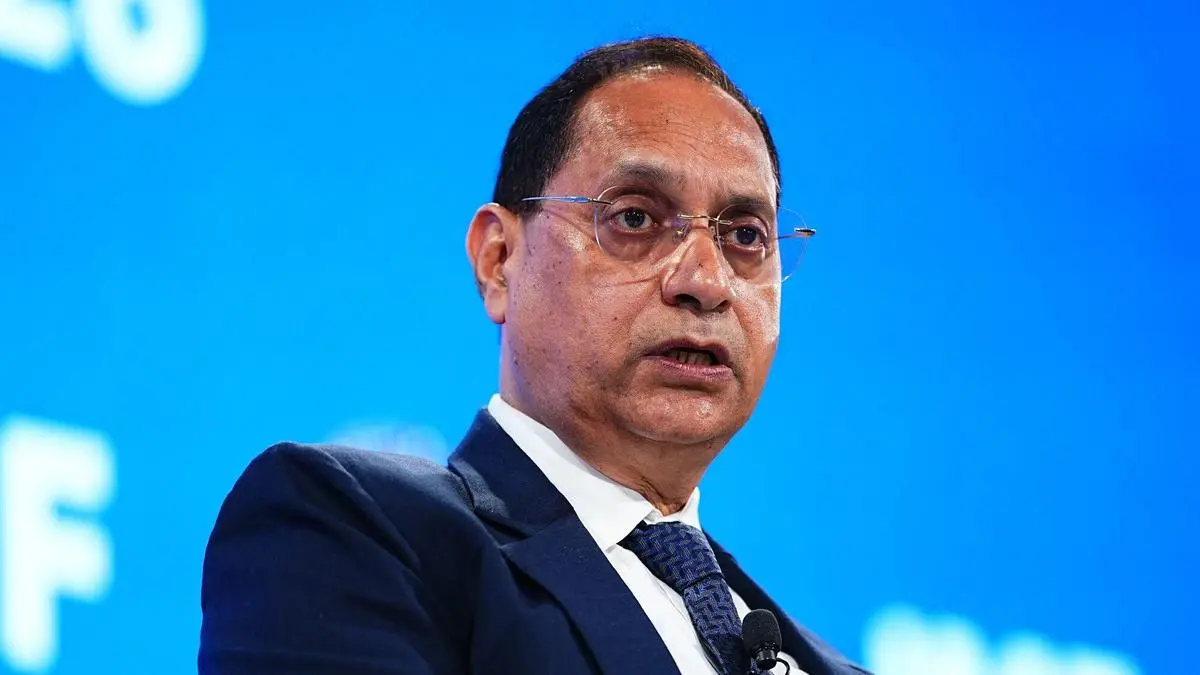
The body that advises the world’s central banks has urged policymakers not to rush reactions to the Iran ‌crisis-driven spike in global energy prices, calling it a textbook case of when to “look ​through” a supply shock, if it proves temporary.

This month’s 40 per cent surge in oil prices ⁠and near 60 per cent leap in wholesale gas prices have evoked comparisons to 2022, when Russia’s invasion of Ukraine and the post-COVID reopening of the global economy sent inflation rates soaring.

Leading central banks including the U.S. Federal Reserve and European Central Bank ‌raised interest rates to their highest levels in decades, but were criticised for reacting too slowly after mistakenly judging the impact would be transitory.

This time, financial markets have been quick ‌to reprice expectations, betting central bankers won’t want to make the same mistake again, although the Bank ‌for ⁠International Settlements (BIS) used its latest report to urge caution.

“If it’s a supply shock, and certainly ⁠if it’s a temporary
one, these are the textbook examples where you should look
through and not react with monetary policy,” the central bank
umbrella group’s top economic advisor, Hyun Song Shin, said.

“It really depends on how long the conflict lasts and how
long ​the rise in the oil price will ‌be sustained.”

The comments come at the start of a crucial week for markets
with the Federal Reserve, European Central Bank, Bank of England
and Bank of Japan all holding their first meetings since the
Middle East crisis erupted on February 28.

Shin added the rapid shift in market interest rate pricing
was ‌perhaps a “sign of the times” given the still-raw memories
of 2022.

Money markets have already halved ​the number of Fed rate cuts
they expect this year to one and are now fully pricing in an ECB
hike by July, along with an 85 per cent chance of ⁠a
second increase by year-end.

“It’s a kind of a knee-jerk reaction,” said Shin,
highlighting too that key inflation gauges hadn’t yet moved to
the same extent, making it “a very confusing picture” overall.

Longer war, larger impact

A prolonged conflict, ‌or one that spirals wider, would
threaten a further rise in interest rates that could amplify the
economic damage, hit “rich” asset prices and compound the
worries about ballooning government debt levels.

“That is something which is going to be a very important
topic for us to keep under review,” Shin said.

“The impact of a sustained rise in energy prices will have
an effect on the real economy and the longer it lasts, of
course, the larger that impact. And there will also be an impact
on fiscal balances if the economy ‌sees a downturn.”

The BIS’ report, which it publishes four times a year, also
included a number of studies, including one ​on how central banks
have changed the way they communicate with markets and the
public following the various recent global crises.

It showed more are now using scenarios to illustrate the
implications ⁠of specific risks, in addition to traditional tools
such as fan charts and qualitative risk discussions.

Many have also ⁠tried to shift away from so-called forward
guidance on where rates are likely to go and instead publishing
their own rate projections, often in the context of alternative
scenarios.

The BIS’ view of ‌the current market risks also touched on other
bouts of volatility seen this year, including some sharp
selloffs in artificial intelligence-linked stocks and some
troubles in the private credit market.

“We have to watch this,” ​Frank Smets, the deputy head of the
BIS’ monetary and economic department, said. “But we don’t see
any major disruptions at this point.”

Published on March 17, 2026


Source link

साल में चौथी बार डिविडेंड देने जा रही नवरत्न कंपनी, रिकॉर्ड डेट का भी हुआ ऐलान; जानें डिटेल

साल में चौथी बार डिविडेंड देने जा रही नवरत्न कंपनी, रिकॉर्ड डेट का भी हुआ ऐलान; जानें डिटेल


Stocks to watch: नवरत्न कंपनी आरईसी लिमिटेड (REC Ltd)  एक बार फिर से अपने निवेशकों को डिविडेंड देने जा रही है. कंपनी ने कारोबारी साल 2025-26 के लिए चौथी बार डिविडेंड देने का ऐलान कर दिया है. इसी सिलसिले में पावर सेक्टर की इस सरकारी कंपनी ने बीते 6 मार्च को एक मीटिंग भी रखी. 

हर शेयर पर कितने मिलेंगे? 

कंपनी ने बोर्ड की मीटिंग के बाद अपने निवेशकों को 2025-26 के लिए प्रति शेयर 3.20 चौथे अंतरिम डिविडेंड देने की घोषणा की है. इसके लिए रिकॉर्ड डेट 20 मार्च की तय की गई है.स्टॉक एक्सचेंज को दी गई जानकारी में कंपनी ने 10 रुपये के फेस वैल्यू वाले एक शेयर का 32 परसेंट डिविडेंड के रूप में देने का फैसला किया है. यानी कि अगर आपके पास REC लिमिटेड का 1 शेयर है, तो कंपनी इस पर आपको 3.20 रुपये देगी.

इसी तरह से अगर आपके पास कंपनी के 100 शेयर हैं, तो आपको 320 (100*3.20) रुपये मिलते. अगर आपके पास 1000 शेयर हैं, तो आपके बैंक अकाउंट में 3200 रुपये आएंगे. हालांकि, डिविडेंड का मुनाफा पाने के लिए आपके पास 20 मार्च (रिकॉर्ड डेट) तक कंपनी के शेयर होने चाहिए. डिविडेंड का पैसा आपके उसी बैंक अकाउंट में जाएगा, जो सीधे आपके डीमैट अकाउंट से जुड़ा हो. 


डिस्क्लेमर: (यहां मुहैया जानकारी सिर्फ़ सूचना हेतु दी जा रही है. यहां बताना जरूरी है कि मार्केट में निवेश बाजार जोखिमों के अधीन है. निवेशक के तौर पर पैसा लगाने से पहले हमेशा एक्सपर्ट से सलाह लें. ABPLive.com की तरफ से किसी को भी पैसा लगाने की यहां कभी भी सलाह नहीं दी जाती है.)

ये भी पढ़ें:

हलचल भरे स्टॉक मार्केट में जोर से झटका दे गया शेयर, ईरान वॉर के बीच निवेशकों को कर गया कंगाल 


Source link

Mamata Banerjee accuses Centre of “failing” to ensure adequate supply of LPG cylinders

Mamata Banerjee accuses Centre of “failing” to ensure adequate supply of LPG cylinders


Speaking at a rally in central Kolkata following a march to protest the LPG crisis, she said the saffron camp with the help of Election Commission may change as many officers as they want, but they will not be able to change the government in Bengal.
| Photo Credit:
Jayanta Shaw

West Bengal Chief Minister Mamata Banerjee, who led a protest against the Centre over concerns related to LPG cylinder shortages, accused the BJP-led government of “failing” to ensure adequate supply.

Banerjee also lashed out at the Election Commission for transferring top State bureaucrats and police officers shortly after announcing the schedules for Assembly polls and branded the poll panel and the BJP as “anti-Bengal”.

Speaking at a rally in central Kolkata following a march to protest the LPG crisis, she said the saffron camp with the help of Election Commission may change as many officers as they want, but they will not be able to change the government in Bengal.

“It doesn’t matter who you appoint as replacement officers, they will all work for Bengal and for the people of the State,” the Chief Minister said.

The Election Commission has removed the West Bengal Chief Secretary, Home Secretary, Director General of Police, and Kolkata Police Commissioner, among others, in an unprecedented administrative shake-up in the State ahead of the Assembly polls.

Election Commission officials maintained that the transfers of the officials were aligned with Chief Election Commissioner Gyanesh Kumar’s assurance to hold free and fair polls in the State.

Speaking on the prevailing LPG cooking gas crisis, Banerjee blamed the Narendra Modi-led Centre for the emerging shortage of LPG, alleging that the government has failed to build sufficient reserves of cooking gas and petroleum products before imposing restrictions on access to cylinders.

“artificially created”

She also alleged that the LPG cooking gas crisis in the State was “artificially created”.

“The LPG crisis is artificially created by disabling oil companies’ servers. I have spoken with their representatives, and there is no real crisis of gas,” she added.

Published on March 16, 2026


Source link

NCLAT restores insolvency appeal against Dilip Buildcon

NCLAT restores insolvency appeal against Dilip Buildcon


The National Company Law Appellate Tribunal (NCLAT) has restored an insolvency appeal filed by Shyamji Construction Co against Dilip Buildcon.

The National Company Law Appellate Tribunal (NCLAT) on Monday restored an insolvency appeal against Dilip Buildcon, a construction and infrastructure development company.

A two-member bench of the NCLAT on December 12, 2025, dismissed the appeal filed by Shyamji Construction Co against Dilip Buildcon on the ground of ‘non-prosecution’.

However, an application was filed by Shyamji Construction Co for condonation of delay and restoration of appeal against Dilip Buildcon, which was allowed.

“We have heard Counsel for the applicant (Shyamji Construction), as well as Counsel for the respondent (Dilip Buildcon). We find sufficient cause shown in the application for recall of the order dated December 16, 2025…appeal is restored in its original number,” said a two-member bench, comprising Chairperson Justice Ashok Bhushan.

Moreover, the NCLAT also admitted Shyamji Construction’s application praying for condonation of 43 days’ refiling delay on account of medical issues with the appellant due to which the delay was caused.

“We find sufficient cause shown in the application. Refiling delay condoned,” said the NCLAT.

Shyamji Construction, through its authorised representative Anil Bhatia, had approached the NCLT claiming operational debt. However, according to reports, it was dismissed on the grounds of pre-existing disputes.

Published on March 16, 2026


Source link

India’s 2025-26 horticulture output seen a tad up, as higher fruits offset loss in vegetables

India’s 2025-26 horticulture output seen a tad up, as higher fruits offset loss in vegetables


Banana production increased to 39.62 mt in 2025-26 from 38.32 mt a year-ago period
| Photo Credit:
Giri KVS

India’s horticulture production, which includes spices, plantation crops, honey, as well as fruits, vegetables, is estimated to be a tad higher at 370.85 million tonne (mt) during the 2025-26 crop year (July-June) from 370.74 mt. There was a marginal drop in the area but there was higher yield in many crops.

The area under all horticulture crops was reported at 30.13 million hectares (mh) in 2025-26 against 30.14 mh in 2024-25, the Agriculture Ministry said in a statement.

Releasing the first estimate of 2025-26 and final estimate of 2024-25, Union Agriculture and Farmers Welfare Minister Shivraj Singh Chouhan said that it reflects the government investment in technology, irrigation, value chain development, processing, storage, cold chains and markets, yielding ground-level results.

Bangana, apple output up

“Horticulture is now a solid foundation for raising farmers’ income, ensuring nutritional security and advancing agri-exports, with the goal that farmers everywhere gain better, sustainable earnings from fruits, vegetables, spices, flowers and medicinal crops,” Chouhan said in a statement.

Among the major fruits, banana production increased to 39.62 mt in 2025-26 from 38.32 mt, that of mango to 23.45 mt from 23.14 mt, apple to 2.79 mt from 2.66 mt, guava 5.52 mt from 5.48 mt and papaya 5.81 mt from 5.76 mt. The fruits which reported a fall in production include orange (also Kinnow) to 6.46 mt from 6.73 mt, grape to 3.4 mt from 3.65 mt, pineapple to 1.7 mt from 1.71 mt, pomegranate to 2.8 mt from 2.82 mt and water melon to 4.62 mt from 4.85 mt.

Though overall vegetables production is estimated to marginally drop, output of tomato, mushroom, tapioca , bhindi (okra), peas, pumpkin, sweet potato, green chillies and radish are likely to be on higher side.

Tomatoes up 10%

Among the essential commodities, production of tomato is likely to be up by 10 per cent but onion may drop 11 per cent while potato is seen to be almost at par with last year.

Among the spices group, the production of cardamom, ajwain, turmeric, fennel, garlic, coriander, clove and celery, dill & poppy is seen to be higher from 2024-25. But, the output of cumin, ginger, curry leaf, Rred chillies (dried), black pepper, Ttamarind, saffron and vanilla is likely to drop.

In the plantation group, coconut production is pegged at 14.92 mt against 13.97 mt in 2024-25 while that of areacanut at 1.53 mt from 1.49 mt and betel leaves at 684,000 tonne against 685,000 tonne. But the output of cashewnut and cocoa is likely to be stagnant at 802,000 tonne and 33,000 tonne, respectively.

Published on March 16, 2026


Source link

YouTube
Instagram
WhatsApp