Stoppage of SIP leads to averaging down investment, Franklin Templeton India chief

Stoppage of SIP leads to averaging down investment, Franklin Templeton India chief


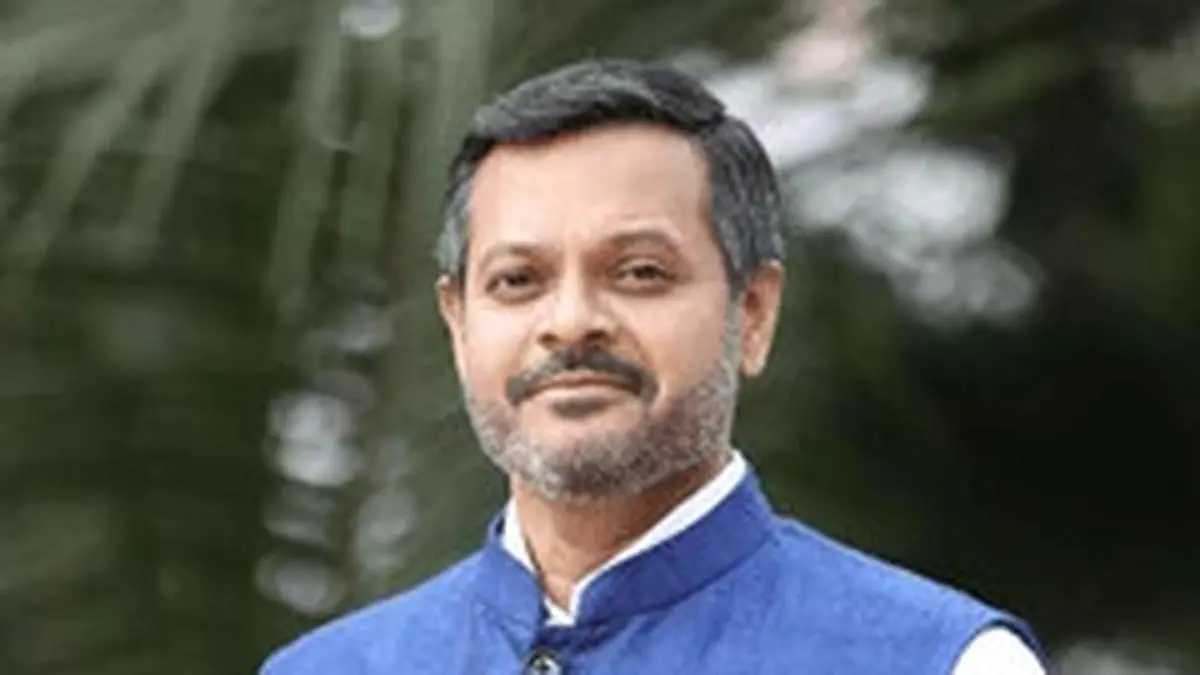
Avinash Satwalekar, President, Franklin Templeton India

Franklin Templeton Asset Management (India) has reduced its cash position substantially and remains fully invested in equity even as the markets went on a topsy-turvy ride.

The sharp fall in key indices and the bearish sentiment amid the raging war in West Asia will have a major impact on inflows through Systematic Investment Plans.

Long view

Avinash Satwalekar, President, Franklin Templeton India, said the fund house believes in its portfolio construct and using the recent fall in valuations to top it up.

If one looks at the history of equity markets, he said, bear markets are measured in months while bull markets are measured in years, and hence investors should stop worrying about negative returns in the last two years and market volatility.

“I know it is not a pleasant situation when SIP returns turn negative, particularly when the whole notion is about keep putting money in SIP to make more money,” he said on the sidelines of an event to launch the fund house’s equity long-short SIF under Saphire SIF.

What most investors tend to do is cancel SIP, and they are technically averaging down. By doing this, he said they miss out on the opportunity to buy more units for the same rupee, and when the market turns, they will remain a laggard for long, he added.

“Markets give an opportunity every five years to truly put money to work. If you do not take that opportunity, you will get rich, but you will not get wealthy. How do you create real wealth is to do something when others are not doing it,” said Satwalekar.

Flexible strategy

On the new long-short equity SIF launched, he said investors are navigating markets that move through different phases rapidly, making disciplined and flexible investment strategies increasingly important.

Compared to conventional MFs, SIFs can potentially take advantage of market shifts by taking short positions up to 25 per cent of their net assets, which can help reduce downside risk during market corrections, he added.

Arihant Jain, Portfolio Manager, Sapphire Equity Long-Short SIF, said the underlying quantitative model for the strategy is designed to assess stocks using a broad set of leading and lagging indicators, recognising that different factors tend to perform differently across market environments.

“The model is designed to adapt while preserving a strong emphasis on risk management,” he said.

Published on April 2, 2026



Source link

TVS Venu Group acquires PGIM India Asset Management

TVS Venu Group acquires PGIM India Asset Management


TVS Venu Group has entered into definitive agreements to acquire Prudential Financial Inc’s entire stake in PGIM India Asset Management and PGIM India Trustees.

The deal being executed through TVS Venu Management and Consultancy Services and its affiliates is subject to regulatory approvals and other customary closing conditions.

PGIM India is a wholly-owned business of PGIM, the global investment management business of PFI. It is a full-service investment manager offering a broad range of equity, fixed income and multi-asset solutions to retail and institutional investors, managing over ₹30,000 crore of assets as of December-end.

Khaitan & Co acted as legal advisor to TVS Venu Group and Shardul Amarchand Mangaldas & Co acted as the legal advisor to PFI. Ernst & Young LLP acted as the exclusive M&A advisor to PFI.

PGIM India is a wholly-owned business of PGIM, the global investment management business of the US-based Prudential Financial, Inc.

It manages 25 open-ended mutual funds in India as of March-end and also offers alternative investment funds, portfolio management services and offshore advisory.

In 2019, Prudential Global Investment Managers completed purchase of 50 per cent stake held by its joint venture partner DHFL.

The fund house, earlier known as DHFL Pramerica Asset Managers was changed to PGIM India Mutual Fund.

The TVS Venu Group is a leading Indian multinational conglomerate with diversified businesses spanning industries including automotive, financial services and real estate and a global footprint in over 80 countries.

Published on April 2, 2026


Source link

SEBI proposes revival of open-market share buybacks via stock exchanges

SEBI proposes revival of open-market share buybacks via stock exchanges


The move aims to provide companies with greater flexibility and align with a neutral tax framework, while ensuring equal opportunity for shareholders.

The Securities and Exchange Board of India (SEBI) has proposed reintroducing open-market share buybacks through stock exchanges, nearly a year after discontinuing the route, citing a more neutral tax framework and industry demand for greater flexibility.

The regulator said the mechanism could be reinstated as an additional method under existing buyback regulations, alongside the tender offer and book-building routes. Public comments are invited until April 23.

The stock exchange route was phased out and eventually discontinued from April 1, 2025, amid concerns over equitable treatment of shareholders and tax distortions that favoured select participants.

Equal opportunity under order-driven system

Under the earlier system, buyback orders could be matched with a handful of shareholders, leaving others unable to participate despite their willingness.

“The differential tax advantage that existed earlier… would not exist any longer,” SEBI said in a draft paper issued on Thursday, adding that buyback proceeds will now be taxed as capital gains in the hands of shareholders, aligning them with normal market transactions.

The mechanism operates within an “order-driven market” where execution is determined by price-time matching, offering “equal opportunity” under uniform conditions, SEBI said.

Industry backing and global relevance

Open market buybacks are widely used globally, aiding continuous price discovery and enhancing liquidity. Industry bodies, including FICCI and AIBI, have backed the move, arguing that it allows companies to gradually absorb selling pressure and deploy surplus cash efficiently.

“Promoters are proposed to be excluded from selling into the stock-exchange buy-back window, and the Finance Act, 2026 imposes additional tax and surcharge on promoter shareholders to reduce arbitrage. So direct preferential monetisation through this route appears constrained,” Rohit Jain, Managing Partner at Singhania & Co, said.

Concerns over fairness and price discovery

However, some caution that structural concerns remain. “Reintroducing open market buybacks is efficient, but it revives concerns around unequal participation and opaque price discovery,” said Raheel Patel, Partner at Gandhi Law Associates.

“The tax changes remove earlier arbitrage but don’t fully solve fairness, since not all shareholders benefit equally. Promoters may still gain indirectly through price support and EPS optics, and the route carries a real risk of subtle price influence or signalling,” Patel said.

SEBI has proposed that buybacks via stock exchanges be conducted through a separate window, with existing safeguards on price, volume and disclosures continuing to apply.

Published on April 2, 2026


Source link

Franklin Templeton sees higher SIP inflows, deploys cash amid market dip

Franklin Templeton sees higher SIP inflows, deploys cash amid market dip


Franklin Templeton has also launched a new long-short fund to capitalise on volatility, signalling confidence in a potential market recovery.

Franklin Templeton has witnessed higher systematic investment plan (SIP) flows in March compared to February despite the dent to investor sentiment because of the West Asia conflict, a top company official said on Thursday.

Even as widespread concern exists about how long the conflict will last and the subsequent recovery, the company is taking advantage of the dip in share prices to buy scrips, rather than preferring to hold cash across its schemes, Franklin Templeton Asset Management India president Avinash Satwalekar told reporters here.

SIP flows for the industry are set to decline further in March from February’s Rs 29,845 crore because this has been the historical experience where any concern lead to a relook into SIPs, he said.

However, citing conversations with senior management earlier, Satwalekar said SIP flows have increased for schemes managed by FT but declined to specify the factors that are helping the company.

“If we find names that we like that are getting cheaper, we will put more capital to work,” he said.

Firm deploys capital amid market corrections

On the quantum of cash it is choosing to carry and how the proportion compares with the pre-conflict period before February 28, Satwalekar said proportion will be much smaller.

“It (cash) should be less because this is the kind of market we thrive in. We start deploying (the cash),” he said.

Satwalekar explained that over the last three decades, every crisis has resulted in a correction followed by a sharp recovery, which yields handsome results for investors who enter at low levels. He exuded confidence that the conflict started after the US and Israel’s attack on Iran will be no different unless it escalates into a World War-like scenario.

Large caps preferred over mid and small caps

Corrections in the indices have brought down large cap stocks’ valuations, making them more interesting for buyers, he said, adding that the fund house feels that earnings growth over the next three years will again push valuations higher in such stocks once the conflict is over.

Additionally, large companies are better placed to handle the conflict’s impact compared to others, making them a better investment option.

In contrast, the valuations in small and mid cap stocks have not corrected by as much, and stocks in the segment continue to be higher than the mean.

Launch of new long-short fund

FT on Thursday launched its maiden Specialised Investment Fund christened ‘Sapphie Equity Long-Short SIF’, which will allocate up to a fourth of its holdings to short positions.

Satwalekar said this is an opportune time to launch an offering like this because of the return possibilities in a volatile market like the current one. The new fund offer for the offering will be open between April 10 and 24.

Published on April 2, 2026


Source link

Iran War: बासमती से लेकर दवाओं तक, खतरे में भारत के ये 6 सेक्टर, एक्सपोर्टर्स की टूटी कमर

Iran War: बासमती से लेकर दवाओं तक, खतरे में भारत के ये 6 सेक्टर, एक्सपोर्टर्स की टूटी कमर


Iran War Impact on Indian Economy: ईरान-इज़रायल तनाव सिर्फ एक युद्ध की आशंका नहीं है, यह भारत की अर्थव्यवस्था के लिए एक बड़ा झटका बनता जा रहा है. कॉमर्स मिनिस्ट्री ने गुरुवार को बताया है कि वेस्ट एशिया को भारत का जो 56% निर्यात जाता है, वो अभी माल लंबे रास्ते से भेजा जा रहा है, जिससे लागत और समय दोनों बढ़ रहे हैं. मंत्रालय ने 6 अहम सेक्टर्स पर असर का आकलन पेश किया है.

वेस्ट एशिया भारतीय बासमती, समुद्री उत्पाद और ताज़े फलों का सबसे बड़ा बाज़ार है. अभी हवाई और समुद्री माल-भाड़ा तेज़ी से बढ़ रहा है. ताज़े फल-सब्ज़ियां रास्ते में ही खराब होने का खतरा है. बासमती के पेमेंट चैनल्स बाधित हो रहे हैं और क्रेडिट साइकिल टूट रहा है. इससे भी बड़ी चिंता यह है कि यूरिया बनाने के लिए एलएनजी फीडस्टॉक की सप्लाई खतरे में है. मानसून सीज़न से पहले नाइट्रोजन खाद का संकट खड़ा हो सकता है.

इंजीनियरिंग गुड्स, लोहे से लेकर मशीनरी तक सब जाम

यह भारत की सबसे बड़ी माल निर्यात श्रेणी है. वेस्ट एशिया में लोहे, स्टील और मशीनरी की भारी मांग है, लेकिन फाउंड्री और मशीनिंग यूनिट्स के लिए एलपीजी-पीएनजी सप्लाई दबाव में है. इससे एल्युमीनियम सप्लाई भी बाधित हो चुकी है.

खाड़ी के प्रमुख बंदरगाह भारतीय इंजीनियरिंग सामान की एंट्री टूटू हुई है. जहाज़ों को लंबे रास्ते से भेजना पड़ रहा है, जिससे ट्रांज़िट टाइम बढ़ रहा है और वॉर रिस्क सरचार्ज अलग से लग रहा है.

सोना आना भी मुश्किल, बेचना भी

GCC देश भारत के रत्न एवं आभूषण उद्योग के लिए एक साथ खरीदार और स्पलायर दोनों हैं. एक तरफ GCC को सोने के आभूषणों का निर्यात ठप पड़ रहा है. इससे diaspora के लिए बने कस्टूमाइजिड प्रोडेक्ट कहीं और नहीं बेचे जा सकते.

दूसरी तरफ GCC से गोल्ड बार और रफ डायमंड्स का निर्यात भी बाधित है और विविधता के विकल्प सीमित हैं. ऊपर से विनिर्माण क्लस्टर में LPG संकट से मेटल मेलटिंग और रत्न प्रसंस्करण प्रभावित हो रही है.

Strait of Hormuz पर सबसे बड़ा दांव

भारत दुनिया के सबसे बड़े कच्चे तेल, प्राकृतिक गैस और तरलीकृत पेट्रोलियम गैस (एलपीजी) आयातकों में से एक है. हॉर्मुज़ जलडमरूमध्य से एलपीजी पारगमन मार्ग अभी भारी दबाव में हैं. वाणिज्यिक और औद्योगिक एलपीजी आपूर्ति पर दबाव है. हालांकि मंत्रालय ने कहा, “घरेलू और सीएनजी के लिए प्राथमिकता आवंटन के जरिए आपूर्ति बनाए रखी जा रही है.

केमिकल्स और पेट्रोकेमिकल्स -MSME को कच्चा माल नहीं मिल रहा

दवा, कपड़ा, कृषि और पैकेजिंग इन सबकी नींव पेट्रोकेमिकल्स पर टिकी है. आइसोप्रोपिल अल्कोहल (IPA) और विलायकों जैसे महत्वपूर्ण दवा इनपुट्स की आपूर्ति बाधित हो रही है. पॉलीइथाइलीन (PE) और पॉलीप्रोपाइलीन (PP) जैसे बहुलकों के दाम तेज़ी से बढ़ रहे हैं जिससे लघु एवं मध्यम कंपनियां कच्चे माल के संकट में फंस रही हैं.

दवाई बनाने की पूरी कड़ी हिल रही है

भारत दुनिया का सबसे बड़ा जेनेरिक दवाओं का आपूर्तिकर्ता और सक्रिय दवा सामग्री (API) निर्यातक है और यही सबसे नाज़ुक स्थिति में है. संकट की पूरी कड़ी कुछ ऐसी है…

  • गैस की कटौती से IPA और विलायक की कमी.
  • इससे API उत्पादन बाधित होता है और दवाई बनाने में देरी होती है.
  • पैकेजिंग भी महंगी हो रही है.

उच्च घनत्व वाले पॉलीइथाइलीन (HDPE) और PP की लागत बढ़ रही है और कांच की भट्टियां बंद होने का खतरा है जिन्हें दोबारा शुरू करना बेहद मुश्किल होता है.

सरकार का जवाब

संकट के मद्देनज़र सरकार ने निर्यात ऋण गारंटी निगम (ECGC) बीमा कवरेज 100% करने और किस्त (प्रीमियम) न बढ़ाने का ऐलान किया है ताकि निर्यातकों का भुगतान चूक जोखिम सरकार अपने ऊपर ले ले. लेकिन आयात-निर्यात सभी पर बड़ा संकट नजर आ रहा है.


Source link

Broker’s Call: CarTrade Tech (Buy)

Broker’s Call: CarTrade Tech (Buy)


We maintain Buy with March 27 TP implying a c.26x FY28E EBITDA multiple
| Photo Credit:
NAGARA GOPAL

Target: ₹2,380

CMP: ₹1,690.55

A recent interaction with CarTrade management highlights the company’s increasing focus on building an AI-led, transaction-oriented platform, with initiatives spanning SuperDost — enabling buyers and sellers to connect directly, allowing relevant matchmaking by simply uploading a car’s photo or prompting a query, along with integration of CarWale and OLX through a unified C2B product aimed at improving cross-platform play. The company is also introducing WhatsApp-based vernacular interfaces to drive mass adoption, alongside adjacencies such as fintech, C2C transaction logistics/escrow, etc.

These efforts indicate a clear push towards improving monetisation through integrated AI capabilities, but visibility on the timeline and financial impact remains limited. We will wait for the actual impact on numbers before building it into our estimates. While there certainly is a huge opportunity in B2C/C2B/C2C segments, almost the entirety of the company’s revenue comes from B2B clients.

While we don’t change our revenue estimates across segments as factoring in AI initiatives in financials without tangible proof of execution will be premature, we have raised EBITDA estimates by 1-1.5 per cent over FY26-29E. We value CarTrade based on SoTP valuation to arrive at a lower March 2027 TP of ₹2,380. But the sharp correction turns risk-reward favourable with CMP near the bear-case scenario. We maintain Buy with March 27 TP implying a c.26x FY28E EBITDA multiple.

Published on April 2, 2026


Source link

YouTube
Instagram
WhatsApp