Broker’s Call: CarTrade Tech (Buy)

Broker’s Call: CarTrade Tech (Buy)


We maintain Buy with March 27 TP implying a c.26x FY28E EBITDA multiple
| Photo Credit:
NAGARA GOPAL

Target: ₹2,380

CMP: ₹1,690.55

A recent interaction with CarTrade management highlights the company’s increasing focus on building an AI-led, transaction-oriented platform, with initiatives spanning SuperDost — enabling buyers and sellers to connect directly, allowing relevant matchmaking by simply uploading a car’s photo or prompting a query, along with integration of CarWale and OLX through a unified C2B product aimed at improving cross-platform play. The company is also introducing WhatsApp-based vernacular interfaces to drive mass adoption, alongside adjacencies such as fintech, C2C transaction logistics/escrow, etc.

These efforts indicate a clear push towards improving monetisation through integrated AI capabilities, but visibility on the timeline and financial impact remains limited. We will wait for the actual impact on numbers before building it into our estimates. While there certainly is a huge opportunity in B2C/C2B/C2C segments, almost the entirety of the company’s revenue comes from B2B clients.

While we don’t change our revenue estimates across segments as factoring in AI initiatives in financials without tangible proof of execution will be premature, we have raised EBITDA estimates by 1-1.5 per cent over FY26-29E. We value CarTrade based on SoTP valuation to arrive at a lower March 2027 TP of ₹2,380. But the sharp correction turns risk-reward favourable with CMP near the bear-case scenario. We maintain Buy with March 27 TP implying a c.26x FY28E EBITDA multiple.

Published on April 2, 2026


Source link

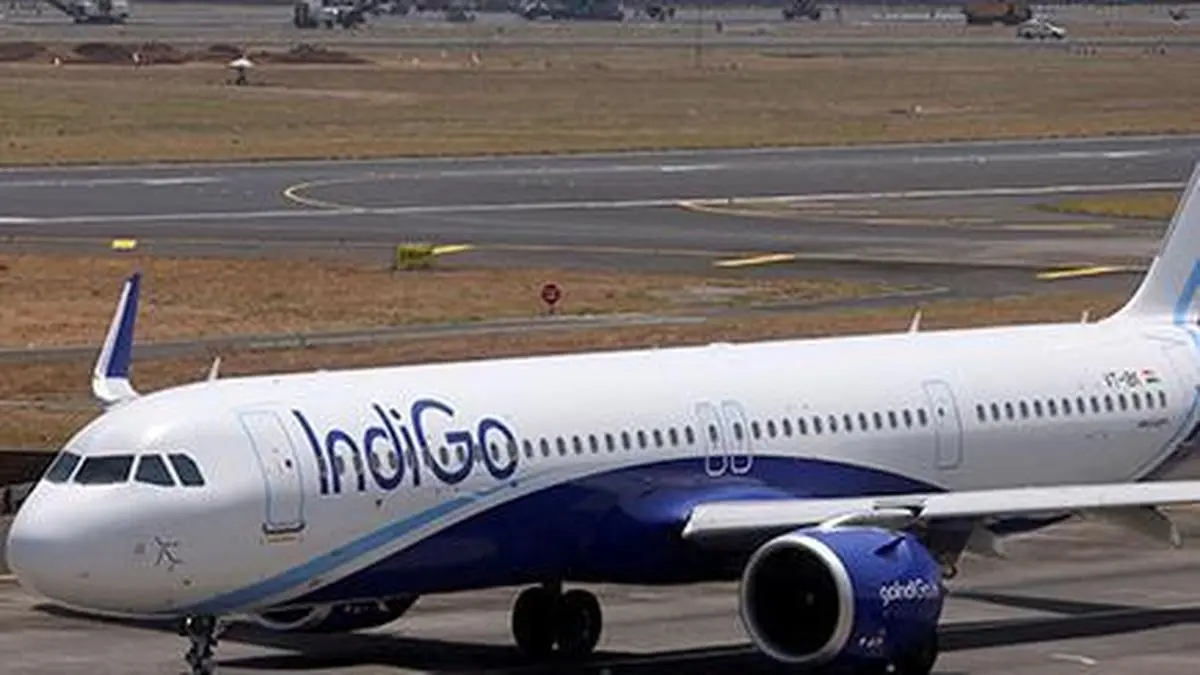
Broker’s Call: InterGlobe Aviation (Buy)

Broker’s Call: InterGlobe Aviation (Buy)


Target: ₹5,500

CMP: ₹4,194.10

The first ATF price revision after the start of the West Asia conflict saw high frenzy—OMCs (IOCL) initially hiked domestic/international rates by 115 per cent/107 per cent month on month to ₹207/$1.7 per litre, followed by the announcement of domestic scheduled airlines’ rate revision by only about 25 per cent to ₹105/litre. OMCs seem to have taken the hit for now.

Post this, Indigo has revised its fuel surcharge rates effective April 2, with domestic fares ranging from ₹275 to ₹950 for distances covering 0-500 km to over 2,000 km, with the average likely to be similar to the March 14 rate of about ₹400. However, international fuel surcharge is hiked materially, from ₹425-2,300 for the South Asia–Europe route to ₹900-10,000.

Based on Indigo’s average stage length, we estimate about a 20 per cent rise in the base fare/RASK vs a 50 per cent rise in blended fuel cost, with PBT spreads improving from pre-conflict levels; this can offset the slowdown in pax volumes and RPK (13-14 per cent of ASK deployed in the conflict-hit Gulf).

While earnings visibility is low amid the current macro volatility, we cut FY26/27/28E EPS by 13 per cent/28 per cent/7 per cent and cut our TP by 13 per cent to ₹5,500 from ₹6,300, valuing the airline at 20x March 2028E EPS. Given Indigo’s dominant position in India’s aviation market and the past precedence of emerging stronger from a crisis situation (Covid, Russia-Ukraine war) and with leadership largely in place, maintain BUY on the stock.

Published on April 2, 2026


Source link

ईरान युद्ध: जयपुर में लुब्रिकेंट्स के दाम 40% तक उछले, वाहनों की सर्विसिंग हुई महंगी

ईरान युद्ध: जयपुर में लुब्रिकेंट्स के दाम 40% तक उछले, वाहनों की सर्विसिंग हुई महंगी


Middle East War Impact: मिडिल ईस्ट में चल रहे युद्ध का असर न सिर्फ लोगों के कारोबार पर पड़ रहा है, बल्कि हमारी आपकी जेब पर भी सीधे तौर पर पड़ना शुरू हो गया है. युद्ध की वजह से कच्चे तेल का आयात काफी कम हो गया है, लिहाजा इससे तैयार होने वाले लुब्रिकेंट्स यानी वाहनों और इंडस्ट्रीज समेत दूसरी मशीनों में इस्तेमाल होने वाले तमाम तरह के आयल और ग्रीस का उत्पादन घट गया है.

इसका सीधा प्रभाव ल्यूब्रिकेंट्स आइटम्स की कीमतों पर पड़ने लगा है. जयपुर समेत में कई दुकानदारों ने युद्ध की वजह से कीमतें बढ़ने के पोस्टर भी अपनी दुकानों पर लगा दिए हैं. एक दुकान पर तो पोस्टर पर बेहद भावुक संदेश लिखा गया हैं.

कीमतों में भारी बढ़ोतरी 

पिंक सिटी जयपुर की बात की जाए तो यहां ल्युब्रिकेंट्स आइटम्स के दाम 35 से 40 फीसदी तक बढ़ गए हैं. इंजन, मोबिल और गियर आयल के साथ ही ग्रीस व दूसरे आइटम्स के दाम बढ़ने से अब दो पहिया और चार पहिया वाहनों की सर्विसिंग भी महंगी हो गई है. वाहनों की सर्विसिंग महंगी होने का सीधा असर आम आदमी की जेब पर पड़ना शुरू हो गया है. 

क्यों बढ़ रहे हैं दाम?

दरअसल वाहनों, इंडस्ट्रियल फैक्टरीज और दूसरी मशीनों में घर्षण और हीटिंग को कम करने के लिए कई तरह के आयल, ग्रीस और दूसरे ल्यूब्रिकेंट्स आइटम्स का इस्तेमाल किया जाता है. यह सभी कच्चे तेल से तैयार किए जाते हैं. ज्यादातर कच्चा तेल मिडल ईस्ट और खाड़ी के देशों से आता है. युद्ध की वजह से कच्चे तेल का आयात कम हुआ तो भारत में इसका उत्पादन घटने लगा. कुछ जगहों पर कालाबाजारी के लिए स्टॉक को डंप किए जाने की भी आशंका है. 

इसका यह नतीजा यह हुआ कि महीने भर में ही ल्यूब्रिकेंट्स आइटम्स के दाम 35 से 40 फ़ीसदी तक बढ़ गए हैं. दाम बढ़ने की वजह से इनकी बिक्री भी प्रभावित हुई है. करीब 40 फ़ीसदी तक बिक्री कम हो गई है. सबसे खराब असर वाहनों में इस्तेमाल होने वाले लुब्रिकेंट्स पर पड़ा है. 

दुकानदारों की मजबूती और ग्राहकों की परेशानी 

जयपुर शहर के 22 गोदाम इलाके में दुकान चलाने वाले राजेंद्र लखानी ने अपनी दुकान पर पोस्टर लगा रखे हैं. हाथ से ही तैयार किए गए इस पोस्टर में साफ़ तौर पर कहा गया है कि ईरान इजरायल और अमेरिका में छेड़ युद्ध की वजह से कीमतें बढ़ गई है. इस वजह से उन्हें मजबूरी में ज्यादा दाम पर सामान बेचना पड़ रहा है. 

पोस्टर में भावुक संदेश लिखा गया है कि वह ग्राहक को अपना भगवान मानते हैं. उसे कतई नाराज नहीं करना चाहते हैं, लेकिन युद्ध की वजह से ज्यादा दाम पर सामान बेचना उनकी मजबूरी है. पोस्टर पर लिखा भावुक संदेश मन को छू लेने वाला है. वाहनों की सर्विसिंग के लिए आयल और दूसरे आइटम्स खरीदने के लिए आने वाले लोगों का कहना है कि अगर सर्विसिंग में इस्तेमाल होने वाले सामान ही महंगे मिलेंगे तो सर्विसिंग का कुल खर्च बढ़ना स्वाभाविक है.


Source link

बड़ी राहत! प्लास्टिक से लेकर टेक्सटाइल तक, 30 जून तक इन उत्पादों की कस्टम ड्यूटी पर मिलेगी छूट

बड़ी राहत! प्लास्टिक से लेकर टेक्सटाइल तक, 30 जून तक इन उत्पादों की कस्टम ड्यूटी पर मिलेगी छूट


Show Quick Read

Key points generated by AI, verified by newsroom

Petrochemical Import Duty Cut: वैश्विक सप्लाई चेन में आ रही दिक्कतों और मिडिल ईस्ट में जारी तनाव को देखते हुए केंद्र सरकार ने एक अहम कदम उठाया है. वित्त मंत्रालय ने कुछ जरूरी पेट्रोकेमिकल उत्पादों पर 30 जून 2026 तक कस्टम ड्यूटी पूरी तरह हटाने का फैसला किया है.

इन उत्पादों का उपयोग प्लास्टिक, कपड़ा और दवा जैसे कई सेक्टर में होता है. इसलिए इस फैसले से कंपनियों की लागत कम होने की उम्मीद की जा रही है. जिसका सीधा फायदा आम लोगों को होगा. चीजों की कीमतें कम होने से राहत मिलने की उम्मीद है…

इन सेक्टर्स पर दिखेगा सीधा असर

सरकार के इस फैसले का सबसे बड़ा फायदा उन इंडस्ट्रीज को होगा, जहां पेट्रोकेमिकल उत्पाद कच्चे माल के रूप में इस्तेमाल किए जाते हैं. प्लास्टिक और पैकेजिंग सेक्टर में लागत घटने से उत्पादन बढ़ सकता है. वहीं फार्मा कंपनियों को भी राहत मिलेगी, क्योंकि कई दवाओं के निर्माण में इनका उपयोग होता है. जिससे दवाएं सस्ती हो सकती है. 

इसके अलावा टेक्सटाइल इंडस्ट्री में सिंथेटिक फाइबर और कपड़ों की लागत पर इस फैसले का असर होगा. ऑटोमोबाइल सेक्टर में प्लास्टिक और रबर पार्ट्स सस्ते बनने से मैन्युफैक्चरिंग खर्च घटेगा.

जिससे चीजों की कीमतें कम होगी. साथ ही केमिकल और अन्य मैन्युफैक्चरिंग यूनिट्स को भी इस कदम से काफी फायदा मिलने की उम्मीद है.

कई अहम केमिकल्स में दी गई राहत

सरकार ने जिन पेट्रोकेमिकल प्रोडक्ट्स पर छूट दी है, उनमें कई जरूरी इंडस्ट्रियल केमिकल शामिल हैं. इस लिस्ट में एनहाइड्रस अमोनिया, टोल्यून, स्टाइरीन, डाइक्लोरोमीथेन, विनाइल क्लोराइड मोनोमर, मेथनॉल, आइसोप्रोपाइल अल्कोहल, मोनोएथिलीन ग्लाइकोल और फिनोल जैसे पदार्थ शामिल हैं.

इसके अलावा एसिटिक एसिड, विनाइल एसीटेट मोनोमर, प्यूरीफाइड टेरेफ्थैलिक एसिड, अमोनियम नाइट्रेट, एथिलीन पॉलिमर, एपॉक्सी रेजिन, फॉर्मल्डिहाइड, यूरिया-फॉर्मल्डिहाइड और मेलामाइन-फॉर्मल्डिहाइड जैसे अन्य उत्पादों को भी इस छूट का फायदा मिलेगा.

आम लोगों तक पहुंचेगा राहत का असर

सरकार के अनुसार उद्योगों को मिली इस छूट का फायदा आखिरकार आम लोगों को मिलेगा. जब कंपनियों की उत्पादन लागत घटेगी, तो प्लास्टिक उत्पाद, कपड़े, दवाइयों और वाहनों जैसी चीजों की कीमतें कम होने की उम्मीद है. जिससे लोगों को फायदा पहुंच सकता हैं. 

यह भी पढ़ें: 6 साल में 3600% रिटर्न! इस शेयर से मालामाल हो गए निवेशक, ब्रोकरेज को 80% अपसाइड की उम्मीद


Source link

Eli Lilly’s Foundayo seen generating billions, challenging Novo’s Wegovy

Eli Lilly’s Foundayo seen generating billions, challenging Novo’s Wegovy


Eli Lilly’s newly approved weight-loss pill, Foundayo (orforglipron), is expected to generate billions in sales and emerge as a strong competitor to Novo Nordisk’s oral Wegovy.
| Photo Credit:
Antranik Tavitian

Eli Lilly’s newly approved weight-loss pill is expected to generate billions in sales as soon as this year, with analysts betting it will quickly narrow Novo Nordisk’s head start in the oral market.

Strong sales projections for new drug

Brokerages estimate 2026 sales of Lilly’s orforglipron, branded Foundayo, with the wide range reflecting both an expectation of strong demand and uncertainty around the early stages of the launch.

Among the more bullish forecasts on Wall Street is Bernstein, which estimates the drug could generate $2 billion to $2.5 billion in its first full year. Citi analysts are even more upbeat, projecting about $2.8 billion in 2026 revenue and seeing peak annual sales exceeding $40 billion.

More conservative estimates include those from Guggenheim Partners, which projects around $1.5 billion for 2026.

Competitive landscape shifts in obesity market

But, even at the lower end, the pill is expected to reshape the competitive landscape.

UBS estimates that Lilly’s drug and Novo’s oral version of Wegovy together will generate about $5 billion in 2026, signaling the emergence of a sizable new oral class.

Foundayo comes with easier manufacturing and fewer dosing restrictions, positioning it as a strong challenger to Novo.

Strong demand for oral options and scalability advantages could help Foundayo become the leading pill option, especially internationally, J.P. Morgan analysts said, forecasting sales to surge to $6 billion by 2027.

Launch dynamics and market outlook

However, early uptake may be tempered by launch dynamics.

Bernstein analysts noted that free sampling, lower initial dosing and pricing adjustments could weigh on near-term revenue even as prescription volumes ramp up. Weekly new-patient starts will be closely watched by the market as a key indicator of trajectory, they added.

The launch also comes as Novo’s oral Wegovy benefits from first-mover advantage and brand recognition, helping it capture early adopters in the market.

In the long term, analysts see oral drugs expanding the reach of obesity treatments. Morningstar estimates obesity pills could account for about a third of a projected $180 billion global market by 2034.

Published on April 2, 2026


Source link

BMW surges, Audi slumps as India’s luxury EV market splits in FY26

BMW surges, Audi slumps as India’s luxury EV market splits in FY26


 BMW India more than doubled its EV sales to 3,537 units in FY26

India’s luxury passenger EV market is splitting sharply in FY26, with BMW scaling to record highs even as Audi’s volumes have collapsed, exposing a widening gap in how automakers are executing their electric strategies, industry observers said.

The sharp change in the numbers as seen on the Vahan portal shows BMW India more than doubled its EV sales to 3,537 units in FY26, up from 1,580 units a year earlier, lifting its market share to a commanding 65 per cent from 47 per cent.

In contrast, Audi’s volumes fell sharply to just 17 units from 131 in FY25, marking one of the steepest declines in the segment.

The contrast, in many ways, captures the rise of BMW and the fall of Audi in India’s luxury EV market, analysts said.

The gap with other competitors has also widened. Mercedes-Benz India, the segment’s traditional leader in overall luxury vehicles, saw its EV sales decline 10 per cent on-year to 1,047 units, with its market share dropping to 19 per cent from 34 per cent.

The decline reflects a combination of supply constraints and pricing pressures. Industry observers said a shift in buyer preference at the top end, where diesel-powered models continue to dominate, has also limited the addressable market for high-end EVs.

Entry-level iX1

In contrast, BMW has been able to drive EV volumes through competitively priced entry-level offerings such as the iX1, which accounts for a significant share of its sales. Analysts said BMW’s ability to position EVs closer to their internal combustion counterparts has reduced the friction for first-time luxury EV buyers.

Volvo, the third-largest player, reported a 5 per cent decline in EV volumes to 382 units, with its share slipping to 7 per cent from 12 per cent. While the XC40 Recharge continues to perform steadily, industry observers said the brand is facing increasing competition from newer and more aggressively positioned offerings.

Tesla, entering the market with 342 units, has emerged as a new disruptor. While still in a limited rollout phase, its tech-first positioning is drawing interest from buyers, particularly those considering premium EVs from traditional luxury marques, analysts said.

Winner-takes-most

Taken together, the data suggest the market is not expanding evenly but tilting towards a winner-takes-most dynamic, where early scale advantages are translating into disproportionate gains, analysts said.

BMW’s outperformance is not accidental. Analysts point to its “power of choice” strategy — offering petrol, diesel, and electric powertrains on shared platforms — as a key advantage, allowing it to scale EV volumes in line with demand without overcommitting to a single architecture.

This has been supported by local assembly and aggressive pricing, which have helped narrow the gap between internal combustion and electric models. Entry-level products such as the iX1 have lowered the barrier for entry, while a broad portfolio spanning entry-level SUVs to flagship limousines has enabled BMW to tap multiple customer segments, industry observers said.

Chauffeur-driven

At the top end, models such as the i7 are also seeing increasing traction, particularly among chauffeur-driven buyers, reflecting a gradual shift in usage patterns.

The divergence, therefore, is not just about demand, but about how effectively each automaker is translating strategy into scale. BMW has focused on localisation, pricing, and portfolio breadth, while competitors are balancing premium positioning with the need to build EV volumes, analysts said.

Yet, the broader luxury car market tells a different story. Mercedes-Benz retained its leadership in total passenger vehicle sales with 18,145 units in FY26, while BMW ranked second with 17,299 units, highlighting a structural shift as EVs begin to reshape competitive dynamics.

EV penetration within the luxury segment remains modest at 2.71 per cent, down from 3.08 per cent a year earlier, indicating that the transition is still at an early stage, infomed sectorial experts.

Published on April 2, 2026


Source link

YouTube
Instagram
WhatsApp