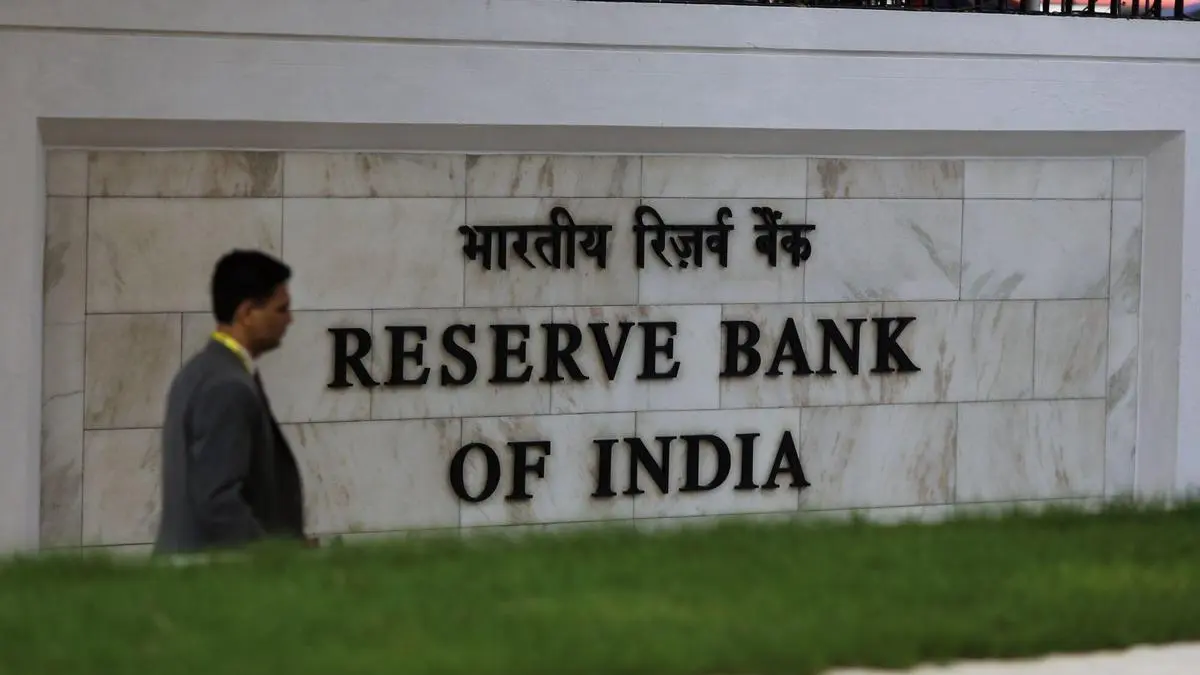
Why RBI is clamping down on FX arbitrage

Why RBI is clamping down on FX arbitrage


India’s central bank has activated crisis-era measures to support the rupee, which has fallen to an all-time low as oil prices soared ​and foreign investors pulled money out at a record pace.

Amid the strain, the Reserve Bank of ‌India (RBI) has stepped in to curb speculative activity via arbitrage trades.

Here is ​what the central bank is trying to achieve through its measures.

What has the RBI done?

The RBI has announced two rounds of measures to support the rupee.

Last Friday, the RBI capped the net open rupee position of banks at $100 million compared with its earlier rule where positions equivalent ‌to 25 per cent of capital were permitted. A few days later, on Wednesday, it said banks can’t offer rupee non-deliverable forwards to resident and non-resident clients.

What are the reasons behind the move?

The RBI’s moves followed a near 4% depreciation ‌in ⁠the rupee in March, over and above an about 4% depreciation in the ⁠prior 12 months.

While some of the declines were due to weakening external fundamentals – foreign outflows and higher oil prices – a popular arbitrage trade had added to the pressure on the currency.

This so-called rupee basis trade involved profiting from differences ​between rupee forward rates onshore and ‌in the NDF market.

The trade itself is relatively straightforward. When NDFs imply a weaker rupee than onshore markets, traders can arbitrage the gap by selling dollars in the NDF market while buying dollars onshore.

This adds to dollar demand in an already strained local market and ‌accelerates the fall in the rupee. It also dulls the impact of FX ​market interventions by the central bank and puts more pressure on its forex reserves.

How large is the arbitrage trade?

Bankers estimate that across state-run, ⁠private and foreign lenders, banks had built up positions of about $30 billion to $40 billion with a significant chunk of the activity occurring since the Iran war broke out.

Do the rules amount to capital controls?

Not really. No additional restriction has been imposed on withdrawing capital from India.

What the steps do mean is that banks and corporates will only be able to hedge genuine underlying exposures/dollar requirements while making it significantly harder for both to put on large speculative wagers on the currency.

What does this mean for corporates and banks?

The moves could leave banks saddled with chunky losses as they rush to unwind arbitrage positions, an objective made ‌even costlier by the central bank’s decision to bar lenders from offering corporates NDF contracts.

The cost of cutting ​positions to RBI levels largely depends on the spread between the onshore market and the offshore NDF. A wider spread raises the cost of unwinding positions, ⁠and consequently, increases losses.

The move has also led to a sharp rise in hedging costs for overseas ⁠investors who typically rely on NDFs to hedge currency risk.

What does this mean for the rupee?

The rupee is expected to benefit from the measures as ‌the unwinding of arbitrage positions would spark a bout of heavy dollar sales in the onshore market.

The flip-side, though, is that the measures could create a disconnect between the ​onshore and NDF market while also denting the central bank’s previous efforts to integrate the two markets.

Published on April 2, 2026


Source link

ऐतिहासिक स्तर पर पहुंचा GST कलेक्शन, पहली बार ₹2 लाख करोड़ के पार, जानें इसके मायने

ऐतिहासिक स्तर पर पहुंचा GST कलेक्शन, पहली बार ₹2 लाख करोड़ के पार, जानें इसके मायने


Show Quick Read

Key points generated by AI, verified by newsroom

GST Collection March 2026: वैश्विक स्तर पर चल रही अनिश्चितता के बीच भारत के लिए एक अच्छी खबर सामने आई है. मार्च 2026 में सकल माल एवं सेवा कर (GST) कलेक्शन में 9 फीसदी की शानदार वृद्धि दर्ज की गई है. इस उछाल के साथ ही मासिक राजस्व 2 लाख करोड़ रुपये के महत्वपूर्ण स्तर को पार कर गया है. वित्त वर्ष 2025-26 में यह तीसरा मौका है, जब कलेक्शन इस स्तर पर पहुंचा है.

ताजा आंकड़ों के मुताबिक, मार्च में कुल जीएसटी कलेक्शन ₹2,00,344 करोड़ रहा. इस वृद्धि में सबसे बड़ी भूमिका आयात की रही, जिससे प्राप्त राजस्व 17.8 प्रतिशत बढ़कर 53,861 करोड़ रुपये हो गया. वहीं, घरेलू मोर्चे पर भी 5.9 प्रतिशत की बढ़ोतरी के साथ 1.46 लाख करोड़ रुपये से अधिक का राजस्व मिला.

कर कटौती के बाद भी बढ़ा राजस्व

दिलचस्प बात यह है कि सरकार द्वारा सितंबर 2025 में जीएसटी दरों में बड़े बदलाव किए गए थे. लगभग 375 वस्तुओं पर टैक्स कम कर दिया गया और कर स्लैब को सरल बनाकर मुख्य रूप से 5% और 18% की श्रेणियों में सीमित कर दिया गया. शुरुआत में नवंबर में राजस्व गिरकर 1.70 लाख करोड़ रुपये रह गया था, लेकिन उसके बाद से इसमें लगातार रिकवरी देखी गई है.

पूरे साल का लेखा-जोखा

वित्त वर्ष 2025-26 भारत के लिए ऐतिहासिक रहा है. पूरे साल का कुल जीएसटी राजस्व 8.3 प्रतिशत की वृद्धि के साथ 22.27 लाख करोड़ रुपये के पार निकल गया. अप्रैल 2025 में अब तक का सर्वाधिक ₹2.36 लाख करोड़ का कलेक्शन हुआ था.

जीएसटी कलेक्शन में महाराष्ट्र सबसे आगे

राज्यों की बात करें तो जीएसटी कलेक्शन में महाराष्ट्र का योगदान सबसे ज्यादा रहा, जहां से करीब 0.13 लाख करोड़ रुपये जमा हुए. इसके अलावा कर्नाटक और गुजरात से भी सरकार को अच्छा कलेक्शन मिला. जिससे कुल जीएसटी आंकड़ों को मजबूती मिली है. मार्च 2026 के दौरान आंध्र प्रदेश में नेट जीएसटी कलेक्शन में 10 फीसदी की बढ़ोतरी दर्ज की गई है.

आम लोगों के लिए इसके क्या मायने हैं?

आसान भाषा में बताएं तो रिकॉर्ड जीएसटी कलेक्शन के कई मायने हैं. कर दरों में कटौती और स्लैब को सरल (5% और 18%) करने के बावजूद जीएसटी कलेक्शन का ₹2 लाख करोड़ के पार जाना भारतीय अर्थव्यवस्था की मजबूती और बेहतर कर अनुपालन को दर्शाता है. आयात में 17.8% की भारी वृद्धि यह बताती है कि देश की औद्योगिक और व्यापारिक गतिविधियां तेज हैं, जबकि घरेलू बिक्री में स्थिरता उपभोक्ताओं के भरोसे का प्रतीक है.

कुल मिलाकर यह वृद्धि सरकार के राजकोष को मजबूती प्रदान करती है, जिससे विकास कार्यों के लिए बजट की कमी नहीं होगी और यह सिद्ध होता है कि कम टैक्स दरों के बावजूद व्यापार बढ़ने से सरकारी खजाना ज्यादा तेजी से भर सकता है.

डेलॉयट इंडिया के एम. एस. मणि के अनुसार, ये आंकड़े मजबूत उपभोक्ता मांग को दर्शाते हैं. हालांकि, ईवाई इंडिया के सौरभ अग्रवाल ने आगाह किया है कि वैश्विक चुनौतियों और महंगाई के कारण भविष्य में मांग पर असर पड़ सकता है. विशेषज्ञों का मानना है कि राज्यों में महाराष्ट्र और कर्नाटक जैसे बड़े राज्य वृद्धि की अगुवाई कर रहे हैं, जिससे देश की राजकोषीय स्थिति और मजबूत होगी.

यह भी पढ़ें: Gold Silver Price Today: युद्ध के साये में सोने-चांदी की चमक हुई फीकी, सोना 3200 रुपये टूटा; चांदी ₹11,900 लुढ़की


Source link

मुंबई में घर खरीदने की मची होड़! मार्च में टूटा 14 साल का रिकॉर्ड, भरी सरकार की तिजोरी

मुंबई में घर खरीदने की मची होड़! मार्च में टूटा 14 साल का रिकॉर्ड, भरी सरकार की तिजोरी


Mumbai Real Estate Sector News: मुंबई के रियल एस्टेट सेक्टर ने मार्च 2026 में अपनी मज़बूत रफ़्तार जारी रखी. रजिस्ट्रेशन में साल-दर-साल बढ़ोतरी हुई और स्टैंप ड्यूटी कलेक्शन में भी तेज़ी से उछाल आया, जो ज़्यादा कीमत वाले घरों की बढ़ती मांग को दिखाता है. नाइट फ्रैंक इंडिया के शेयर किए गए डेटा के मुताबिक, महाराष्ट्र के रजिस्ट्रेशन और स्टैंप विभाग के दर्ज किए गए रजिस्ट्रेशन से पता चला कि मार्च 2026 में BMC के अधिकार क्षेत्र में 15,516 से ज़्यादा प्रॉपर्टी रजिस्ट्रेशन हुए. यह पिछले 14 सालों में मार्च महीने के लिए सबसे ज़्यादा आंकड़ा था.

इसे फरवरी 2026 में देखी गई ज़बरदस्त बढ़ोतरी से भी समर्थन मिला, जिसमें रजिस्ट्रेशन और स्टैंप ड्यूटी कलेक्शन दोनों में साल-दर-साल बढ़ोतरी हुई थी. संयोग से, जनवरी में रिहायशी यूनिट्स (15,771 यूनिट्स) की लॉन्चिंग में साल-दर-साल 11 प्रतिशत की गिरावट देखी गई थी. “मुंबई के रिहायशी बाज़ार ने मार्च 2026 में रजिस्ट्रेशन के साथ एक उल्लेखनीय बढ़ोतरी दिखाई है.

इन रजिस्ट्रेशन ने पिछले साल के पहले से ही ऊंचे आधार को पार करते हुए, एक दशक से ज़्यादा समय में मार्च महीने का सबसे मज़बूत प्रदर्शन दर्ज किया है. यह बढ़ोतरी शहर में अंतिम-उपभोक्ता की मांग की गहराई को दोहराती है, जिसे स्थिर आर्थिक स्थितियों और खरीदारों के लगातार भरोसे से समर्थन मिला है.

मिडिल क्लास की बढ़ती मांग से मजबूत हो रहा रियल एस्टेट बाजार

यह रफ़्तार खास तौर पर मध्यम-आय वर्ग में साफ़ दिखाई देती है, जहां घर खरीदने के इच्छुक लोग आसानी से मिलने वाली कीमतों के दायरे में बेहतर गुणवत्ता वाले घरों में अपग्रेड कर रहे हैं. जहां स्टैंप ड्यूटी कलेक्शन में उतार-चढ़ाव टिकट साइज़ के मिश्रण में बदलाव को दिखाते हैं, वहीं लेन-देन की मात्रा में लगातार बढ़ोतरी एक संरचनात्मक रूप से स्वस्थ बाज़ार को उजागर करती है.

नाइट फ्रैंक इंडिया के इंटरनेशनल पार्टनर, चेयरमैन और मैनेजिंग डायरेक्टर शिशिर बैजल ने कहा, ”हमें उम्मीद है कि मांग पर आधारित यह रुझान निकट भविष्य में भी जारी रहेगा, जिसे अनुकूल बुनियादी बातों और एक रिहायशी जगह के तौर पर मुंबई की स्थायी अपील से बल मिलेगा.”

रजिस्ट्रेशन में उछाल, मिड-रेंज प्रॉपर्टी की बढ़ी हिस्सेदारी

फरवरी 2026 की तुलना में रजिस्ट्रेशन में 19 प्रतिशत की बढ़ोतरी हुई है, जबकि स्टैंप ड्यूटी कलेक्शन में महीने-दर-महीने आधार पर 32 प्रतिशत की तेज़ी से बढ़ोतरी हुई है. स्टैंप ड्यूटी कलेक्शन लगभग 1,492 करोड़ रुपये तक पहुंच गया. सालाना आधार पर, प्रॉपर्टी रजिस्ट्रेशन स्थिर रहा, जबकि मार्च 2025 की तुलना में स्टैंप ड्यूटी कलेक्शन में 6 प्रतिशत की गिरावट आई. यह अंतर इस बात का संकेत है कि मांग में कमी के बजाय, लेन-देन के तरीके में बदलाव हो रहा है.

इस बंटवारे पर करीब से नज़र डालने पर पता चलता है कि रुझान मध्यम-आय वर्ग की ओर बढ़ रहा है. मार्च 2026 में, 1 करोड़ रुपये से 2 करोड़ रुपये के बीच की कीमत वाली प्रॉपर्टीज़ का कुल रजिस्ट्रेशन में 38 प्रतिशत हिस्सा था. यह पिछले साल की तुलना में 32 प्रतिशत की बढ़ोतरी है. हालांकि, 1 करोड़ रुपये से कम कीमत वाले घरों का हिस्सा 46 प्रतिशत से घटकर 39 प्रतिशत रह गया है. दूसरी ओर, इस बाज़ार में ज़्यादा कीमत वाला सेगमेंट 2 करोड़ रुपये से 5 करोड़ रुपये और उससे ऊपर स्थिर बना रहा.


Source link

युद्ध के साये में सोने-चांदी की चमक हुई फीकी, सोना 3200 रुपये टूटा; चांदी ₹11,900 लुढ़की

युद्ध के साये में सोने-चांदी की चमक हुई फीकी, सोना 3200 रुपये टूटा; चांदी ₹11,900 लुढ़की


Show Quick Read

Key points generated by AI, verified by newsroom

Gold Silver Price Today: घरेलू फ्यूचर मार्केट में गुरुवार, 2 अप्रैल को सोने-चांदी की कीमतों में जोरदार गिरावट देखने को मिल रही है. सोने-चांदी दोनों के दाम टूट गए हैं. खबर लिखे जाने तक मल्टी कमोडिटी एक्सचेंज (MCX) पर 5 जून, 2026 का एक्सपायरी वाला गोल्ड फ्यूचर वायदा करीब 3,200 रुपये की गिरावट के साथ ट्रेड कर रहा था.

एमसीएक्स पर गोल्ड वायदा 1,52,490 रुपये (प्रति 10 ग्राम) पर ओपन हुआ. इसके आखिरी कारोबारी दिन एमसीएक्स पर सोना 1,53,708 रुपये पर ट्रेड करते हुए बंद हुआ था.

सुबह करीब 9:55 बजे, गोल्ड वायदा 2.09 प्रतिशत की गिरावट के साथ 1,50,495 रुपये पर ट्रेड कर रहा था. गोल्ड फ्यूचर वायदा शुरुआती कारोबार में 1,52,490 रुपये के हाई लेवल पर पहुंचा था. आइए जानते हैं आज आपको इन बहुमूल्य धातुओं को खरीदने के लिए कितना पैसा खर्च करना होगा.

चांदी की कीमत

एमसीएक्स पर 5 मई 2026 का एक्सपायरी वाला सिल्वर 4.90 फीसदी या करीब 11,900 रुपये की गिरावट के साथ 2,43,501 रुपये (प्रति किलो) पर ट्रेड कर रहा था. चांदी ने कारोबारी दिन की शुरुआत 2,42,800 रुपये पर की थी. दिन के कारोबार के दौरान चांदी का हाई लेवल 2,42,800 रुपये था.

दिल्ली में 10 ग्राम चांदी आज 2,551 रुपये की दर पर बिक रहा है. वहीं, 100 ग्राम चांदी खरीदने के लिए ग्राहकों को 25,510 रुपये खर्च करने होंगे. चेन्नई में 10 ग्राम चांदी की कीमत 2,550 रुपये चल रही है. मुंबई और कोलकाता में 10 ग्राम चांदी खरीदने के लिए 2,500 रुपये खर्च करने होंगे.

आपके शहर में सोने का भाव (गुड रिटर्न के अनुसार)

दिल्ली में सोने के दाम  (प्रति 10 ग्राम)

24 कैरेट – 1,53,110 रुपए
22 कैरेट – 1,40,360 रुपए
18 कैरेट – 1,14,870 रुपए

मुंबई में सोने के दाम  (प्रति 10 ग्राम)

24 कैरेट – 1,52,960 रुपए
22 कैरेट – 1,40,210 रुपए
18 कैरेट – 1,14,720 रुपए

चेन्नई में सोने के दाम (प्रति 10 ग्राम)

24 कैरेट – 1,53,280 रुपए
22 कैरेट – 1,40,510 रुपए
18 कैरेट – 1,17,110 रुपए

कोलकाता में सोने के दाम  (प्रति 10 ग्राम)

24 कैरेट – 1,52,960 रुपए
22 कैरेट – 1,40,210 रुपए
18 कैरेट – 1,14,720 रुपए

अहमदाबाद में सोने के दाम  (प्रति 10 ग्राम)

24 कैरेट – 1,53,010 रुपए
22 कैरेट – 1,40,260 रुपए
18 कैरेट – 1,14,770 रुपए

लखनऊ में सोने के दाम  (प्रति 10 ग्राम)

24 कैरेट – 1,53,110 रुपए
22 कैरेट – 1,40,360 रुपए
18 कैरेट – 1,14,870 रुपए

पटना में सोने के दाम  (प्रति 10 ग्राम)

24 कैरेट – 1,53,010 रुपए
22 कैरेट – 1,40,260 रुपए
18 कैरेट – 1,14,770 रुपए

हैदराबाद में सोने के दाम  (प्रति 10 ग्राम)

24 कैरेट – 1,51,420 रुपए
22 कैरेट – 1,38,800 रुपए
18 कैरेट – 1,13,570 रुपए

यह भी पढ़ें: Stock Market 2 April: शेयर बाजार में भूचाल, सेंसेक्स 1417 अंक टूट; निफ्टी भी टमाटर की तरह लाल


Source link

Crude oil futures rise 6% after Trump’s threats against Iran

Crude oil futures rise 6% after Trump’s threats against Iran


Crude oil futures traded higher on Thursday morning after US President Donald Trump warned that US forces would ‘target Iran very hard’ and could bring the country back to ‘the stone ages’.

At 9.58 am on Thursday, June Brent oil futures were at $107.49, up by 6.26 per cent, and May crude oil futures on WTI (West Texas Intermediate) were at $105.37, up by 5.24 per cent. April crude oil futures were trading at ₹9865 on Multi Commodity Exchange (MCX) during the initial hour of trading on Thursday against the previous close of ₹9253, up by 6.61 per cent, and May futures were trading at ₹9125 against the previous close of ₹8539, up by 6.86 per cent.

In a televised speech, Trump said, “We are going to hit them extremely hard over the next two to three weeks. We’re going to bring them back to the Stone Ages, where they belong. In the meantime, discussions are ongoing. Regime change was not our goal. We never said regime change, but regime change has occurred because of all of their original leaders’ death. They’re all dead. The new group is less radical and much more reasonable. Yet if during this period of time no deal is made, we have our eyes on key targets. If there is no deal, we are going to hit each and every one of their electric generating plants very hard and probably simultaneously. We have not hit their oil, even though that’s the easiest target of all, because it would not give them even a small chance of survival or rebuilding. But we could hit it and it would be gone. And there’s not a thing they could do about it.”

Taking a dig at the Western nations for not supporting him in this war, he said, “So to those countries that can’t get fuel, many of which refuse to get involved in the decapitation of Iran — we had to do it ourselves — I have a suggestion. No. 1, buy oil from the United States of America. We have plenty. We have so much. And No. 2, build up some delayed courage. Should have done it before. Should have done it with us as we asked. Go to the straight and just take it, protect it, use it for yourselves. Iran has been essentially decimated. The hard part is done, so it should be easy.”

He said that the core strategic objectives of Operation Epic Fury are nearing completion.

Meanwhile, petroleum status report by the US EIA (Energy Information Administration) showed an increase in US crude oil inventories for the week ending March 27.

According to EIA, US commercial crude oil inventories increased by 5.5 million barrels for the week ending March 27. Total motor gasoline inventories decreased by 0.6 million barrels from last week, and distillate fuel inventories decreased by 2.1 million barrels last week.

Total products supplied in the US over the last four-week period averaged 20.9 million barrels per day. Over the past four weeks, motor gasoline product supplied averaged 8.9 million barrels per day, and distillate fuel product supplied averaged 4 million barrels per day over the past four weeks.

April natural gas futures were trading at ₹271.20 on MCX during the initial hour of trading on Thursday against the previous close of ₹265.40, up by 2.19 per cent.

On the National Commodities and Derivatives Exchange (NCDEX), April guargum contracts were trading at ₹10650 in the initial hour of trading on Thursday against the previous close of ₹10725, down by 0.70 per cent.

April turmeric (farmer polished) futures were trading at ₹15346 on NCDEX in the initial hour of trading on Thursday against the previous close of ₹15532, down by 1.20 per cent.

Published on April 2, 2026


Source link

Q4 Business Updates Live: Indian Bank, Karnataka Bank, TMB, KVB, Dhanlaxmi Bank, IREDA, V-Mart Retail, V2 Retail shares in focus after Q4 business update

Q4 Business Updates Live: Indian Bank, Karnataka Bank, TMB, KVB, Dhanlaxmi Bank, IREDA, V-Mart Retail, V2 Retail shares in focus after Q4 business update


Two investors are working together with analyzing the stock data graphs in the paper and viewing the data on the laptop screen. istock photo for BL
| Photo Credit:
wutwhanfoto

4 Business Updates Live, April 02: Investors are closely tracking a range of banking and retail stocks following the release of their Q4 business updates, with key players such as Indian Bank, Karnataka Bank, Tamilnad Mercantile Bank (TMB), Karur Vysya Bank (KVB), Dhanlaxmi Bank, IREDA, V-Mart Retail and V2 Retail coming into focus.

  • April 2, 2026 09:56

    V-Mart Retail Q4 business updates live: Shares rally 13%

    Shares of V-Mart Retail rallied 13% to Rs 547 on the NSE from the previous close of Rs 483.20. At 9.54 am, it traded at Rs 527.65.

    Total revenue from operations for the quarter stood at Rs. 971 Crores compared to Rs. 780 Crores in the corresponding quarter of the previous year, reflecting a year-on-year growth of +24%. The same store sales growth (SSSG) was +12% for the quarter (V-Mart at +12% & Unlimited at +9%) 

  • April 2, 2026 09:51

    JTL Industries Q4 business updates: Shares in focus

    JTL INDUSTRIES achieved its highest-ever quarterly sales volume of 1,23,262 MT in Q4 FY26, surpassing 81,885 MT in Q4 FY25 and 90,429 MT in Q3 FY26

    Shares traded at Rs 46.59 on the NSE, down 4%

  • April 2, 2026 09:50

    Dhanlaxmi Bank Q4 business updates live: Shares in red

    Dhanlaxmi Bank: Total deposits as of March 2025 was reported at Rs 16,013 crore compared to latest Rs 18,643 crore in March 2026 (provisional)

    Shares traded at Rs 22.05 on the NSE, down 2%

Published on April 2, 2026


Source link

YouTube
Instagram
WhatsApp