UK to ban cryptocurrency donations to political parties, says Keir Starmer

UK to ban cryptocurrency donations to political parties, says Keir Starmer


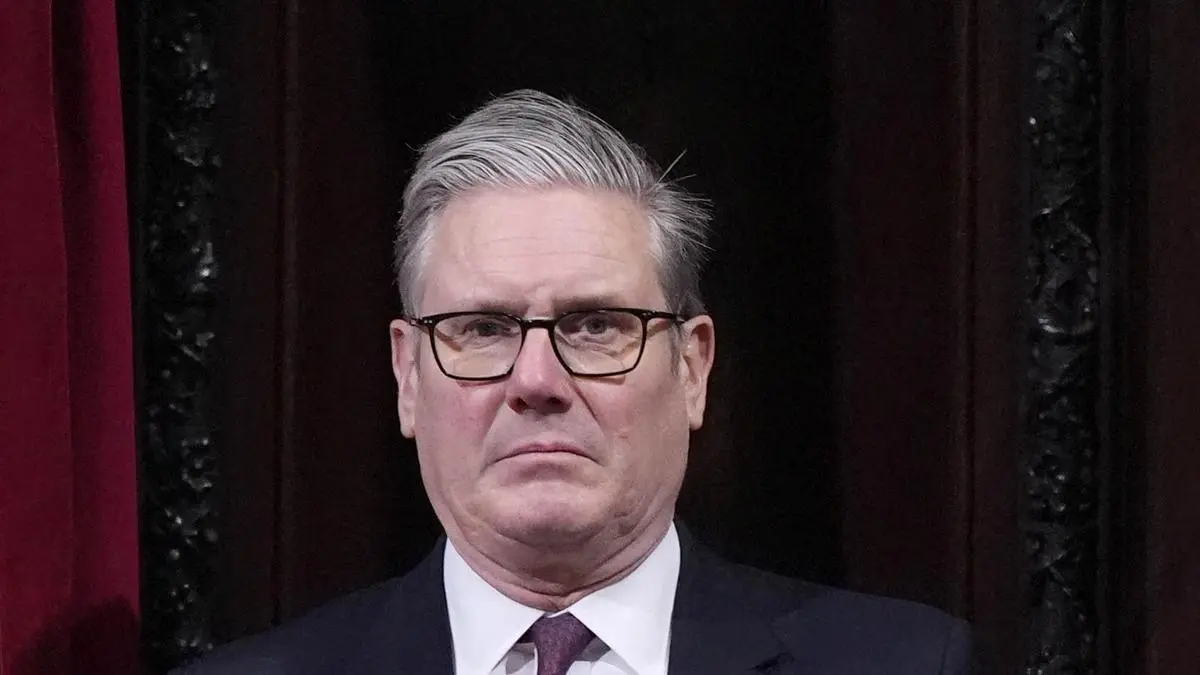
Britain’s Prime Minister Keir Starmer said the move aims to safeguard democracy, with the ban set to be backdated once approved by Parliament.
| Photo Credit:
Jordan Pettitt

British political parties will be banned from accepting donations in cryptocurrencies, Prime Minister Keir Starmer announced Wednesday, saying illicit finance poses a “stark” danger to the country’s democracy.

Starmer told lawmakers that “we will act decisively to protect our democracy” from outside meddling. “That will include a moratorium on all political donations made through cryptocurrencies,” he said during the weekly Prime Minister’s Questions session in the House of Commons.

The move could be a financial blow to the hard-right party Reform UK. The party led by Nigel Farage is one of the few in Britain to accept cryptocurrency donations.

The government also said it will put an annual cap of 100,000 pounds (USD 134,000) on donations by British voters living abroad. Reform has received 12 million pounds in the past year from Christopher Harborne, a British businessman based in Thailand, according to Electoral Commission figures.

Reform UK deputy leader Richard Tice said the government was trying “to stop the incredible progress of Reform.” The party holds just eight of the 650 seats in the House of Commons but consistently leads both Starmer’s governing Labour Party and the main opposition Conservatives in opinion polls.

Tice told broadcaster GB News that “cryptocurrencies are a perfectly legitimate way of investing, of earning within the law.” Britain has strict limits on how much political parties can spend on elections, but they can accept unlimited donations, as long as the donors are UK voters or companies registered in Britain.

In a report published Wednesday, former senior civil servant Philip Rycroft expressed concern that untraceable digital currency donations could be “used as the vehicle to channel foreign money into the political system in the UK.” The government ordered Rycroft to review foreign financial interference in politics in December after several high-profile incidents, including the jailing of former Reform UK politician Nathan Gill for taking bribes to make pro-Russian statements in the European Parliament.

Rycroft said that “the number of donations made in cryptoassets is currently unknown” and advised that crypto donations should be banned temporarily until regulation catches up with the technology.

The changes announced by Starmer must be approved by Parliament but will be backdated to take effect Wednesday, the government said.

Starmer’s centre-left government has previously introduced other measures it says will strengthen democracy, including tightening corporate donation rules for political parties and lowering the voting age from 18 to 16.

Published on March 26, 2026


Source link

फर्जी ऐप्स से निवेशकों को बचाने के लिए SEBI की पहल, जानिए कैसे करें असली की पहचान; धोखाधड़ी से

फर्जी ऐप्स से निवेशकों को बचाने के लिए SEBI की पहल, जानिए कैसे करें असली की पहचान; धोखाधड़ी से


Show Quick Read

Key points generated by AI, verified by newsroom

SEBI Verified App Label: मोबाइल ऐप के जरिए निवेश करना जितना आसान हुआ है, उतना ही धोखाधड़ी का खतरा भी बढ़ा है. इसी को ध्यान में रखते हुए SEBI (Securities and Exchange Board of India) ने निवेशकों की सुरक्षा के लिए एक नई पहल शुरू की है.

इसके तहत चेयरमैन तुहिन कांत पांडे ने वेरिफाइड ऐप लेबल लॉन्च किया है. जिसका उद्देश्य असली और नकली ऐप्स के बीच फर्क साफ करना है, ताकि लोग फर्जी प्लेटफॉर्म के जाल में फंसने से बच सकें. आइए जानते हैं, इस बारे में…

कैसे होगी असली ऐप की पहचान ?

सेबी इस नए पहल के तहत रजिस्टर्ड ब्रोकर्स के आधिकारिक ऐप्स पर गूगल प्ले स्टोर में एक खास वेरिफाइड बैज दिखाई देगा. जिससे यूजर्स आसानी से असली और नकली ऐप में फर्क कर सकेंगे.

सेबी की इस पहल के तहत अब तक 600 से ज्यादा ऐप्स को यह पहचान मिल चुकी है. साथ ही इसे आगे दूसरे फाइनेंशियल प्लेटफॉर्म्स तक भी बढ़ाने की योजना है.

निवेश से पहले ऐप की जांच जरूरी

निवेशकों को सतर्क रहने की सलाह देते हुए सेबी ने कहा है कि किसी भी ऐप पर भरोसा करने से पहले उसकी सही पहचान करना बेहद जरूरी है. फर्जी प्लेटफॉर्म न सिर्फ पैसे का नुकसान कर सकते हैं, बल्कि लोगों के भरोसे को भी नुकसान पहुंचाते हैं. 

देश में 14 करोड़ से ज्यादा निवेशक है और इनकी संख्या तेजी से बढ़ रही है. इस बढ़ते बाजार को देखते हुए सुरक्षा पर ध्यान देना अब पहले से कहीं ज्यादा जरूरी हो गया है.

सेबी ने पहले भी उठाए हैं कदम

निवेशकों की सुरक्षा के लिए सेबी पहले से ही कई कदम उठा चुका है. इसमें फर्जी कंटेंट को हटवाना, UPI वेरिफिकेशन सिस्टम लागू करना और विज्ञापनों पर नजर रखना जैसी पहल शामिल हैं.

जिससे ऑनलाइन धोखाधड़ी को कम किया जा सके. इसके साथ ही बीच-बीच में जागरूकता अभियान भी चलाए जाते हैं. ताकि लोगों को फर्जीवाड़े से बचाया जा सके. 

यह भी पढ़ें: राहत: रेटिंग एजेंसी S&P ने फाइनेंशियल ईयर 2026-27 के लिए भारत का ग्रोथ अनुमान बढ़ाकर किया 7.1 प्रतिशत


Source link

रेटिंग एजेंसी S&P ने फाइनेंशियल ईयर 2026-27 के लिए भारत का ग्रोथ अनुमान बढ़ाकर किया 7.1%

रेटिंग एजेंसी S&P ने फाइनेंशियल ईयर 2026-27 के लिए भारत का ग्रोथ अनुमान बढ़ाकर किया 7.1%


India’s Growth Rate: S&P Global Ratings ने आगामी वित्त वर्ष 2026-27 के लिए भारत की जीडीपी वृद्धि दर का अनुमान बढ़ाकर 7.1 प्रतिशत कर दिया है. एजेंसी के अनुसार, निजी खपत, निवेश और निर्यात इस वृद्धि के प्रमुख चालक होंगे. हालांकि, पश्चिम एशिया में जारी संघर्ष के चलते ऊर्जा कीमतों में बढ़ोतरी से वित्तीय स्थिति पर दबाव पड़ सकता है.

अपनी ताजा एशिया-प्रशांत आर्थिक रिपोर्ट में एजेंसी ने कहा कि बढ़ते भू-राजनीतिक तनाव और व्यापार संबंधी अनिश्चितताएं भारत पर वस्तुओं की कीमतों, व्यापार और पूंजी प्रवाह के माध्यम से असर डाल सकती हैं. अगर कच्चे तेल की कीमतें ऊंची बनी रहती हैं, तो ईंधन महंगा हो सकता है, हालांकि इसका पूरा असर उपभोक्ताओं तक पहुंचने की संभावना कम है.

7.1 प्रतिशत ग्रोथ का अनुमान

एजेंसी का अनुमान है कि 31 मार्च 2027 को समाप्त होने वाले वित्त वर्ष में वास्तविक जीडीपी वृद्धि 7.1 प्रतिशत रहेगी, जबकि 2025-26 में यह 7.6 प्रतिशत रह सकती है. मजबूत निजी खपत, निवेश में सुधार और निर्यात में मजबूती इसके मुख्य कारण होंगे. एसएंडपी ने 2025-26 के लिए वृद्धि अनुमान 0.4 प्रतिशत अंक और 2026-27 के लिए 0.2 प्रतिशत अंक बढ़ाया है.

महंगाई को लेकर एजेंसी का अनुमान है कि वित्त वर्ष 2026-27 में यह बढ़कर 4.3 प्रतिशत तक पहुंच सकती है. ऊंचे कच्चे तेल के दाम से व्यापार घाटा बढ़ने की आशंका है, हालांकि सेवाओं के निर्यात से चालू खाते के घाटे को नियंत्रित रखने में मदद मिल सकती है.

नीतिगत मोर्चे पर Reserve Bank of India के बारे में कहा गया है कि वह फिलहाल ब्याज दरों को स्थिर रख सकता है और ‘तटस्थ’ रुख अपनाए रखेगा. हालांकि, अगर तेल की कीमतें बहुत ज्यादा बढ़ती हैं, तो केंद्रीय बैंक को सख्त कदम उठाने पड़ सकते हैं.

घरेलू मांग कमजोर

रिपोर्ट में यह भी कहा गया है कि पश्चिम एशिया का संकट एशिया-प्रशांत क्षेत्र की अर्थव्यवस्थाओं को प्रभावित करेगा, क्योंकि ये देश ऊर्जा आयात पर निर्भर हैं. ऊंची ऊर्जा कीमतें लोगों की क्रय शक्ति को कम करती हैं और घरेलू मांग को कमजोर करती हैं. भारत समेत इंडोनेशिया, जापान, मलेशिया और थाईलैंड जैसे देशों में सब्सिडी का बोझ भी बढ़ सकता है.

एजेंसी के बेस केस के अनुसार, ब्रेंट क्रूड की कीमत अप्रैल-जून तिमाही में औसतन 92 डॉलर प्रति बैरल और 2026 में करीब 80 डॉलर प्रति बैरल रह सकती है. हालांकि, अगर आपूर्ति बाधित होती है और संकट गहराता है, तो यह कीमत जून तिमाही में 185 डॉलर प्रति बैरल और 2026 में 130 डॉलर तक जा सकती है. ऐसी स्थिति में महंगाई बढ़ने पर आरबीआई साल की दूसरी छमाही में 0.25 प्रतिशत तक ब्याज दर बढ़ा सकता है.

ये भी पढ़ें: एटीएम निकासी से आधार तक… 1 अप्रैल से होने जा रहे ये 5 बड़े बदलाव, जानें आप पर क्या होगा इसका असर


Source link

CCI clears MUFG’s ₹39,618 crore Shriram Finance deal, largest FDI in financial sector

CCI clears MUFG’s ₹39,618 crore Shriram Finance deal, largest FDI in financial sector


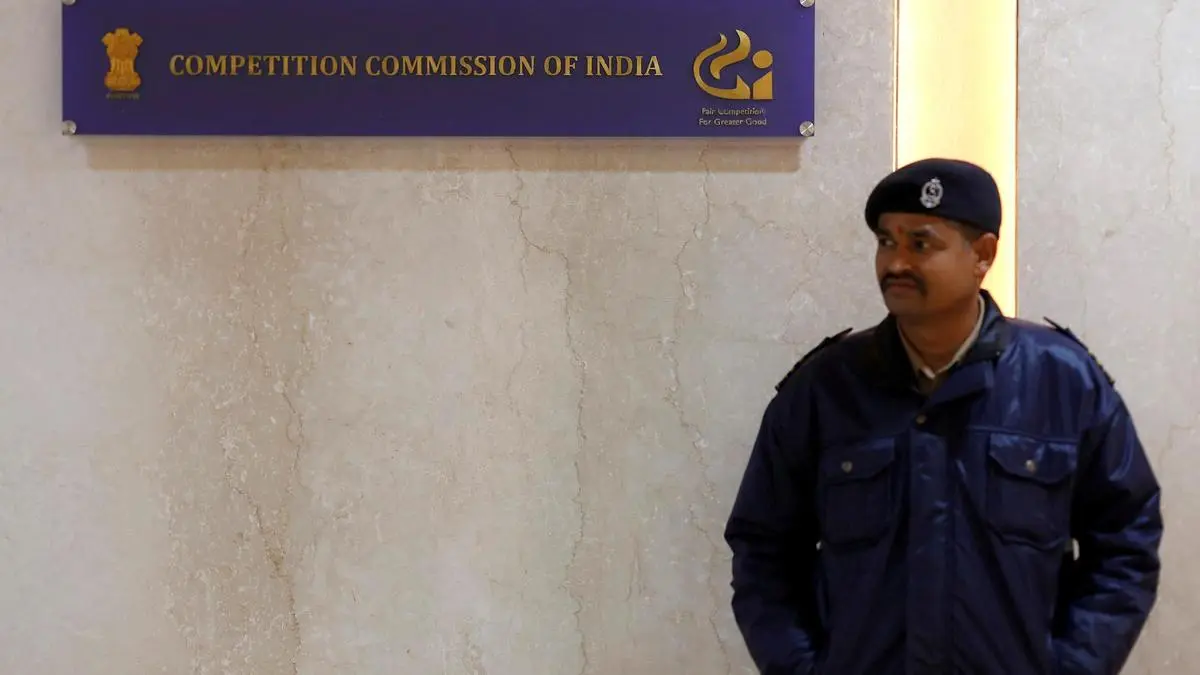
This could allow the company to compete more aggressively with banks such as HDFC Bank and ICICI Bank across MSME loans, gold finance, personal loans, and affordable housing
| Photo Credit:
ADNAN ABIDI

The Competition Commission of India (CCI) on Wednesday approved Mitsubishi UFJ Financial Group (MUFG) Bank’s ₹39,618 crore investment in Shriram Finance Ltd, clearing the final regulatory hurdle for what is set to be the largest foreign direct investment in India’s NBFC sector. The deal offers MUFG access to a massive rural network and secures capital to strengthen Shriram Finance’s balance sheet, creating a landmark valuation for NBFCs.

MUFG’s ₹39,618 crore ($4.4 billion) investment in Shriram Finance, acquiring a 20 per cent stake, is India’s largest financial sector FDI due to its immense scale and strategic focus on India’s retail/MSME lending market, surpassing the previous record of ₹26,853 crore for RBL Bank valuing the deal to be 47 per cent higher

The deal is expected to close by this April. Shriram Finance said in a regulatory filing that it had been informed of the approval on March 25.

“We have been informed by the investor that the Proposed Transaction has been approved by the Competition Commission of India (CCI) on March 25, 2026,” the company said in a regulatory filing to the exchanges.

The deal involves the preferential allotment of 47.11 crore shares at ₹840.93 apiece, giving Japan’s largest lender a 20 per cent stake in the country’s second-largest retail NBFC on a fully diluted basis.

The transaction, which has already received RBI and shareholder approvals, is expected to close in early April, subject to customary conditions.

The ₹39,618 crore infusion is expected to push Shriram Finance’s Tier-1 capital adequacy ratio from about 20 per cent to over 35 per cent, strengthening its balance sheet and lowering its cost of funds.

This could allow the company to compete more aggressively with banks such as HDFC Bank and ICICI Bank across MSME loans, gold finance, personal loans, and affordable housing. The stronger capital base also provides headroom to scale these businesses faster while accelerating its transition from an asset-backed “truck financier” to a data-led, cash-flow-based NBFC.

The partnership also positions it early in EV financing, especially in 3Ws and small commercial vehicles, combining local distribution with MUFG’s green finance expertise.

For competitors such as Mahindra Finance and Cholamandalam, the equation shifts — Shriram now brings a structural edge in pricing, capital and growth. This isn’t just a capital raise; it’s a re-rating trigger that could reshape the NBFC pecking order. While its peers remain reliant on domestic funding, giving Shriram a potential advantage in pricing and growth through access to global capital.

“For Shriram Finance, the MUFG investment marks more than a capital infusion—it signals a transition toward a diversified, institutionally backed NBFC,” said an analyst at a leading broking. house

With all key regulatory approvals in place, analysts expect further re-rating triggers, including potential credit upgrades and improved returns as funding costs decline.

Published on March 25, 2026


Source link

Is early NDA consolidation putting INDIA Bloc on the back foot in Puducherry?

Is early NDA consolidation putting INDIA Bloc on the back foot in Puducherry?


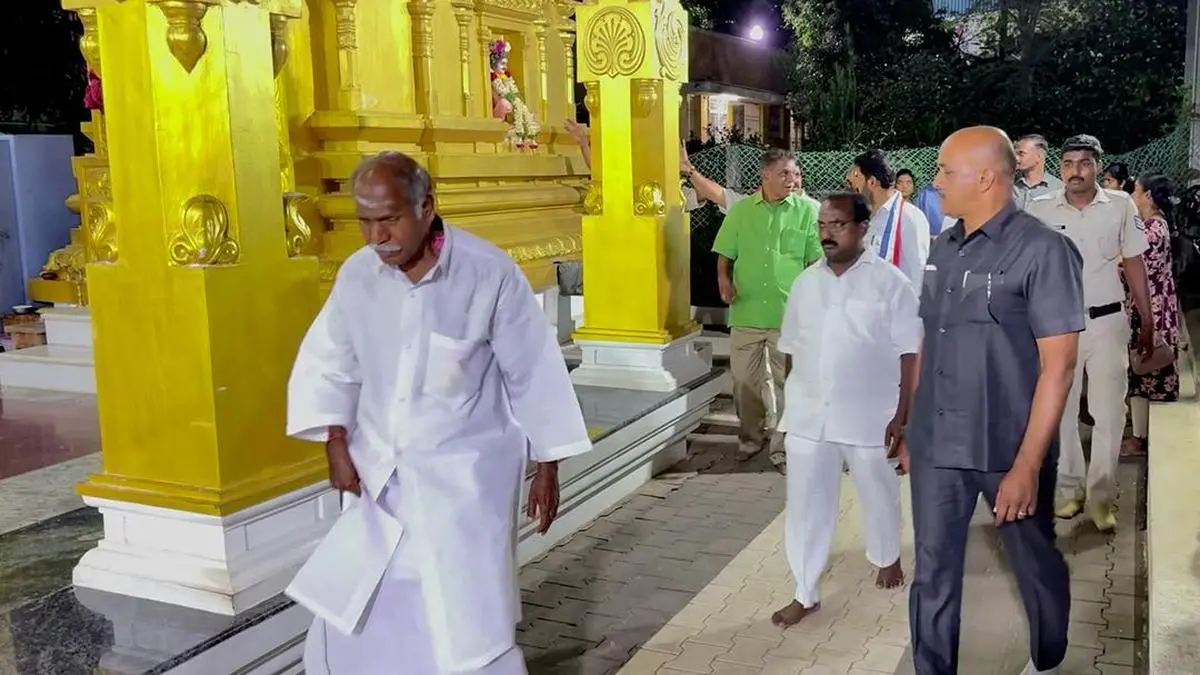
N Rangasamy, who has remained a central political figure in Puducherry politics, is expected to anchor the NDA campaign with emphasis on administrative continuity, development and stronger alignment with the Centre
| Photo Credit:
ANI

With less than three weeks to go for the polls on April 9, the race for Puducherry is just taking shape after weeks of infighting in the INDIA Bloc even as the National Democratic Alliance (NDA) managed to stitch together the unit faster. With the clock ticking towards the nomination filing deadline, it took a high-level meeting between P Chidambaram and MK Stalin to salvage a fragile pact for the INDIA bloc.

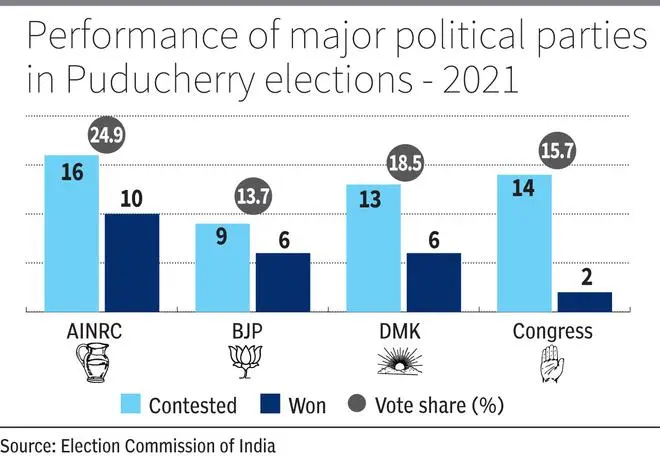
The Congress-DMK alliance entered the race on a shaky footing after prolonged wrangling over seat-sharing delayed preparations until the final days before nominations closed. After more than a week of tense negotiations, the Congress and the DMK eventually finalised a formula, under which the Congress will contest 16 seats and DMK 14 in the 30-member Assembly. This brought memories of the infighting between the INDIA Bloc partners in Bihar polls, where friendly fights between allies cost the alliance a number of seats and also mirrored the simultaneous seat-sharing conflict that has been on in Tamil Nadu for the 2026 polls.

VCK exit

However, the dialogue between Chidambaram and Stalin finally gave way to a broad arrangement, under which the DMK is contesting 14 seats, leaving 16 to the Congress. DMK is also allotting one seat each to the Communist Party of India and Viduthalai Chiruthaigal Katchi (VCK). However, unhappy with just one seat and without clarity on which that would be, VCK President Thol Thirumavalavan has announced that the party will contest independently from three constituencies – Oussudu, Nettapakkam and Oulgaret.

While both parties laid claim to several key constituencies in this process, the leaders of the alliance assured in a press conference that the partnership was solid and that differences would be ironed out by internal dialogue. However, with Thursday being the last day of withdrawing the nominations, the final picture of the contestants in each constituency is set to become clearer, and the UT can now go on to campaign mode.

NDA consolidates

In contrast, the ruling NDA moved relatively faster to formalise its electoral understanding. The alliance, led by Chief Minister N Rangasamy of the All India NR Congress (AINRC), finalised its pact with the Bharatiya Janata Party, while allocating two seats each to the All India Anna Dravida Munnetra Kazhagam (AIADMK) and the Latchiya Jananayaga Katchi (LJK). The agreement helped stabilise the alliance after initial disagreements, and allowed the NDA to move quickly into campaign mode.

Rangasamy, who has remained a central political figure in Puducherry politics, is expected to anchor the NDA campaign with emphasis on administrative continuity, development and stronger alignment with the Centre, themes the ruling alliance hopes will resonate with voters. Adding a fresh variable to the contest is the entry of actor-turned-politician Vijay’s Tamilaga Vettri Kazhagam (TVK), which has chosen to contest all 30 seats independently. While analysts believe the party is unlikely to emerge as a dominant force in its debut, its presence is expected to influence outcomes in tight contests by splitting votes, particularly among younger voters and urban constituencies.

This multi-cornered configuration, with both major alliances facing internal adjustments, has set the stage for a competitive and unpredictable electoral cycle.

Key issues

Local concerns remain central to voter sentiment across the Union Territory. Issues such as infrastructure disparities, electricity tariffs, tourism-related pressures and concerns over law and order are emerging as recurring themes in campaign discourse. At the same time, industrial growth and the long-standing demand for statehood continue to feature prominently in the political messaging.

Analysts suggest the contest may hinge less on broad ideological narratives and more on alliance discipline, candidate selection and constituency-level dynamics. In tightly contested seats, marginal vote shifts triggered by smaller parties or local grievances could determine the outcome.

Political analyst Ramu Manivannan noted that the BJP-AINRC combine holds a “thin edge” in the fight supported by voter expectations around central assistance and Statehood. He added that Vijay’s entry introduces unpredictability, but may not convert into significant electoral gains.

At the ground level, residents point to limited anti-incumbency against Rangasamy, though internal dissatisfaction within party ranks persists. Infrastructure has emerged as a central issue. Voters like small-scale industrialist Raghavn in Villanoor highlighted stark disparities in development within Puducherry, particularly between the well-maintained White Town area and other parts of the city, underscoring demands for more equitable urban planning.

Data from the Association for Democratic Reforms show that voter turnout in the 2021 Assembly election stood at 83.31per cent, down from 85.08 per cent in 2016. Winning candidates in 2021 secured an average of 50.77 per cent of votes polled, compared to 47.12 per cent in 2016. With several constituencies expected to witness tight contests and some ministers facing strong challenges, the April 9 election is likely to hinge on local dynamics, alliance cohesion and marginal vote shifts.

For now, the defining feature of the campaign remains the contrast in momentum, an NDA that consolidated early versus an INDIA bloc that took longer to settle internal disputes, setting up a race where timing, cohesion and ground mobilisation could prove decisive

Published on March 25, 2026


Source link

As global fertilizer prices head north, India looks to include price while signing deals

As global fertilizer prices head north, India looks to include price while signing deals


As the India gears up to meet fertiliser demand for the ensuing monsoon season crops, companies are considering incorporating “floor and ceiling” price in annual fertilizer contract with suppliers of di-ammonium phosphate (DAP), muriate of potash (MOP) and complex fertilizers. This will ensure that volatility like current one is avoided to a large extent.

“Volatility in fertilizer prices have become too frequent and there has to be some mechanism to at least partially insulate any shock like the current one. There is no futures trading of fertilizers anywhere as suppliers are limited and buyers cannot hedge the risk in this supplier-dominated market,” said a CEO of a leading Indian company dealing with urea, DAP, potash as well as complex fertilizers.

Though the outcome will depend on how the negotiation proceeds, still price factor can be brought into the contract, he said, adding that most companies are not in a hurry to renew their annual import contract with suppliers even as the current financial year is about to end. “At current global prices, no negotiation can take place on what should be either the ‘floor’ price or ‘ceiling’ price, he pointed out.

No new urea tender

Floor price is the minimum guaranteed rate which supplier will get when prices dip and ceiling price is the maximum Indian buyer will pay for that product in case of spurt in prices, he said.

Meanwhile, even as the government is betting on supplies from Russia, which may take about 45 days to reach Indian ports, there is no fresh tender for urea ever since last one issued by RCF on February 18, before the war began on February 28. The government has constituted a panel of experts representing top officials of public sector firms NFL, IPL, RCF and HURL to advise it on the time and volume of urea that can be imported.

“The government agreed to buy about 1 million tonnes of urea from last RCF tender at $508 (west coast delivery) and $512 (east coast delivery) for supply to be completed by March 31, though there will be delay now. But it would be difficult to source urea even at $750/tonne now, as global prices have zoomed,” said a senior executive of a company who participated in the bid.

Similarly, global DAP rate have exceeded $800/tonne and MOP $370-400/tonne, much higher than their pre-war rates of $650 and $290, respectively.

Urea output doubts

On the other hand, the government is committed to try to meet kharif demand of fertilizers saying the country has higher stock compared to previous year. However, doubts remain about domestic production of urea due to tight supply of natural gas.

“Through a combination of domestic production hikes and a sophisticated global procurement strategy, the government has moved to insulate Indian farmers from global supply chain volatilities,” the Department of Fertilizers said last week.

As of March 19, urea stock was 61.14 lakh tonnes (lt) against 55.22 lt, DAP 24.24 lt against 11.85 lt, complex 57.21 lt against 34.44 lt and SSP 24.80 lt against 23.15 lt. Stock of only MOP is lower at 12.65 lt from 14.13 lt, it had said.

In the last Kharif season, the requirement of urea was estimated at 185.4 lt whereas the sales rose by 4 per cent to 193.2 lt. The fertilizer demand for Kharif 2026 is yet to be estimated.

Since there are no signs of the war ending and when the Strait of Hormuz will open, fertilizer companies doubt if domestic production of urea this kharif would match last year’s level of 144.8 lt (April-September) even if 70 per cent of committed gas supply is achieved.

“If there is 30-40 per cent lower production that amounts to an availability of 150-160 lt (excluding fresh import in the season) of urea after factoring 60 lt of opening stock,” said an expert cautioning a demand gap of 30-40 lt.

Published on March 25, 2026



Source link

YouTube
Instagram
WhatsApp