चावल से लेकर आलू-प्याज हर चीज भेजी जाएगी, मिडिल-ईस्ट को खाना भेजता रहेगा भारत

चावल से लेकर आलू-प्याज हर चीज भेजी जाएगी, मिडिल-ईस्ट को खाना भेजता रहेगा भारत


India Export to Middle East: भारत और मिडिल-ईस्ट के बीच मजबूत और गहरे व्यापारिक संबंध रहे हैं. एक तरफ भारत अपनी ऊर्जा जरूरतों के लिए इन पर निर्भर हैं. वहीं, खाड़ी देश अपनी खाद्य सुरक्षा के लिए काफी हद तक भारत पर निर्भर है. ऐसी स्थिति में जब अमेरिका और इजरायल के हमलों से मिडिल-ईस्ट में तनाव चरम पर है, भारत ने मध्य-पूर्व में शामिल देशों के लिए खाने-पीने की चीजों की सप्लाई जारी रखने का फैसला लिया है.

गुरुवार को वाणिज्य सचिव राजेश अग्रवाल ने कहा कि चल रहे संघर्ष के कारण पैदा हुई रुकावटों के बावजूद भारत मध्य-पूर्व के देशों को खाद्य सामग्री की आपूर्ति जारी रखेगा. हालांकि, शिपमेंट का पैमाना लॉजिस्टिक्स से जुड़ी चुनौतियों और बढ़ती लागत पर निर्भर करेगा. 

सप्लाई नहीं रुकनी चाहिए

राजेश अग्रवाल कहते हैं कि सरकार यह सुनिश्चित करने के लिए कई रास्तों पर विचार कर रही है कि जरूरी चीजों की सप्लाई में कहीं कोई रुकावट न आए. उन्होंने कहा, “वे जहां भी संभव हो हवाई कार्गो या लंबे रास्तों के जरिए काम कर रहे हैं ये सभी विकल्प इसलिए तलाशे जा रहे हैं ताकि यह सुनिश्चित हो सके कि भोजन पहुंच जाए क्योंकि भोजन हमारी प्राथमिकता बना हुआ है. 

भारत के सामने चुनौतियां

  • दरअसल, ईरान में छिड़ी जंग और उसके जोखिम के चलते मालवाहक जहाजों का वॉर रिस्ट इंश्योरेंस प्रीमियम 0.05 परसेंट से बढ़कर 0.75-1 परसेंट तक पहुंच गया है. इससे ढुलाई की लागत में भी करीब 20-30 परसेंट का इजाफा हुआ है. 
  • पहले लाल सागर या होर्मुज स्ट्रेट से सामान आसानी से पहुंचाए जाते थे, लेकिन अभी तनाव की स्थिति में जहाजों को केप ऑफ गुड होप (अफ्रीका के नीचे) से होकर जाना पड़ रहा है. इससे सफर में 15-20 दिन तक का ज्यादा वक्त लग रहा है. ऐसे में खाने-पीने की चीजों के खराब होने, ऑर्डर्स के देरी से पहुंचने और पेमेंट में देरी होने का खतरा बढ़ गया है. सफर में ज्यादा वक्त लगने से डीजल पर खर्च भी बढ़ रहा है.
  • कई देशों में अपना एयरस्पेस भी बंद कर रखा है. ऐसे में कार्गो कैपेसिटी भी घट गई है और ऊपर से लागत भी बढ़ गई है.

भारत से मिडिल-ईस्ट जाने वाले सामान

  • मिडिल ईस्ट में शामिल देश जैसे कि सऊदी अरब और ईरान, भारत से बासमती चावल का सबसे बड़र खरीदार है.
  • भारत खाड़ी देशों को आलू, प्याज, हरी सब्जियां, ताजे फल, इलायची, चाय और कॉफी, डेयरी प्रोडक्ट्स, फ्रोजन फूड आइटम्स भेजता है. 
  • इनके अलावा, दवाइयां भी भेजी जाती हैं. एक्सपोर्ट की लिस्ट में टेक्सटाइल, इंजीनियरिंग गुड्स, जेम्स और ज्वेलरी भी शामिल हैं. 

ये भी पढ़ें:

मिडिल ईस्ट टेंशन के बीच पड़ोसी देश मांग रहे भारत से तेल, रिक्वेस्ट पर सरकार ने दिया ये जवाब 


Source link

मिडिल ईस्ट टेंशन के बीच पड़ोसी देश मांग रहे भारत से तेल, रिक्वेस्ट पर सरकार ने दिया ये जवाब

मिडिल ईस्ट टेंशन के बीच पड़ोसी देश मांग रहे भारत से तेल, रिक्वेस्ट पर सरकार ने दिया ये जवाब


Middle East Tensions: मिडिल ईस्ट में जारी युद्ध के लंबा खिंचने से स्थिति लगातार गंभीर होती जा रही है. भारत के पड़ोसी देशों की ओर से भी ऊर्जा की मांग बढ़ती जा रही है. विदेश मंत्रालय ने प्रेस ब्रीफिंग के दौरान बताया कि बांग्लादेश, श्रीलंका, मालदीव सहित कई पड़ोसी देशों ने भारत से ऊर्जा आपूर्ति के लिए अनुरोध किया है.

विदेश मंत्रालय के प्रवक्ता रणधीर जायसवाल के अनुसार, भारत 2007 से ही विभिन्न परिवहन माध्यमों के जरिए बांग्लादेश को डीजल की आपूर्ति करता आ रहा है. मौजूदा हालात में भी भारत बांग्लादेश और अन्य पड़ोसी देशों की सहायता जारी रखेगा.

पड़ोसी देशों ने मांगी मदद

उन्होंने यह भी कहा कि हाल के दिनों में अफगानिस्तान में पाकिस्तान द्वारा किए गए हमलों की भारत ने कड़ी आलोचना की है, क्योंकि इन हमलों में आम नागरिकों के बुनियादी ढांचे को निशाना बनाया गया और कई निर्दोष लोगों की जान गई है.

गौरतलब है कि ईरान पर अमेरिका और इजरायल के हमलों के बाद इस संघर्ष का दायरा लगातार बढ़ता जा रहा है. शुरुआत में इजरायल ने ईरान के तेल बुनियादी ढांचे को निशाना बनाया, जिसके जवाब में तेहरान ने खाड़ी देशों के तेल ठिकानों पर हमले तेज कर दिए हैं.

वॉर से स्थिति चिंताजनक

अमेरिकी राष्ट्रपति डोनाल्ड ट्रंप ने भले ही युद्ध के जल्द समाप्त होने का दावा किया था, लेकिन मौजूदा हालात को देखते हुए यह कहना मुश्किल है कि यह तनाव कब खत्म होगा. ईरान ने युद्ध समाप्त करने की पहल को भी ठुकरा दिया है, जिससे संकेत मिलता है कि यदि यही स्थिति बनी रही, तो वैश्विक संकट और गहरा सकता है.

भारत में भी एलपीजी की किल्लत ने एक नया संकट खड़ा कर दिया है. हालांकि, भारत ने हॉर्मूज ऑफ स्ट्रैट के बंद होने के बाद वैकल्पिक रुट अपनाने का फैसला किया है.

ये भी पढ़ें: ईरान वॉर से LPG के बड़े संकट में फंसे भारत ने निकाली जबरदस्त तोड़, अब नहीं होगा जंग का असर?


Source link

Pentagon seeks 0 billion for Iran war as Congress scrutiny and political divide intensify

Pentagon seeks $200 billion for Iran war as Congress scrutiny and political divide intensify


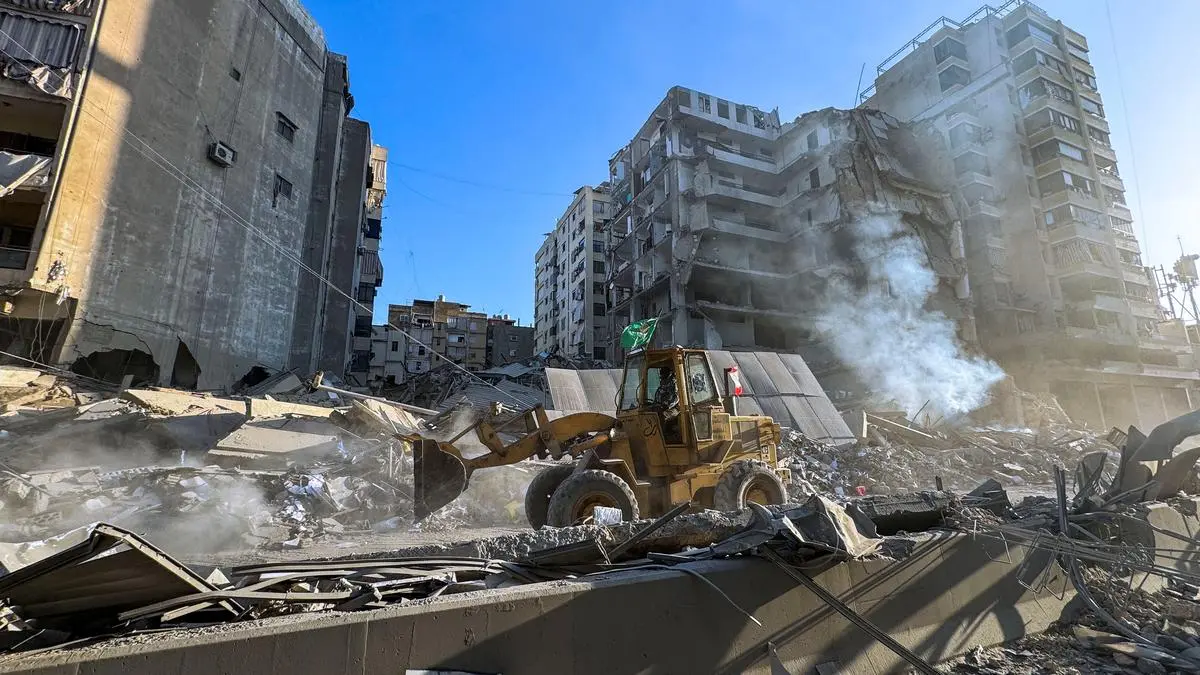
A bulldozer drives along a damaged street amid destruction after an Israeli strike on Beirut’s southern suburbs, following renewed hostilities between Hezbollah and Israel amid the U.S.-Israeli conflict with Iran, Lebanon, in Beirut, March 6, 2026. Picture taken with a mobile phone.
| Photo Credit:
REUTERS/Stringer

, The Pentagon is seeking USD 200 billion in additional funds for the Iran war, a sizable amount that is certain to be met with questions from Congress, which would need to approve any new money.

The department sent the request to the White House, according to a senior administration official, who spoke on condition of anonymity to discuss the private information. Asked about the figure at a press conference Thursday, Defense Secretary Pete Hegseth did not directly confirm the amount, saying it could change.

“It takes money to kill bad guys,” Hegseth said.

But he said “we’re going back to Congress and our folks there to ensure that we’re properly funded.”

Big price tag faces scrutiny over war

It’s an extraordinarily high number and comes on top of extra funding the Defense Department already received last year in President Donald Trump’s big tax cuts bill. Such a request would need to be approved by Congress, and it is not at all clear such spending would have political support. The nation’s debt has surged past a record USD 39 trillion.

Congress has been bracing for a new spending request but it is not clear the White House has transmitted the request for consideration. Lawmakers have not authorized the war, and Congress is showing growing unease with the military operation’s scope and strategy.

The new funding request was first reported by The Washington Post.

Trump said the administration is asking for the money for other reasons beyond Iran.

“This is a very volatile world,” the president said from the Oval Office. He said the emergency spending would be a “very small price to pay” to ensure the nation’s military stays in top shape.

While the House and Senate are controlled by the president’s Republican Party many of the more conservative lawmakers are also fiscal hawks, with little political appetite for big spending, on military operations or other matters. Most Democrats are likely to reject such a request and demand more detailed plans from the Trump administration about the US military goals and objectives.

Rep. Ken Calvert, the Republican chair of the House subcommittee with oversight over defense spending, said he was already advocating for a supplemental spending bill to allow the Pentagon to replenish munitions.

“That was going to happen, and now we have this conflict with some additional costs. So, that’s where we’re at,” Calvert of California said on Thursday.

“I know there are peripheral issues out there that people are concerned about, but right now, this is about our national security and it’s important that we get this done,” he said.

But Rep. Betty McCollum of Minnesota, the ranking Democrat on the House subcommittee with oversight over defense spending, said the president has taken the US into a war without coming to Congress and she’s demanding more details.

“This is not going to be a rubber stamp for the president of the United States,” McCollum said.

She said Congress is still waiting for the administration to explain where it would be spending the additional USD 150 billion funding that went to the Pentagon through Trump’s tax and spending cut bill. It’s also waiting on the president’s budget request for this year.

“I’m not writing blank checks to the Department of Defense,” McCollum said.

Negotiations ahead on a final package

It all points to a monumental battle ahead in Congress over any new Pentagon spending that would almost certainly need support from Republicans and Democrats in a bipartisan package to push past objections toward approval.

The requested amount would be a hefty boost to the Pentagon’s annual budget, which Congress approved at more than USD 800 billion for the current fiscal year.

That’s on top of some USD 150 billion that Congress gave the Defense Department in last year’s tax cuts bill, much of it for specific projects and overall upgrades to the Pentagon’s operations.

The nonpartisan Congressional Budget Office has projected that the federal government will run a USD 1.9 trillion annual deficit this year, and that’s before adding any spending done through a supplemental bill.

House Speaker Mike Johnson said it’s a “dangerous time” and “we have to adequately fund defence.” Asked whether he supported the amount, Johnson said he has not seen the details, but “I support what’s needed to ensure that the American people remain safe.” While some of the military’s biggest champions on Capitol Hill have welcomed new spending as a way to replenish munitions stockpiles and upgrade the US defence capabilities in the face of emerging threats, others will certainly point to health care and other domestic needs that they view as more important priorities.

Rep. Rosa DeLauro, the ranking Democrat on the House Appropriations Committee, said of the USD 200 billion price tag: “It’s outrageous.” To muscle a package to passage, Republican leaders could either try to go it alone through an arduous budget process, or cut deals with Democrats on other priorities that would likely balloon the overall price tag.

House Majority Leader Steve Scalise, R-La., signaled the negotiations ahead.

“Ultimately we’re going to have negotiations with the White House on an exact amount,” Scalise said. “We’re not at that point yet.”

Published on March 20, 2026


Source link

Government expands CBG scheme to boost gas supply and cut LNG imports

Government expands CBG scheme to boost gas supply and cut LNG imports


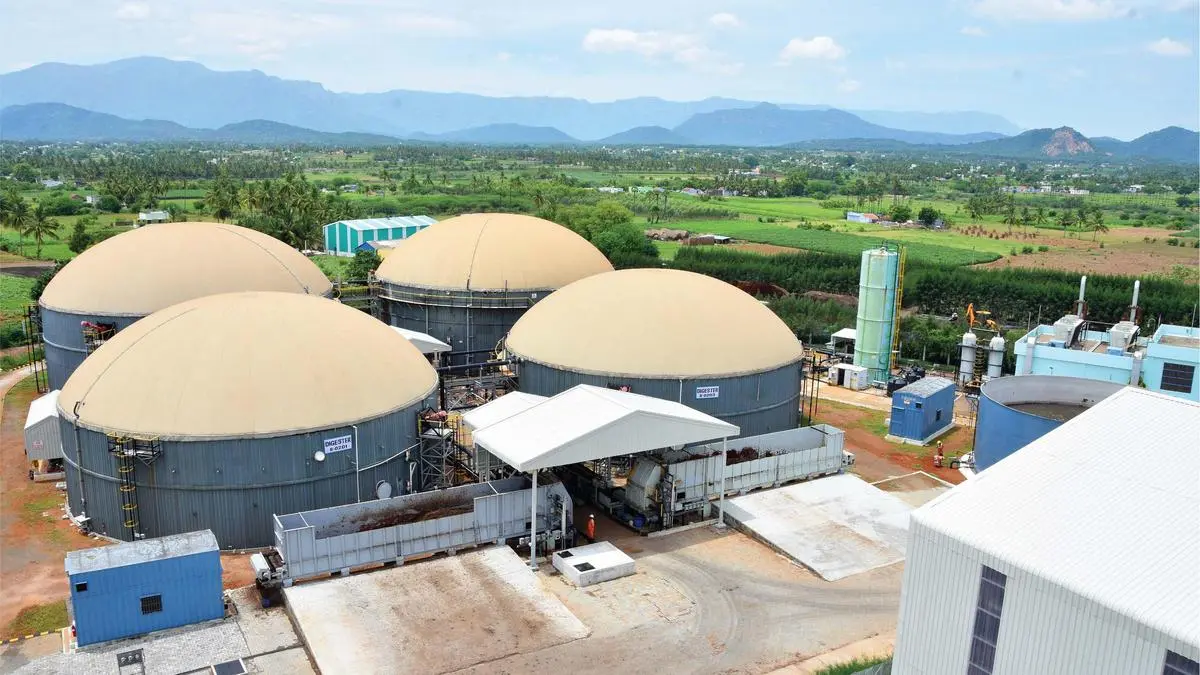
Amid rising tensions in West Asia disrupting energy supplies, the government has expanded the CBG-CGD Synchronisation Scheme to allow compressed biogas injection into gas pipelines
| Photo Credit:
The Hindu

As conflict intensifies in West Asia, throttling energy supplies, the government has expanded the scope of the CBG-CGD Synchronisation Scheme to include the injection of compressed biogas (CBG) in the gas pipeline network.

A senior government official said that the Ministry of Petroleum and Natural Gas (MoPNG) on Wednesday extended the scope of the Synchronisation Scheme for co-mingling of domestic gas for supply to CNG (transport) and PNG (Domestic) segments of city gas distribution (CGD) networks.

The Ministry has expanded the scope of the Synchronisation Scheme to include the injection of CBG into the gas pipeline network. This is also in accordance with the revised scheme guidelines issued in August last year.

Boost to CBG offtake and utilisation

The primary objective of the scheme is to facilitate the off-take of CBG through cost-effective pipeline transportation from production facilities to consumption centres, and to ensure maximum utilisation.

This will lead to assured off-take for producers, lower logistics costs due to direct pipeline connectivity, uniform pricing, and reduced reliance on imported natural gas, said the official.

West Asia conflict disrupts energy supplies

The development comes at a time when tensions in West Asia are peaking after Israel attacked the South Pars gas field, following which Iran retaliated, targeting oil and gas infrastructure in Qatar, Saudi Arabia, the UAE and Kuwait. India sources 47 per cent of its Liquefied Natural Gas (LNG) supplies from Qatar.

Relief for domestic gas supply segments

A senior official with a CGD firm said that such a step will “effectively” help meet the shortfall in domestic supply for PNG (D) and CNG (T).

Since the fresh escalation in violence in West Asia, the government has been ensuring the supply of natural gas to priority sectors, including 100 per cent supply to PNG (D) and CNG (T), while supplies to industrial and commercial consumers are being regulated at around 80 per cent.

Push to expand PNG connections

The government is also trying to shift some commercial LPG consumers to PNG, and in this direction, it has activated more than 1.25 lakh PNG connections for domestic, commercial, industrial, and CNG use.

Published on March 19, 2026


Source link

SBI Mutual Fund files DRHP for ₹13,000 crore IPO; SBI and Amundi to sell stakes

SBI Mutual Fund files DRHP for ₹13,000 crore IPO; SBI and Amundi to sell stakes


SBI Mutual Fund, India’s largest asset management company, has filed its DRHP to raise around ₹13,000 crore through an IPO. Promoters State Bank of India and Amundi will offload stakes in the offer.

India’s largest asset management company, SBI Mutual Fund, has filed its Draft Red Herring Prospectus to raise about ₹13,000 crore.

The fund house is a joint venture between the State Bank of India and France-based Amundi. While SBI will offload 128,334,397 equity shares, Amundi India Holding will sell 75,374,842 equity shares in the IPO, as per the DRHP filed with the SEBI.

Currently, SBI owns 61.98 per cent in SBI MF, while Amundi has a 36.40 per cent stake.

Market leadership and assets under management

SBI MF manages assets worth ₹16.32 lakh crore and holds a market share of 15.55 per cent in the mutual fund industry.

The fund house will become the seventh AMC to list on the stock exchange after Nippon Life India Asset Management, HDFC AMC, ICICI Prudential AMC, Aditya Birla Sun Life AMC, Canara Robeco AMC and UTI Asset Management Company.

The second-largest asset manager, ICICI Prudential AMC, commends a market capitalisation of ₹1.39 lakh crore. The fund house got listed last year.

In all, 9 investment banks, including Kotak Mahindra Capital, Axis Capital, Jefferies, SBI Capital, ICICI Securities, Motilal Oswal, HSBC Securities, JM Financial, and BofA Securities, will be managing the issue. Kfin Technologies will be the registrar for the offer.

Valuation and unlisted market buzz

SBI Fund Management aims to raise around ₹1.3 lakh crore through the IPO, translating to a price-to-earnings ratio of approximately 51 times, said an analyst.

In the unlisted market, the company’s shares are currently valued at about ₹1.5 lakh crore.

Published on March 19, 2026


Source link

YouTube
Instagram
WhatsApp