Samsung Union issues strike notice; conciliation talks on Monday over 27 workers’ termination

Samsung Union issues strike notice; conciliation talks on Monday over 27 workers’ termination


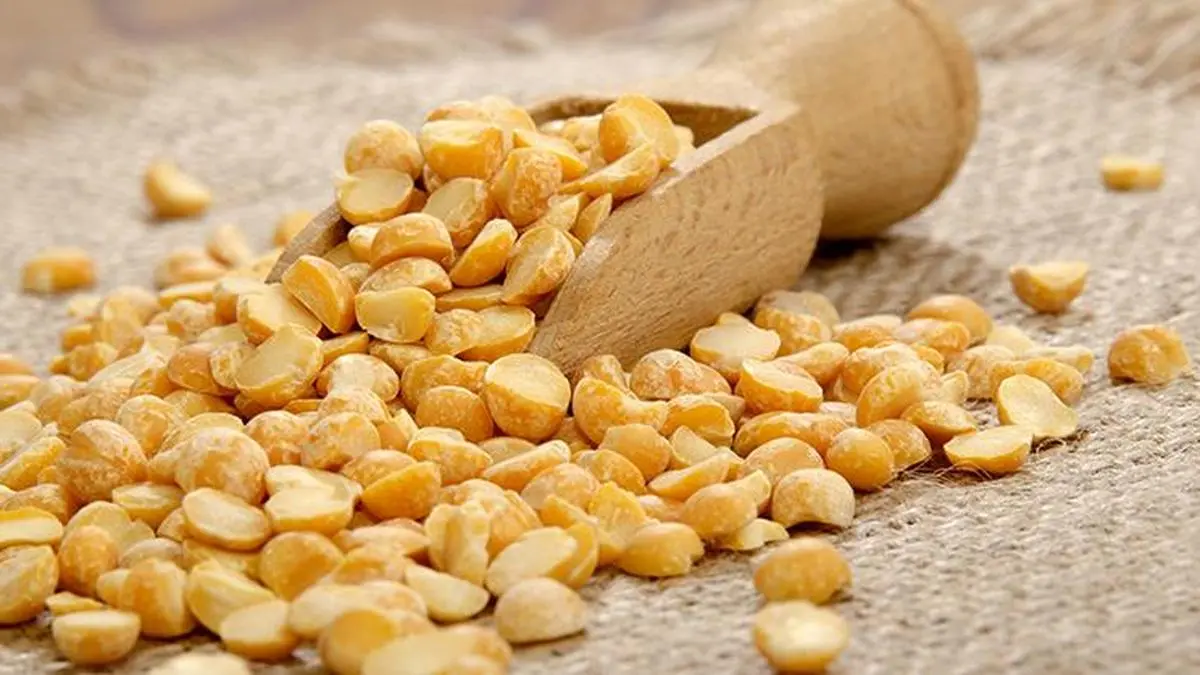
In the strike notice, the union urged the company to reinstate the 27 workers whose services were terminated and provide them employment again.

Samsung India Workers Union (CITU) at the Samsung factory in Sriperumbudur has issued a strike notice on February 13 stating that it would resort to a strike after 14 days if the termination of 27 workers is not revoked.

Following the notice, A Yasmin Begum, Additional Commissioner of Labour at the Office of the Commissioner of Labour, has directed both Samsung India Electronics Private Limited and the union to appear for a conciliation meeting on March 16.

In the strike notice, the union urged the company to reinstate the 27 workers whose services were terminated and provide them employment again. It also demanded that the management withdraw all disciplinary actions taken against union members.

The 27 workers have been under suspension since March 7, 2025 due to pending disciplinary proceedings.

Published on March 15, 2026


Source link

AEPC Chairman urges TN govt to include apparel export industry in 20% commercial LPG cylinder allotment

AEPC Chairman urges TN govt to include apparel export industry in 20% commercial LPG cylinder allotment


Apparel Export Promotion Council (AEPC) Chairman A Sakthivel
| Photo Credit:
cueapi

Apparel Export Promotion Council (AEPC) Chairman A Sakthivel, has urged the Tamil Nadu government to include the apparel export Industry within the 20 per cent commercial LPG cylinder allotment permitted during the current LPG shortage. This will help the sector, which employs lakhs of employees, to continue its operations without disruption during this challenging period.

In a representation addressed to R Sakkarapani, Minister for Food, Civil Supplies and Consumer Protection, and TRB Rajaa, Minister for Industries, Sakthivel highlighted the urgent need to ensure uninterrupted LPG supply to the apparel export industry, says a release from APEC.

LPG is a critical fuel used extensively in garment manufacturing, especially in processing segments such as dyeing, washing, compacting and finishing units that form the backbone of the apparel export ecosystem, Sakthivel said in the release.

AEPC has requested the State government to consider, including the apparel export Industry within the 20 per cent commercial LPG cylinder allotment so that industries may receive at least a limited but essential supply during this critical period.

Vital role

Sakthivel pointed out that LPG plays a vital role in sustaining the processing operations of the industry. If the present shortage continues, many processing units may be forced to suspend operations, which could have a cascading effect on garment manufacturing units and export production.

The industry provides direct and indirect employment to lakhs of workers across Tamil Nadu. If the situation persists, many factories may be forced to temporarily shut down, which would severely affect the livelihood of workers and their families, he said.

Published on March 15, 2026


Source link

मिडिल ईस्ट तनाव के बीच सरकार की तैयारी, पेट्रोल-डीजल की कीमतों को काबू में रखने का मास्टर प्लान

मिडिल ईस्ट तनाव के बीच सरकार की तैयारी, पेट्रोल-डीजल की कीमतों को काबू में रखने का मास्टर प्लान


Show Quick Read

Key points generated by AI, verified by newsroom

Government Fuel Plan: मिडिल ईस्ट में पैदा हुए हालात और होर्मुज स्ट्रेट के बंद होने के कारण ऊर्जा संसाधनों में कमी के संकेतों के बीच भारत सरकार लोगों को राहत देने की योजना बना रही है. सरकारी पेट्रोलियम मार्केटिंग कंपनियां फिलहाल ईंधन की खुदरा कीमतें नहीं बढ़ा रही हैं, जिससे उन पर वित्तीय दबाव बढ़ रहा है. इस घाटे को कम करने के लिए सरकार रिफाइनरीज को पेट्रोल और डीजल की इंपोर्टेड रेट्स से कम कीमत पर देने की योजना बना रही है. 

अगर ऐसा फैसला होता है तो एमआरपीएल, सीपीसीएल और एचएमएल जैसी सिंगल रिफाइनरी कंपनियों पर इसका नकारात्मक असर पड़ सकता है. आइए जानते हैं, केंद्र सरकार के इस प्लान के बारे में….

रिफाइनरी ट्रांसफर प्राइस में बदलाव पर विचार

मिली जानकारी के अनुसार पेट्रोलियम मार्केटिंग कंपनियां रिफाइनरी ट्रांसफर प्राइस (आरटीपी) को सीमित करने या उसमें कुछ छूट तय करने जैसे विकल्पों पर विचार कर रही हैं. आरटीपी वह आंतरिक कीमत होती है जिस पर रिफाइनरियां अपने ही मार्केटिंग डिवीजन को पेट्रोल और डीजल बेचती हैं.

इस कदम का उद्देश्य यह है कि रिफाइनरियों को ईंधन के लिए आयात के बराबर पड़ने वाली लागत से कम भुगतान किया जाए. अगर अंतरराष्ट्रीय बाजार में कच्चे तेल की कीमतें ऊंची बनी रहती हैं, तो रिफाइनरियां बढ़ी हुई लागत का पूरा बोझ आरटीपी के जरिए आगे नहीं बढ़ा पाएंगी और उन्हें इसका कुछ हिस्सा खुद ही उठाना पड़ सकता है. जिससे इन कंपनियों पर आर्थिक बोझ बढ़ने की संभावना है. 

निजी रिफाइनरियों पर भी पड़ सकता है असर

मीडिया रिपोर्ट से मिली जानकारी के अनुसार, अगर आरटीपी से जुड़ा प्रस्ताव निजी रिफाइनरी कंपनियों पर भी लागू किया गया, तो इसका असर नायरा एनर्जी और रिलायंस इंडस्ट्रीज लिमिटेड जैसी कंपनियों पर भी पड़ सकता है.

दरअसल ये कंपनियां अपने पेट्रोल और डीजल उत्पादन का बड़ा हिस्सा तेल कंपनियों को सप्लाई करती हैं. देश में एक लाख से अधिक पेट्रोल पंप में से लगभग 90 प्रतिशत का संचालन इन्हीं सरकारी तेल विपणन कंपनियों के पास है. इसलिए खरीद की शर्तों में बदलाव होने पर निजी रिफाइनरियों के कारोबार पर भी प्रभाव पड़ सकता है.

यह भी पढ़ें: मिडिल ईस्ट तनाव ने बिगाड़ा अंडे का फंडा, हुआ कुछ ऐसा कि खाने वालों की हो गई बल्ले-बल्ले…..


Source link

मिडिल ईस्ट तनाव ने बिगाड़ा अंडे का फंडा, हुआ कुछ ऐसा कि खाने वालों की हो गई बल्ले-बल्ले…..

मिडिल ईस्ट तनाव ने बिगाड़ा अंडे का फंडा, हुआ कुछ ऐसा कि खाने वालों की हो गई बल्ले-बल्ले…..


Show Quick Read

Key points generated by AI, verified by newsroom

Iran Israel Conflict Impact on Egg Prices: पश्चिम एशिया में ईरान और इजरायल के बीच बढ़ते तनाव का असर अब भारत के खाद्य कारोबार पर भी दिखने लगा है. हाल के दिनों में देश में अंडों की कीमतों में तेज गिरावट दर्ज की गई है. इसके पीछे की वजह यह बताई जा रही है कि खाड़ी देशों को होने वाला अंडों का निर्यात प्रभावित हुआ है.

दरअसल, क्षेत्र में जारी संघर्ष के कारण वहां की मांग और सप्लाई चेन दोनों पर असर पड़ा है. जिसका सीधा प्रभाव भारत के पोल्ट्री बाजार और अंडों के दाम पर दिखाई दे रहा है. आइए जानते हैं, आखिर इस लड़ाई ने कैसे बिगाड़ा अंडे का फंडा…

अंडों के कीमतों में आई नरमी

देश के कई बाजारों में अंडों की कीमतों में हाल के दिनों में गिरावट देखी जा रही है. रिपोर्ट के मुताबिक बेंगलूरु के थोक बाजार में अंडे की कीमत पहले करीब 7 रुपये प्रति पीस थी, जो घटकर लगभग 5 रुपये तक आ गई है. 100 अंडों वाला एक ट्रे करीब 500 रुपये में बिक रहा है. 

खुदरा बाजार में भी कीमतों में गिरावट देखने को मिल रही है. जहां पहले एक अंडे की कीमत 8 से 9 रुपये थी, वहीं अब इसकी कीमत करीब 5.50 से 6 रुपये के बीच पहुंच गई है.

निर्यात प्रभावित होने से दाम पर दबाव

निर्यात आंकड़ों की बात करें तो, देश से हर रोज लगभग 1 करोड़ अंडे खाड़ी देशों को भेजे जाते थे. इन अंडों के मुख्य खरीदार संयुक्त अरब अमीरात (UAE), ओमान, कतर और बहरीन जैसे देश रहे हैं.

लेकिन हाल की सुरक्षा चिंताओं और परिवहन में आ रही दिक्कतों के कारण इन देशों को होने वाला निर्यात काफी हद तक प्रभावित हो गया है. नतीजतन, जो अंडे विदेश भेजे जाने थे, वे अब घरेलू बाजार में आ रहे हैं. जिससे सप्लाई बढ़ गई है और कीमतों पर दबाव देखने को मिला.  

इसके साथ ही रमजान के दौरान खाड़ी देशों में खाने-पीने की आदतों में बदलाव भी देखा जाता है. अमूमन अंडों की मांग कम हो जाती है. मांग कम होने और निर्यात घटने के कारण अंडों की कीमतों में कमी देखने को मिली है.  

कीमत गिरने से पोल्ट्री किसानों की चिंता बढ़ी

अंडों के दाम घटने का सीधा असर पोल्ट्री कारोबार से जुड़े किसानों पर पड़ रहा है. खाड़ी देशों को होने वाला निर्यात रुकने से उनकी आमदनी पर दबाव बढ़ गया है. क्योंकि घरेलू बाजार में मिलने वाली कीमतें विदेशों में मिलने वाले दाम की बराबरी नहीं कर पा रही हैं.

बाजार से जुड़े जानकारों का कहना है कि जब तक खाड़ी देशों के साथ निर्यात और परिवहन की स्थिति सामान्य नहीं होती, तब तक भारत में अंडों की कीमतों में ज्यादा सुधार की उम्मीद कम है.  

यह भी पढ़ें: Stock Market Outlook: शेयर बाजार में बढ़ सकता है उतार-चढ़ाव, वैश्विक संकेतों और कच्चे तेल की कीमतों पर रहेगी नजर..


Source link

Govt asked to explore better substitute for pulses farmers amid complains over lower prices

Govt asked to explore better substitute for pulses farmers amid complains over lower prices


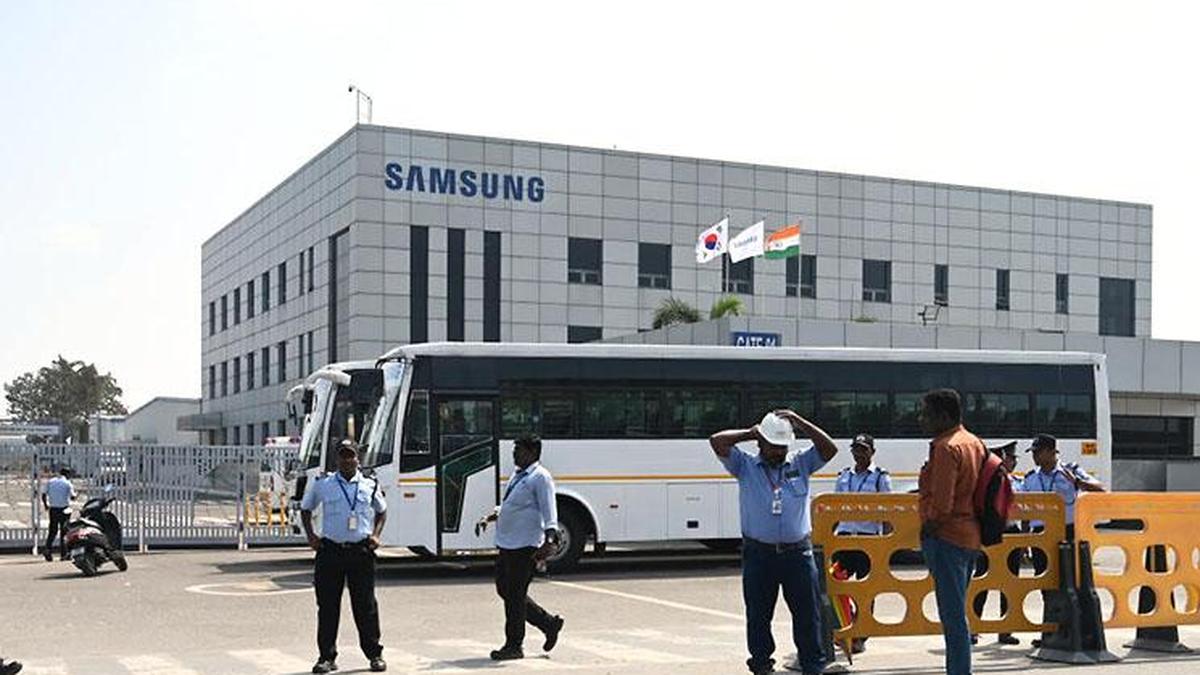
On a petition seeking import curb on yellow peas due to its adverse impact on domestic production of pulses, the Supreme Court has passed an order directing the government to convene a meeting of different stakeholders to revisit the existing policy framework and explore a better substitute under which the farmers are incentivised for diversification of the conventional crops to pulses, along with certain benefits.

“We hope and expect that the Ministries will resolve this issue effectively through a new policy decision,” it said and added that the meeting will consider recommendations of the Commission for Agricultural Costs and Prices (CACP). The next hearing of the case has been fixed on May 8.

Hearing a petition filed by farmer organisation Kisan Mahapanchayat, a bench comprising Chief Justice Surya Kant and Justice Joymalya Bagchi on March 13 also said that “the deliberations that may take place among different stakeholders be placed on record.”

Commenting on the Order, Kisan Mahapanchayat president Rampal Jat told businessline that the commitment of Union Government’s Ministers of Agriculture and Farmers’ Welfare, Food, and Commerce towards the interests of farmers will be put to the test. He welcome the Order, specifically asking to place before the honourable court the respective position of different stakeholders concerning the Centre’s policies on crop diversification, MSP, and the assurance of procurement at MSP, Jat said.

Acting on the petition, which said that supply of imported yellow peas was affecting the livelihood of Indian farmers, the Supreme Court in September 2025 had sought the Centre’s response.

Yellow peas are seen as a substitute pulse variety for tur/arhar (pigeon peas) and chana (gram). The petitioner has said that in countries like Canada, the US and Australia, yellow peas are mostly used as cattle feed.

In its reply, the Directorate General of Foreign Trade under Ministry of Commerce, had contended that the petition was “not maintainable in as much as no Legal Right or a Fundamental Right of the petitioner is violated.”

“That the petitioner, by invoking the jurisdiction of this Hon’ble Court had challenged the policy decision taken by the Government of India, Ministry of Commerce and Industry in relation to Foreign Trade Policy. In the instant petition, the petitioner has utterly failed to point out any manifest illegality, infirmity, or arbitrariness in the said Notification. The Petitioner had also failed to demonstrate as to how their legal right has been violated,” DGFT had said in its reply filed before the apex court.

It also informed the Court that 30 per cent import duty on yellow peas was introduced from October 29, 2025.

During the hearing of the case, the Bench had reportedly observed; “You have an MSP for wheat, you have an MSP for rice (paddy), and you have an MSP for some pulses now also. The moment you make sure that the farmer will get this price, you will see how it (pulses production) will rise. Unfortunately, this aspect probably has not been really addressed…”

Pointing out that pulses farmers frequently sell their produce at 20–25 per cent below respective MSPs because there is no guaranteed government procurement platform in place like wheat and paddy, the Chief Justice has observed: “We don’t want to pass any order on that because it’s a matter of policy. But if you have subject experts who know the pulse of the farmer—without knowing these pulses, if they know the pulse of the farmer—he will do it.” The per-acre productivity of these pulses is far less as compared to wheat or paddy, he added.

The latest Order of the SC has also mentioned that different Ministries need to have a better coordination, understanding and should establish some mechanism under the aegis of the Ministry of Agriculture and Farmers Welfare to promote pulses as a substitute of wheat or paddy in the northern and central India and may be as a substitute for other crops in southern states.

It has been recognised that the absence of an incentivized MSP which should be sufficient enough to cover the expenditure small or medium level farmers incur in producing pulses, along with a guaranteed timely sale of the product, coupled with the fixation of the cost price of yellow peas, which is being imported in such a manner that it does not adversely impact the home-ground pulses produced by the farmers.

Published on March 15, 2026


Source link

शेयर बाजार में बढ़ सकता है उतार-चढ़ाव, वैश्विक संकेतों और कच्चे तेल की कीमतों पर रहेगी नजर..

शेयर बाजार में बढ़ सकता है उतार-चढ़ाव, वैश्विक संकेतों और कच्चे तेल की कीमतों पर रहेगी नजर..


Show Quick Read

Key points generated by AI, verified by newsroom

Indian Stock Market Outlook: पश्चिम एशिया में जारी संघर्ष और कच्चे तेल की कीमतों में उतार-चढ़ाव इस सप्ताह शेयर बाजार की दिशा तय करने वाले प्रमुख कारक होंगे. विश्लेषकों ने कहा कि इसके अलावा अमेरिकी फेडरल रिजर्व के ब्याज दर के फैसले और मुद्रास्फीति के आंकड़े भी बाजार को प्रभावित करेंगे. आइए जानते हैं, 16 मार्च से शुरू हो रहे सप्ताह में मार्केट की चाल के विषय में…

क्या कहते हैं एक्सपर्ट?

रेलिगेयर ब्रोकिंग लिमिटेड के शोध उपाध्यक्ष अजित मिश्रा ने कहा कि यह सप्ताह घरेलू और वैश्विक स्तर पर कई महत्वपूर्ण घटनाक्रमों और आंकड़ों से भरा है. उन्होंने बताया कि भू-राजनीतिक घटनाक्रमों पर विशेष नजर रहेगी, क्योंकि कच्चे तेल की कीमतों पर उनका प्रभाव बाजार की समग्र दिशा को प्रभावित कर सकता है.

घरेलू मोर्चे पर, बाजार थोक मूल्य सूचकांक (डब्ल्यूपीआई) आधारित मुद्रास्फीति, व्यापार संतुलन के आंकड़े और विदेशी मुद्रा भंडार जैसे प्रमुख व्यापक आर्थिक संकेतकों पर नजर रखेंगे. 

बाजार में दिखा था दबाव

लाइवलॉन्ग वेल्थ के संस्थापक और शोध विश्लेषक हरिप्रसाद के. ने बताया कि वैश्विक जोखिम धारणा बिगड़ने, पश्चिम एशिया में बढ़ते तनाव और विदेशी संस्थागत निवेशकों (एफआईआई) की लगातार बिकवाली के कारण भारतीय बाजार पिछले सप्ताह भारी दबाव में रहे. पिछले सप्ताह बीएसई सेंसेक्स 4,354.98 अंक या 5.51 प्रतिशत टूट गया, जबकि एनएसई निफ्टी में 1,299.35 अंक या 5.31 प्रतिशत की गिरावट दर्ज की गई. 

पिछले महीने 27 फरवरी से अब तक सेंसेक्स 6,723.27 अंक या 8.27 प्रतिशत नीचे आ चुका है. विशेषज्ञों ने चेतावनी दी है कि होर्मुज जलडमरूमध्य में जारी गतिरोध वैश्विक कच्चे तेल आपूर्ति को सख्त बना सकता है, जिससे एशिया में मुद्रास्फीति बढ़ सकती हैं.

बाजार में उतार-चढ़ाव की उम्मीद 

एनरिच मनी के मुख्य कार्यपालक अधिकारी (सीईओ) पोनमुडी आर ने कहा कि आने वाले सप्ताह में काफी उतार-चढ़ाव रहने की उम्मीद है. पश्चिम एशिया के संघर्ष के कारण पोत परिवहन में होने वाली किसी भी देरी के चलते भारत जैसे उभरते बाजारों में वैश्विक पूंजी आवंटन पर असर पड़ सकता है. 

विदेशी निवेशकों ने मार्च के पहले पखवाड़े में घरेलू शेयरों से लगभग 52,704 करोड़ रुपये निकाले हैं. इसका मुख्य कारण पश्चिम एशिया में तनाव, रुपये की कमजोरी और भारतीय वृद्धि दर पर कच्चे तेल की ऊंची कीमतों का प्रभाव है. 

मोतीलाल ओसवाल का क्या है कहना?

मोतीलाल ओसवाल फाइनेंशियल सर्विसेज के शोध प्रमुख सिद्धार्थ खेमका ने कहा कि इस सप्ताह निवेशकों की नजर यूरो क्षेत्र के सीपीआई आंकड़ों, बैंक ऑफ इंग्लैंड (बीओई) और यूरोपीय केंद्रीय बैंक (ईसीबी) के नीतिगत फैसलों तथा अमेरिकी नौकरियों के आंकड़ों पर भी रहेगी. 

यह भी पढ़ें: निवेशकों के लिए खुशखबरी! Crisil ने 28 रुपये प्रति शेयर फाइनल डिविडेंड का ऐलान किया, जानें रिकॉर्ड डेट समेत अन्य जानकारी


Source link

YouTube
Instagram
WhatsApp