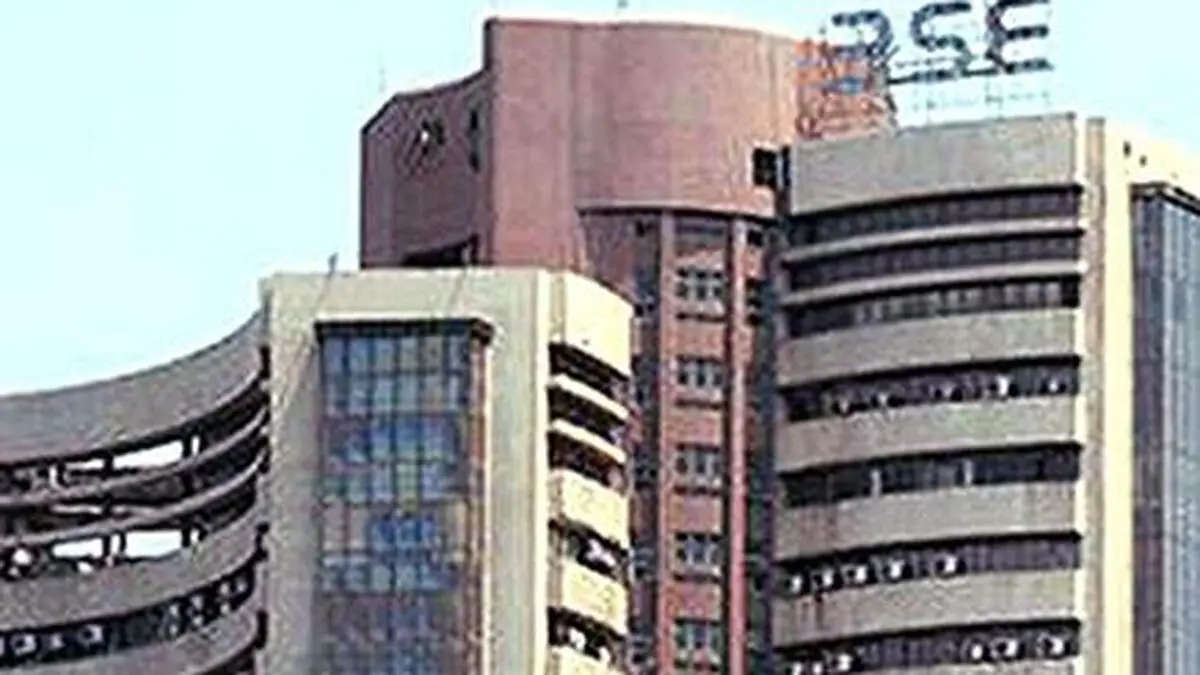
शेयर बाजार में बढ़ सकता है उतार-चढ़ाव, वैश्विक संकेतों और कच्चे तेल की कीमतों पर रहेगी नजर..

शेयर बाजार में बढ़ सकता है उतार-चढ़ाव, वैश्विक संकेतों और कच्चे तेल की कीमतों पर रहेगी नजर..


Show Quick Read

Key points generated by AI, verified by newsroom

Indian Stock Market Outlook: पश्चिम एशिया में जारी संघर्ष और कच्चे तेल की कीमतों में उतार-चढ़ाव इस सप्ताह शेयर बाजार की दिशा तय करने वाले प्रमुख कारक होंगे. विश्लेषकों ने कहा कि इसके अलावा अमेरिकी फेडरल रिजर्व के ब्याज दर के फैसले और मुद्रास्फीति के आंकड़े भी बाजार को प्रभावित करेंगे. आइए जानते हैं, 16 मार्च से शुरू हो रहे सप्ताह में मार्केट की चाल के विषय में…

क्या कहते हैं एक्सपर्ट?

रेलिगेयर ब्रोकिंग लिमिटेड के शोध उपाध्यक्ष अजित मिश्रा ने कहा कि यह सप्ताह घरेलू और वैश्विक स्तर पर कई महत्वपूर्ण घटनाक्रमों और आंकड़ों से भरा है. उन्होंने बताया कि भू-राजनीतिक घटनाक्रमों पर विशेष नजर रहेगी, क्योंकि कच्चे तेल की कीमतों पर उनका प्रभाव बाजार की समग्र दिशा को प्रभावित कर सकता है.

घरेलू मोर्चे पर, बाजार थोक मूल्य सूचकांक (डब्ल्यूपीआई) आधारित मुद्रास्फीति, व्यापार संतुलन के आंकड़े और विदेशी मुद्रा भंडार जैसे प्रमुख व्यापक आर्थिक संकेतकों पर नजर रखेंगे. 

बाजार में दिखा था दबाव

लाइवलॉन्ग वेल्थ के संस्थापक और शोध विश्लेषक हरिप्रसाद के. ने बताया कि वैश्विक जोखिम धारणा बिगड़ने, पश्चिम एशिया में बढ़ते तनाव और विदेशी संस्थागत निवेशकों (एफआईआई) की लगातार बिकवाली के कारण भारतीय बाजार पिछले सप्ताह भारी दबाव में रहे. पिछले सप्ताह बीएसई सेंसेक्स 4,354.98 अंक या 5.51 प्रतिशत टूट गया, जबकि एनएसई निफ्टी में 1,299.35 अंक या 5.31 प्रतिशत की गिरावट दर्ज की गई. 

पिछले महीने 27 फरवरी से अब तक सेंसेक्स 6,723.27 अंक या 8.27 प्रतिशत नीचे आ चुका है. विशेषज्ञों ने चेतावनी दी है कि होर्मुज जलडमरूमध्य में जारी गतिरोध वैश्विक कच्चे तेल आपूर्ति को सख्त बना सकता है, जिससे एशिया में मुद्रास्फीति बढ़ सकती हैं.

बाजार में उतार-चढ़ाव की उम्मीद 

एनरिच मनी के मुख्य कार्यपालक अधिकारी (सीईओ) पोनमुडी आर ने कहा कि आने वाले सप्ताह में काफी उतार-चढ़ाव रहने की उम्मीद है. पश्चिम एशिया के संघर्ष के कारण पोत परिवहन में होने वाली किसी भी देरी के चलते भारत जैसे उभरते बाजारों में वैश्विक पूंजी आवंटन पर असर पड़ सकता है. 

विदेशी निवेशकों ने मार्च के पहले पखवाड़े में घरेलू शेयरों से लगभग 52,704 करोड़ रुपये निकाले हैं. इसका मुख्य कारण पश्चिम एशिया में तनाव, रुपये की कमजोरी और भारतीय वृद्धि दर पर कच्चे तेल की ऊंची कीमतों का प्रभाव है. 

मोतीलाल ओसवाल का क्या है कहना?

मोतीलाल ओसवाल फाइनेंशियल सर्विसेज के शोध प्रमुख सिद्धार्थ खेमका ने कहा कि इस सप्ताह निवेशकों की नजर यूरो क्षेत्र के सीपीआई आंकड़ों, बैंक ऑफ इंग्लैंड (बीओई) और यूरोपीय केंद्रीय बैंक (ईसीबी) के नीतिगत फैसलों तथा अमेरिकी नौकरियों के आंकड़ों पर भी रहेगी. 

यह भी पढ़ें: निवेशकों के लिए खुशखबरी! Crisil ने 28 रुपये प्रति शेयर फाइनल डिविडेंड का ऐलान किया, जानें रिकॉर्ड डेट समेत अन्य जानकारी


Source link

Basmati rice exporter Amir Chand ₹440-cr IPO opens on March 24

Basmati rice exporter Amir Chand ₹440-cr IPO opens on March 24


Representative image
| Photo Credit:
lakshmiprasad S

Basmati rice exporter Amir Chand Jagdish Kumar(Exports) Ltd is set to launch its ₹440 crore initial public offering (IPO) on March 24.

The public issue will close on March 27, while the anchor investor bidding is scheduled to take place on March 23, according to the red herring prospectus (RHP).

The Haryana-based company’s proposed IPO will comprise a fresh issue of equity shares entirely, with no offer-for-sale (OFS) component.

The company plans to utilise the net proceeds from the issue to fund its working capital requirements and for general corporate purposes.

The Securities and Exchange Board of India (Sebi) granted its approval to the IPO in October 2025.

The offer size has been reduced to ₹440 crore compared to the ₹550 crore issue size proposed in the Draft Red Herring Prospectus (DRHP) filed in June 2025.

Ahead of the public issue, the company raised ₹13 crore in a pre-IPO round by allotting 7.55 lakh shares at ₹172 per share.

Amir Chand Jagdish Kumar (Exports) Ltd is a processor and exporter of basmati rice in India. The company markets its products under the flagship brand “Aeroplane”.

It competes with the likes of other large basmati rice companies, including KRBL Ltd, LT Foods and Sarveshwar Foods, and various other unorganised processors.

Apart from its core basmati rice business, the company has diversified into FMCG products, offering staples and other essential kitchen items.

For the nine-month period ended December 31, 2024, the company reported revenue from operations of ₹1,421.3 crore and a profit after tax of ₹48.77 crore.

The company’s shares are proposed to be listed on the BSE and NSE.

Published on March 15, 2026


Source link

Oil companies weigh refinery price freeze; move may hit MRPL, CPCL

Oil companies weigh refinery price freeze; move may hit MRPL, CPCL


State-owned oil marketing companies are considering paying refineries a price lower than the imported rates of petrol and diesel to limit mounting losses from a retail fuel price freeze, a move that could hit standalone refiners like MRPL, CPCL and HMEL.

International oil prices have risen from about $70 per barrel before the West Asia conflict to over $100, but retail petrol and diesel prices in India have remained unchanged, forcing oil marketing companies (OMCs) to absorb the impact.

With no immediate end to the conflict in sight, OMCs are exploring ways to limit losses on fuel sales, two sources aware of the matter said.

One option under consideration is either freezing or fixing a discount on the refinery transfer price (RTP) – the internal price at which refineries sell fuel to marketing arms – to effectively pay refineries less than the import-parity cost of the fuels like petrol and diesel.

The proposed move would prevent refiners from fully passing on higher crude costs through RTP, forcing them to absorb part of the impact if global oil prices remain elevated.

While integrated state-run firms such as Indian Oil Corporation Ltd (IOC), Bharat Petroleum Corporation Ltd (BPCL) and Hindustan Petroleum Corporation Ltd (HPCL) can offset part of the hit between refining and marketing operations, standalone refiners that rely on market-linked RTP for revenue could face a sharper margin squeeze, they said.

Mangalore Refinery and Petrochemicals Ltd (MRPL), Chennai Petroleum Corporation Ltd (CPCL) and HPCL-Mittal Energy Ltd (HMEL) – which have negligible retail presence and sell most of the petrol and diesel produced to the three OMCs – would be the most hit by the move.

The changes would also impact refiners like Nayara Energy and Reliance Industries Ltd if the freeze or discount on RTP is also implemented for private refiners, sources said.

The two private refiners sell a bulk of their production of petrol and diesel to OMCs, who own and operate 90 per cent of the over 1 lakh petrol pumps in the country.

Traditionally, petrol and diesel in India have been priced on an import parity basis, meaning the fuels are valued as if they were imported, even though it is primarily crude oil that is brought into the country and refined locally.

Refinery transfers of these products to oil marketing companies were based on import parity price (IPP) until June 2006, after which the government adopted trade parity pricing (TPP) – a benchmark that assigns 80 per cent weight to import parity price and 20 per cent to export parity price.

This pricing protected refinery margins, particularly of standalone refiners, who did not have the cushion of marketing margins on petrol and diesel, as the pricing was deregulated by the government in 2010 and 2014, respectively.

Despite being freed, petrol and diesel prices have not exactly moved in line with cost and have been frozen since April 2022, with OMCs absorbing losses when crude oil prices rise and making bumper profits when rates fell.

The move on the RTP freeze or discount move is being examined under-recoveries or losses on petrol and diesel have widened, sources said, adding that unlike cooking gas LPG, the government does not compensate OMCs for losses on auto fuels.

OMCs feel the freezing RTP would effectively distribute the financial burden across the refining ecosystem, but analysts say it could disproportionately affect independent refiners with limited downstream marketing exposure.

Also, it will distort the commitment of market price to standalone and private refiners, sources added.

Published on March 15, 2026


Source link

J-K achieves 97% target under PMAY-G, 3.23 lakh houses built

J-K achieves 97% target under PMAY-G, 3.23 lakh houses built


Jammu and Kashmir has completed more than 3 lakh houses under the Pradhan Mantri Awas Yojana-Gramin, achieving 97 per cent of the target, officials said on Sunday.

Rural Development and Panchayati Raj Department Secretary Mohammad Aijaz Asad directed officials to accelerate the pace of work for the remaining 11,340 houses under the scheme.

During a meeting to review the progress of PMAY-G in the Union Territory, he said the current phase of the scheme is nearing completion, and all works sanctioned under the existing phase must be completed without delay before the new phase begins.

The meeting was informed that a total of 3,23,299 houses has been completed, while work is in progress on the remaining 11,340 houses.

Asad directed assistant commissioners of development (ACDs) and block development officers (BDOs) to track each case and ensure that no sanctioned house remains incomplete.

He also instructed that any technical or administrative bottlenecks hindering progress be resolved immediately.

The secretary said that all pending works must be completed by April 15, stressing that officers should make every possible effort, even if it requires working around the clock, as houses left incomplete under the previous phase will not be taken up once the new phase begins.

He also directed the directors of rural development of the Jammu and Kashmir region to hold weekly review meetings and keep the department informed about the progress achieved.

He stressed the need for early release of pending instalments to beneficiaries, directing ACDs to conduct block-wise reviews in this regard.

Highlighting the recent survey conducted ahead of the launch of the new phase, he said that although it has been carried out using AI-based technology, deputy commissioners will still review to ensure that no eligible households are missed.

Published on March 15, 2026



Source link

Top-10 firms lose ₹4.48 lakh cr in mcap, SBI, HDFC Bank biggest laggards

Top-10 firms lose ₹4.48 lakh cr in mcap, SBI, HDFC Bank biggest laggards


Market weakness sustained due to a consistent rise in crude oil prices amid escalating West Asia conflict.
| Photo Credit:
Balaji W S 463@Chennai

The combined market valuation of the top-10 domestic firms eroded sharply by ₹4.48 lakh crore last week, in tandem with a steep decline in equities, with banking majors State Bank of India and HDFC Bank taking the biggest hit.

Last week, the BSE benchmark Sensex tanked 4,354.98 points or 5.51 per cent, and the NSE Nifty dropped 1,299.35 points or 5.31 per cent as surging crude prices raised concerns over inflationary pressures and global economic stability amid the widening conflict in West Asia.

“The primary driver behind the market weakness was the sustained rise in crude oil prices following the escalating conflict between Iran, the United States and Israel. Brent crude surged past $101 per barrel, raising concerns over India’s fiscal position and inflation outlook,” Ajit Mishra – SVP, Research, Religare Broking Ltd, said.

The market valuation of State Bank of India tumbled ₹89,306.22 crore to ₹9,66,261.05 crore.

HDFC Bank faced an erosion of ₹61,715.32 crore to ₹12,57,391.76 crore.

The valuation of Bajaj Finance dived ₹59,082.49 crore to ₹5,32,053.54 crore and that of Tata Consultancy Services (TCS) tanked ₹53,312.52 crore to ₹8,72,067.63 crore.

The market capitalisation (mcap) of ICICI Bank dropped by ₹42,205.04 crore to ₹8,97,844.78 crore and that of Bharti Airtel plunged ₹38,688.78 crore to ₹10,28,431.72 crore.

Reliance Industries’ valuation fell by ₹33,289.88 crore to ₹18,68,293.17 crore.

The mcap of LIC diminished by ₹31,245.49 crore to ₹4,88,985.57 crore and that of Infosys declined by ₹24,230.96 crore to ₹5,06,315.58 crore.

Hindustan Unilever’s mcap dipped by ₹15,401.57 crore to ₹5,07,640.94 crore.

Reliance Industries remained the most valued domestic firm, followed by HDFC Bank, Bharti Airtel, State Bank of India, ICICI Bank, TCS, Bajaj Finance, Hindustan Unilever, Infosys and LIC.

Published on March 15, 2026



Source link

YouTube
Instagram
WhatsApp