US to invest .5 bn in energy security, LNG infrastructure in India & SE Asia to catalyse exports

US to invest $1.5 bn in energy security, LNG infrastructure in India & SE Asia to catalyse exports


The platform, with a total target project cost of $3 billion, aims to strengthen energy security, support growing LNG demand, expand US energy exports, and address critical infrastructure shortages in the Indo-Pacific region.
| Photo Credit:
iStockphoto

In a significant move, the US will invest $1.5 billion, or roughly ₹14,400 crore, through an investment platform to create energy infrastructure, including liquefied natural gas (LNG), in India and Southeast Asia.

“The Investment Platform invests in Asia energy infrastructure to strengthen US allies’ energy security and expand US LNG and other hydrocarbon, equipment, and service exports to the Indo-Pacific,” said the US International Development Finance Corporation (DFC) on Wednesday.

“In partnership with US infrastructure investor I Squared Capital, DFC will invest $1.5 billion to establish an investment platform to facilitate buildout of energy security infrastructure across the Indo-Pacific, focusing primarily on South and Southeast Asia,” the agency said.

DFC Board of Directors approved $2.5 billion in new strategic investments aimed at strengthening US supply chains, expanding energy exports, supporting regional peace & stability, and bolstering economic cooperation.

These deals reflect DFC’s continued use of private capital as a core instrument of American economic statecraft, deploying debt, equity, and political risk insurance across the capital stack and investment structures to advance US strategic objectives, the US government’s international investment arm said.

Single largest investment

“This deal represents the single largest project investment in DFC’s history,” the investment agency said.

The target DFC investment of $1.5 billion will be through a combination of debt and equity financing.

The investment platform will mobilise US private capital to develop LNG and other energy infrastructure in the region. The total target project cost is $3 billion.

“The platform will aim to address shortage of critical energy infrastructure in these markets that limits energy security, drives price volatility and constrains industrial growth, and look to expand US natural gas and related energy exports to the region,” DFC said.

Rationale

These deals exemplify the shift in DFC’s strategy. The investments approved in today’s (Wednesday) successful board meeting will develop critical infrastructure in Southeast Asia, said DFC CEO Ben Black.

South and Southeast Asia are experiencing strong LNG demand growth, driven by rising power needs, declining domestic gas production in certain markets, and a shift away from coal, DFC said.

“Given the region’s expected economic growth, DFC believes that reliable LNG and other petroleum products infrastructure will be important to meet energy demand.

“The Infrastructure Platform will seek to address this opportunity by acquiring controlling stakes in LNG and other petroleum products supply chain assets across key South and Southeast Asian markets, with a focus on import and storage, transmission and distribution logistics, end-use infrastructure, and related marine assets,” it added.

Published on June 4, 2026


Source link

गर्मी की छुट्टियों के बीच इस राज्य में बढ़ गया स्कूल बस का किराया, पैरेंट्स का बिगड़ा बजट

गर्मी की छुट्टियों के बीच इस राज्य में बढ़ गया स्कूल बस का किराया, पैरेंट्स का बिगड़ा बजट


School Bus Fare Hike: देशभर में महंगाई की मार देखने को मिल रही है. पिछले कुछ समय में पेट्रोल- डीजल की कीमतों में 4 बार इजाफा हुआ है. जिससे आम आदमी की जेब पर बोझ पड़ गया. महंगाई का असर व्यक्ति की रोजमर्रा की जिंदगी पर भी तेजी से पड़ रहा है. इसी बीच अब देश के ही एक महत्वपूर्ण राज्य में स्कूल बस का किराया बढ़ा दिया गया है. जिससे आम आदमी की जेब पर एक और बोझ बढ़ गया है.

किस राज्य में बढ़ा किराया?
दरअसल महाराष्ट्र में स्कूल बस संचालकों ने जून 2026 से स्कूल बसों की फीस में 15% की बढ़ोतरी करने का फैसला किया है. स्कूल बस संचालकों का कहना है कि बढ़ते खर्च और सरकार से कोई राहत न मिलने के कारण उन्हें ये कदम उठाना पड़ रहा है. स्कूल बस ओनर्स एसोसिएशन महाराष्ट्र के अनुसार, उन्होंने कई बार राज्य सरकार, परिवहन मंत्रालय और अन्य संबंधित अधिकारियों को अपनी समस्याओं से अवगत कराया. इसके लिए ज्ञापन और प्रस्ताव भी सौंपे गए, लेकिन उनकी मांगों पर कोई कार्रवाई नहीं हुई.

ये भी पढ़ें: Wedding SIP: बिना कर्ज लिए करनी है शाही शादी? आज ही शुरू करें वेडिंग एसआईपी और बनाएं बड़ा फंड, समझें गणित

कई विकल्पों का भी किया विचार
एसोसिएशन का कहना है कि उन्होंने स्कूल बसों की फीस बढ़ाने से पहले कई विकल्पों पर भी विचार किया, उन्होंने ऐसे सुझाव भी दिए थे जिससे पैरेंट्स पर एक्स्ट्रा बोझ न पड़े. हालांकि बावजूद इसके सरकार की तरफ से कोई जवाब नहीं आया. इसी कारण 2026-27 के शैक्षणिक सत्र के लिए बस की फीस बढ़ाने का फैसला लेना पड़ा.

केवल ईंधन ही नहीं है कारण
बस संचालकों ने साफ किया है कि बस का फेयर बढ़ाने का फैसला केवल डीजल की कीमतों में वृद्धि की वजह से नहीं लिया है. बल्कि उन्होंने ईंधन, ड्राइवर और अन्य कर्मचारियों की सैलरी, वाहन के रखरखाव, बीमा, टोल टैक्स, परमिट फीस और अन्य खर्चों में लगातार बढ़ोतरी के कारण लिया है. इसके अलावा ई-चालान और विभिन्न नियमों के तहत लगने वाले जुर्मानों का बोझ भी बढ़ा है.

ये भी पढ़ें: TCS Share Crash: टीसीएस के शेयरों में 9% की एतिहासिक गिरावट, कोविड काल के बाद सबसे बड़ा सिंगल-डे क्रैश


Source link

Led by Poland & China, central banks turned net buyers of gold in April

Led by Poland & China, central banks turned net buyers of gold in April


FILE PHOTO: Gold bars are stacked in the safe deposit boxes room of the Pro Aurum gold house in Munich, Germany, January 10, 2025. REUTERS/Angelika Warmuth/File Photo
| Photo Credit:
ANGELIKA WARMUTH

After having been net sellers of gold in March, central banks turned net buyers of the precious metal in April, led by Poland and China, data from the World Gold Council (WGC).showed.

“Central banks resumed net gold purchases in April, having bought 17 tonnes. This was a rebound from the sizable net sales reported in March,” said Marissa Salim, Senior Research Lead, Asia Pacific (APAC), WGC. 

However, the pace of accumulation of the yellow metal slowed in April.

According to Salim, Poland was the top buyer in the month, purchasing 14 tonnes.  China intensified buying to a 16-month high at 8 tonnes of net purchase). It extended Beijing’s current buying run to 18 consecutive months. 

Czech consistency

The Czech Republic showed similar consistency in purchases,  buying 3 tonnes in April – its 38th consecutive monthly purchase. However, Russia continued its sales streak this month. It sold 6 tonnes. With this, it has sold 22 tonnes since January this year. 

The WGC data showed that the National Bank of Poland has purchased 45 tonnes since the beginning of the year. Its gold reserves are currently at 595 tonnes, making up  about 30 per cent of its total reserves.

In March, Polish President Karol Nawrocki and central bank governor Adam Glapiński said they would use gold reserves  to finance military expenditure. However, its finance minister Andrezej Domanski has ruled out such a move. 

In China, official gold reserves now stand at 9 per cent of total reserves or around 2,322 tonnes. China has been consistently purchasing gold and has been one of the factors pushing up the prices of the yellow metal.

Uzbekistan sells

The Czech National Bank’s modest but consistent purchases had led its  gold reserves to rise to 79 tonnes or 6 per cent of its total reserves.

The WGC said Eastern European and Asian central banks continued to dominate gold purchases with consistent purchases. Over the past 36 months, both regions have purchased 12 tonnes and 11 tonnes per month, respectively, on average. Global central banks activity shows average net purchases of 29 tonnes over the same period.

On the other hand, the Central Bank of Uzbekistan sold one tonne in April. However, it is a net purchaser year-to-date (24 tonnes). It is second only to Poland. Uzbekistan’s reserves make up 88 per cnt of its total reserves or around 414 tonnes.

The Central Bank of Russia, on the other hand, has been selling gold since the beginning of the year.  

The Central Bank of the Republic of Turkey, which was the top seller of gold in March, reported its gold reserves flat in April. Weekly data showed that short-term gold/dollar swaps matured in April, leaving only longer-term (1-3 month) gold/dollar swaps outstanding.  

Iran war ends rally

The Turkish central bank sold gold in March to defend its currency, which dropped sharply against the dollar, and also for liquidity purposes. Overall, it has sold close to 80 tonnes so far this year.

Besides Russia and Turkey, other countries that have sold gold are Azerbaijan, and Kazakhstan. 

Gold owes its glittering rally from 2024 to January 2026 to purchases by the Central banks. Besides them, the precious metal soared due to hopes of rate cut by the US Fed, geopolitical crisis, trade disputes between the US and others, particularly China. These developments saw gold emerge as a strategic investment asset.

However, the outbreak of the Iran war has seen a total change in the outlook for gold. The yellow metal, which soared to a high of $5,608 an ounce on January 29, has lost over 20 per cent since then. On Wednesday, it was quoted at $4,430 at 1915 hours IST. 

The Iran war has stoked fears of inflation, a fall in the global economic growth, particularly due to crude oil prices soaring to $100 a barrel. Investors have also switched over to the crude oil complex from gold with the surge in the fossil fuel prices.  

Published on June 3, 2026


Source link

Athlete, scientist, politician: Who is Karnataka’s new Deputy CM Parameshwara?

Athlete, scientist, politician: Who is Karnataka’s new Deputy CM Parameshwara?


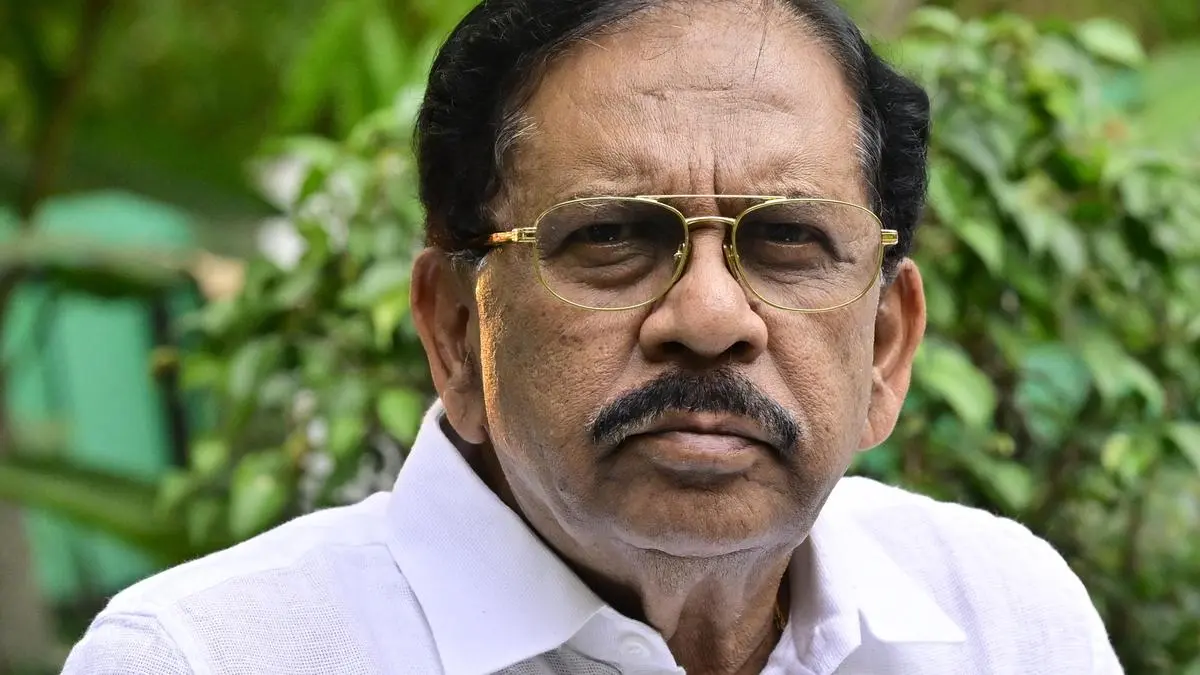
G Parameshwara
| Photo Credit:
MURALI KUMAR K

From sprinting on the athletics track to pursuing agricultural research in Australia and eventually navigating through the tumultuous Karnataka politics, G Parameshwara’s story is one of perseverance, scholarship and public service.

A trusted organisational hand of the Congress and one of its most prominent Dalit faces in Karnataka, Parameshwara, on Wednesday returned to the post of Deputy Chief Minister, marking yet another milestone in a political career spanning more than three decades.

The 74-year-old leader, who has spent years strengthening the Congress party’s grassroots network in Karnataka, has long been regarded as one of the party’s most disciplined and dependable administrators.

His elevation as Deputy Chief Minister in the D K Shivakumar-led government is widely seen as recognition of his enduring contribution to the organisation and governance.

An efficient leader

Parameshwara’s organisational prowess is perhaps best reflected in his record as the longest-serving president of the Karnataka Pradesh Congress Committee (KPCC), a position he held from October 27, 2010, to July 4, 2018.

Under his stewardship, the Congress registered a resounding victory in the 2013 Assembly elections, returning to power in Karnataka with a comfortable majority after a decade in the opposition.

Although the party fell short of a majority in the 2018 Assembly polls, it successfully stitched together a coalition government with the JD(S), paving the way for Parameshwara’s first stint as Deputy Chief Minister in the H D Kumaraswamy-led administration.

When the Congress returned to power in 2023 under Siddaramaiah’s leadership, Parameshwara was entrusted with the crucial Home portfolio.

Born on August 6, 1951, at Gollahalli village, now known as Siddharth Nagar in Tumakuru district, to Gangamalamma Chikkanna and former MLC H M Gangadharaiah, Parameshwara’s early years were rooted in rural Karnataka.

He received his primary education in a government school in Gollahalli before completing his secondary education at Siddhartha High School.

An athlete during his student days, Parameshwara competed at both state and national levels. Despite having an opportunity to pursue higher sporting ambitions, he chose academics over athletics. His academic journey led him to the University of Agricultural Sciences, Bengaluru, where he earned both his BSc and MSc degrees in Agriculture.

He later obtained a PhD from the Waite Agricultural Research Centre at the University of Adelaide in Australia, establishing himself as an accomplished agricultural scientist before entering public life.

Remarkable record

According to Congress sources, Parameshwara was persuaded to join politics by then Prime Minister Rajiv Gandhi and made his debut in electoral politics in 1989 by fighting the Assembly election from the Madhugiri constituency on a Congress ticket.

Over the years, he emerged as one of the party’s most successful electoral leaders in the state.

Except for a lone defeat in the 2013 Assembly election, Parameshwara has enjoyed a remarkable electoral record, representing both Madhugiri and Koratagere Assembly constituencies three times each.

Beyond politics, Parameshwara remains closely associated with educational and social initiatives. He married Kannika Parameshwari in 1982, and the couple has a daughter, Shana Parameshwari.

With a career that has traversed athletics, academia and public life, Parameshwara’s return to the Deputy Chief Minister’s office adds another chapter to the journey of the leader.

Published on June 3, 2026


Source link

बिना कर्ज लिए करनी है शाही शादी? आज ही शुरू करें वेडिंग एसआईपी और बनाएं बड़ा फंड, समझें गणित

बिना कर्ज लिए करनी है शाही शादी? आज ही शुरू करें वेडिंग एसआईपी और बनाएं बड़ा फंड, समझें गणित


Wedding SIP: क्या आप भी सपने देखते हैं कि आपकी शादी रॉयल और ग्रैंड हो? क्या आप भी सेलेब्स की तरह डेस्टिनेशन वेडिंग करना चाहते हैं? या फिर आपको भी सेलेब्स की तरह अपनी शादी में डिजाइनर लहंगा पहनना है? तो इसके लिए बहुत सारे रुपये भी चाहिए, वो कहां से आएंगे? ये कोई मुश्किल काम नहीं है बल्कि बेहद आसान है. इसके लिए बहुत थोड़ी सी समझ और एक रुटीन होना जरूरी है. आइये बताते हैं कैसे.

शादी के लिए कैसे जोड़े पैसे?
आजकल शादी का खर्च लाखों रुपये तक पहुंच जाता है. ऐसे में कई लोग शादी के लिए लोन लेते हैं या अपनी सेविंग्स को खत्म कर देते हैं. लेकिन अगर आप अपनी सेविंग्स भी बचाकर रखना चाहते हैं और लोन भी नहीं लेना चाहते, तो आप अभी से ही निवेश शुरू कर दें. इसके लिए आप वेडिंग SIP का सहारा ले सकते हैं. ये आसान भी होगा और आपको बहुत ज्यादा कर्ज भी आपके ऊपर नहीं चढ़ेगा.

ये भी पढ़ें: TCS Share Crash: टीसीएस के शेयरों में 9% की एतिहासिक गिरावट, कोविड काल के बाद सबसे बड़ा सिंगल-डे क्रैश

कैसे करेगी वेडिंग SIP काम?
शादी तो कभी ना कभी हर किसी को करना ही होती है, ऐसे में यदि मान लीजिए आपकी शादी 10 साल बाद होना है और इसके लिए 20 लाख रुपये की जरूरत है. अगर आप अभी से हर महीने SIP में निवेश शुरू करते हैं और लगभग 12% सालाना रिटर्न आपको मिलता है तो लाखों रुपया अपनी शादी के लिए जमा कर सकते हैं.

अगर आपकी शादी को 5 साल हैं, तो भी आप करीब 5 लाख रुपये की सेविंग तो कर ही सकते हैं. इसके लिए आपको हर महीने करीब 2500 रुपये SIP में निवेश करना होगा. ये कोई बड़ी रकम नहीं है, लेकिन ये आपकी शादी में आपका खर्च तो उठा ही सकती है.

ये भी पढ़ें: संकट में भारत की ‘रूसी तेल लाइफलाइन’, क्या फिर महंगा होगा पेट्रोल-डीजल, अमेरिका ने अब क्या किया?

कौन से खर्च हो सकते हैं पूरे?
अगर आप दुल्हन हैं और आपने 5 लाख रुपये SIP के जरिए जमा कर रखे हैं, तो आपकी शादी के कपड़े, गहने, हर फंक्शन का मेकअप, जूते- चप्पल, जैसे खर्चो को आप खुद ही उठा सकती हैं. ऐसा करने से आपको किसी भी चीज के लिए मन नहीं मारना होगा और परिवार के ऊपर भी ज्यादा बोझ नहीं पड़ेगा.

तो वहीं यदि आप दूल्हा हैं, तो कपड़े गहनों का तो खर्च नहीं होता है. लेकिन आप अपनी शादी की केटरिंग या हॉल बुक करने जैसी सुविधाओं का बोझ खुद उठा पाएंगे. या इससे आप शादी के बाद हनीमून पर भी जा पाएंगे.


Source link

Grievance redressal mechanism being framed to prevent hospital-health insurance stand-off

Grievance redressal mechanism being framed to prevent hospital-health insurance stand-off


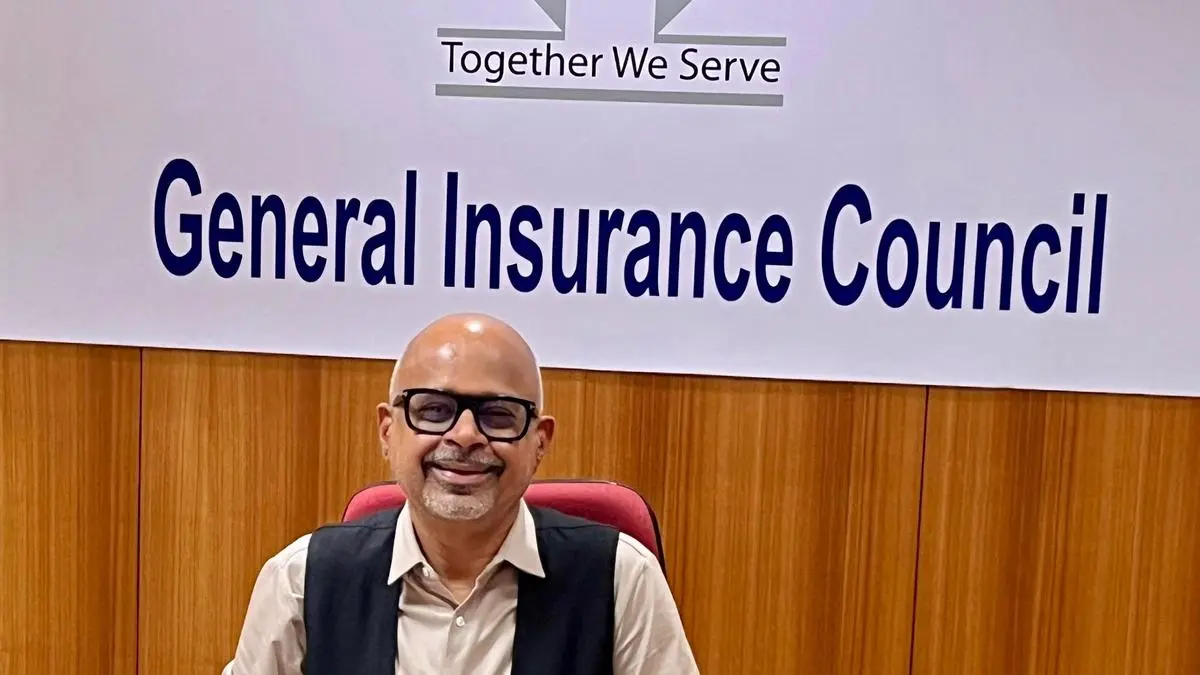
Hospitals and insurance company representatives have been meeting every month for the last four months to iron out differences and put in place confidence-building measures, including training in digital systems and instituting grievance redressal mechanisms, said Dr S Prakash, Chief Executive Officer at General Insurance Council (Health Insurance Ecosystem and Strategic Partnerships).

The efforts come against the backdrop of several flare-ups between provider hospitals and payers (insurance companies) last year that had caused much anxiety among patients on whether their insurances would be honoured at hospitals.

“Four round-table meetings have happened for the first time…. and payers and providers are in alignment for the first time,” Prakash told businessline on the measures being discussed between hospital associations like the Association of Healthcare Providers of India (AHPI), doctors and the General Insurance (GI) Council (representing 32 companies). Dr Prakash was appointed to this role with the GI Council in January this year.

Some concrete measures being discussed include having standard treatment protocols for common ailments to start with, which could help define pricing, he said. “If payers and providers have a common clinical care pathway, it prevents ambiguity,” he said, and would build people’s confidence in doctors and hospitals, paving the way for faster insurance payments.

A critical “pillar” of these monthly engagements is the grievance redressal platform between hospitals and insurance providers. It is a “pre-litigation conciliatory platform,” says Prakash, of the formal forum being framed to iron out issues between the two. The point is to engage and iron out differences, he says, so “the ecosystem can function in proper alignment so that patients don’t suffer.”

Capacity building

Training on digital systems or “capacity building”, especially at smaller hospitals, is also on the agenda for better use of the cashless insurance and reimbursement systems, he said. In fact, discussions are underway with the Quality Council of India (QCI, an autonomous body under the central government) and the National Accreditation Board for Hospitals and Healthcare Providers (NABH), said Prakash, to channelise “what is fragmented in the system.” Pointing out the importance of smaller healthcare facilities, he said, “primary care is essential care available close to the living,” and they need to be empowered to provide insurance coverage, he added.

Published on June 3, 2026


Source link

YouTube
Instagram
WhatsApp