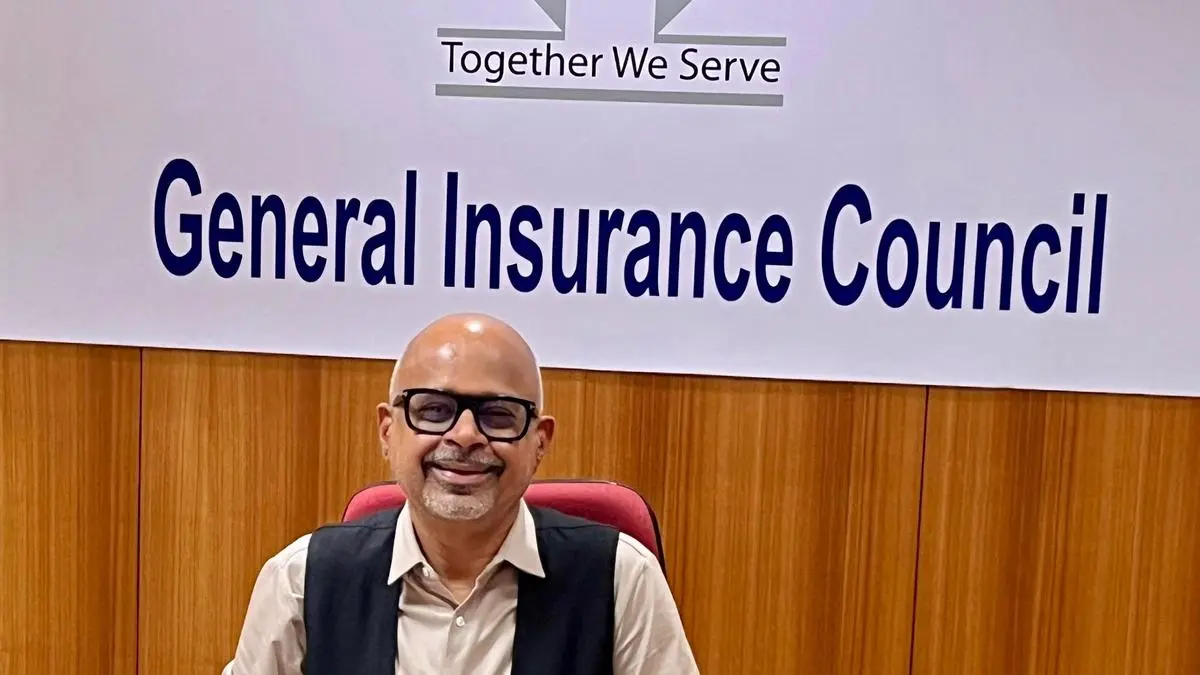
Hospitals and insurance company representatives have been meeting every month for the last four months to iron out differences and put in place confidence-building measures, including training in digital systems and instituting grievance redressal mechanisms, said Dr S Prakash, Chief Executive Officer at General Insurance Council (Health Insurance Ecosystem and Strategic Partnerships).
The efforts come against the backdrop of several flare-ups between provider hospitals and payers (insurance companies) last year that had caused much anxiety among patients on whether their insurances would be honoured at hospitals.
“Four round-table meetings have happened for the first time…. and payers and providers are in alignment for the first time,” Prakash told businessline on the measures being discussed between hospital associations like the Association of Healthcare Providers of India (AHPI), doctors and the General Insurance (GI) Council (representing 32 companies). Dr Prakash was appointed to this role with the GI Council in January this year.
Some concrete measures being discussed include having standard treatment protocols for common ailments to start with, which could help define pricing, he said. “If payers and providers have a common clinical care pathway, it prevents ambiguity,” he said, and would build people’s confidence in doctors and hospitals, paving the way for faster insurance payments.
A critical “pillar” of these monthly engagements is the grievance redressal platform between hospitals and insurance providers. It is a “pre-litigation conciliatory platform,” says Prakash, of the formal forum being framed to iron out issues between the two. The point is to engage and iron out differences, he says, so “the ecosystem can function in proper alignment so that patients don’t suffer.”
Capacity building
Training on digital systems or “capacity building”, especially at smaller hospitals, is also on the agenda for better use of the cashless insurance and reimbursement systems, he said. In fact, discussions are underway with the Quality Council of India (QCI, an autonomous body under the central government) and the National Accreditation Board for Hospitals and Healthcare Providers (NABH), said Prakash, to channelise “what is fragmented in the system.” Pointing out the importance of smaller healthcare facilities, he said, “primary care is essential care available close to the living,” and they need to be empowered to provide insurance coverage, he added.
Published on June 3, 2026







