Over 55 Lakh Students Added to Public Schools After 2017: CM Adityanath – News18

Over 55 Lakh Students Added to Public Schools After 2017: CM Adityanath – News18


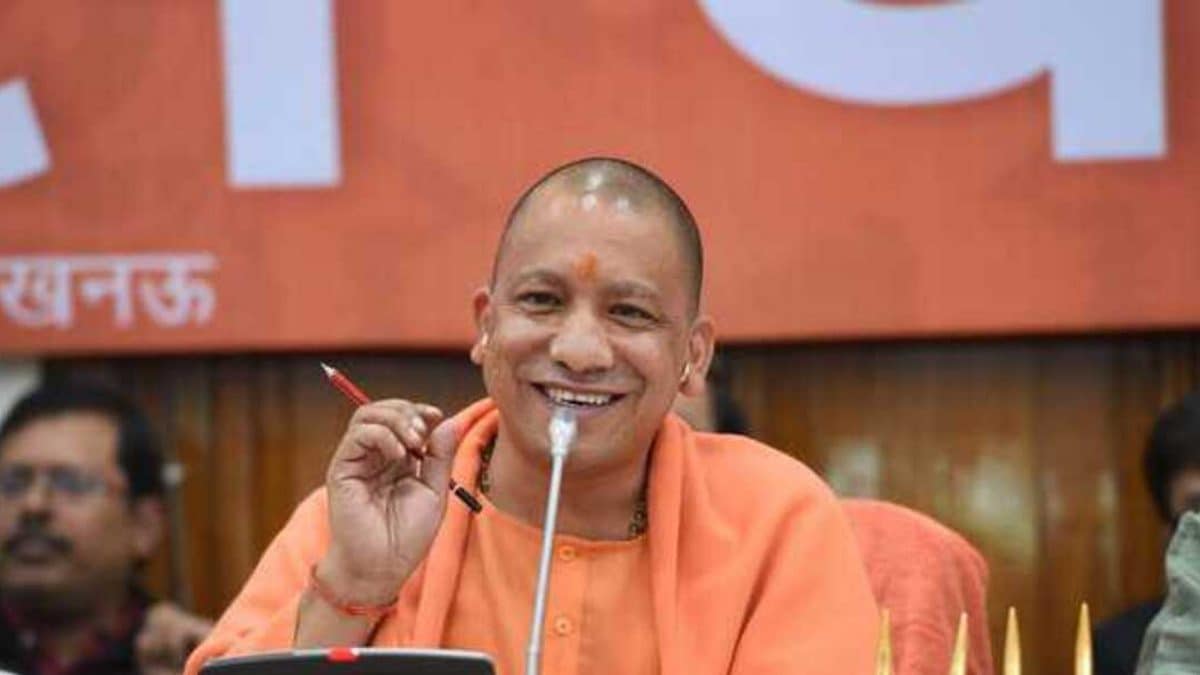
The chief minister said that the teachers must remain vigilant that the money sent for children are utilised properly (File pic/PTI)

Addressing a programme, Adityanath released a sum of Rs 1,200 per student studying in schools under the state government’s Basic Education department for the academic session 2023-24

Children were previously afraid of going to public schools in the state but in the last six years, 55 to 60 lakh students have been added to the same schools, Uttar Pradesh Chief Minister Yogi Adityanath said on Wednesday.

Adityanath said the number of students studying in elementary schools in UP is more than 1.91 crore, which is more than “the entire population of many countries,” according to an official statement.

Addressing a programme here, Adityanath released a sum of Rs 1,200 per student studying in schools under the state government’s Basic Education department for the academic session 2023-24.

“An additional 55 to 60 lakh children have been registered in the same schools of the Basic Education Department in the last six years where students were afraid to go prior to 2017,” Adityanath was quoted as saying in the statement.

On the allowance for school students, the chief minister said, “This amount has been transferred to their parent’s bank accounts through DBT (Direct Benefit Transfer) for the purchase of their uniforms, sweater, school bag, shoes, and stationery as per their size and choices.” Adityanath said teachers should hold discussions with parents so that students get the books, uniforms, etc, on time and the entire process should be monitored at the school level through the principal and teachers.

The chief minister said that the teachers must remain vigilant that the money sent for children are utilised properly.

“It is our responsibility to communicate with the parents of students who dropout of school midway. them, these children can be encouraged to continue their education and make positive contributions.” This will also help in ascertaining how many children are actually studying in the schools of the Basic Education Department, he added.

Citing a NITI Aayog report, Adityanath said education was the foremost among the necessary factors essential for achieving the goal of poverty-free Uttar Pradesh.

On recruitment of teachers, the CM said that in the last six years, 1.64 lakh teachers have been recruited in the state.

“Before 2017, there was a severe shortage of teachers, while in the past six years, 1.64 lakh teachers have been recruited in the basic and secondary education boards,” he said.

“Additionally, refresher courses should be conducted regularly for the teachers to keep them updated,” he added.

The chief minister said the process of creating an ‘Education Commission’ within the state is also currently underway.

Expressing gratitude to the institutions that have contributed to the progress of the Basic Education Council’s Operation Kayakalp, he honoured six such institutions for providing funds for infrastructure improvement and facilities.

(This story has not been edited by News18 staff and is published from a syndicated news agency feed – PTI)


Source link

On Guwahati’s Streets, Assam’s Indigenous Women Vegetable Vendors Fulfil CM Himanta Biswa Sarma’s Wish – News18

On Guwahati’s Streets, Assam’s Indigenous Women Vegetable Vendors Fulfil CM Himanta Biswa Sarma’s Wish – News18


In her early forties, Bhagya Rabha sells vegetables on the pavement in South Sarania at Guwahati, close to the Kasturba Gandhi Ashram where Mahatma Gandhi once stayed during his visit to Assam. The mother of three children who hails from Bhalukmara village of Boko, some 55 kilometres from capital Guwahati, started her business of selling vegetables in the capital city as an experiment.

“During the Covid times, I along with a few other women from our village thought of selling vegetables in the capital city. At that time the city used to be empty and we could put our stall anywhere and the demand for vegetables, especially the indigenous ones, was high,” said Bhagya Rabha.

Gradually the experiment in the trying times turned into a full-time profession for Bhagya and a few other indigenous women like her. Today, there are many squares and pavements in Guwahati where the search for fresh and local vegetables ends with these indigenous women from Boko and adjoining tribal areas. From bottle gourd to taro, from pineapples to peaches and plums, everything is fresh, local, and organic.

On an average day, dawn breaks at 3 am for Bidya Rabha when she goes to the local Boko market to get supplies to be traded in Guwahati.

“The vegetables are normally collected earlier in the evening and brought to the market. It’s normally what the villagers grow in small quantities that are collected so it’s totally local and cultivated with cow dung manure. My husband has a mini-truck on which we travel to Guwahati. By the time we reach home, it’s almost 11 pm. I hardly get three to four hours of sleep. Both my girls are happily married but my 12-year-old son is hearing impaired and I struggle for him,” said Bidya Rabha.

Six women from her village have formed a group and work collectively. According to her, at the end of the day, she saves five hundred to thousand rupees.

Bidya belongs to the Rabha community of Assam. The Rabha is a Tibeto-Burman community indigenous to the Indian states of Assam, Meghalaya, and West Bengal. They primarily inhabit the plains of Lower Assam and the Dooars, while some are found in the Garo Hills. The Rabha community has a rich, multi-faceted, and distinct culture of its own. The Rabha society is matrilineal and the village economy is based on agriculture.

Today many like Bidya Rabha come to the capital city every day to sell vegetables, which are not sprayed with water, are fresh, and come for a price.

“Our vegetables are organic and we do not spray water on them to keep them fresh. These vegetables are harvested the previous evening. Therefore our vegetables cost a bit more than the vegetables you find in the city which come from the riverine areas,” added Bidya Rabha.

Recently, Assam chief minister Himanta Biswa Sarma blamed the ‘Miya’ Muslim community for the inflated prices of vegetables in the state.

“The vegetable rates are lower in the rural areas; however, the prices are increased when they are brought to the urban places. ‘Miya’ people have taken control of the local vegetable markets,” mentioned the CM. He also urged the Assamese youths to come forward and learn from the ‘Miya’ Muslims to be industrious.

‘Miya’ Muslims are descendants of migrant Bengali Muslims who lived in the Brahmaputra Valley during the British colonialism of Assam in the 20th century. These migrants came from the divisions of Mymensingh, Rangpur, and Rajshahi in present-day Bangladesh.

The chief minister said, “We have seen on the recent Eid, most of the roads in Guwahati were vacant as they were celebrating the festival and were absent from work.”

The CM’s remarks came after the All India United Democratic Front (AIUDF) chief Badruddin Ajmal said that the Assamese community is incomplete without the Muslim people.

The Assam chief minister said that the state and its people need to accept that the work culture of the Assamese community is slowly diminishing for which a particular community has started to have a hold on the financial conditions of the state.

“Instead of feeling envious, we need to compete with them. Lower Assam especially Guwahati is dependent on Kharupetia for vegetables. However, news reports in various newspapers and channels are suggesting that excessive fertilisers are used in these vegetables. As a result of this, we are infected with diseases related to the liver and kidneys. Even after being aware of the matter, the Assamese youths refuse to grow their own vegetables in their backyard.

Women like Bhagya Rabha not only have made a mark in the streets of Guwahati and among her customers but also have realised the wish of chief minister Himanta Biswa Sarma.


Source link

Oommen Chandy: A Rare Name, A Rarer Mass Leader – News18

Oommen Chandy: A Rare Name, A Rarer Mass Leader – News18


Though he emerged as the tallest leader of the Congress in Kerala, he never wanted to go beyond its boundaries. File pic: Twitter/@SudhakaranINC

The Congress leader and two-time Kerala chief minister who passed away in Bengaluru at the age of 79 on Tuesday was popular among Keralites as the most compassionate and spartan leader in recent times

You may struggle to meet a man named Oommen Chandy other than the former Kerala chief minister and Congress leader who passed away in Bengaluru on July 18. It is not just the uniqueness of his name that made the 79-year-old leader rare but also his popularity among Keralites as the most compassionate and spartan leader in recent times.

Though he emerged as the tallest leader of the Congress in the state, he never wanted to go beyond its boundaries. He chose to remain close to his home turf, Puthupally in Kottayam district, which he represented in the state assembly by setting the record for the longest tenure of 53 years in 12 polls. One could see a reluctant bride when he was made AICC general secretary in charge of Andhra Pradesh in 2018.

Looks may deceive as the unassuming leader was one of the most astute politicians in Kerala who ushered in a generational shift in the state Congress. This started in 1970 when he, the president of the state Youth Congress, was elected to the assembly with a host of Young Turks.

He was initiated into politics through the Kerala Students Union, the student wing of the state Congress. A graduate in law, Chandy went on to become the minister of labour at the age of 33 in his second term in the assembly in 1977 and became home minister at the age of 37 in his third term in 1980. However, he had to wait for almost a quarter of a century to get the coveted post of chief minister.

The mantle fell on Oommen Chandy in 2004 when his leader AK Antony had to resign following a pathetic show in the Lok Sabha elections.

After his term as chief minister, in 2006, he led the opposition till 2011. In the same year, he returned to power with a wafer-thin majority of two seats. Though the then opposition leader ridiculed it as “a government which may fall if two members go to the loo together”, Chandy retorted with the example of the longest-serving government in the state between 1970 and 77. He was determined to complete the term and during this second stint, he launched a mass contact programme to meet people, hear their grievances, and ensure relief to them. His programme was widely lauded as a unique democratic experiment in which the chief minister of a state met thousands of people directly. The programme received the United Nations Global Award for Public Service in 2013.

However, the solar scam which was linked to some members of his office hit the party as well as the government. He had to pay a heavy price for this in his professional and personal life. He could not lead his party to victory in 2016 and, accepting defeat, he remained an MLA without any other offices. He continued his winning streak in 2021 too.

Then his health deteriorated and he faded away from the mainstream though Chandy remained in the hearts of millions whose lives were transformed by his interventions.

Oommen Chandy is survived by his wife Mariamma and children Maria Oommen, Chandy Oommen, and Achu Oommen.


Source link

4 Safety Tips For Parents Sending Their Child On School Trips – News18

4 Safety Tips For Parents Sending Their Child On School Trips – News18


Ensure your child remembers a contact number of a responsible family member.

Inquire about the transportation arrangements, the number of students and teachers accompanying them.

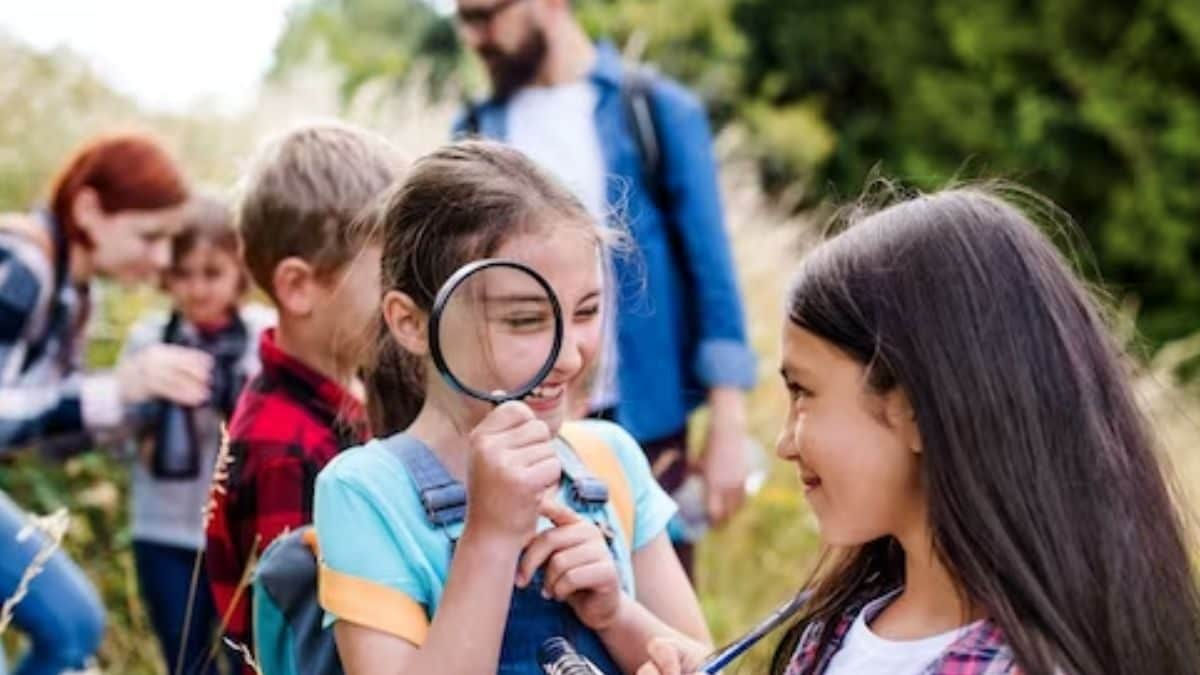
Sending children on school trips can be both exciting and worrisome for parents. Ensuring their safety is of utmost importance and by following a few essential safety tips, you can help protect and provide peace of mind during these trips.

Take All the Details: Before allowing your child to go on a school trip, gather all the necessary details. Inquire about the transportation arrangements, the number of students and teachers accompanying them, the planned itinerary, and the security measures implemented by the school. Pay attention to medical facilities, especially in remote or hilly areas, and areas with bodies of water, to ensure prompt assistance in case of emergencies.

Give Strict Instructions to Children:

Educate your child about the importance of following instructions given by trip authorities. Emphasise the importance of not engaging with strangers or accepting anything from them. Encourage your child to stay in groups with teachers and friends at all times. Teach them to seek permission from teachers before going anywhere and to inform a responsible adult if they need to leave the group temporarily.

Health Safety Tips:

Prepare your child for potential medical emergencies by equipping them with basic knowledge. Pack a first aid kit and include common medicines for ailments such as fever and cough. Teach your child how and when to use these medications. This empowers them to take care of themselves in case of minor health issues and helps them understand when it is necessary to seek immediate medical assistance.

Teach Moral Values:

School trips provide children with opportunities to experience the real world independently. Before the trip, instil in them a solid understanding of right and wrong. Teach them how to identify emergencies, whom to approach for help, and what precautions to take. By equipping children with moral values and emergency preparedness, they will be better equipped to handle unexpected situations.

Provide a Contact Number:

Ensure your child remembers a contact number of a responsible family member. If necessary, write it down and place it in their belongings. This ensures they can reach out to their family in case of emergencies.


Source link

Kannada Actress Sanya Iyer Looks Phenomenal In Her Retro Look, Watch Video – News18

Kannada Actress Sanya Iyer Looks Phenomenal In Her Retro Look, Watch Video – News18


Sanya Iyer made her debut with Putt Gowri Maduve in 2012.

In her reel, Sanya Iyer donned a black top.

Sanya Iyer is one of the leading actresses in the Kannada entertainment industry. She came into the limelight after appearing in Bigg Boss Kannada OTT and Bigg Boss Kannada 9. In a short period, the actress managed to create a huge fan base. The diva is also an active social media user and always keeps her fans updated about her whereabouts to stay in touch with them. Recently, she dropped a reel in her retro look which took the internet by storm.

In the reel, Sanya Iyer donned a black colour top. She is also seen wearing a printed scarf on her head, which added extra glam to her look. She rounded off her look with a black shade and a watch. The actress added the song Muskhanein Joothi Hai from the movie Talaash to her Reel. Sharing the black-and-white video, the actress added a black heart in the caption.

Seeing the Reel, one of the users commented, “Beautiful.” Another one said, “Classy.” Many others showered red hearts and fire emoticons in the comments box.

Apart from being an amazing actress and fashion enthusiast, Sanya is also a great dancer. On July 4, she dropped a dance video that has garnered everyone’s attention. In the clip, she wore a white shirt with rolled-up sleeves and matching trousers. She opted for nude makeup and tied her hair in a half bun to complete her look. She was seen dancing to the Kaise Hua Song from the 2019 romantic drama film Kabir Singh, featuring Shahid Kapoor and Kiara Advani in pivotal roles.

Seeing the video, fans could not keep their calm. They showered compliments on their favourite actress in the comments section. One of them wrote, “Each movie is so perfect and smooth. Can’t take my eyes off it. ” “Those moves show the efforts you have put into good one Santya,” commented another user.

Sanya Iyer made her acting debut with the Colors Kannada show, Putt Gowri Maduve in 2012. Following this, she participated in the Colors Kannada show Dancing Star in 2015. She also participated in Voot’s reality show Dancing Champion.


Source link

YouTube
Instagram
WhatsApp