Multipurpose antibody database joins the fight against Covid

Multipurpose antibody database joins the fight against Covid


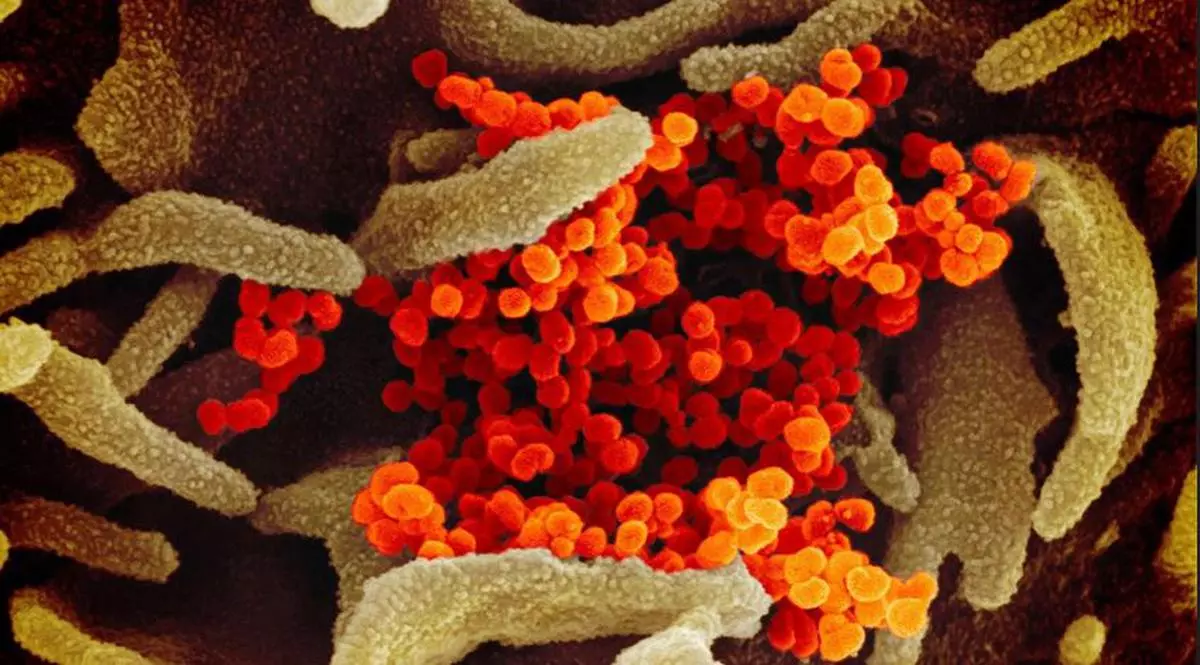
Since the outbreak of Covid-19, a number of databases on coronaviruses have been created. However, there is none as yet that provide useful information such as the binding affinity (how tightly an antibody binds to the virus) and how coronavirus antibodies effectively kill the viruses.

In an effort to fill this gap, a group of scientists from IIT Madras pored through thousands of research articles related to coronaviruses from PubMed, a free resource that supports the search and retrieval of biomedical and life sciences literature. Information related to binding affinity and inhibitory concentration of neutralising antibodies was meticulously gathered from them. In addition, the amino acid sequence information of all coronavirus-related antibodies was included from a sequence database called CoV-AbDab.

The result was the creation of what researchers call Ab-CoV, a database of 1,780 coronavirus-related antibodies, including 211 nanobodies. The database additionally gives information about each antibody, such as how the antibody was obtained, which strain of virus it binds to and which part of the spike-protein (epitope) does it bind to.

Covid-19 database

Ab-CoV has a wide range of search and display options. Users can directly search and download based on antibody name, viral protein epitope, neutralised viral strain, antibody, nanobody, etc, says an article in the IIT-Madras’ publication, IIT-M TechTalk. The database also has an option to view the structures of antibody or viral protein as a 3D model.

The Ab-CoV database will be a vital resource for coronaviruses-related studies. The database also has the potential to assist researchers for antibody engineering, analysing immune escape for known and future variants of SARS-CoV-2, for computational studies of neutralising antibodies, to relate structural features with binding affinity specific to SARS-CoV-2, and for design of therapeutic interventions, says IIT-M TechTalk.

Some of the data in this database have already been used to understand the relationship between structural features and binding affinities of spike protein-antibody complexes as well as antibody repurposing. These studies have been published in Proteins: Structure, Function and Bioinformatics, and Scientific Reports, respectively by Prof. Gromiha and collaborators. This research was partially funded by The Robert Bosch Centre for Data Science and AI (RBCDSAI) at IIT Madras.

IIT-M TechTalk quotes, Prof. R. Sowdhamini, of the National Centre for Biological Sciences (NCBS), Tata Institute of Fundamental Research, Bengaluru, as saying that the AbCoV database “is a comprehensive and good collection of data, relevant for vaccine design.”

Sowdhamini observed that experimental data on 107 crystal structures and close to 1,500 antibody data have been employed as start points. Several relevant data, such as kinetic parameters of neutralising antibodies are also provided along with user-friendly search engines. Contents of this database will be a valuable resource for future design of antibodies. 

The researchers who worked on this are Dr Puneet Rawat, Ms Divya Sharma, Dr R Prabakaran, Ms Fathima Ridha, Ms Mugdha Mohkhedkar, Dr Vani Janakiraman, and Prof. M Michael Gromiha from the Department of Biotechnology, Bhupat and Jyoti Mehta School of Biosciences, IIT Madras.



Source link

IISER Trivandrum develops organic semiconductor-based acidity tester 

IISER Trivandrum develops organic semiconductor-based acidity tester 


Semiconducting materials are those which, if you ask them “do you conduct electricity?” will reply “yes and no”. Most of the semiconducting materials — such as Silicon — are inorganic solids. However, in recent times, a new class of semiconductors are emerging: organic semiconductors. Organic materials are those that have carbon and hydrogen atoms. Imagine a plastic sheet for conducting electricity. That is roughly organic semiconductors or OSCs.

The OSCs are now getting noted for their attractive properties. They are light, cost less to make, flexible and abundantly available. Fabrication of solar cells, transistors, photodetectors, and lasers with OSCs can be highly feasible and highly efficient. Further, they can be processed using simple solution processing techniques (e.g. ink-jet printing, reel-to-reel fabrication), making the fabrication of electronic devices much easier and cheaper, according to a 2018 paper by Fang-Chung Chen of the National Yang Ming Chiao Tung University.

Flexible pH meters

Now, scientists at the Indian Institute of Science Education and Research (IISER-TVM) Thiruvananthapuram have developed an organic semiconductor-based device that can be used to design disposable, flexible pH meters to test the full-scale acidity and alkalinity of substances.

The research team led by Dr Bikas C. Das, Assistant Professor in the institute’s School of Physics has developed a device for measuring pH. It requires only a drop of the fluid whose pH needs to be measured accurately in a few milliseconds without the need of calibration.

The pH meter is an extensively used instrument in laboratories and industries to measure the acidity and alkalinity of various substances. There are various kinds of pH sensing materials that are used to make these pH meters – even the litmus paper that changes colour from blue to red or vice versa, is a simple pH sensor.

However, advanced applications require sensitive pH meters without frequent calibration that can detect minute variations in acidity values and require small sample volume for analysis. Some of its applications include detecting the pH of bodily fluids such as blood, which has limited the amount of fluid available for testing.

In such cases, a variety of pH sensors are made using semiconductors – ion-sensitive field-effect transistors (ISFET), explains Das. But those are mostly inorganic compounds or inert polymer protected semiconductors. In recent years, there has been an interest in the development of organic semiconductors, but the development of organic ISFET has remained challenging.

IISER’s solution

The IISER TVM team has developed a highly sensitive pH sensor using an organic thin film as the sensing layer. Das explains thus: The organic layer is a semiconducting polymer called P3HT (or poly(3-hexylthiophene-2,5-diyl)) that is extensively used in the areas of organic photovoltaics, photodetectors, OLEDs and OFETs. It works with low-voltage and requires only a small volume of the fluid whose pH needs to be measured. The analyte drop is placed on the P3HT film channel between the source and drain, and used as the ‘gate dielectric’ to measure the pH value in dual mode from the change of threshold voltage and drain current modulation.

Das notes that the existing methods of pH sensing using organic channel-based ISFETs “are soft and flexible but requires a thin passivation layer, which increases the operating voltage and detection speed.” Furthermore, organic ISFETs have shown sensitivity only for limited pH value regions.

The team tested their organic ISFET device and found that it effectively senses pH values ranging from 3 to 12 within few milliseconds. The device needs no calibration, has a stable performance for 5 minutes and can be used as a single-use, rapid pH meter.

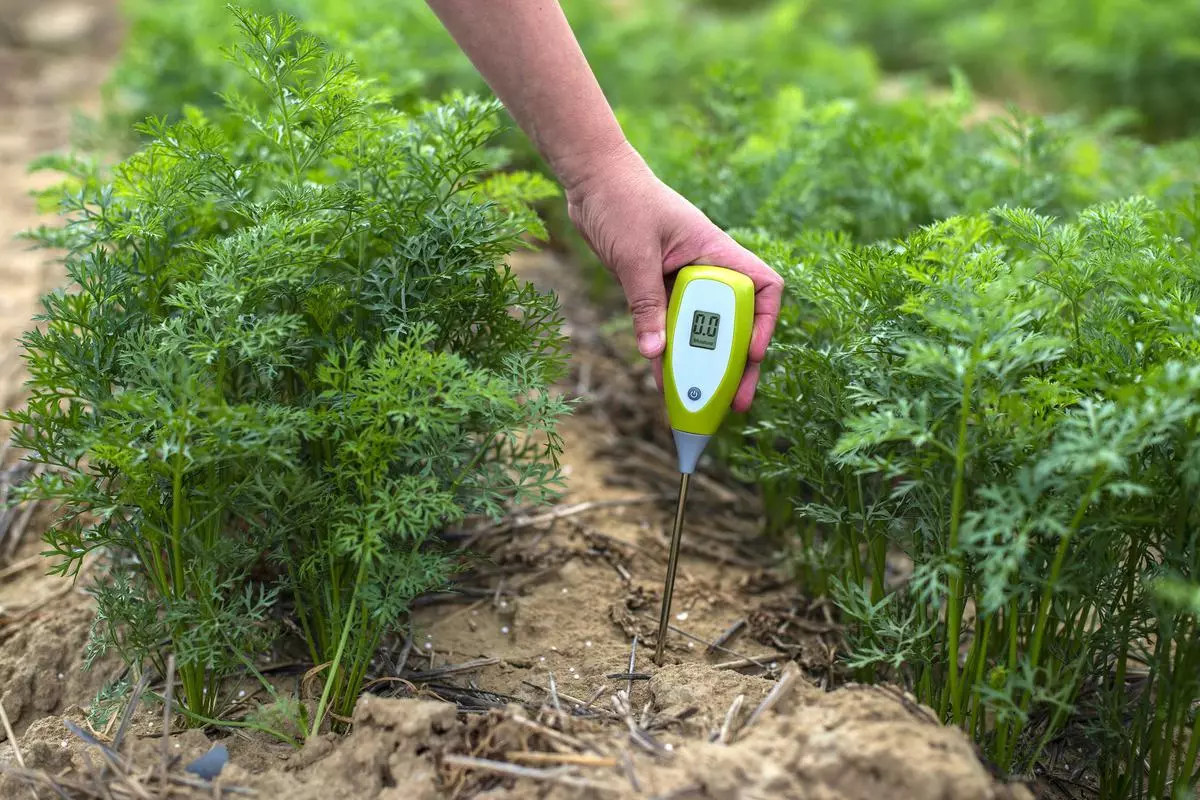
The organic ISFET pH sensor can be used to sense the acidity of bodily fluids such as blood, sweat, saliva, etc. and may be used to fabricate wearable acidity sensors. The absence of calibrating the pH sensor means that it can be used to make hand-held, disposable pH meters that farmers can use to check the acidity of their soil for optimum harvest.

“The sensitivity and accuracy of our technique can be improved further in future by using customised functional organic molecules as expert chemists are regularly synthesising different functional molecules in their laboratory,” says Das.


Source link

King Tut’s enduring mystery rages on

King Tut’s enduring mystery rages on


Nearly 40,000 people, including several world leaders and diplomats of various countries, have congregated in Egypt, for yet another climate change jamboree. But today Egypt ought to be remembered for a different and completely unconnected story.

It was exactly this month a hundred years ago that the English archaeologist, Howard Carter, putting his eye against a dark hole, exclaimed those now-famous words: “Yes, wonderful things.” He was responding to his colleague, Lord Carnarvon’s question as to whether he could see anything.

Howard Carter’s startling discovery was that of the boy king, Tutankhamun, who became the Pharaoh of Egypt when he was only 9 and died at 18, in 1324 BC. Recent DNA analysis seem to indicate that he was the product of an incestuous relationship between his father and his aunt; consequently, he was born with multiple deformities. It is said that he needed to walk with a cane, suffered from epilepsy, had a cleft palate and a curved spine.

Today, Tutankhamun is such a big draw. He achieved much during his short lifetime including restoring an ancient religion that his father, Akhenaten, dissolved. He continues to achieve a lot for Egypt’s economy by pulling throngs of tourists to his resting place in the Valley of Kings. The aura of mystery around the boy king and the “curse” of his tomb, have also helped – all those who were involved in the discovery of his tomb, including Carter and Carnarvon, died mysteriously.


Source link

Nanoparticles to aid cancer treatments

Nanoparticles to aid cancer treatments


Conventional therapies in cancer treatment face challenges in delivery of drugs in the body and just the quantity needed, due to the toxic nature of the medicines used that have unwanted side effects.

Nanomaterials have ‘enormous’ potential in cancer treatment, says Dr V Ganesh Kumar, Scientist & Associate Professor at the Centre for Ocean Research (COR), Sathyabama Institute of Science and Technology. “They help alter the drug toxicity profile with enhanced surface characteristics which can diffuse inside the tumour cells. They deliver an optimal concentration of nano drugs at tumour sites and reduce toxicity,” he says.

Dr. Kumar is the corresponding author for a review paper to be published by Elsevier in the January 2023 volume of its Nanomedicine: Nanotechnology, Biology and Medicine journal. The other authors of the review include Ph.D scholar CG Anjali Das, Junior Research Fellow, pursuing research in anti-cancer studies.

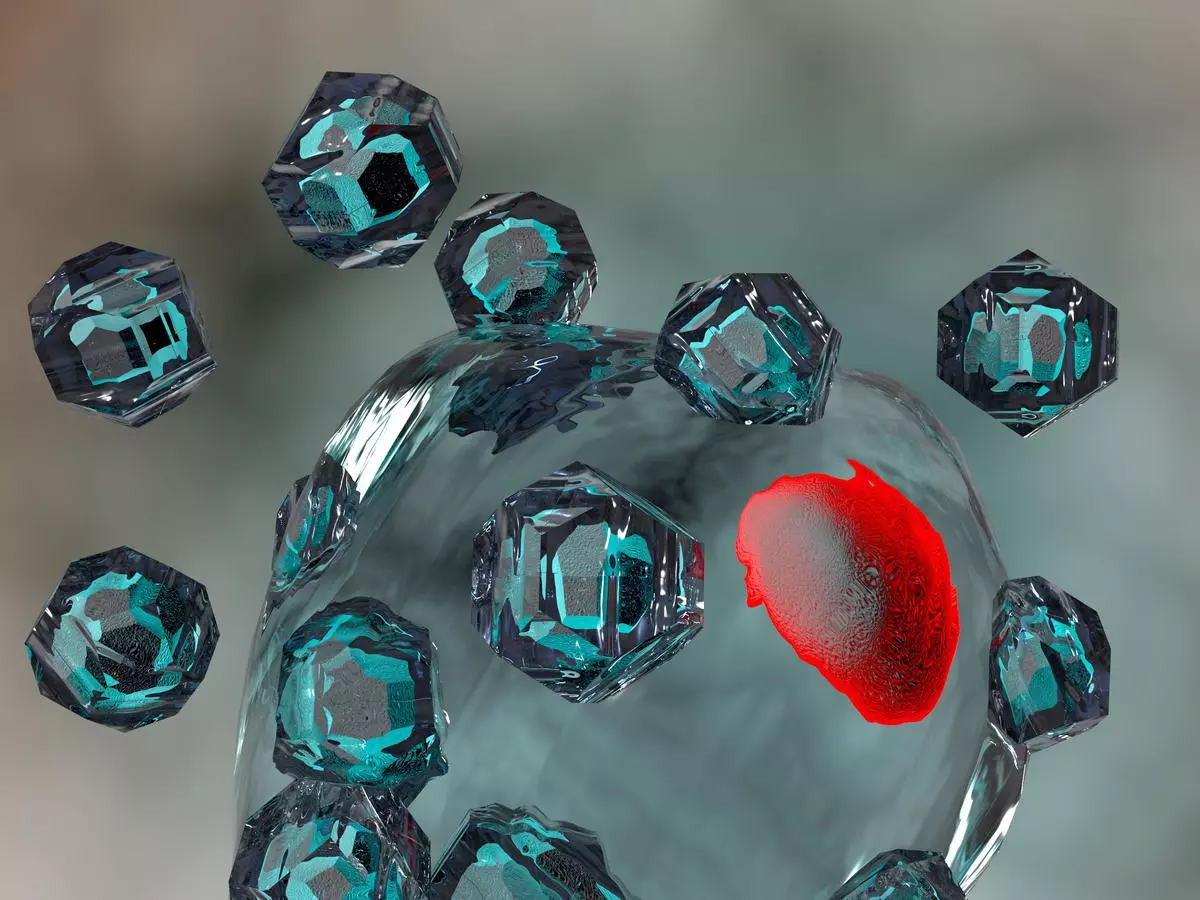
In nanomedicine, three kinds of nanomaterials are studied predominantly – organic, inorganic and hybrid involving both. They include dendrimers, liposomes and exosomes, quantum dots, fullerenes, polymeric micelles, nanoemulsions, RNA nanoparticles and nanotubes.

Examples of organic molecules are dendrimers — which have a branched structure — and liposomes that are akin to lipids, with each having a property that helps inhibit a cancer cell.

Drug carriers

Nanoparticles (particles less than 100nm in length) trump traditional drugs and their delivery mechanisms across three areas: surface characteristics, ability to alter the toxicity of active cancer cells, and tumour specific constituents.

An inorganic nanoparticle such as gold, silver or platinum, acts as a drug carrier. How exactly does the drug delivery take place? “The electrostatic forces between adjacent molecules help in the drug delivery to the tumour site,” he says.

Nanomaterials are useful especially when only a specific amount of drug needs to be delivered and anything in excess would only cause side-effects of the drug. When nanodrugs reach the cancer site, they inactivate the multiplying property of the cancer cell by mutating the ‘signalling pathways’ that aid the proliferation of cells, explains Dr Kumar.

How does the field of medicine narrow down upon tumour-specific constituents of nanomaterials? Dr. Kumar cites the example of the organic nanomaterial, liposome. “The quantum of nano-drugs is at a ‘trace’ level. “We always study bio-compatibility. That is, how much of a drug can a cancer patient bear, what reactions the patient shows to such drugs…”

Liposomes disseminates inside a cell and easily disintegrates with time. In the use of metals, there is always the danger of accumulation of the drug residue which could have an impact on the patient in future.

Liposomes are drug delivery molecules that play a vital role in pharmaceuticals and in the biomedical arena. Marine-derived liposomes act as drugs. They are organic nanomaterials that are effective in drug delivery due to their biocompatibility, enhanced drug solubility, and their non-toxic nature, in addition to being biodegradable. Liposomes can be derived from plants and marine sources.

Does that mean that liposomes are the preferred category of nanomaterials? According to Dr Kumar, researchers are working on both organic and inorganic nanomaterials. “Both are advantageous in their respective application modes. While liposomes are applicable in a higher number of treatment cases than other nanomaterials, it is not an individual decision. For every patient, an oncology board will decide depending on the case history down to the level of blood pH level of the patient. Some kinds of cancers in certain patients may be more susceptible to dendrimers than liposomes. In other cases, oncologists may suggest the treatment with radiation, no material — nano or other kinds — may be required.”

Tumour-specific

If inorganic nanomaterials are invariably transporters of drugs and their organic cousins are drugs themselves, then why is the former in consideration at all? Isn’t it easier to just deliver the drug rather than mount it at nano-levels on a transporter and then aim for the cancer site? Kumar says, “The doctors may opt for controlled release. That is, the drug must neither stay at the site for a long time nor disintegrate quickly. And it must get active only at the cancer site; in such instances, you need a carrier for targeted drug delivery.”

Listing a host of nanoparticles that have been effective in treatment of cancer, the review showed, for example, that spherical gold nanoparticles synthesised in the lab using marine bacteria Vibrio alginolyticus were effective in decreasing cell viability in breast cancer cell line.

The review paper also lists 12 nanomedicines that have been clinically approved for the treatment of cancer. Not surprisingly, liposomes form the bulk of the mentions — in 4 cases — and are used in the treatment of pancreatic cancer, acute lymphoblastic leukemia, acute myeloid leukemia and osteosarcoma.


Source link

Brighter, cheaper LEDs

Brighter, cheaper LEDs


Plasma treatment of some inorganic nano-materials has shown the way towards bright, stable and affordable light-emitting diodes (LEDs).

Cost-efficient and bright light-emitting diodes (LEDs) are in demand, but attaining the desired stability and brightness have been challenges. Scientists are looking for new materials that are stable, produce bright emissions and can be commercially viable.

Researchers at the Centre for Nano and Soft Matter Sciences (CeNS) have found that simple plasma treatment of inorganic material cesium lead halide nanocrystals can lead to enhanced stabilisation.

The researchers, led by Dr Pralay K Santra, found that a mechanism of plasma treatment induced stability enhancement in inorganic perovskite nanocrystals, which could boost their emission. Plasma treatment induces cross-linking of the organic molecules oleylamine present on the surface of the nanocrystals. This creates a stronger network of ligands, providing better encapsulation and higher photoluminescence intensity.

Methanol as carbon sink

The global methanol market is projected to reach $26 billion by 2025, with a compound annual growth rate of 6.6 per cent from 2019 to 2025. Traditionally, methanol has been produced from fossil fuels such as natural gas and coal. However, methanol production from captured carbon dioxide is an emerging sustainable route, according to Noor Yusuf and Fares Almomani of Qatar University.

The hydrogenation of carbon dioxide to methanol is one of the promising carbon dioxide utilisation routes in the industry that can contribute to emission mitigation. In a paper published in the upcoming issue of Fuel journal, they report “sustainable catalytic hydrogenation of carbon dioxide to methanol using copper or zinc oxide or aluminium oxide catalyst operated at 70 bar and 210 degrees C.”

The pure carbon dioxide feedstock used for this process is produced from the cryogenic upgrading process of biogas or hydrocarbon industries and ready-to-use hydrogen purchased at 30 bar and 25 degrees C. “The proposed methanol process with an annual production rate of 2.34 kt is economically sound with a payback period of nine years if the maximum hydrogen price remains below $0.97 per kg. Hence, producing or purchasing grey hydrogen from a steam reforming plant is most viable,” the authors say.

Rapid test for sickle cell anaemia

Researchers led by Sai Siva Gorthi in the Department of Instrumentation and Applied Physics at the Indian Institute of Science, Bengaluru, and collaborators have designed a rapid, low-cost, point-of-care method to detect sickle cell anaemia, says IISc newsletter Kernel. Sickle cell anaemia is a killer disease, which occurs due to a genetic mutation that causes haemoglobin in red blood cells to clump together.

The system designed at IISc relies on the property of haemoglobin in a solution to absorb and transmit light. The team observed differences in the light absorption between deoxygenated blood samples from sick and healthy volunteers. In preliminary clinical trials with 438 samples, the test showed high sensitivity (96.9 per cent) and specificity (98.6 per cent). The test takes only 15 minutes and may cost less than ₹100. A patent has been filed and licensed by ShanMukha Innovations, an IISc-incubated startup, says Kernel.


Source link

Did spices aid in the fight against Covid-19?

Did spices aid in the fight against Covid-19?


A recent study has established a connection between consumption of spices and ability to fight or recover from Covid-19.

The study — conducted by Vedvati Bhapkar of DY Patil Deemed to be University School of Ayurveda, Mumbai, and Supriya Bhalerao of Interactive Research School for Health Affairs, Bharati Vidyapeeth Deemed to be University, Pune — assessed the connection between spice consumption and health outcomes during the Covid-19 first wave.

The paper, yet to be peer-reviewed, has been published in medRxiv, a pre-print server.

The study shows that consumption of chilli, tamarind and a few other spices had significant positive correlation with the number of recovered cases during the Covid-19 first wave. Some of them showed anti-inflammatory and immunomodulatory properties. These include ginger, cumin oil, coriander, and curcumin, derived from turmeric. Also, capsaicinoids in chilli have shown anti-inflammatory activities. The fruit pulp of tamarind has also shown immunomodulatory activities, the authors say.

For the study, the researchers retrieved spice consumption data from the ‘Household consumption of various goods and services in India’ report in the 68th round (2011-12) of survey by National Sample Survey Organisation (NSSO).

They analysed spices for which consumption data was available, namely, ginger, garlic, cumin, coriander, turmeric, black pepper, chilli, and tamarind, among others. They then collated Covid-19 first wave data for states and union territories, including total number of cases, number of cured and/or discharged and/or migrated cases, and number of deaths. It was normalised ‘per million’ population of the respective states and UTs. The correlation of individual spice consumption and Covid-19 statistics was analysed.

The study lends support to the theory that spices boost immunity. In 2020, another study, by Elsayed and Khan, distilled data from 163 countries to show that “there is a clear interrelated prevalence” between the total number of Covid-19 cases per million population tested and the gram of spice supply per capita per day. Nations with lower consumption of spices per capita showed a greater number of Covid-19 cases per million population, the report said.

“This is not surprising as herbs and spices are well known to boost immunity,” the authors said. However, the precise molecular mechanisms associated with spices and immunity are not completely understood yet.

Bhapkar and Bhalerao note that ginger consumption showed a negative correlation with incidence, mortality as well as recovery from Covid-19. On the contrary, garlic showed a positive correlation with them. “Thus, ginger may have a role in prevention of Covid-19 and garlic in its recovery.”

Turmeric had a negative correlation with incidence of Covid-19. Thus, ginger and turmeric may have immune potentiating property. Also, all other spices that exhibited positive correlation with recovery from Covid-19 may possess anti-viral properties, the study posits.


Source link

YouTube
Instagram
WhatsApp




